
Daniel Comboni
Missionnaires Comboniens
Zone institutionnelle
D’autres liens
Newsletter
Comboni Bishops in Office and Emeritus
Tuesday, December 2, 2025
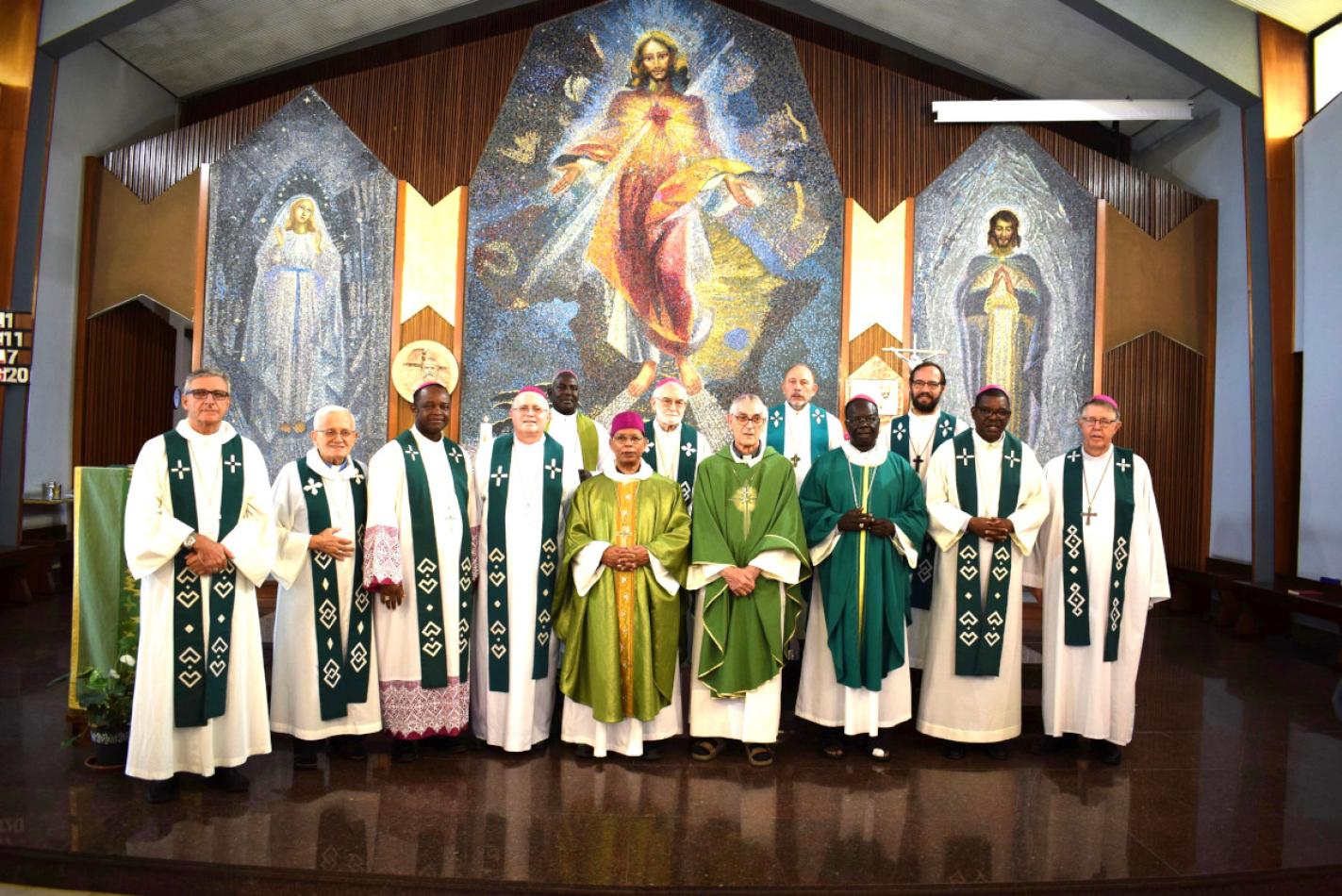
Since the appointment of Daniel Comboni as a bishop (July 11th, 1877) and his subsequent consecration (August 12th, 1877) in Rome, sixty-one Comboni Missionaries have become bishops. Of these sixty-one, thirty-eight have already died. Of the twenty-three bishops who are alive, sixteen are still in active ministry while seven are retired. Of the sixteen who are in active ministry: three are from Italy; three from Spain; two from Uganda; one from Eritrea; one from Brazil; one from Peru; one from Costa Rica; one from South Sudan; one from Mozambique; one from the Democratic Republic of Congo; and one from Ethiopia. [See attachment]
Comboni Bishops in Office and Emeritus
Foreword
The Comboni Missionaries follow in the footsteps of Saint Daniel Comboni, who dedicated his life to the service of the Peoples of Africa. He came from an insignificant little village on Lake Garda and inherited a deep faith from his parents. His desire to become a priest took him to Verona and then on to Central Africa. There he saw the plight of the Peoples of Africa and was convinced that faith alone could bring salvation to that Continent’s suffering masses.
Once he had ascertained that the Mission to Central Africa was his calling, nothing could stop him from putting his life at the service of the Peoples there. While he started out as a simple priest working in Africa, he soon realized that he had to work in particular to put an end to the terrible suffering caused by the evils of slavery and thereby bring people closer to faith in Jesus Christ.
In order to be able to serve people better, prepared even to give his life for them, Comboni accepted to become Apostolic Vicar, and then Bishop, of the Central African Vicariate. He knew that as a bishop he could do so much more for the people he was called to serve.
Comboni’s way of always putting the people entrusted to his care first is a legacy for every Comboni Missionary, regardless of the ministry in which he lives out his vocation. But when someone is called to be a bishop, he is aware that he is not embarking on a career path but rather, like Jesus the Good Shepherd, dedicating himself wholeheartedly to the Flock entrusted to his care.
I would like to thank Father Alois Eder for taking the trouble to record in this booklet the Confrères who have followed this vocation of service. May the testimonies of our Confrères in this ministry inspire others to always work for the good of the People entrusted to them.
P. Hubert Grabmann mccj
Provincial of the German-Speaking Province
of the Comboni Missionaries of the Heart of Jesus
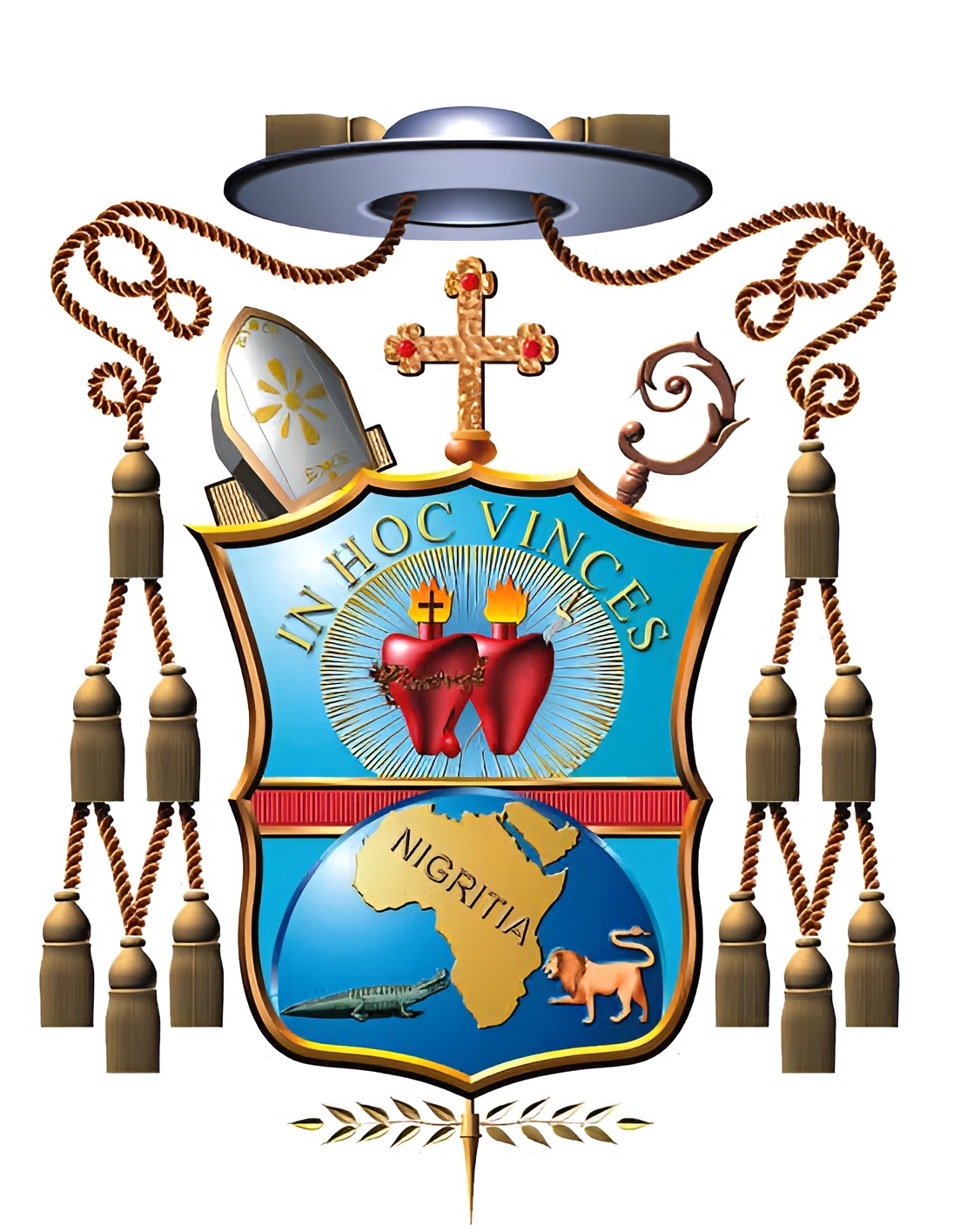
Introduction
Since the appointment of Daniel Comboni as a bishop (July 11th, 1877) and his subsequent consecration (August 12th, 1877) in Rome, sixty-one Comboni Missionaries have become bishops. Of these sixty-one, thirty-eight have already died: thirty were Italians and eight were of other nationalities: three Germans; one Austrian; one from South Tyrol; one Spanish; one Sudanese; and one from South Sudan. Of the twenty-three bishops who are alive, sixteen are still in active ministry while seven are retired. Of the sixteen who are in active ministry: three are from Italy; three from Spain; two from Uganda; one from Eritrea; one from Brazil; one from Peru; one from Costa Rica; one from South Sudan; one from Mozambique; one from the Democratic Republic of Congo; and one from Ethiopia. Of the seven retired bishops: one comes from Spain; one from Mexico; and five are from Italy. The group of sixty-one bishops includes: One Cardinal († 2024), one Apostolic Nuncio († 2024), several Archbishops, three Auxiliary Bishops, and several Apostolic Vicars.
These Confrères of ours do not only work as Pastors in providing pastoral care and as proclaimers of the Good News. Through them, we are also present and active in many Bishops’ Conferences and their Commissions. Bishops chosen from the ranks of Religious Orders and Missionary Societies have the special task of contributing and promoting their missionary and religious charism and thus of enriching and sensitizing their fellow Diocesan Bishops and the Faithful entrusted to their care.
Every appointment of a bishop from our ranks is, on the one hand, a loss for the Congregation, as we often say, but at the same time, an enrichment for a Local Church, for it opens up to the possibility for our Congregation, through our Confrères, to participate at all levels of the Church and to contribute with our charism. They are also a cause for joy for our Confrères working in vocation promotion when they realize that they caught a ‘big’ fish. Archbishop Menghesteab expressed these feelings at the Episcopal Consecration of Father Tesfaye Tadesse: “Many years ago, I invited Tesfaye to become a Comboni Missionary. I thought I had caught a ‘small’ fish. However, it slowly developed into a big one. Therefore, I consider Bishop Tesfaye as my dear son”. It is an important and honorable act of love and service to accompany our bishops and to support them in their Episcopal Ministry with our prayers, and wherever possible to collaborate with them zealously and creatively.
Father Alois Eder mccj