Daniel Comboni
Comboni Missionaries
Institutional area
Other links
Newsletter
Mary Most Holy, Mother of God – The Pillars of the New Year
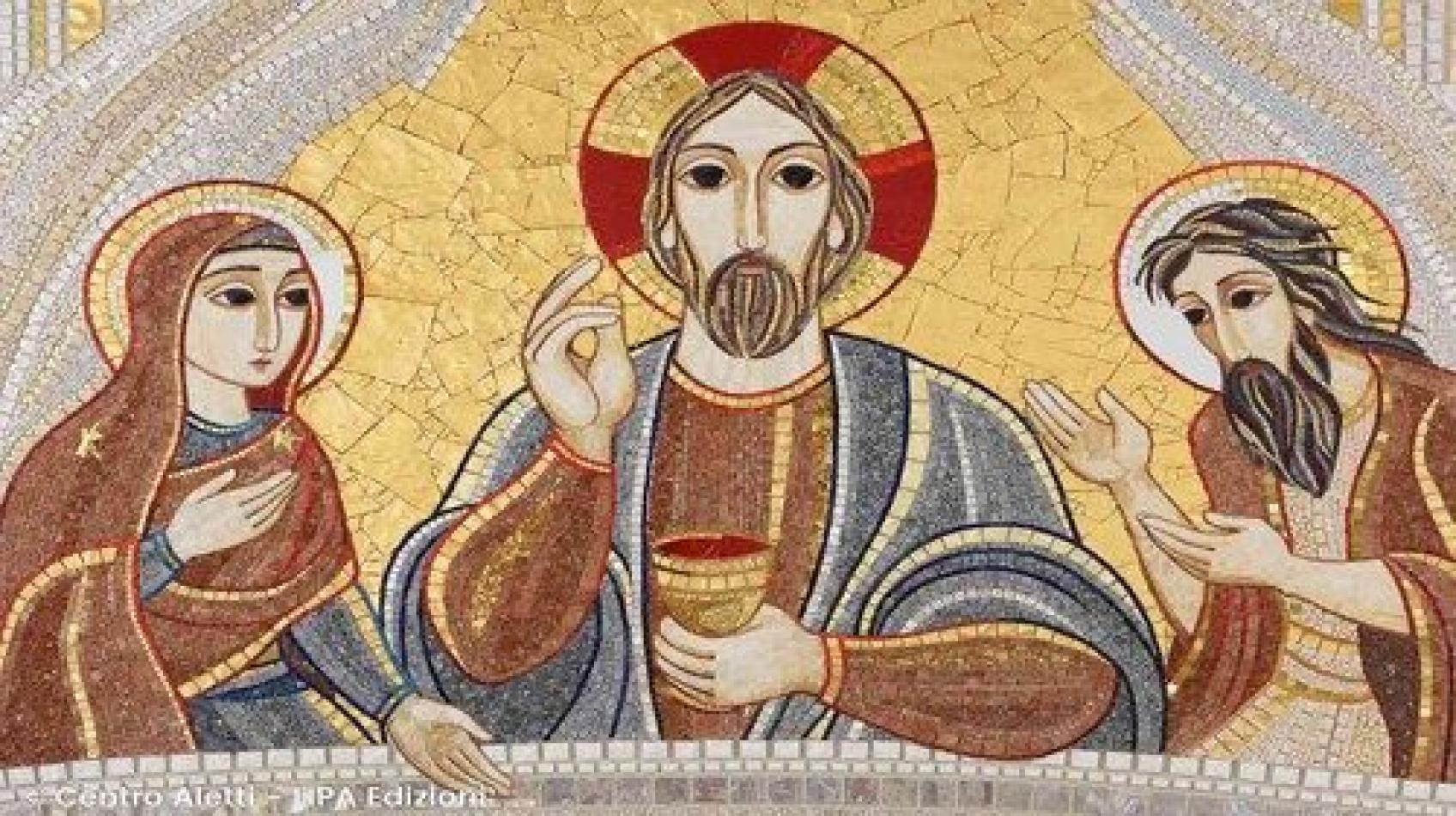
On the first day of the civil year, the Church celebrates the Solemnity of Mary Most Holy, Mother of God. It is the last day of the Octave of Christmas, on which the rite of the circumcision of Jesus is remembered. Moreover, since 1968, at the wish of Pope Paul VI, this day has been dedicated to prayer for peace.
“He was given the name Jesus.”
Luke 2:16–21
On the first day of the civil year, the Church celebrates the Solemnity of Mary Most Holy, Mother of God. It is the last day of the Octave of Christmas, on which the rite of the circumcision of Jesus is remembered. Moreover, since 1968, at the wish of Pope Paul VI, this day has been dedicated to prayer for peace.
The liturgy offers us “the first word of the year”, a bearer of grace and blessing. Let us meditate on it by reflecting on three realities: Mary, the name of Jesus, and the blessing of Peace. These are the pillars on which to build the structure of our life in the new year. We are given 365 “bricks” with which to do so, and the Word provides us with the plan, the design.
1. MARY and the scandal of the manger
“All who heard it were amazed at what the shepherds said to them. Mary, for her part, treasured all these things and pondered them in her heart.”
We enter the new year under the protection of Mary, the Mother of God. During the Christmas season, our attention is naturally directed mainly towards the Child. However, today the Church invites us to raise our gaze towards the Mother. From her we learn how to look at, welcome and deepen the mystery of the birth of Jesus.
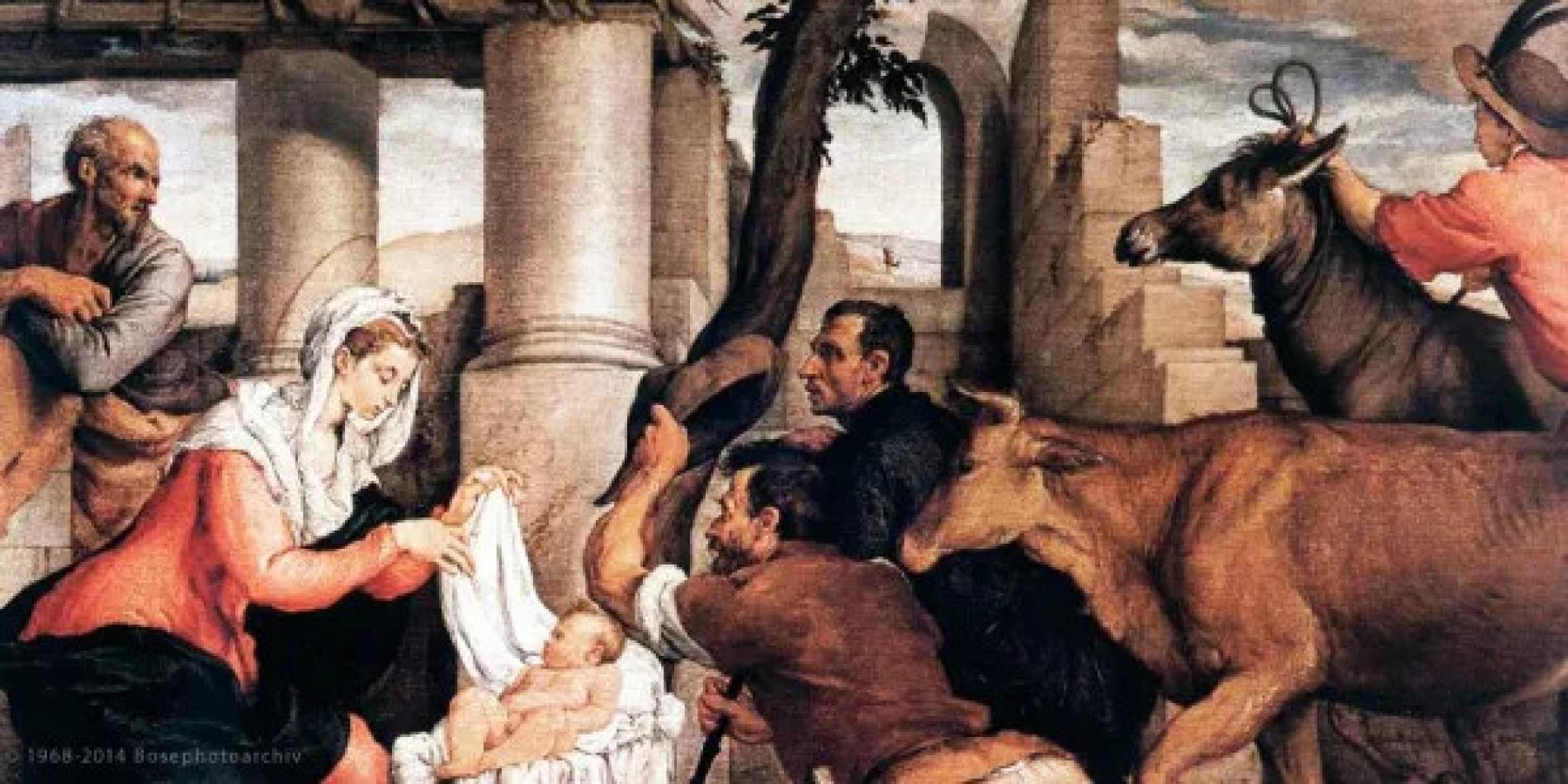
The shepherds find the Child “lying in the manger”, a fact that fills them with joy because it confirms the angel’s word and because the Saviour is born in their own environment: he is one of them. For everyone, the testimony of the shepherds is a cause for wonder. But for Mary it was not so. She had to endure “the scandal of the manger” (Pope Francis, 1 January 2022).
Let us find time in these days to pause before an icon of Mary or, better still, to visit her in one of her many “dwelling places”, the shrines dedicated to her, and ask for her ability to meditate on events. Not all 365 bricks of the new year will be beautiful, smooth, perfectly shaped and easy to fit into the structure of our life. If only that were so! Some will be rather misshapen and difficult to place. Problematic and difficult days will certainly not be lacking. These are the “bricks” of discouragement, sadness or even scandal in the face of certain events in life. We would be tempted to discard them as useless.
The gaze of Mary, who “treasured all these things and pondered them in her heart”, can help us. Only her “meditative patience” will enable us to integrate certain “bricks” into the puzzle of our existence. What we do not understand and would be tempted to reject must be preserved with even greater care.
Let us enter the new year with Mary’s gaze. Through the door of her heart and the window of her eyes, let us learn to treasure and ponder events, in order to perceive a meaning even in what initially escapes us.
2. JESUS, the Name and names
“When eight days were completed for his circumcision, he was given the name Jesus, the name given by the angel before he was conceived in the womb.”
Today, on the eighth day after his birth, the Child is circumcised and receives a name: Jesus, which means “the Lord saves”. This name, designated from Heaven through the angel, is the Italian form of the Latin Jesus, itself derived from the Greek Iesoûs. The original Aramaic was Yeshua, a shortened form of the Hebrew Yehoshua. Joshua, the successor of Moses, also bore this name. It was a very common name at the time.
The name of Jesus appears 983 times in the Greek text of the New Testament. It is no longer a simple name, but reveals his identity as Saviour. To pronounce it is equivalent to a profession of faith for those who invoke it. As Saint Peter affirms: “There is no other name under heaven given among men by which we must be saved” (Acts 4:12).
Now God has a name: Jesus, “the Lord saves”. We can name him and establish a personal relationship with him. How beautiful it would be if, during the new year, the name of Jesus were the most frequent on our lips and the most alive in our hearts! Sadly, however, it is often other “names”, other realities, that predominate in our lives and in our hearts.
This invites us to practise a spiritual exercise: a form of what is known as the “Prayer of the Heart”. It consists in continually repeating the name of Jesus, in rhythm with our breathing, as one repeats the name of a loved person. A very simple form of prayer, capable of creating a deep relationship of communion with Him and with all who invoke his name.
3. BLESSING: blessed, to bless
“May the Lord bless you and keep you. May the Lord make his face shine upon you and be gracious to you. May the Lord turn his face towards you and give you peace” (Num 6:22–27, first reading).
It is particularly comforting and inspiring to realise that the year begins under the sign of blessing. Peace is both the source and the fruit of blessing. We begin the year blessed, but it is essential to remain within the blessing! To do so, it is necessary to “speak well”, to say good things, to speak positively. To bless, first of all, the One who is Blessed, the source of every blessing: “Blessed be the God and Father of our Lord Jesus Christ, who has blessed us with every spiritual blessing in the heavenly realms in Christ” (Eph 1:3). To bless also our existence and our history; to bless the people we meet during the day.
“Bless and do not curse!” (Rom 12:14). We must acknowledge that, very often, it comes more naturally to us to speak badly, to say negative things, to criticise. To “curse” life, politicians, priests, the office manager, colleagues, the late bus, traffic, the neighbour who is too noisy… And thus we risk living a “cursed” life!
Here, then, is a third exercise for the new year: to leave home each day with the awareness of being blessed and to spread blessings everywhere. Peace will follow us.
Happy New Year! Shalom!
Fr Manuel João Pereira Correia, mccj