Daniel Comboni
Comboni Missionaries
Institutional area
Other links
Newsletter
A week in Sicily: General Council discovers the beauty of stone and of people
Monday, November 16, 2026
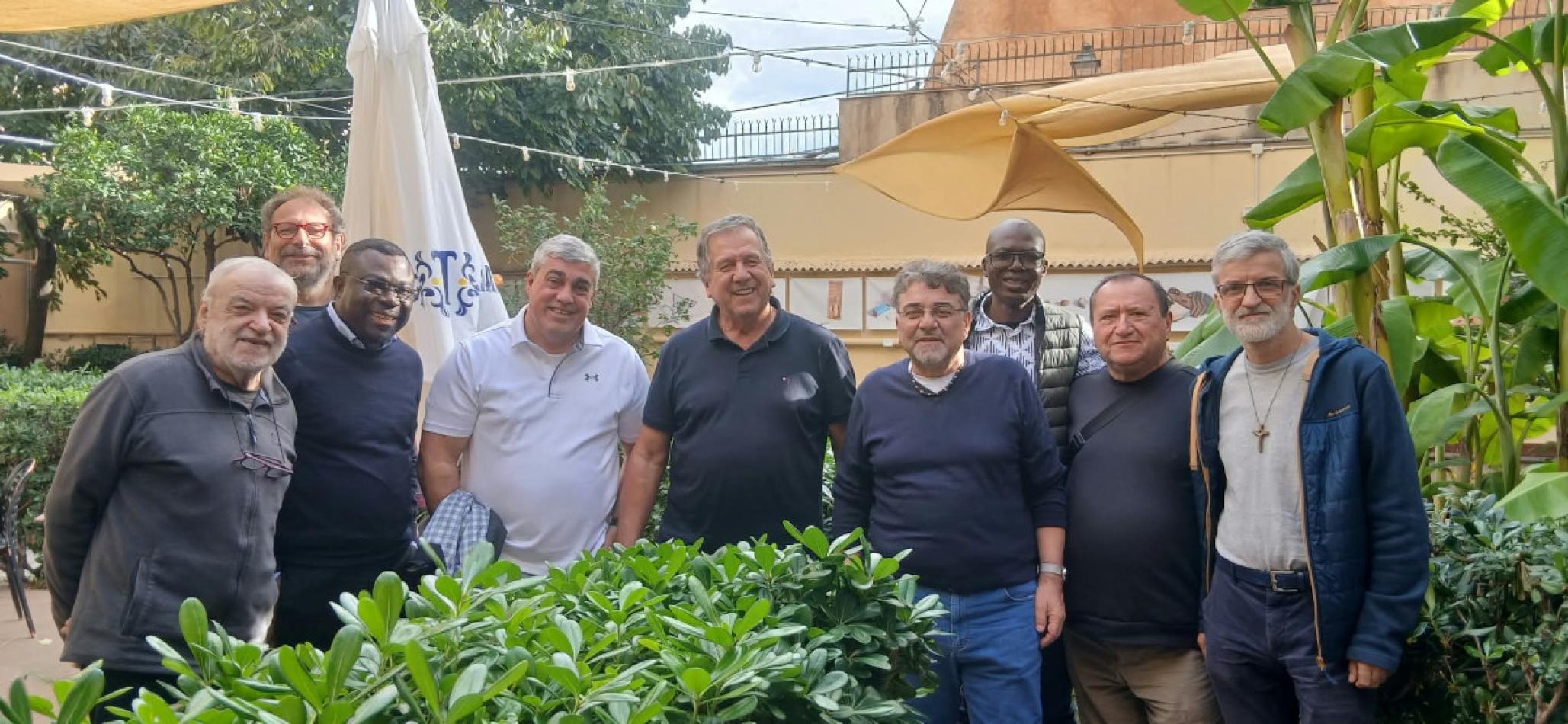
Sicily hosted the General Council from November 9 to 13, for a week of fellowship and rest. The confreres visited historical and artistic sites, met with members of the Comboni Family on the island, and learned about projects that offer welcome and reintegration to people on the margins of society.
Over the centuries, Sicily has been a meeting place for different cultures – Greek, Roman, Arab, Norman, Spanish – which engaged in dialogue with one another. From this encounter arose architectural treasures of rare beauty, a synthesis of different styles and ways of life.
The Comboni community of Palermo gladly took it upon itself to offer the confreres the chance to discover some of the island's architectural beauties, to savour Sicilian cuisine in its most characteristic products, and to meet some of the social and religious realities active in the area.
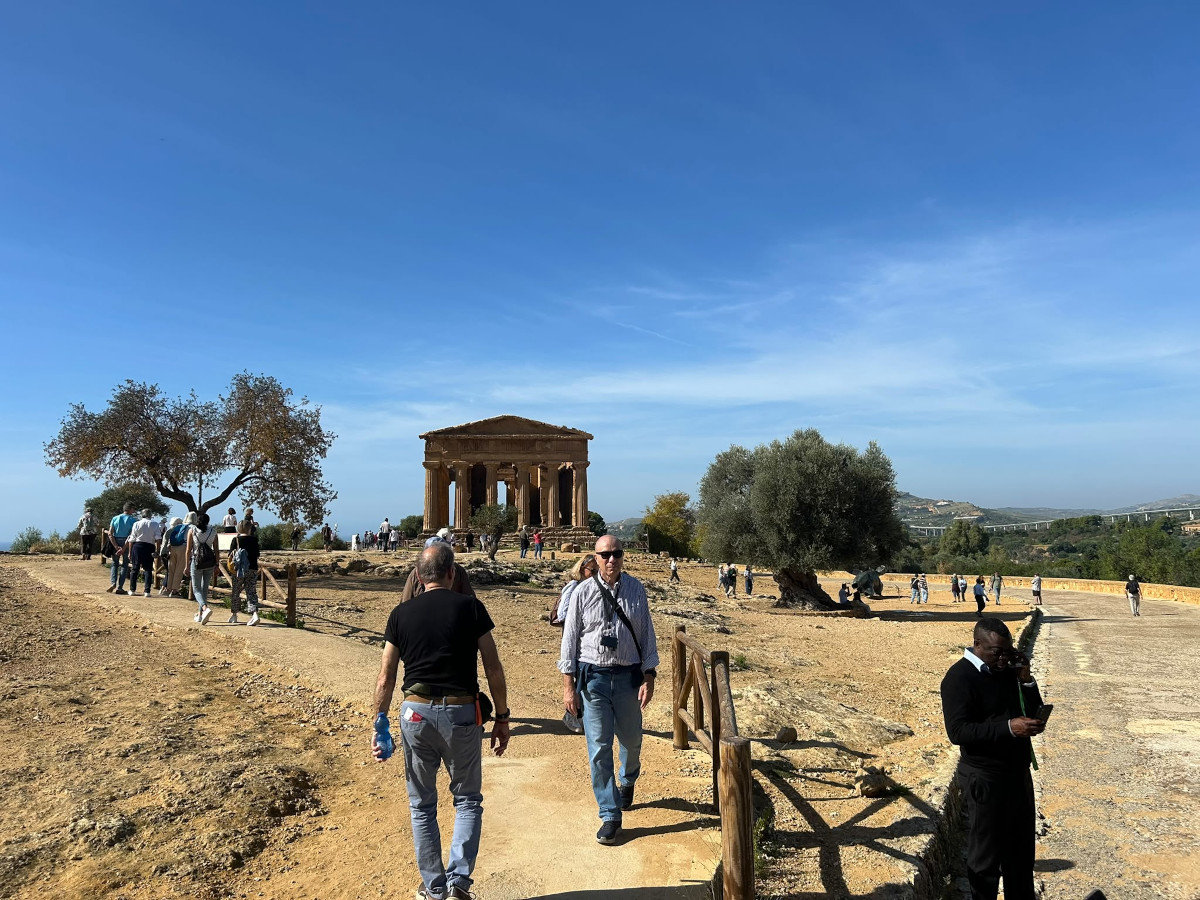
The precious mosaics of the Palatine Chapel and of Monreale Cathedral, the majesty of the Valley of the Temples in Agrigento, and the churches and palaces of Palermo showed how the pursuit of beauty – the fruit of collaboration among different cultures that pooled their skills to create monuments that have survived to this day – was the driving force behind the region's development and communion.
Alongside this beauty of the past, there were encounters with the community of La Zattera of Comboni lay people, with the community of the Comboni Missionary Sisters, with the parish of Santa Lucia, entrusted to the pastoral care of the Comboni Missionaries, and with the person in charge of social projects at the Opera Don Calabria, Fr. Ivo Pasa. Particularly meaningful was the visit to the Court of Palermo, to the places commemorating the work of the magistrates Falcone and Borsellino.
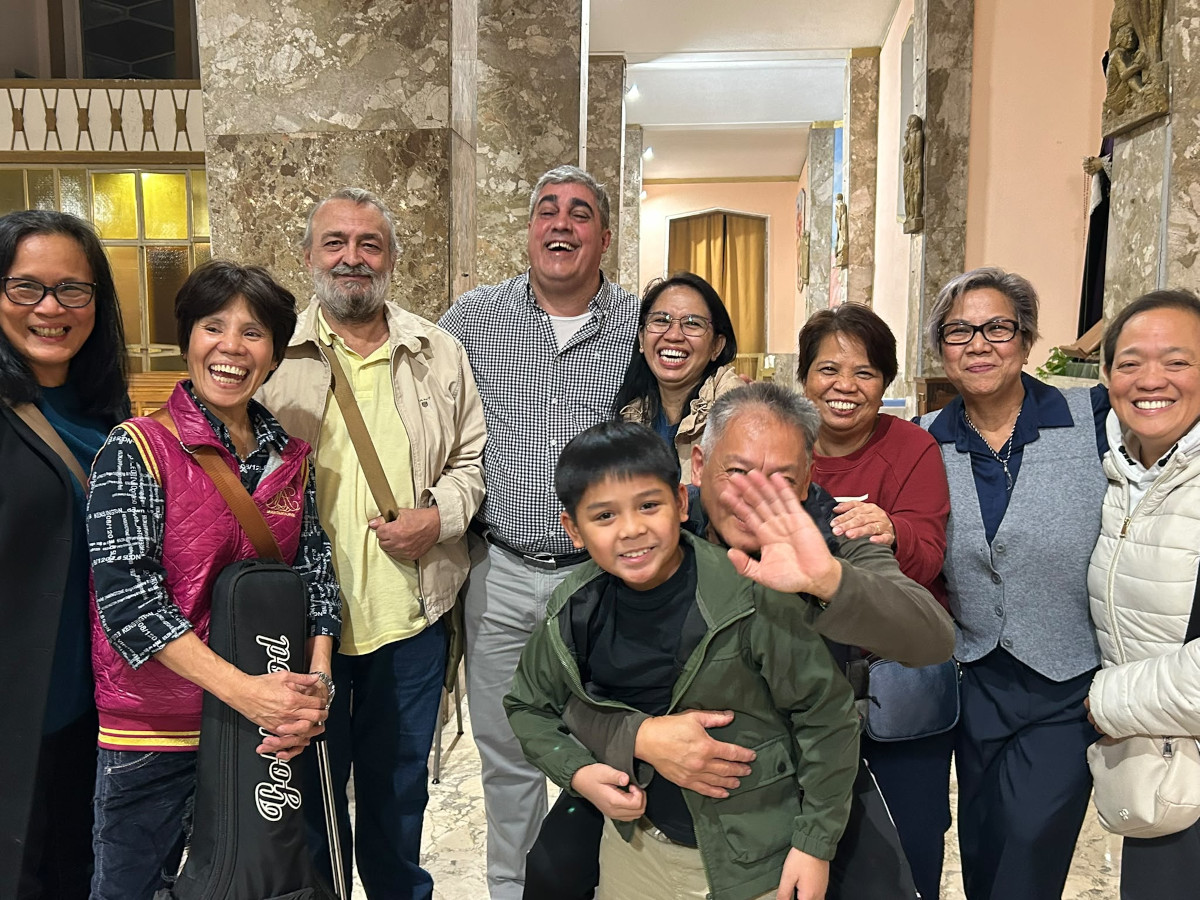
Here we encountered a different kind of beauty.
It is the beauty of initiatives and projects that care for those who have lived, and are living, a difficult existence marked by mistakes and oppression, in order to restore new light to their lives. It is the offering of tools, spaces and opportunities to migrants, young prisoners, the homeless and other people on the margins of society – a reality that challenges our Church, our society and our communities. How should we go about it?
Fr. Ivo pointed to the spirit guiding the projects of the Opera Don Calabria, which can inspire us too, inviting us to follow the method of the Magi: to face a problem, you do not go back by the same road that caused it or continues to cause it.
We look for alternative paths, avoiding a merely hand-out approach, in order to give dignity to those who ask for our help, and we work together with those in the lay world who, every day, labour with commitment and professionalism for those who, in this complex and unjust society, risk being left alone.
Fr. Antonio Bonato, MCCJ