
Daniel Comboni
Comboni Missionaries
Institutional area
Other links
Newsletter
34th Sunday Year A: Christ the King
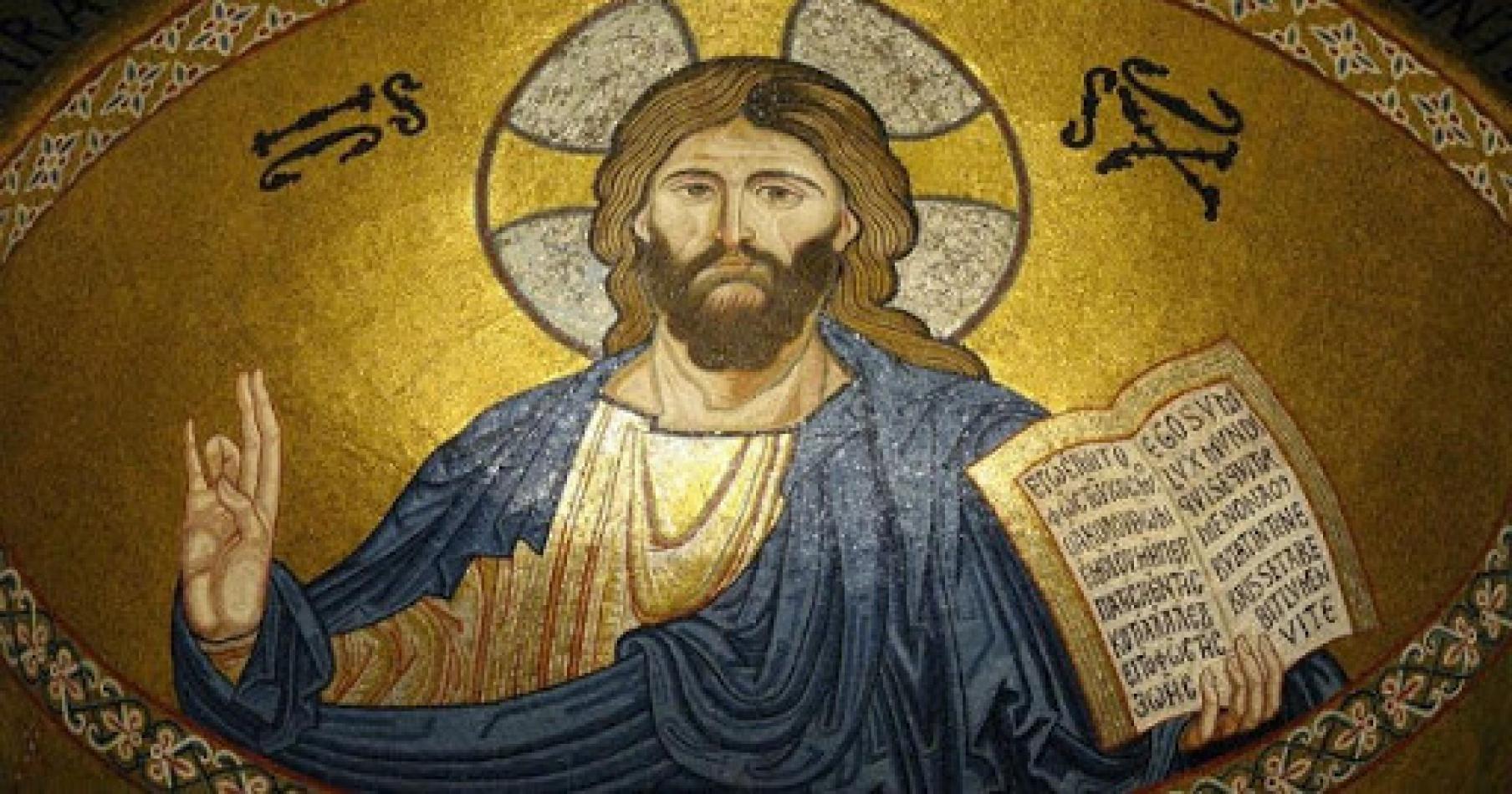


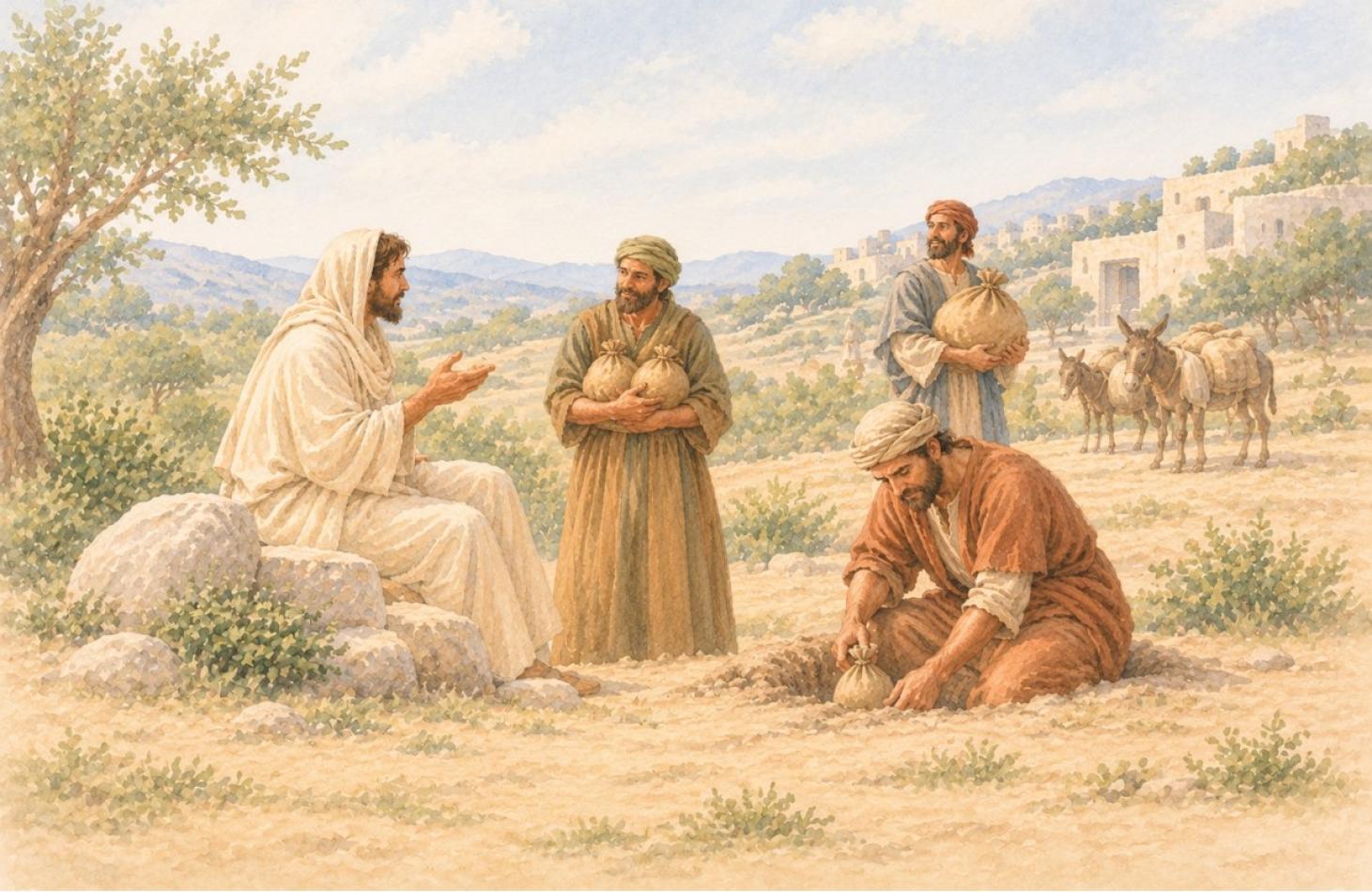
The Solemnity of Christ the King is the most recent feast in honor of the Lord. It was instituted in 1925 by Pius XI in the encyclical Quas primas, on the occasion of the 1600th anniversary of the first ecumenical council, Nicaea, whose teaching on Christ’s equality of nature with the Father is the basis for recognizing his kingship.
Serving and Proclaiming Christ the King
The last Sunday of the liturgical year is dedicated to the Solemnity of Our Lord Jesus Christ, King of the Universe, as desired by Pope Pius XI in the holy year 1925 (with the encyclical Quas Primas of December 11 of that year), who explained the reasons: “That these blessings may be abundant and lasting in Christian society, it is necessary that the kingship of our Savior should be as widely as possible recognized and understood.” This solemnity was later confirmed by Pope Paul VI in the new Roman Missal and further enhanced by Pope Francis who in 2021 chose this Sunday for the celebration of the annual World Youth Day in all dioceses around the world.
In such a festive atmosphere, today’s Gospel invites us to reflect on the so-called “parable of universal judgment”. Christ-the Son of Man- will come in glory at the end of time and, seated on the throne as King, will judge “all peoples”. The judgement is described in parable language.
1. A Clear Reminder of the Actual Mercy Necessary for Man’s Salvation
Our parable represents Jesus’ last great and important teaching on mercy in the Gospel of Matthew, although the words mercy are absent from the passage. This absence, to emphasize with the authoritative biblical scholar J. Dupont, “should not mislead us,” for here are enumerated the “works that characterize what the rabbis call gemilut hasadim, the practice of mercy. It is precisely on this active mercy, practiced through the six concrete actions mentioned in the parable, that the destiny of the individual depends. This ties in with the idea already proclaimed by the Matthean Jesus in the beatitude about the merciful: “Blessed are the merciful, for they will be shown mercy” (Mt 5:7).
The particular context of the parable in question is the conclusion of the eschatological discourse as well as of the entire body of Jesus’ teachings and actions during his public activity. This should be emphasized, as it enhances enhances the importance of the teaching found there: The importance of that conclusion is also underscored by the majestic tone of the beginning of the narrative, which proclaims: “When the Son of Man comes in his glory, and all the angels with him, he will sit upon his glorious throne, and all the nations will be assembled before him...” (cf. Mt 25:31-32a).
2. Not Only an Ethical Message, But Also and Above All a Christological and Christocentric One!
It would be a mistake, however, to stop at the dimension of mercy at the expense of the Christological dimension, which is no less powerful. In the pericope, the Son of Man identifies Himself with each of “these least ones” (cf. Mt 25:40,45), who are in need and therefore in need of help. The exegetical problem of the identity of “these least brothers of mine,” which is still being discussed, should be pointed out here. Are they the needy in general, or are they Christians who find themselves in situations of misery? In our view, the one does not necessarily exclude the other. Whatever the solution, the Christological thought of the story is always clear: the Son of Man identifies Himself with the wretched and unfortunate. It should be added that this identification is perhaps not so much based on Jesus’ moral appeals as on the fact that He Himself experienced similar misfortunes during His life, especially at the time of the cross.
Moreover, it seems to us that the central point of the parable is not so much the final judgment on whether or not to do the works of mercy, but rather the surprising revelation of the true Christological meaning of each work done or not done. It is precisely this element of surprise and shock that best reflects Jesus’ parable style and is the true focus of the parable, where the original message is to be conveyed. In this view, salvation mercy is revealed to be essentially Christ-centered rather than theo-centered: “whatever you did (not) for one of these least ones, you did (not) for me” (cf. Mt 25:40,45). Jesus teaches mercy with reference to Himself! This is the novelty of Matthew with respect to the well-known thinking in the biblical-Judaic tradition concerning the expectation of divine mercy at the Last Judgment, which is also present in the New Testament. (The Christocentric and/or Christological perspective of mercy granted or denied is found elsewhere only in Jd 21, which speaks explicitly of the expectation of the “mercy of our Lord Jesus Christ” for eternal life at the end, and in 2 Tim 1:16, 18, which invokes the mercy of the risen Lord for the present and for “that day” of judgment.)
Here we really have the culmination of all his teaching on this subject. We observe an interesting exchange: the merciful Jesus, who until now has been the subject of divine mercy, that is, the one who bestows it on those in need, now becomes the object of human mercy. In his exhortation to mercy, Jesus no longer places anthropological or theological reasons at the center (do for God in gratitude to Him and in His example), but his own person, as if to recommend: “Do this, thinking of me, or, to use the expression dear to Jesus, in memory of me!
3. Works of Mercy To Be Remembered and Performed To Serve Christ the King
The actions mentioned in the parable are incorporated into the list of the seven works of corporal mercy in our Catechism of the Catholic Church. Pope Francis also dedicated a series of catechesis to them, initially referring to our Gospel passage today as well:
How can we, therefore, be witnesses of mercy? We do not think that it is done with great efforts or superhuman actions. No, it is not so. The Lord shows us a very simple path, made by small actions which, nonetheless, have great value in his eyes, to the extent to which he has told us that it is by these actions we will be judged. In fact, one of the most beautiful pages from Matthew’s Gospel brings us the lesson which we can, in every way, hold to be true as the “testament of Jesus” by the Evangelist, who had experienced the action of Mercy directly on himself. Jesus says that every time we give food to the hungry and drink to the thirsty, cloth the naked and welcome the foreigner, visit the sick or imprisoned, we do the same to him (cf. Mt 25:31-46). The Church calls these actions “corporal works of mercy”, because they assist people with their material necessities.
(General Audience, Wednesday, 12 October 2016)
Therefore, it will be essential to refresh our memory with this list:
1. Feed the hungry.
2. Give Drink to the thirsty.
3. Give alms to the poor.
4. Shelter the homeless.
5. Visit the prisoners.
6. Visit the sick.
7. Bury the dead.
We must always remember well the individual works to be practiced (also so as not to confuse the last two, as when someone recites instead of “visit the sick and bury the dead”! “visit the dead and bury the sick”). In the light of the parable analyzed, these acts of mercy that each one of us performs are not just expressions of ethics or morality, but manifestations of our faith and love for Christ Himself in the needy. Thus, our service to the needy will also be an eloquent proclamation that Christ is present in them and, at the same time, that He actually reigns in us.
We conclude with the exhortation of Pope Francis:
These works of mercy are the features of the face of Jesus Christ, who takes care of his littlest brethren in order to bring the tenderness and closeness of God to each of them. May the Holy Spirit help us; may the Holy Spirit kindle within us the desire to live this way of life: at least once a day, at least! Let us again learn the corporal and spiritual works of mercy by heart, and ask the Lord to help us put them into practice every day, and in those moments where we see Jesus in a person who is in need.
(General Audience, Wednesday, 12 October 2016)
D.A.N. Nguyen
Pontifical Missionary Union