
Daniel Comboni
Comboni Missionaries
Institutional area
Other links
Newsletter
“For Me, Praying Is Weeping”

Friday, 20 November 2026
In the readings of the liturgy for Thursday of the Thirty-Third Week in Ordinary Time, John, in the Book of Revelation, weeps bitterly because no one is worthy to open the book of history. In Luke’s Gospel, Jesus weeps as he draws near to Jerusalem, because the city did not recognise the time of God’s visitation.
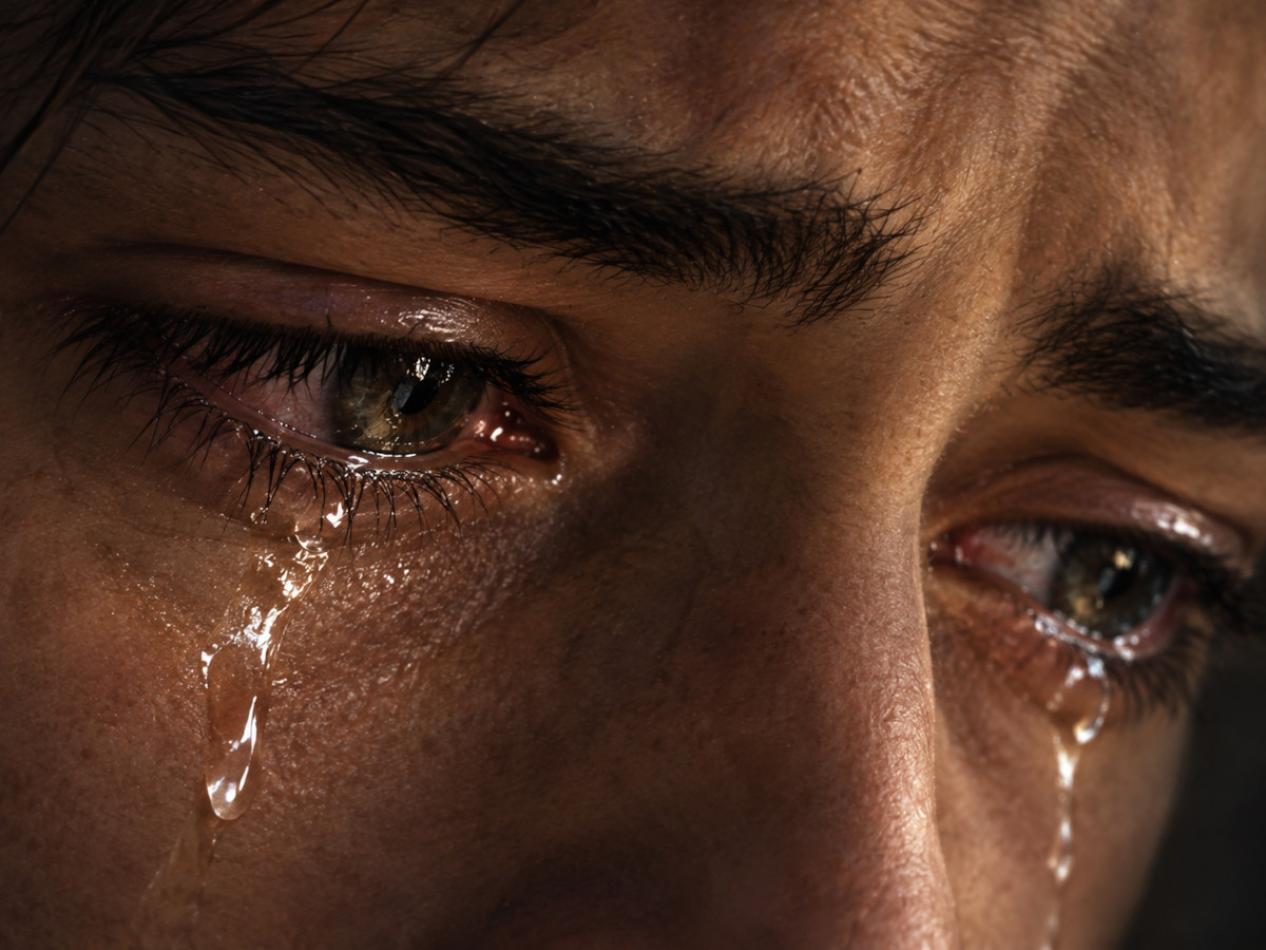
From this a question arises: “And we, do we weep? When do we shed our tears? For whom and for what do we weep?”
I found one possible answer by remembering something that happened a few years ago.
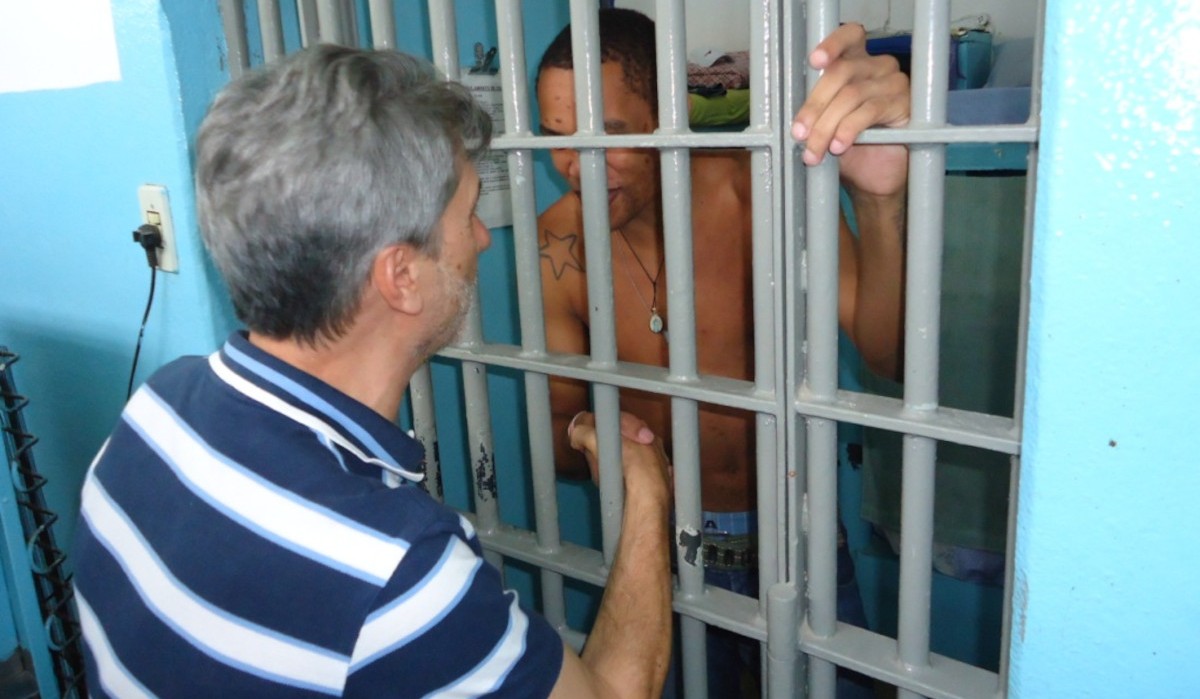
I was in Contagem, Brazil, and every week, together with the prison ministry team, I visited the Nelson Hungria penitentiary, a maximum-security prison with about 1,800 inmates.
The activities consisted mainly of visits, conversations, reflections, prayer, celebrations, attention to the status of the inmates’ legal cases and contacts with their families.
One day the reflection was on the theme of prayer. José Anísio, an inmate I often visited, gave me a definition of prayer that was as beautiful as it was powerful.
He said to me:
“For me, praying is weeping. When I think of God’s mercy and forgiveness, I weep. When I think of my crime, of the offence I committed, of the harm I did to several people, I weep.”
In those words there was a very deep prayer: sorrow for the wrong done, awareness of one’s own frailty and, at the same time, the desire to entrust oneself to God’s mercy.
Happy praying, and happy weeping.
Giorgio Padovan, MCCJ