Daniel Comboni
Comboni Missionaries
Institutional area
Other links
Newsletter
Fangak, South Sudan – Climate change is taking its toll on the mission and the school
Wednesday, November 25, 2026
The Comboni deacon Komakech James Kenyi documents the severe humanitarian and environmental crisis in Old Fangak, South Sudan, where flooding of the Nile and bombing have led to the displacement of around 89,000 people, forcing the mission to relocate to Paguir Island. The report highlights the collapse of educational and healthcare infrastructure, which has been partially mitigated by recent attempts to rebuild the embankments with the support of international partners.
The United Nations Climate Change Conference (COP31) concluded in Antalya, Türkiye, on November 20 without reaching a final climate agreement. Yet the devastating effects of human-induced climate change continue to affect millions of people worldwide, including vulnerable communities and missionaries in South Sudan.
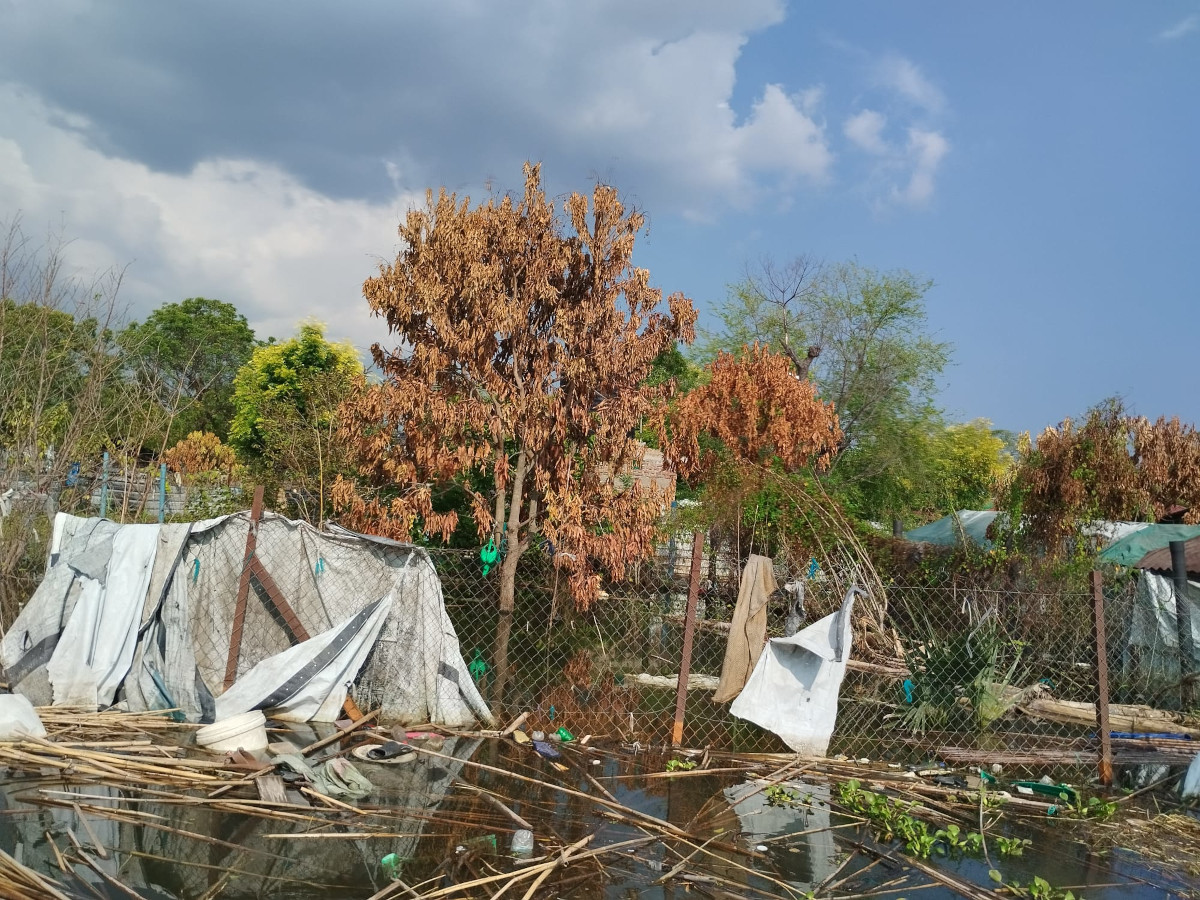
Fangak was once a beautiful, green land made up of numerous small islands, most of which were accessible on foot. It was rich in wildlife, including giraffes, crocodiles, buffaloes, hippos, fish, and many bird species. People lived across these islands, raising cattle, goats, and sheep and depending on the land and its natural resources for their livelihoods.
Today, however, climate change and severe flooding have transformed Greater Fangak into an environmental and humanitarian crisis. Animals have been displaced, homes destroyed, lives lost, and traditional means of transportation severely disrupted.
A crisis that has worsened over the years
The crisis began around 2019–2020, when unusually heavy rainfall and rising water levels in the White Nile and its tributaries caused widespread flooding of homes, farms, and grazing lands.
By 2021–2022, the flooding had become increasingly severe, particularly between May and September. Thousands of people were displaced across Fangak, Ayod, Bor, Pigi, and in parts of Unity State, including Bentiu. In response, local communities, with support from humanitarian organizations, began constructing temporary dykes to protect their homes and settlements.
In July and August 2024, Fangak experienced another dramatic rise in water levels, linked to increased water inflows across the wider Nile Basin. Floodwaters rose almost daily, submerged villages, and forced many residents, including Christian communities, to seek refuge behind the protective dykes of Old Fangakisland and other settlements.
In May 2025, another tragedy struck when government forces bombed Old Fangak, where thousands of displaced and vulnerable people sought refuge. The attack destroyed the Médecins Sans Frontières (MSF) hospital, parts of the market and some areas surrounding Holy Trinity Catholic Parish.
Meanwhile, local young people worked tirelessly, often through the night, to repair damaged dykes and protect their communities from rising waters. However, the insecurity and fear caused by the bombing forced many families and young people to flee, weakening the community’s capacity to maintain these protective structures.
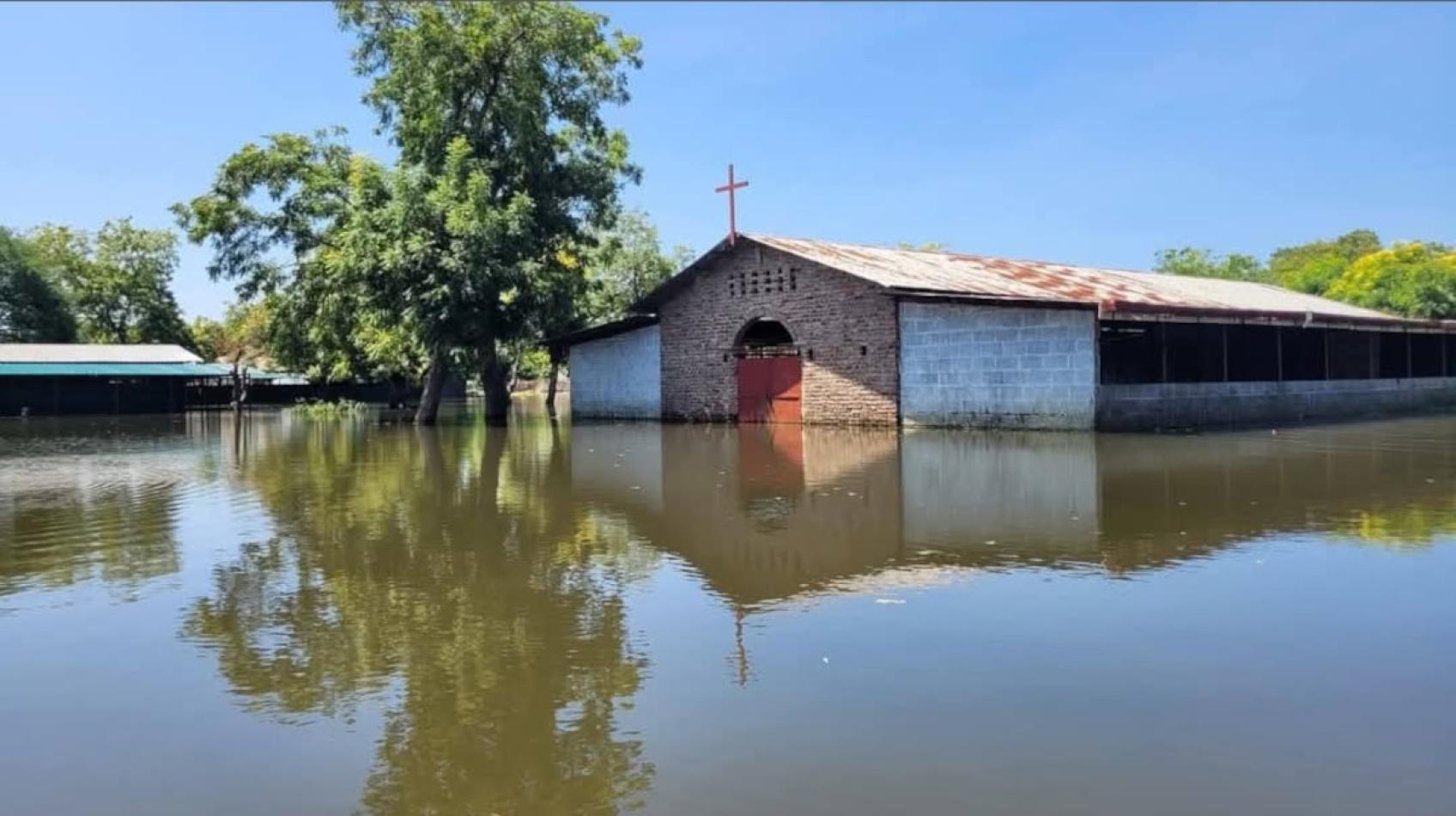
The situation reached a catastrophic level during the night of August 30–31, 2025, when the western dyke protecting Old Fangak broke and floodwaters inundated the entire town. The disaster displaced an estimated 89,000 people across the county and submerged approximately 850 square kilometres of land.
An ecological catastrophe affecting everyone
The effects of this ecological catastrophe have touched every aspect of daily life, including the lives and ministry of missionaries.
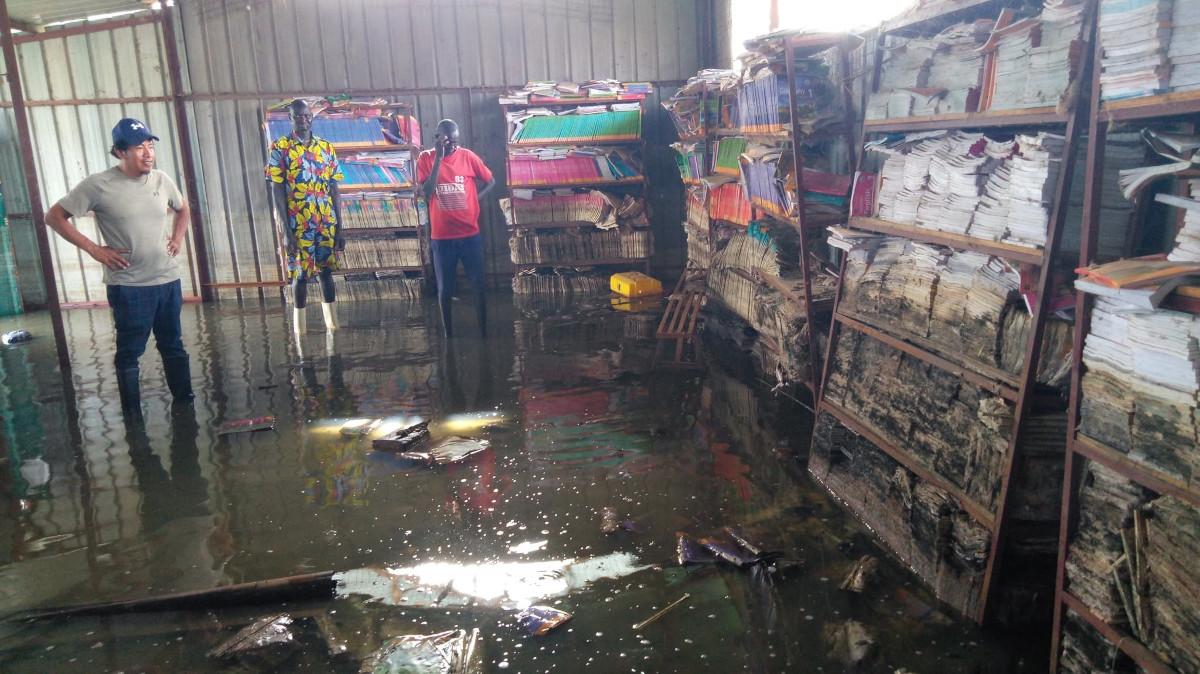
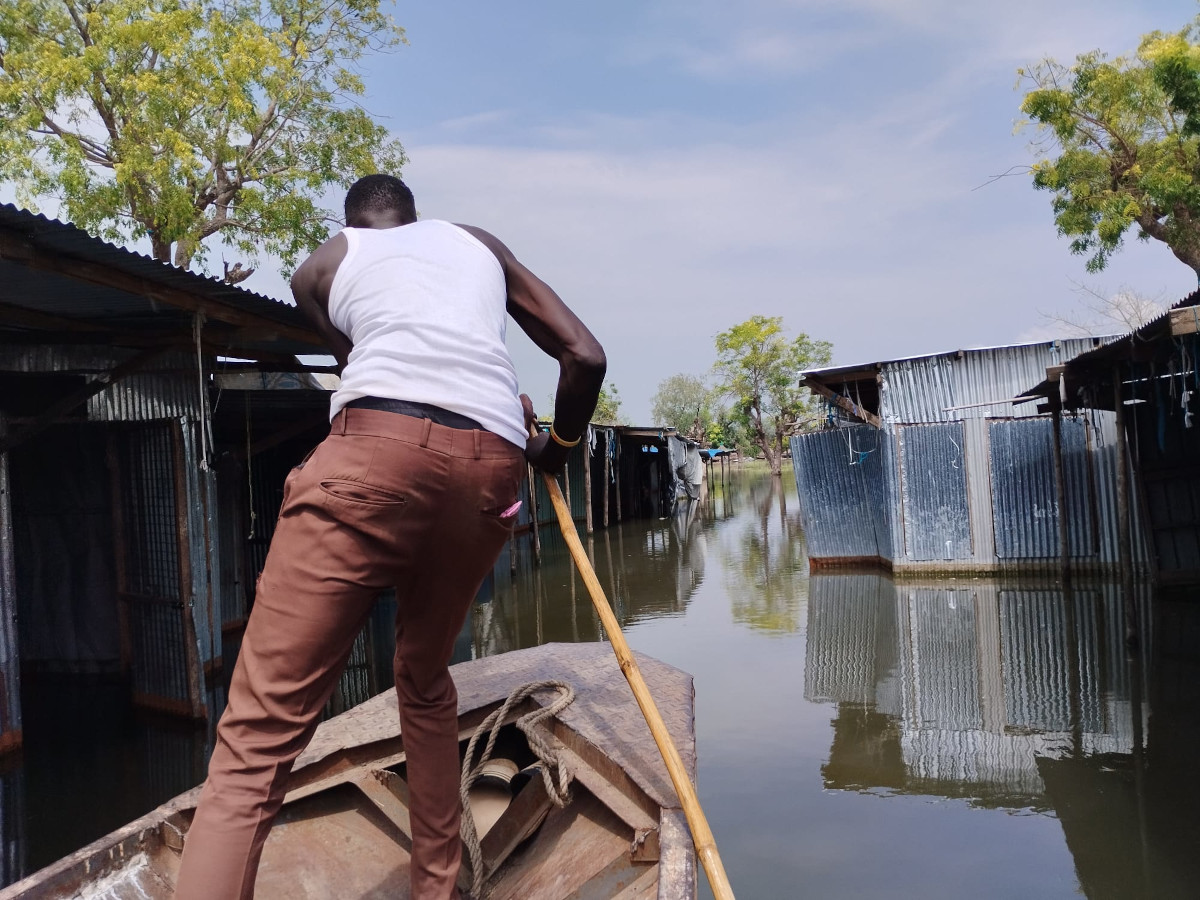
Boreholes have been contaminated, trees dried up, cattle and other animals died, homes were swept away, and essential social services have been destroyed. The parish church, market, priests’ residences, and religious sisters’ houses were flooded. Comboni secondary and primary schools, which had offered hope and education to thousands of children, were submerged up to window level.
The floods forced the missionaries to relocate the mission’s headsquares from Old Fangak to Paguir Island, approximately 10 kilometres away. The journey takes about four hours by local canoe or 45 minutes by speedboat.
At Paguir, the Combonis established a new parish centre and reopened the secondary and primary schools that had been operating in Old Fangak, using temporary structures and materials.
Unfortunately, of the 2,000 students enrolled in Old Fangak, only about 300 are now attending classes. Conflict and climate-related issues have severely disrupted education. Many students have been displaced, books and learning materials lost, and families left without reliable sources of income or the resources needed to support education.
To visit the outstations, the missionaries rely on local canoes to travel along the Sudd, the world’s largest wetland, to reach the eight main pastoral centres, celebrate the Eucharist, administer the sacraments and visit the sick. The journeys are often difficult, lengthy, and uncertain.
Signs of hope amid suffering
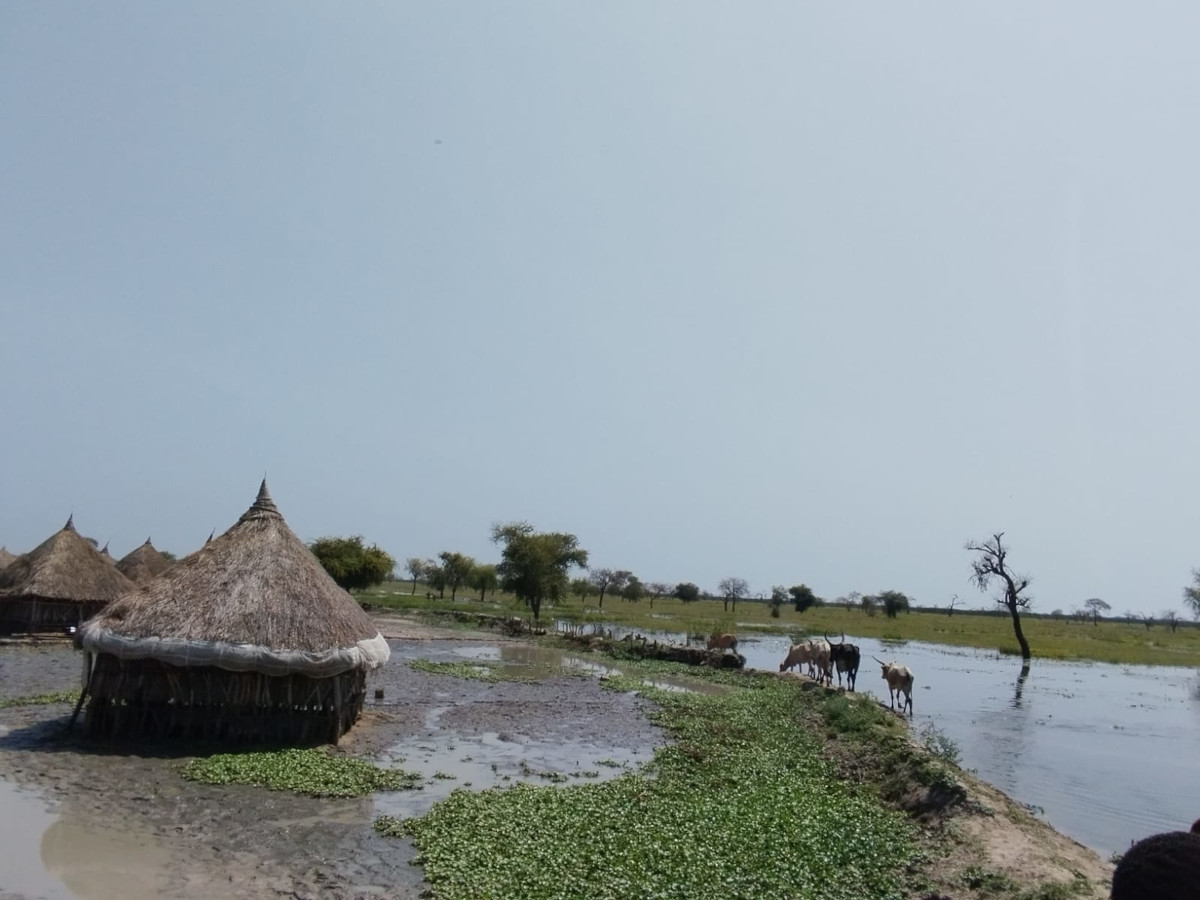
In June 2026, water levels receded somewhat, offering a gleam of hope. German donors, together with humanitarian partners, are supporting local communities in rebuilding protective dykes, restoring settlements, and reclaiming Old Fangak.
Nevertheless, returning home will not be easy. Many houses, schools, health facilities, water sources, and livelihoods have been destroyed. Rebuilding will require substantial resources, sustained support, and long-term commitment.
Despite these enormous challenges, the faith, courage and resilience of the people of Greater Fangak remain remarkable. Men, women, and children continue to demonstrate extraordinary strength and hope amid displacement, suffering, and uncertainty.
From my personal experience and engagement with the local communities, I have come to understand that climate-related disasters often begin gradually, with changes that may initially seem insignificant. When these warning signs are ignored by communities, governments, and international institutions, the consequences can become catastrophic within just a few years.
The experience of Greater Fangak is a painful reminder that climate change and environmental degradation are not distant threats. They are realities destroying lives, livelihoods, ecosystems, and entire communities who had nothing to do with the causes for extreme weather events.
This calls for urgent action by the Government of South Sudan, humanitarian organizations, environmental institutions, and the international community. Greater Fangak urgently needs sustainable flood protection, safe drinking water, restored schools and health facilities, and long-term environmental protection strategies.
The tragedy of Greater Fangak must serve as a wake-up call. If we fail to respond to the warning signs of environmental degradation today, we risk facing even greater humanitarian and ecological catastrophes tomorrow.
Deacon Komakech James Kenyi, MCCJ