Daniel Comboni
Comboni Missionaries
Institutional area
Other links
Newsletter
Erection of the New Diocese of Caia and Installation of Bishop António Constantino
Saturday, February 28, 2026
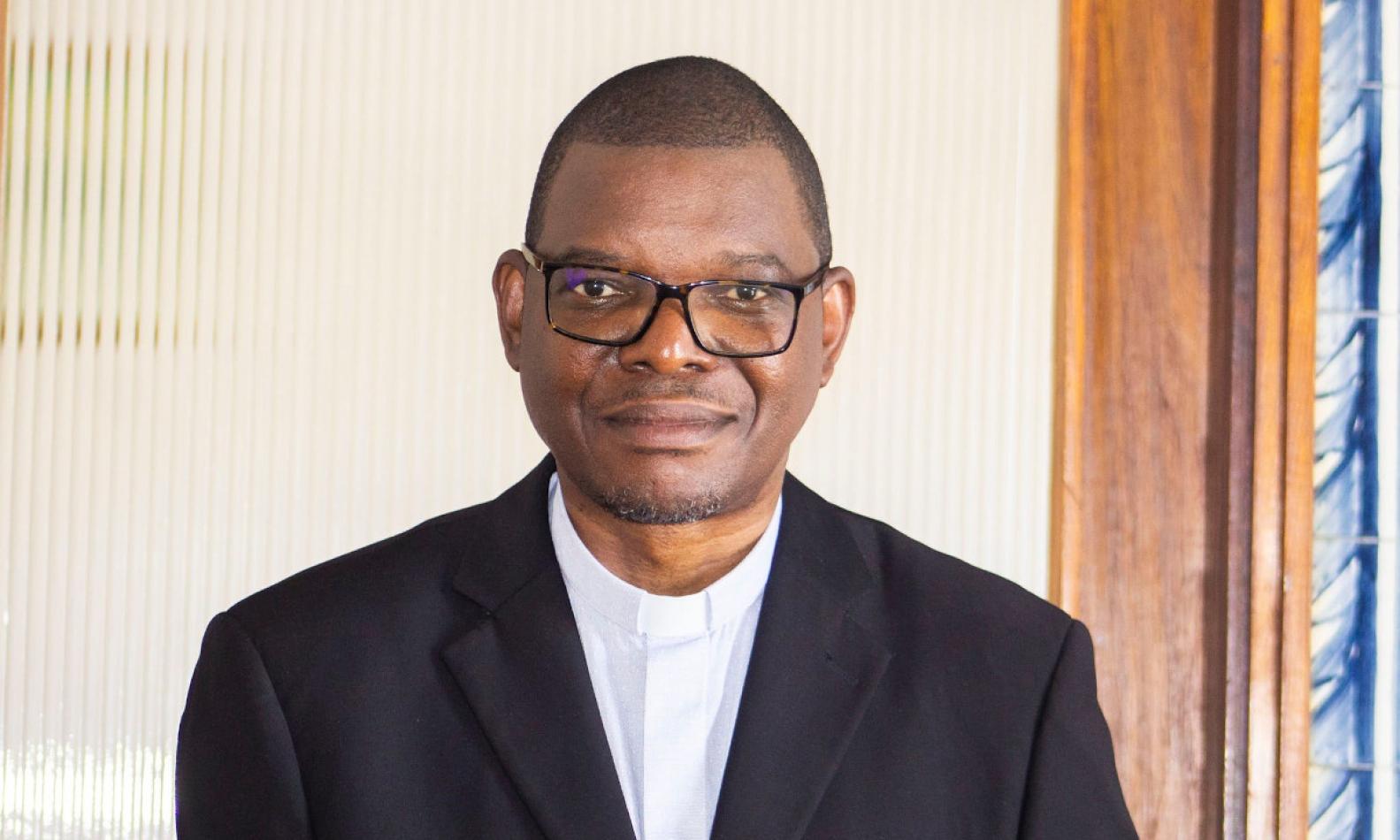
On 25th February, Caia (Sofala Province – central Mozambique) experienced a historic moment with the Mass marking the erection of the new diocese and the installation of its first bishop, Bishop António Manuel Bogaio Constantino. The event took place at the parish church dedicated to Saint Matthew the Apostle, now elevated to cathedral status.
Archbishop Cláudio Dalla Zuanna of Beira opened the celebration with a brief account of the history of evangelisation in the Zambezi Valley. Subsequently, the Apostolic Nuncio, Bishop Luís Miguel Muñoz Cárdaba, invited his secretary to read the papal bull establishing the new diocese of Caia, issued by Pope Leo XIV. This was followed by the reading of the decree appointing Bishop António Manuel Bogaio Constantino as the first bishop.
The prelate then took possession of the cathedra and was greeted by the clergy, religious men and women serving in the newly established diocese, as well as by a representative group of the faithful.
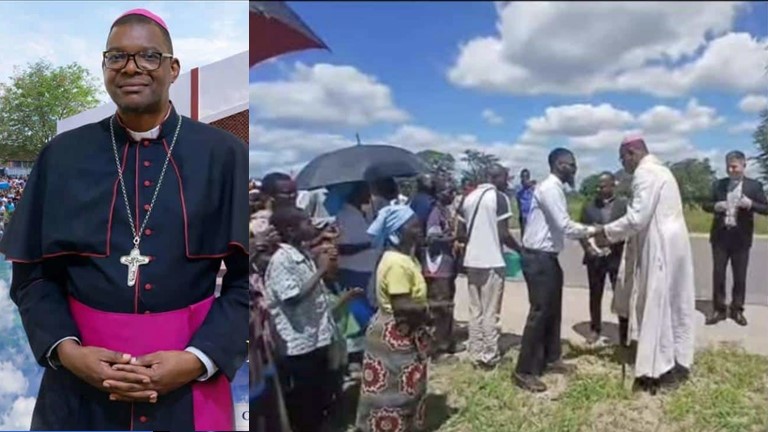
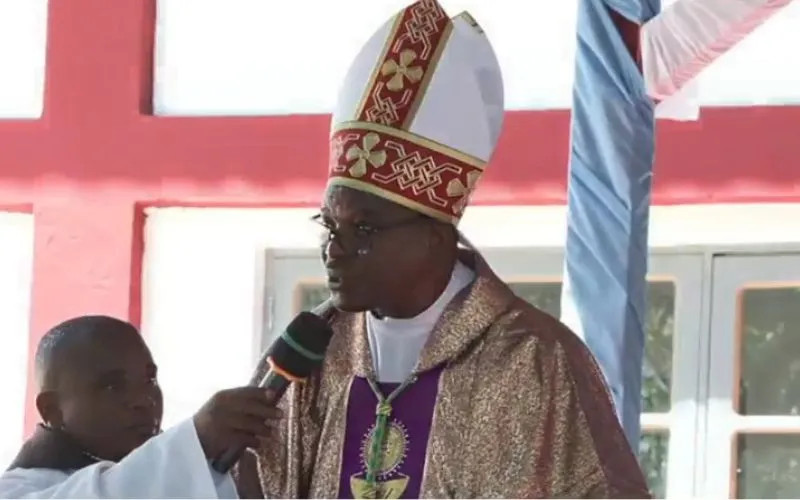
During his homily, Bishop Bogaio emphasised the importance of working together: “Tinaphata basa pabodzi” (‘We will work together’), he said in Xisena, the local language. He added: “Before projects, God asks us for conversion; before pastoral plans, he asks us for holiness; before strategies, he asks us for unity.” He further stressed that the diocese would be strong if there is unity in faith, mission, and charity.
Like a good shepherd, Bishop Bogaio expressed his desire to know his new diocese intimately: “I want to listen to the priests, support the catechists, engage with young people, console those who suffer, and walk alongside families.” Inspired by Saint Daniel Comboni, he declared: “I share a common cause with this people entrusted to me. Ndabwera kakhala pakati pano (‘I have come to be among you’).”
In his closing words, he acknowledged the legacy of the early missionaries and shared his vision of a Church incarnated in the reality of the people, attentive to their sufferings and aspirations for development. He proposed a new administrative structure to promote decentralisation for the common good: “When decisions are closer to the people, social justice becomes more tangible, services become more accessible, and hope becomes more visible.”
The event was attended by ecclesiastical and political authorities, clergy, and faithful from the various parishes of Caia and Beira. Until his appointment, Bishop Constantino had served as auxiliary bishop of the archdiocese of Beira. The new diocese of Caia comprises the districts of Caia, Chemba, Cheringoma, Chinde, Doa, Luabo, Maringue, Marromeu, Mopeia, Morrumbala, Mutarara, and Tambara.
(Father Sérgio M. Vilanculo, MCCJ)