
Daniel Comboni
Comboni Missionaries
Institutional area
Other links
Newsletter
Limone Symposium 2026: “How Can We Be Christians in Europe Today?”
Wednesday, June 10, 2026
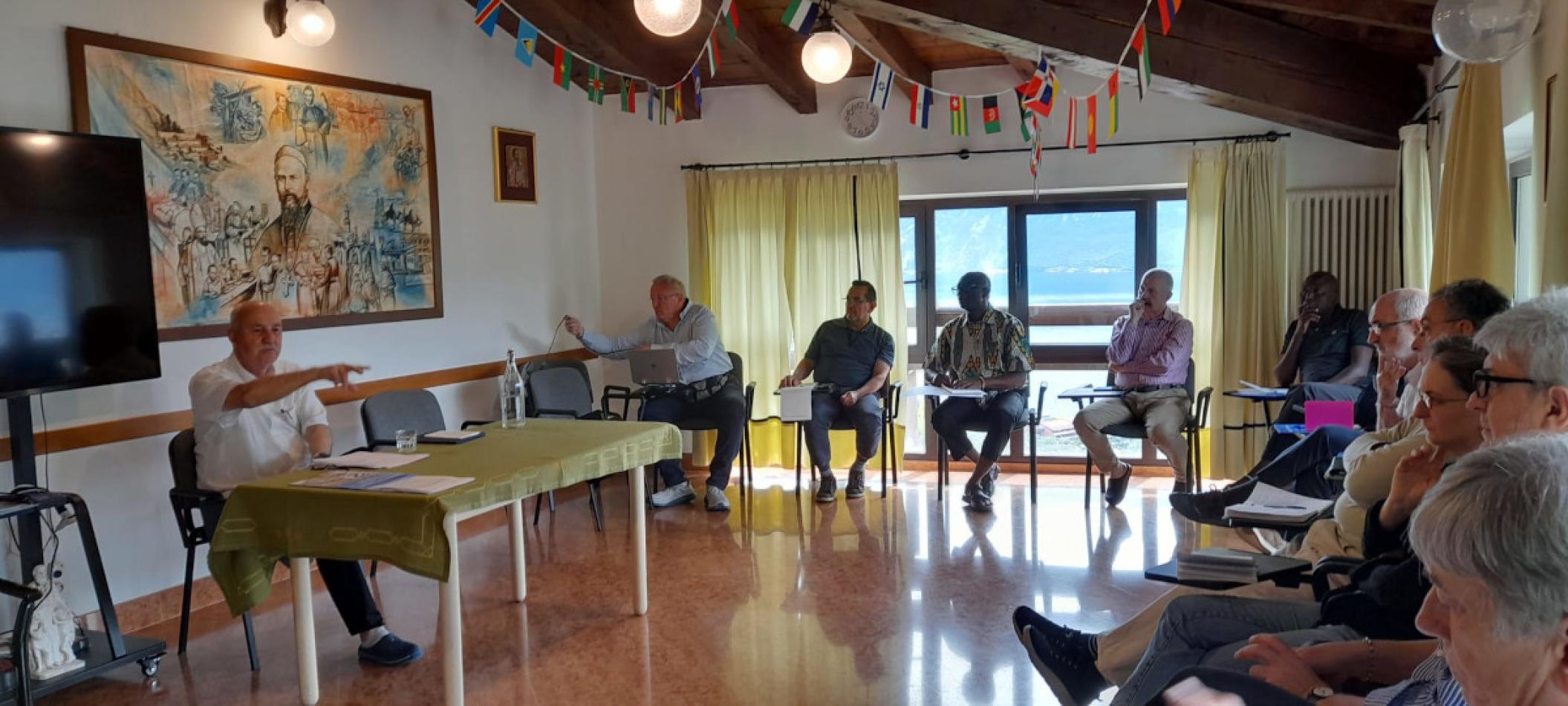
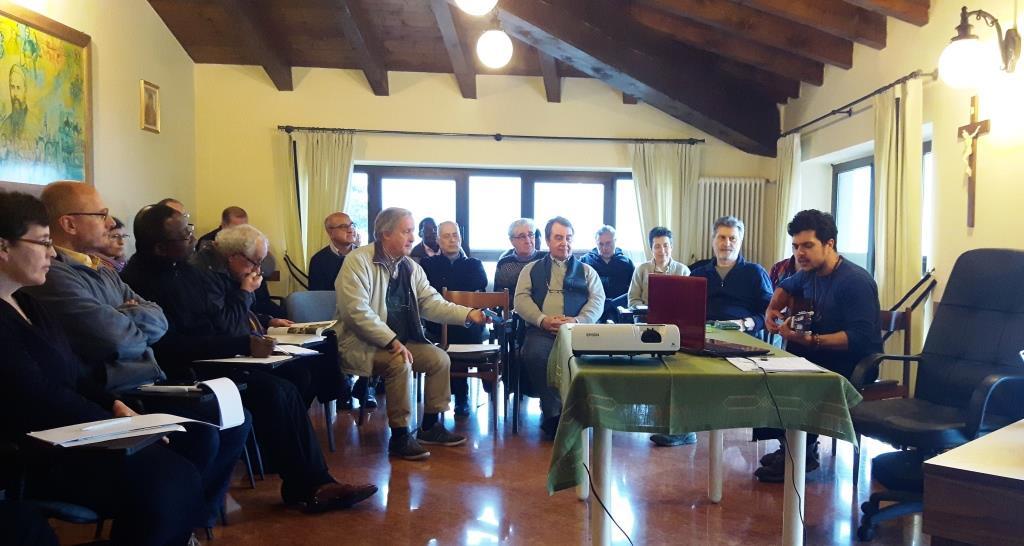
Every two years, the Comboni Missionaries in Europe organise the Limone Symposium, named after the birthplace of the Founder, Saint Daniele Comboni. It is a time for reflection on the fundamental issues that shape our presence and mission in Europe. This year, around twenty members from the various branches of the Comboni Family gathered in Limone sul Garda from 1st to 5th June. [In the picture: Wolfgang Palaver]
The theme that resonated throughout the days of discussion can be summed up in a central question: How can we be Christians in Europe today? This question arises from a specific context: a continent experiencing a profound crisis of meaning, democratic participation and cultural identity, while, at the same time, being a place where millions of migrants – often young people – are seeking a future and a new home.
The invited speakers approached this question from four complementary perspectives:
- the psychological and anthropological dimensions of welcoming unaccompanied foreign minors (Virginia De Micco);
- the political and civic dimensions of the crisis of democracy and the role of Christian NGOs (Mario Mancini);
- the theological and pastoral dimensions of the social engagement of Christian communities in Europe (Giorgio Bozza);
- the theological and missiological dimensions of the very meaning of being Church in the “afternoon of Christianity” (Wolfgang Palaver).
Among the key themes that emerged across the different presentations and discussions were: the need for a reflective faith capable of taking roots in social engagement; the centrality of dialogue – interreligious, intercultural, and between believers and non-believers; the challenge of authentic participation, which requires a genuine sharing of power; and the urgent need to support young people, migrants and those seeking guidance, without seeking to convert or solve their problems, but by walking alongside them.
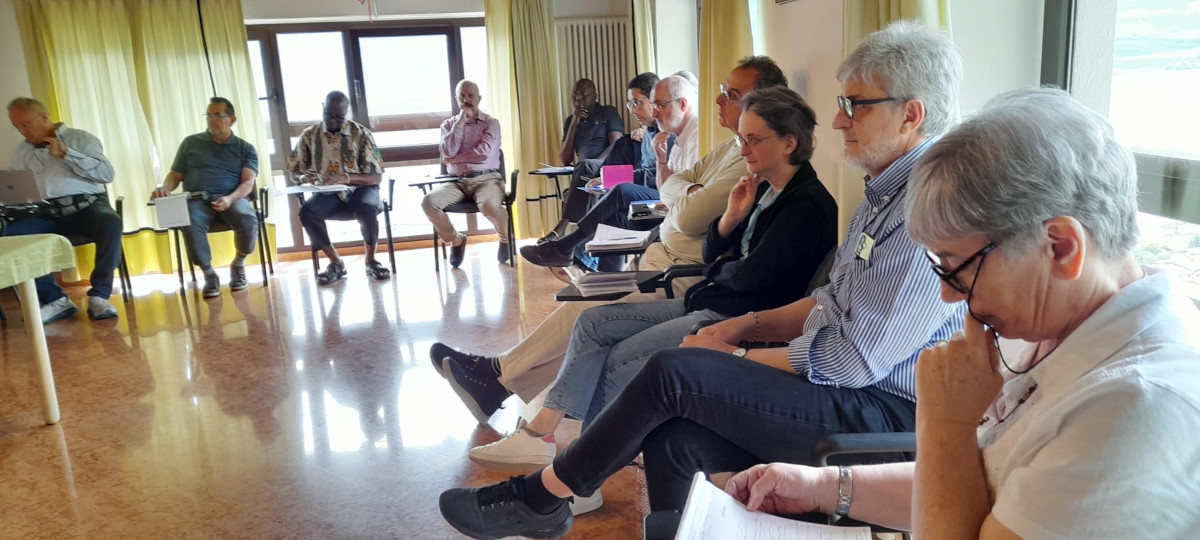
The discussions and group work led to several important insights and a number of practical directions for the future. We realised that, as missionaries, we still possess the freedom and credibility needed to propose new paths to the local Churches in Europe. We can build on our missionary experience and on our presence among and alongside migrants.
At the same time, we recognise our own need to devote more time to listening in order to improve the forms of welcome and accompaniment we offer.
It is therefore important to create spaces for reflection and dialogue where the issues that have emerged can be explored more deeply, new theological perspectives developed, and pastoral methodologies renewed. Our work should increasingly incorporate the perspectives of those who are searching for meaning, for a new homeland, and for new ways of building society.