
Daniel Comboni
Comboni Missionaries
Institutional area
Other links
Newsletter
South Africa: The anti-immigrant protest does not stop


Tuesday, July 7, 2026
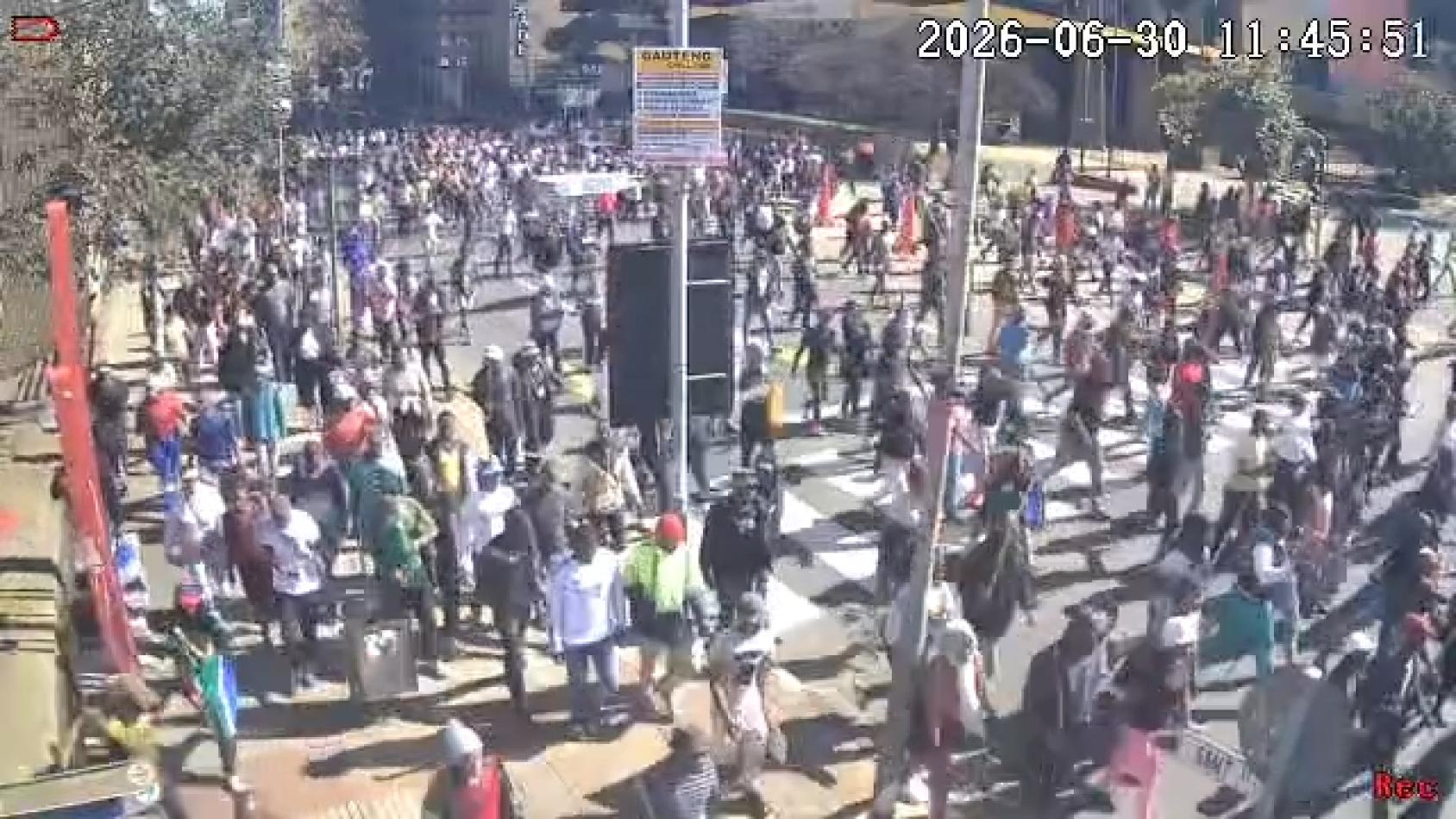
On June 30, the day of the anti-immigrant demonstrations organized by the March and March movement and Operation Dudula, passed without serious violent incidents. This was thanks above all to the massive presence of police and the army in the cities where the protests took place.
However, fear remains, particularly in the urban neighbourhoods where communities of immigrants from various African and Asian countries live. There is no shortage of reports of sporadic episodes of intimidation and vandalism against immigrants’ homes registered after June 30. Meanwhile, in silence, the exodus of foreigners continues, adding to the at least 15,000 immigrants who have already returned to their countries of origin.
The March and March and Dudula movements, repeatedly accused of acts of aggression and even the killing of immigrants, as well as the looting of shops and businesses particularly in townships owned by foreigners, have declared that they will continue to protest until the government takes concrete measures to stop irregular immigration and expel from the country those who do not have proper documentation. According to members of these xenophobic movements, foreigners are guilty of stealing jobs from locals and spreading drugs and crime.
There is not only fear in the air, but also a lot of anger. The anger of many South Africans, young and old, who are unemployed and see no possibility of finding work even in the future. This is anger fuelled by corruption and the government’s poor delivery of services regarding electricity, water, housing, healthcare, and education. These are feelings of deep frustration that the xenophobic movements have been able to harness and redirect against immigrants, who have become the scapegoats for the country’s social and economic crisis. Behind the March and March revolt, there are also political interests of parties such as uMkhonto we Sizwe (MK Party)—founded by former President Jacob Zuma — who hope to expand their electoral base in the municipal elections scheduled for November 4 by playing the anti-immigration card.
What the members of this xenophobic mobilization do not see, or do not want to see, is that many foreign citizens in the country without documents have not broken the law; they have simply resigned themselves to living without legal status after trying in vain to regularize their situation. Every time, their application for a residence permit was rejected or ignored by the competent offices of the South African state. They are not criminals; on the contrary, they contribute to the country's economy with their work. They are, instead, victims of an inefficient and corrupt bureaucratic system.
Efrem Tresoldi, MCCJ in Johannesburg