
Daniel Comboni
Comboni Missionaries
Institutional area
Other links
Newsletter
Christianity grows through hospitality
Thursday, 9 July 2026
The Diocese of Bentiu, in South Sudan, celebrates its second anniversary. Bishop Christian Carlassare offers a reflection in the form of a report in a Thomas mode on two years of intense activity.
On 3 July last, we celebrated the second anniversary of the erection of the Diocese of Bentiu. Two years are truly very few for a diocese taking its first steps. We saw ourselves reflected in Saint Thomas, the apostle who cannot believe without seeing and touching with his own hands the wounds of the Risen Lord.
Deep down, we understand Thomas well. We too, in the face of difficulties, would like to have tangible proof that the Lord is truly at work. We would like to see the fruits of our labour more clearly and feel that good is growing faster than evil. Yet the Gospel reminds us that the Risen Lord continues to show his wounds: new life does not erase the scars of the past, but transforms them into places where God continues to love the world.
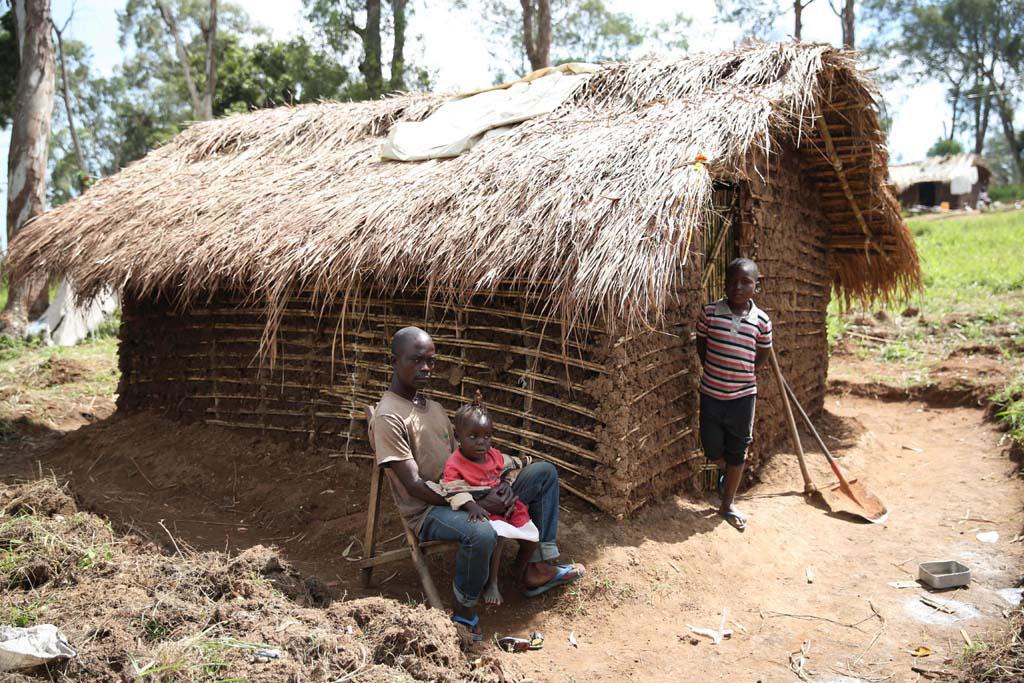
Our young diocese also bears its wounds. It is growing day by day and there are encouraging signs, but much remains unfinished. We are particularly concerned about the situation in the country. Poverty continues to deeply mark people's lives, and in recent months crime has also increased: we, in particular, are experiencing repeated house burglaries at night, as well as some muggings on the roads and at the market. When a population suffers and feels unheard, trust risks giving way to despair.
As a diocese, we are experiencing our own limitations. The needs are immense and we realise that we cannot respond adequately. Indeed, we ourselves are in need of the solidarity, participation, and closeness of so many people who share this mission. This is precisely how the Church grows: not through the strength of a few, but through the shared responsibility of all.
Among the signs of hope is the project for the Saint Martin de Porres primary school. Construction is progressing well, even though we are still only at the foundations stage. Lessons continue in temporary structures with around 600 pupils. This is possible thanks to the dedication of the teachers and the valuable service of Sister Anna Marie Reha, of the School Sisters of Notre Dame. We are also continuing to plan the construction of new blocks of four classrooms in the larger parishes, where the need for education is particularly urgent. To educate means to liberate from the ignorance that perpetuates injustice and poverty, and to provide the tools to build a dignified future.
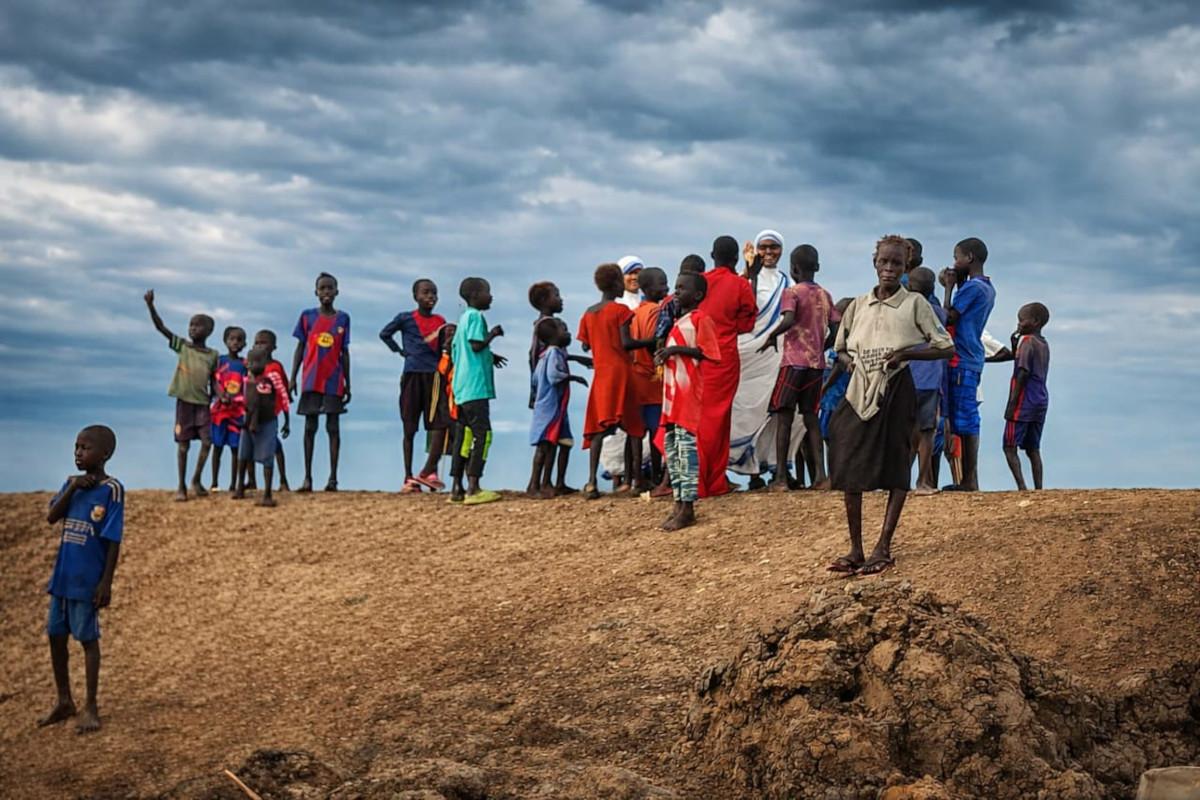
Brother Hans Eigner continues his work with great competence. He has built a good storeroom for building materials and a carpentry and mechanics workshop that allow us to prepare many of the structures needed for our building sites. Over the last month, he has also overseen the construction of a sports centre for young people. In addition to football, basketball, and volleyball pitches, the centre will include meeting rooms, changing rooms, and facilities. It will be a place where young people can meet, grow, and experience positive relationships.
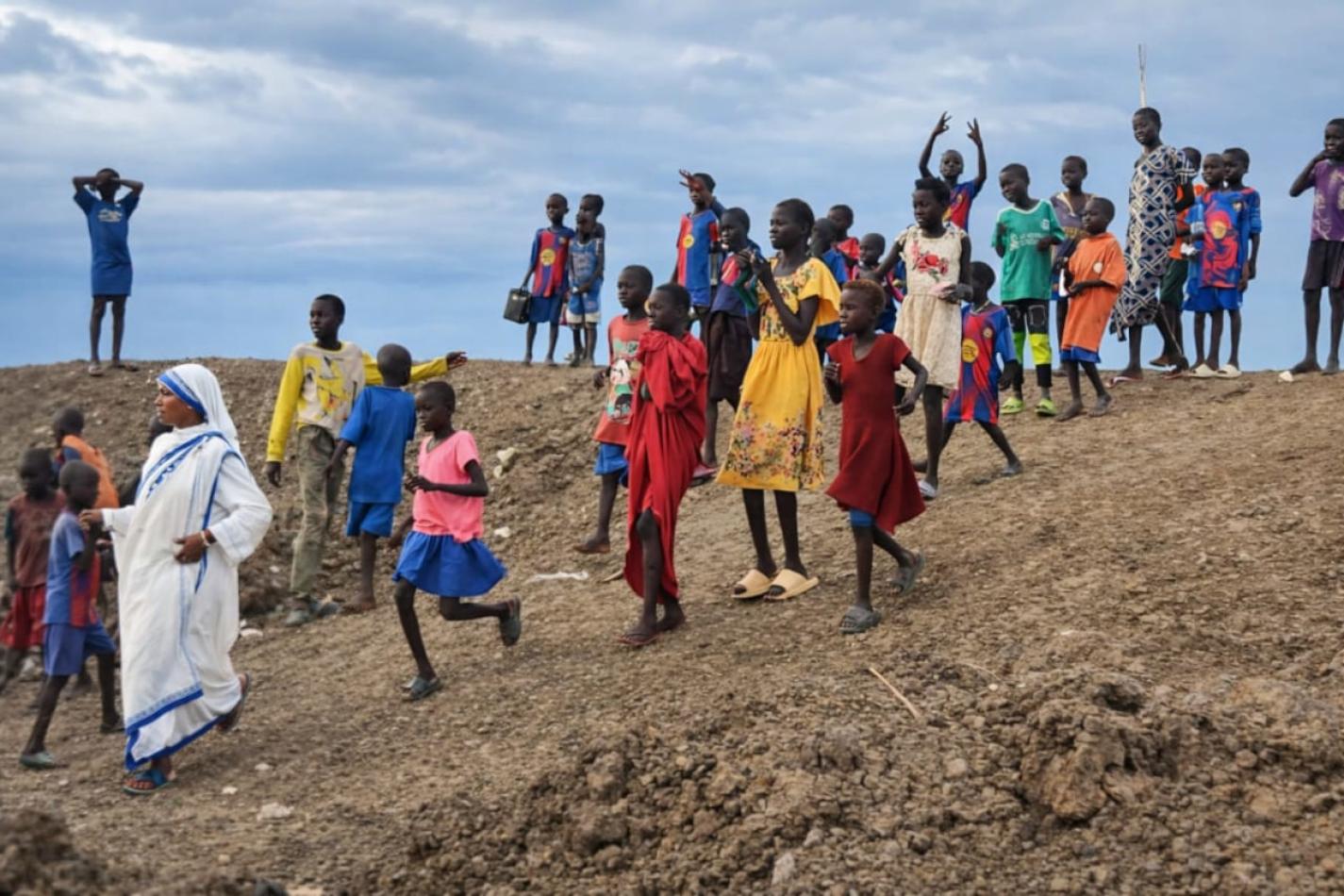
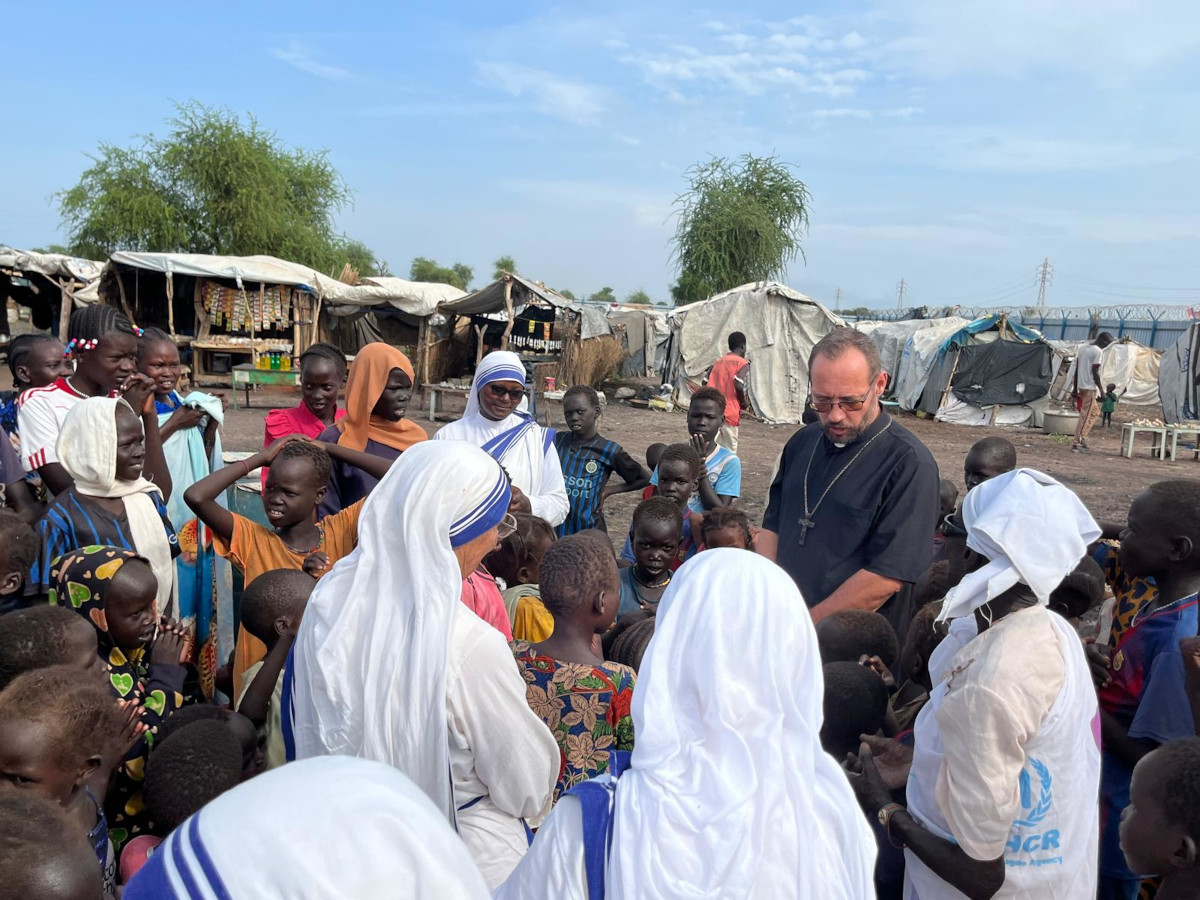
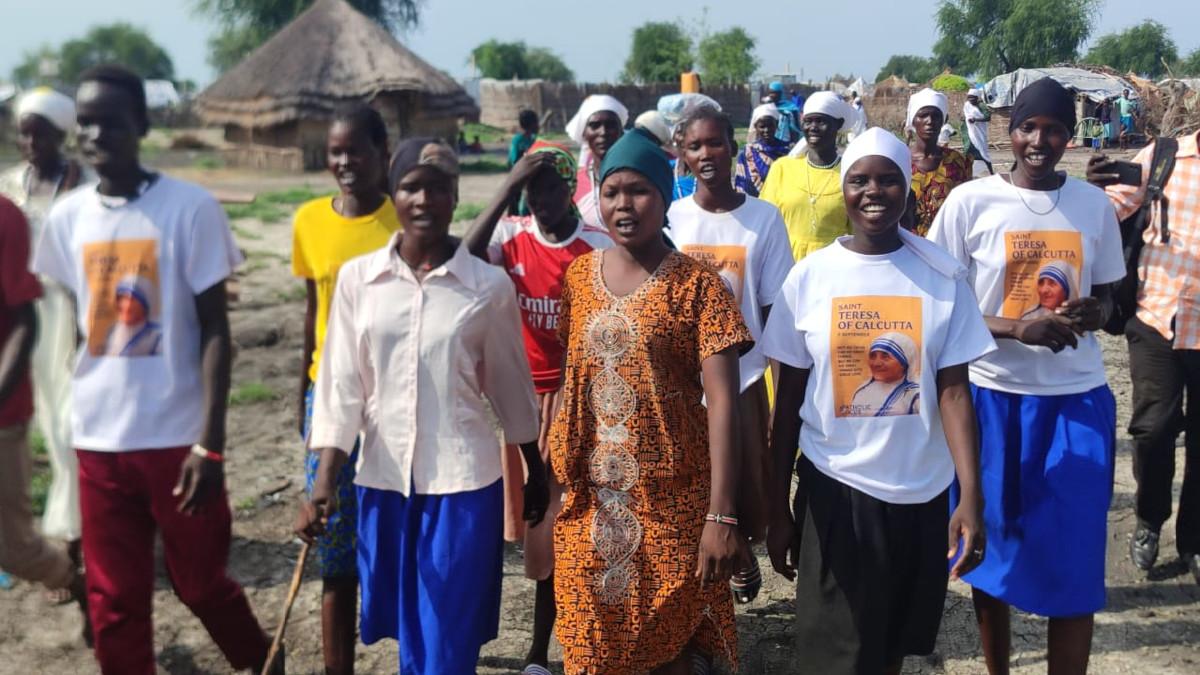
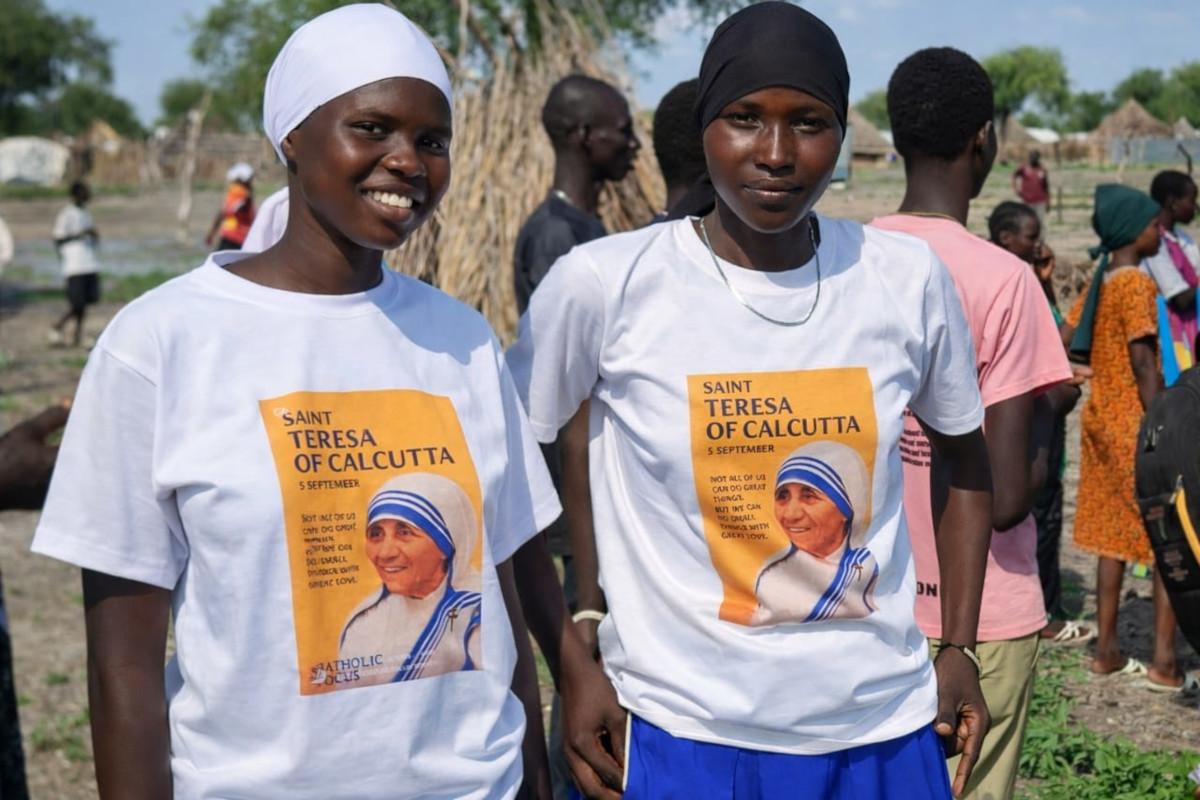
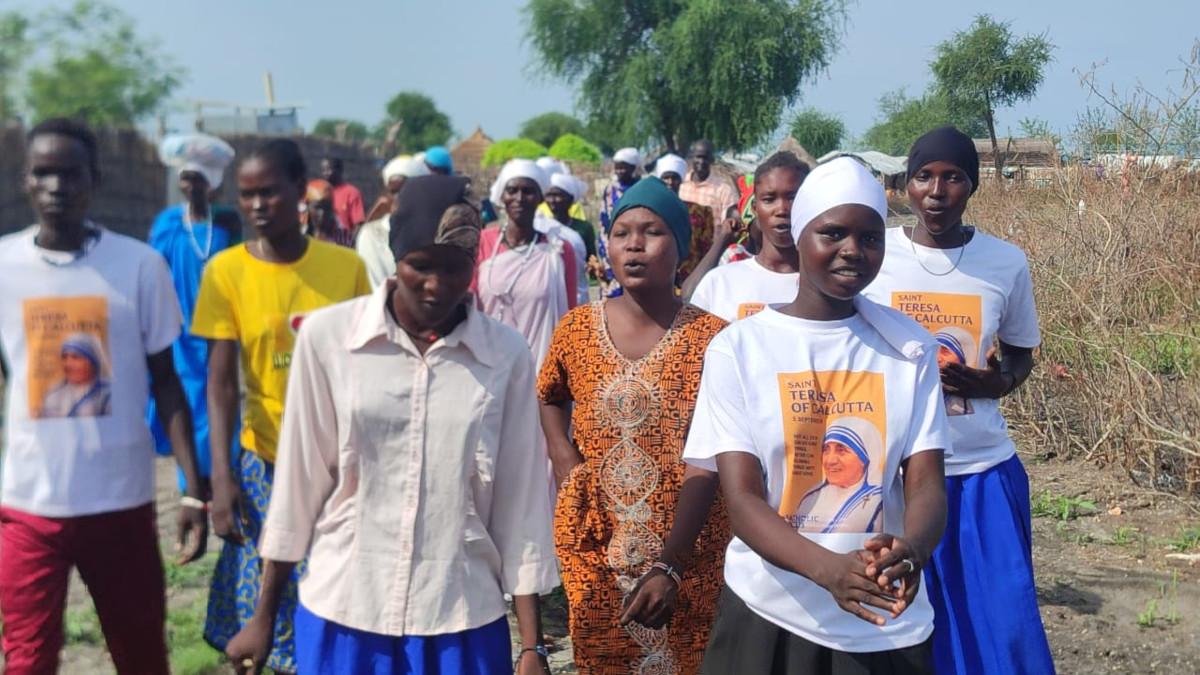
At the same time, Brother Hans is overseeing the construction of the house for the Missionaries of Charity of Mother Teresa, who will soon be settling in Rubkona. Many street children live here, marked by situations of extreme poverty and degradation. The project involves a reception centre to take them off the streets and accompany them on a journey of rehabilitation and hope.
The Capuchin Friars continue their valuable service in the camp for displaced people, while consolidating the life of the Rubkona parish, dedicated to Our Lady of the Rosary. They have also set up a small workshop for the production of the hosts needed for the diocese. The project involves a group of women living in the camp. It is a simple initiative, but one capable of promoting dignity and participation in the life of the community.
Together with the women, we also wish to set up a bakery to produce bread and other foodstuffs. This is intended to be a project that creates employment while meeting the needs of the local community. The bakery products can be sold or used to benefit those who participate in the diocese’s activities. The bakery could also have a small adjoining café.
Construction of the church of Saint Michael in Panriang is also progressing. I would like to thank all those who have supported the wells project. A company is drilling fourteen new wells in various locations across the diocese, finally allowing many families access to drinking water. It is not hard to understand that water is life: it not only quenches thirst, but builds social stability and safeguards health.
The agricultural projects, on the other hand, are struggling to take off. This is not so much due to a lack of funds, but rather a shortage of labour and a context that makes it difficult to look to the future with confidence. Yet we do not want to be discouraged. I continue to believe that the land, if tended with patience and respect, never fails. This too is an act of faith and care for creation in a context where the environment is degraded.
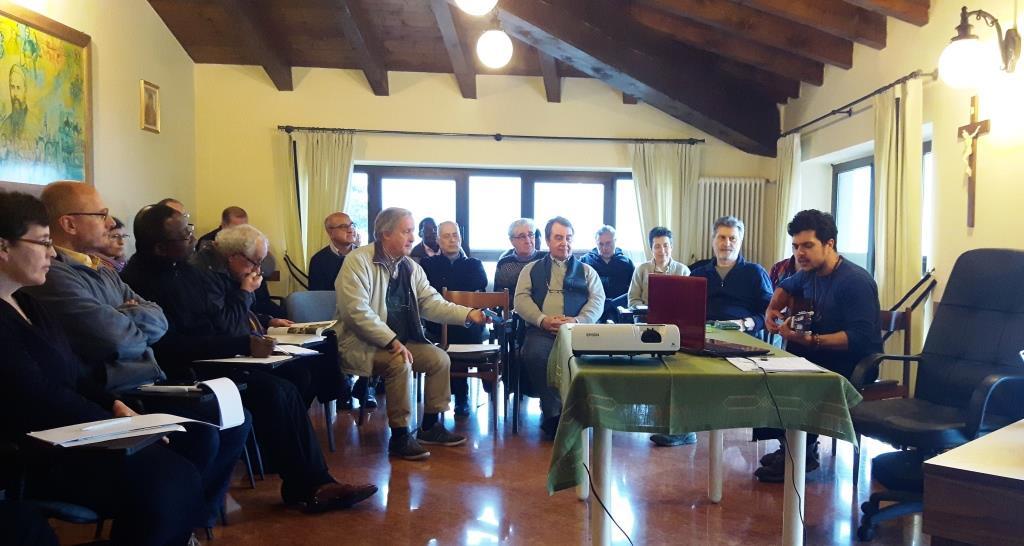
Our pastoral commitment also continues. We are continuing training meetings for pastoral workers, with particular attention to young people. We have promoted Justice and Peace workshops to train workers capable of listening, reconciliation, and peace-building in the various parishes. We have also completed a five-session course dedicated to the Compassionate Care groups, focused on the five senses as pathways to learn how to truly encounter the other, especially the most vulnerable. This is an initiative of the diocese’s Health Office, coordinated by Francesca Montalbetti, which, in addition to awareness-raising activities, is promoting a genuine culture of care for the sick and the most vulnerable.
Over these years, I am learning a precious lesson. The most resilient societies are not necessarily the richest, but those that have managed to safeguard solidarity, mutual trust, and care for the weakest. Selfishness, on the other hand, impoverishes everyone, even those who possess much, because it divides communities and extinguishes hope.
Perhaps this is precisely how we can touch the Risen Lord today, just as Thomas did: by recognising him in the hands of those who build a school, those who dig a well, those who teach a child, those who care for the sick, those who reach out to a young person, or those who welcome a street child. The Resurrection continues to become flesh every time someone reaches out a hand to their brother and sister. We do not need more things, but more fraternity.
We are thus reminded of the words of the theologian Christoph Theobald: Christianity grows through hospitality. It is a very beautiful image. The Church is built not primarily through great resources, but with hearts capable of making space for the other. And that is what, with all our limitations, we are trying to live out here in Bentiu.
I thank you from the heart because you too have made this journey your own. With your friendship, prayers, and concrete support, you help us to see, together with Thomas, that the Lord truly continues to say to his Church: “Peace be with you” (Jn 20:19). And it is this peace, stronger than our fears, that allows us to look to the future with confidence and to continue on our way, certain that good, even when it grows slowly, never ceases to bear fruit.
✠ Christian Carlassare, mccj
Bishop of Bentiu (South Sudan)
Bentiu, 7 July 2026