
Daniel Comboni
Comboni Missionaries
Institutional area
Other links
Newsletter
Brazil: Missionary appointed chaplain of the Church of Our Lady of the Rosary of the Black People
Friday, July 17, 2026
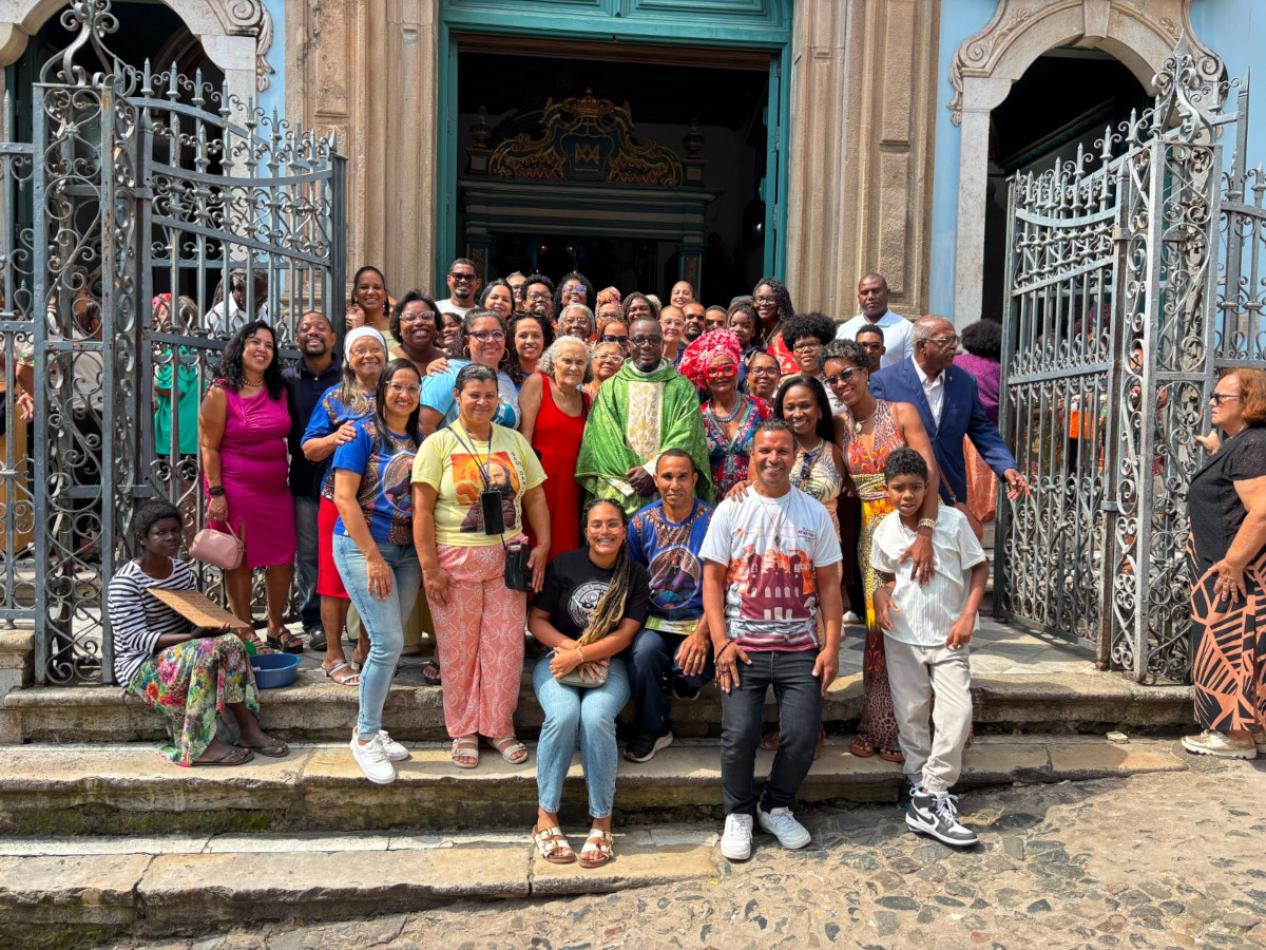
On Sunday, July 12, 2026, Togolese Comboni missionary Fr Mossi Kuami Anoumou took up the role of chaplain of the Church of Our Lady of the Rosary of the Black People, located in the historic centre of Salvador, the capital of the state of Bahia.
The Brotherhood of Our Lady of the Rosary of the Black Men, founded in 1685 and made up mainly of enslaved Africans, became part of the Third Order of St Francis in 1714. However, its members did not have their own place of worship. Eventually, they obtained a plot of land in the historic Pelourinho district on which to build a church. The construction was completed only in 1823, and the church was named the Church of Our Lady of the Rosary of the Black People. Since then, this sacred building has become one of the symbolic places representing the presence and memory of Afro-Brazilian people.
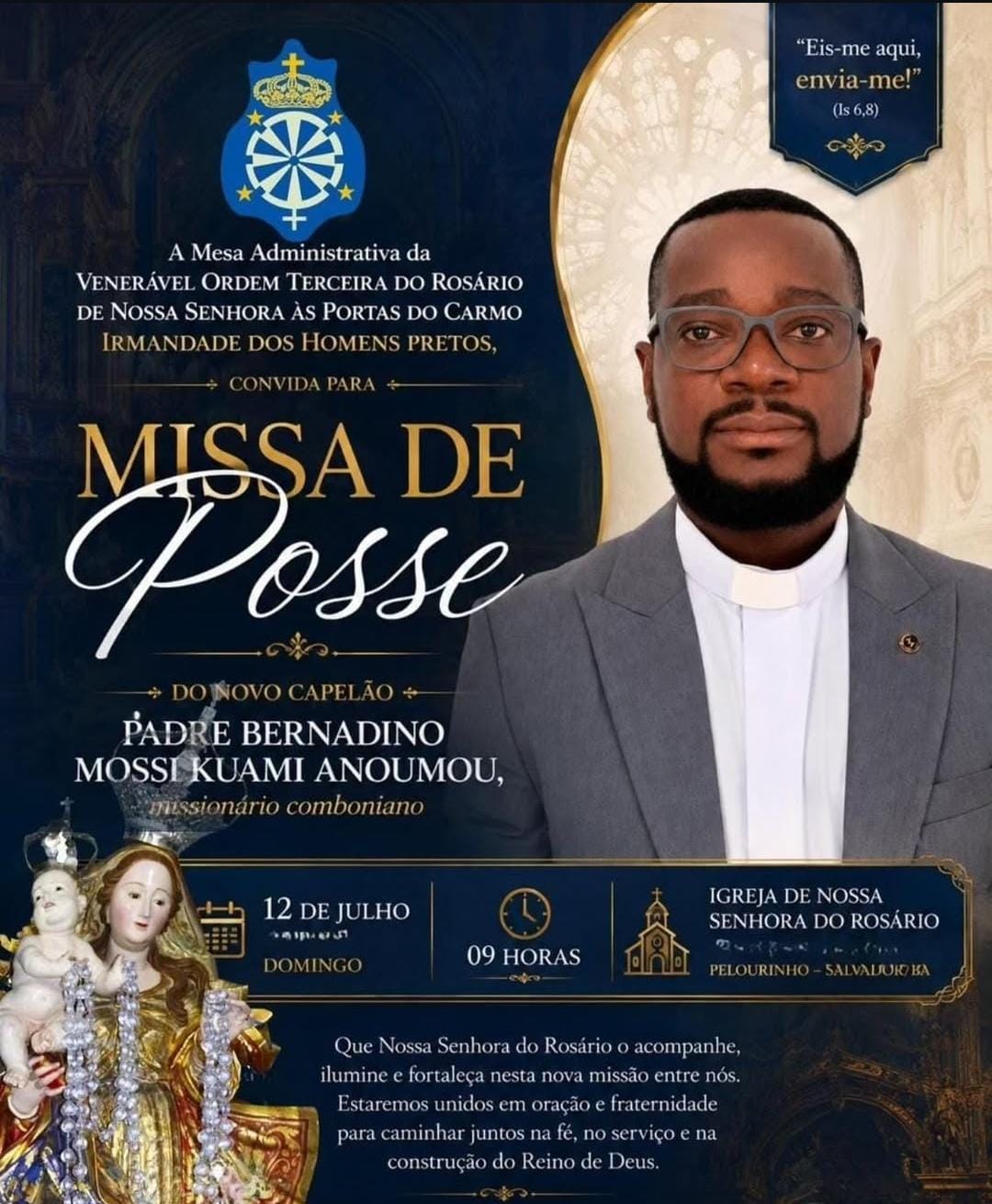
Ever since its foundation, the church has preserved the history, faith, traditions and cultural heritage of the Afro-Brazilian population.
Among the features that make it unique is the encounter between Catholic liturgy and certain expressions of Afro-Brazilian culture, manifested, among other things, through dance and the sound of the atabaque (a percussion instrument), in an atmosphere of deep communal participation.
Fr Mossi is responsible for Comboni Afro ministry in Brazil. For the Comboni Missionaries, being entrusted with the chaplaincy represents a further strengthening of the commitment of the Brazilian Province in favour of Afro-descendant communities – a service begun in Salvador more than forty years ago.
This commitment is a significant expression of the trust placed by the Archdiocese of Salvador in the missionary work carried out by the Comboni Missionaries.
Among Fr Mossi’s responsibilities are the celebration of the Eucharist in honour of the Blessed Virgin Mary of the Rosary and the other saints venerated by the brotherhood, the direction of spiritual retreats, the administration of the sacrament of reconciliation, and the promotion of catechesis. He is also entrusted with safeguarding and promoting the history, culture and devotion to Black saints, such as St Anthony of Categeró, St Efigenia and St Benedict, without forgetting St Barbara, who is venerated in African-derived religions through a form of syncretism with Iansã, the Orixá of winds, lightning and storms.
He is expected to welcome all those who wish to worship God, the Father of our Lord Jesus Christ, without distinction of social status, ethnic background or gender. Another important task will be to accompany the brotherhood so that it may continue to promote initiatives aimed at protecting popular religiosity, Brazil’s cultural richness, and the religious, artistic and historical heritage of the Afro-Brazilian population.
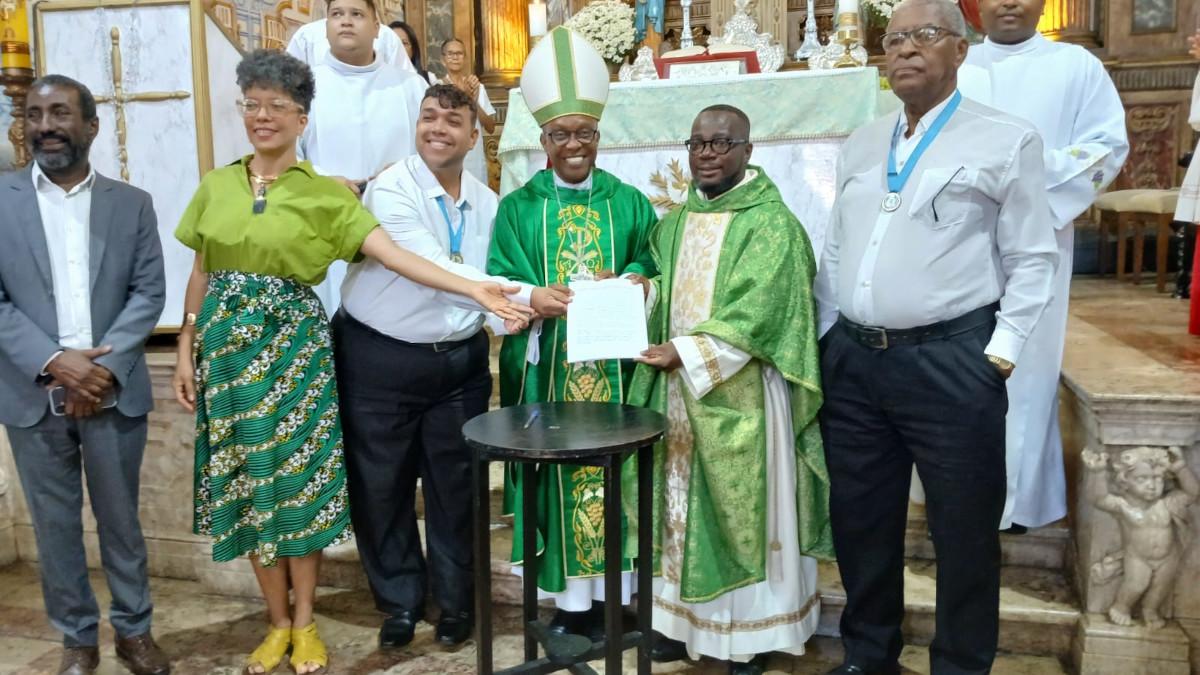
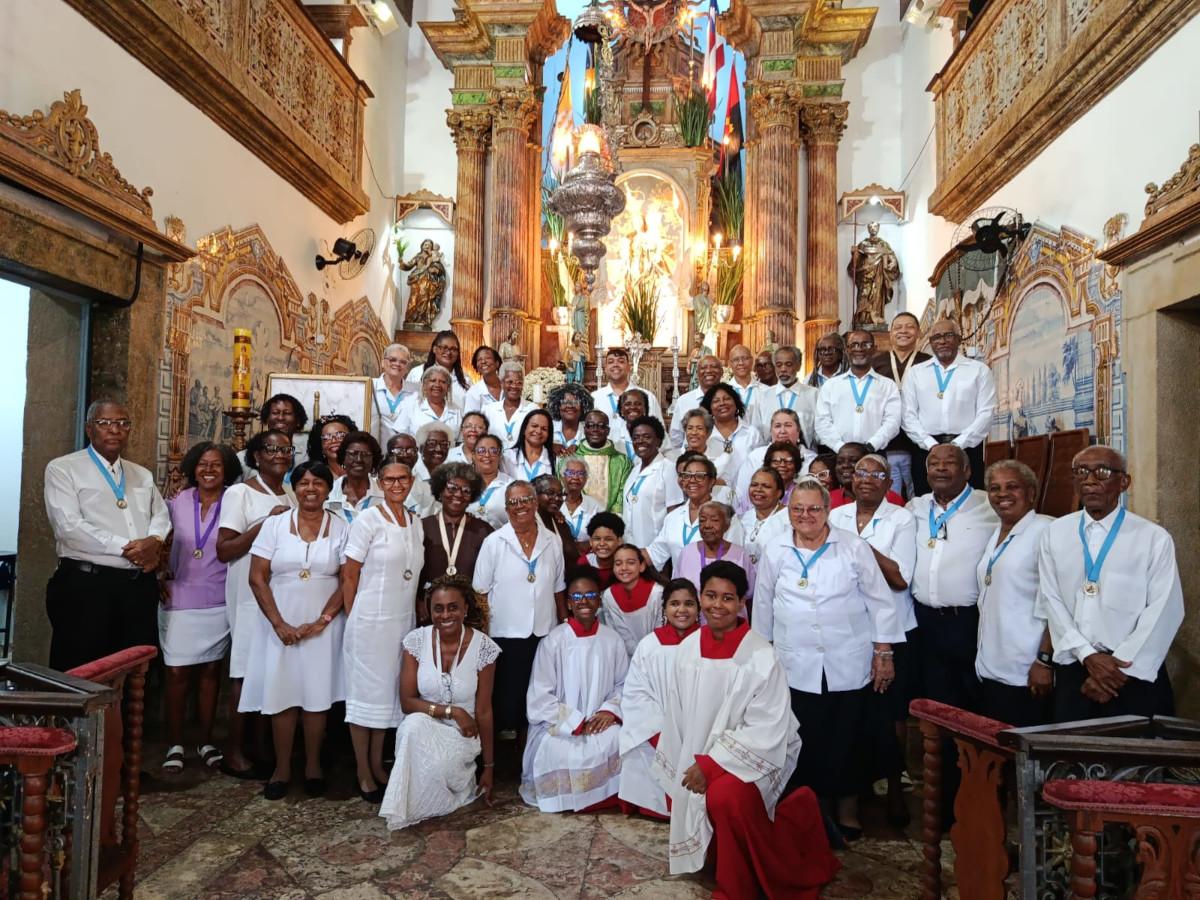
Fr Mossi hopes to proclaim the Gospel and bear witness to it, through God’s grace and with the support of his community, by valuing Afro-Brazilian identity and culture and fostering dialogue between the Gospel message and the social, economic and cultural realities experienced by Afro-descendant communities.
This, in fact, is the aim of Afro-Brazilian pastoral ministry and the meaning of his presence in Salvador as a Comboni missionary committed to this particular pastoral field.
Comboni Missionaries, Brazil