
Daniel Comboni
Comboni Missionaries
Institutional area
Other links
Newsletter
South Sudan: Towards a Paradigm Shift in Missionary Methodology
Saturday, August 1, 2026
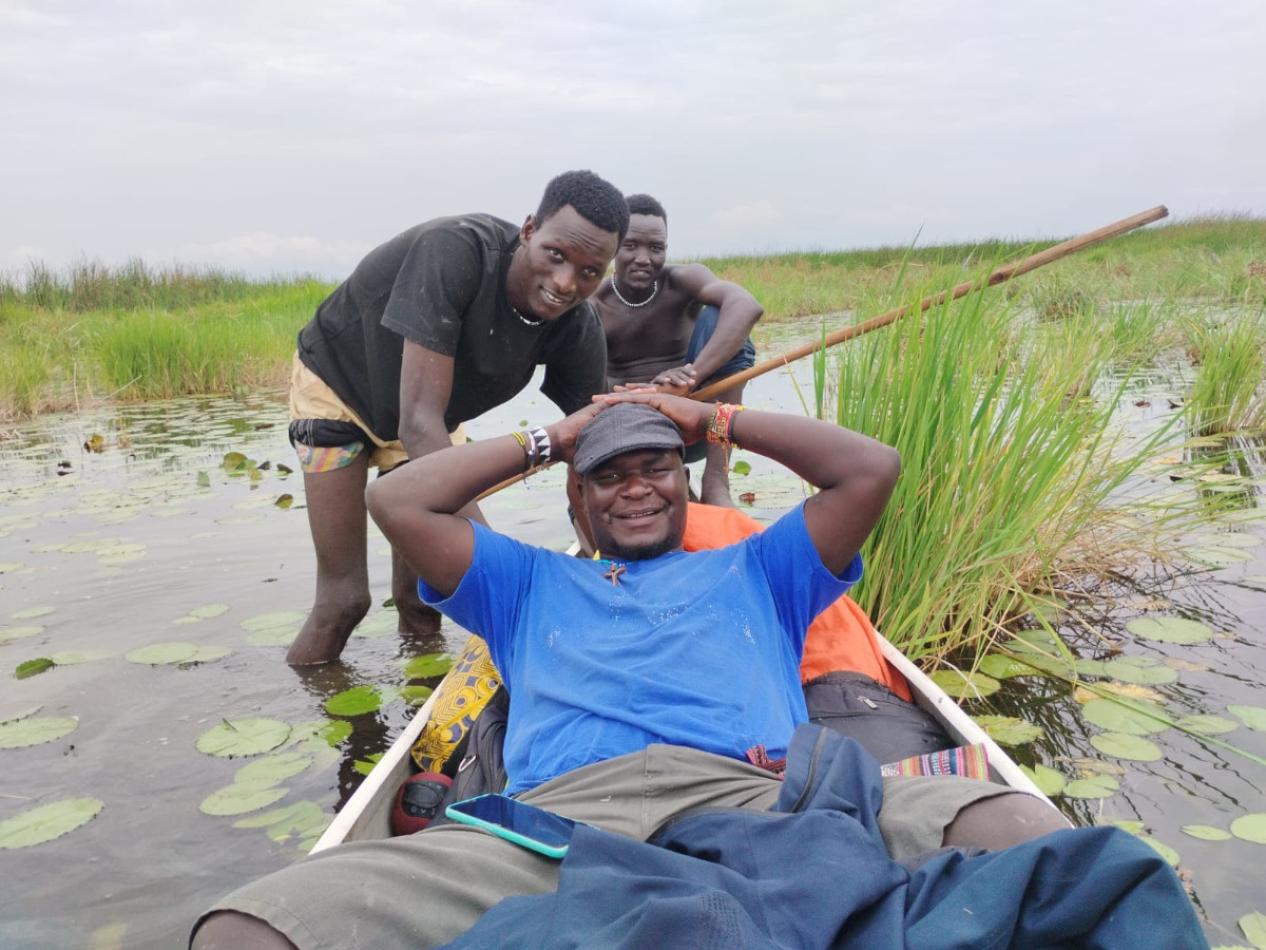
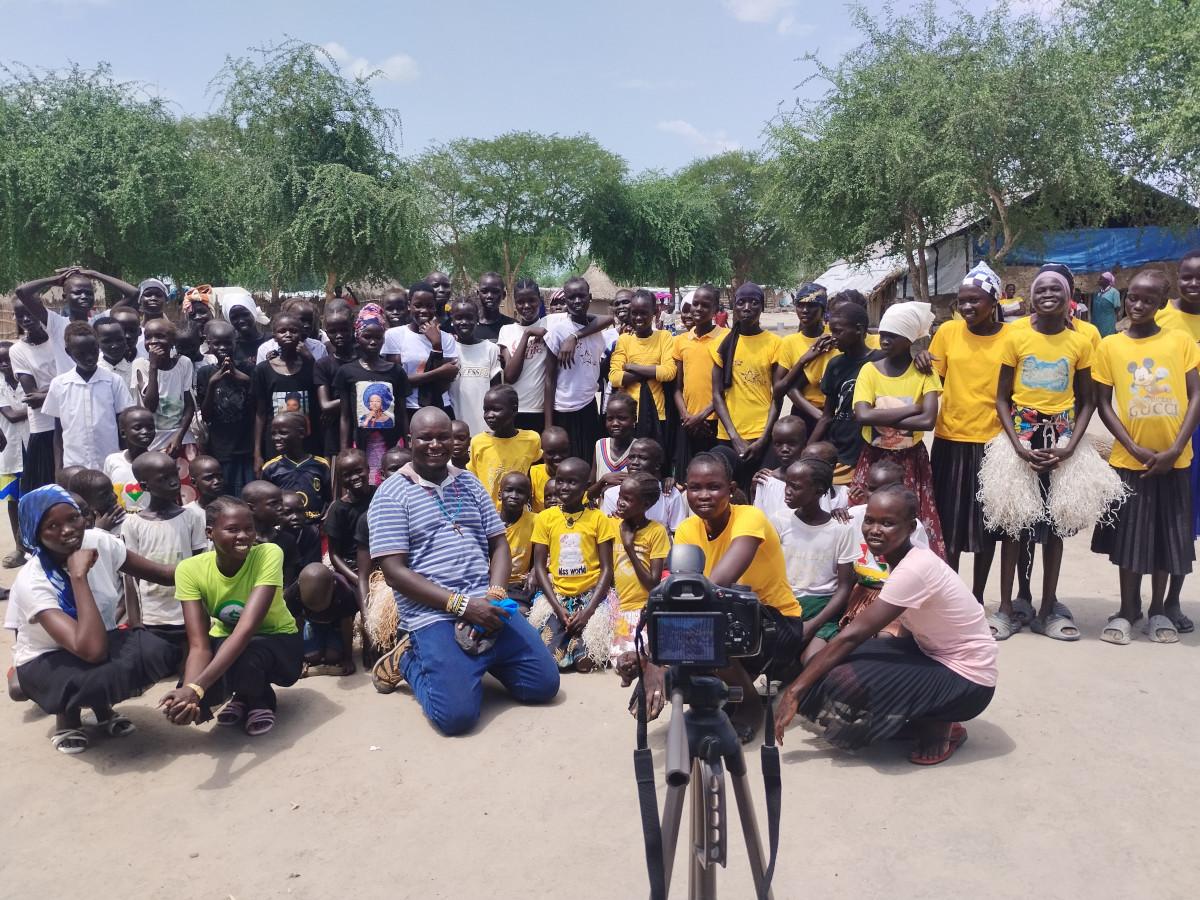
Comboni Missionary student Komakech James Kenyi [in the photo] returned to South Sudan, his home country, after completing his theological formation, for one year of mission service in Holy Trinity Parish of Fangak, in the Sudd, the vast swamp formed by the White Nile’s Baḥr al-Jabal section, where movement from one community to another is mostly by local canoe. His experience was a profound lesson in life and mission.
My missionary vocation has been shaped by a lifelong journey of encounter. Born in a refugee camp on the Sudan-Uganda border during the civil war in Sudan, I grew up in Uganda before returning to South Sudan after its independence on July 9, 2011, where I served as a secondary school science teacher.
Inspired by the witness of the Comboni missionaries in my parish in Lomin, Kajo-Keji County, and by the missionary vision of St. Daniel Comboni – “Saving Africa with Africa” – I joined their Institute in 2014.
After my formation in South Sudan, Kenya, Zambia, and Italy, in 2025 I was assigned in to Holy Trinity Parish of Fangak, in the Catholic Diocese of Malakal, where I also had the grace of being ordained a deacon on May 31, 2026.
Fangak has become a true school of mission. The parish consists of numerous islands, some accessible on foot during the dry season and by local canoe during the rainy season.
Despite the difficult conditions caused by floods, conflict, poverty, and isolation, I encountered an ethnic group whose hospitality, generosity, and deep faith transformed my understanding of evangelisation. The Nuer community taught me that mission is always reciprocal: missionaries bring the Gospel, but they also receive the Gospel through the witness and resilience of the people they serve.
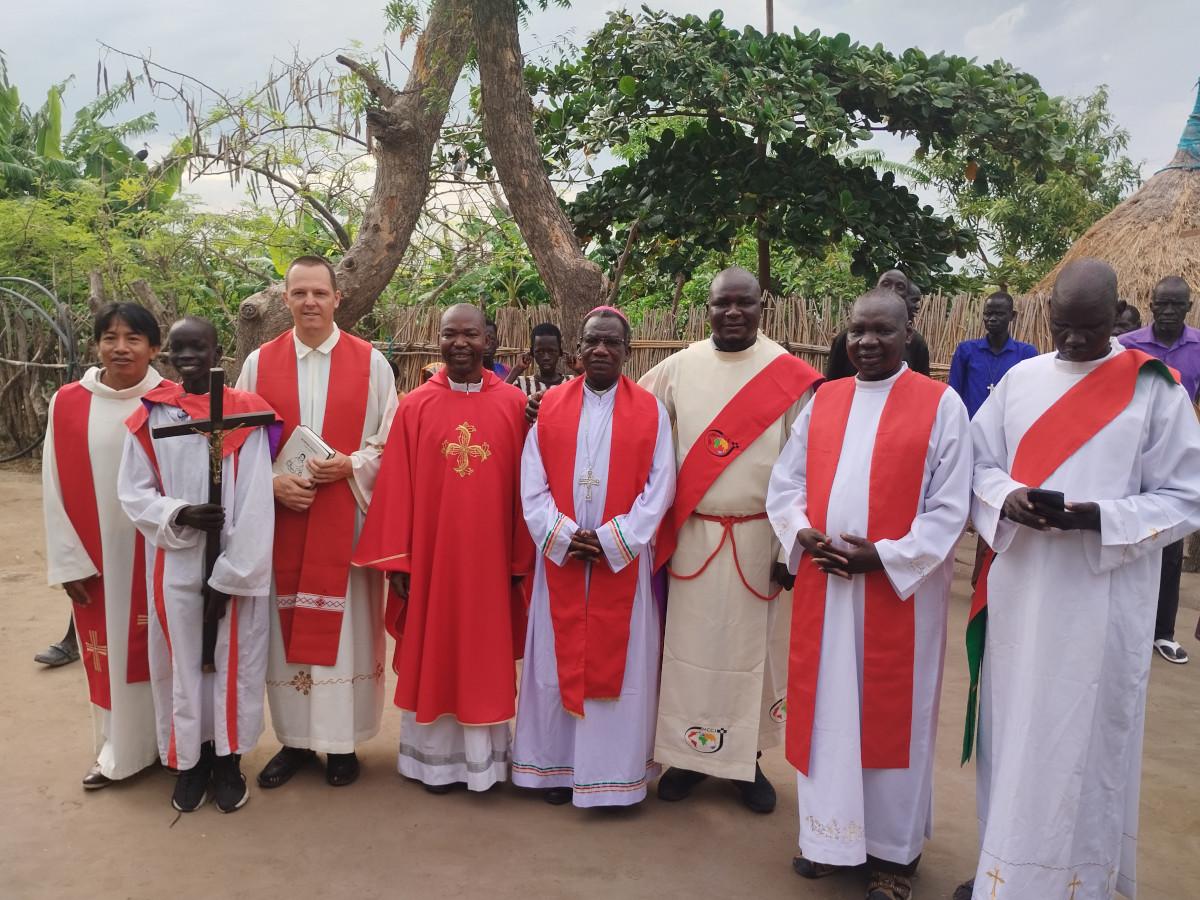
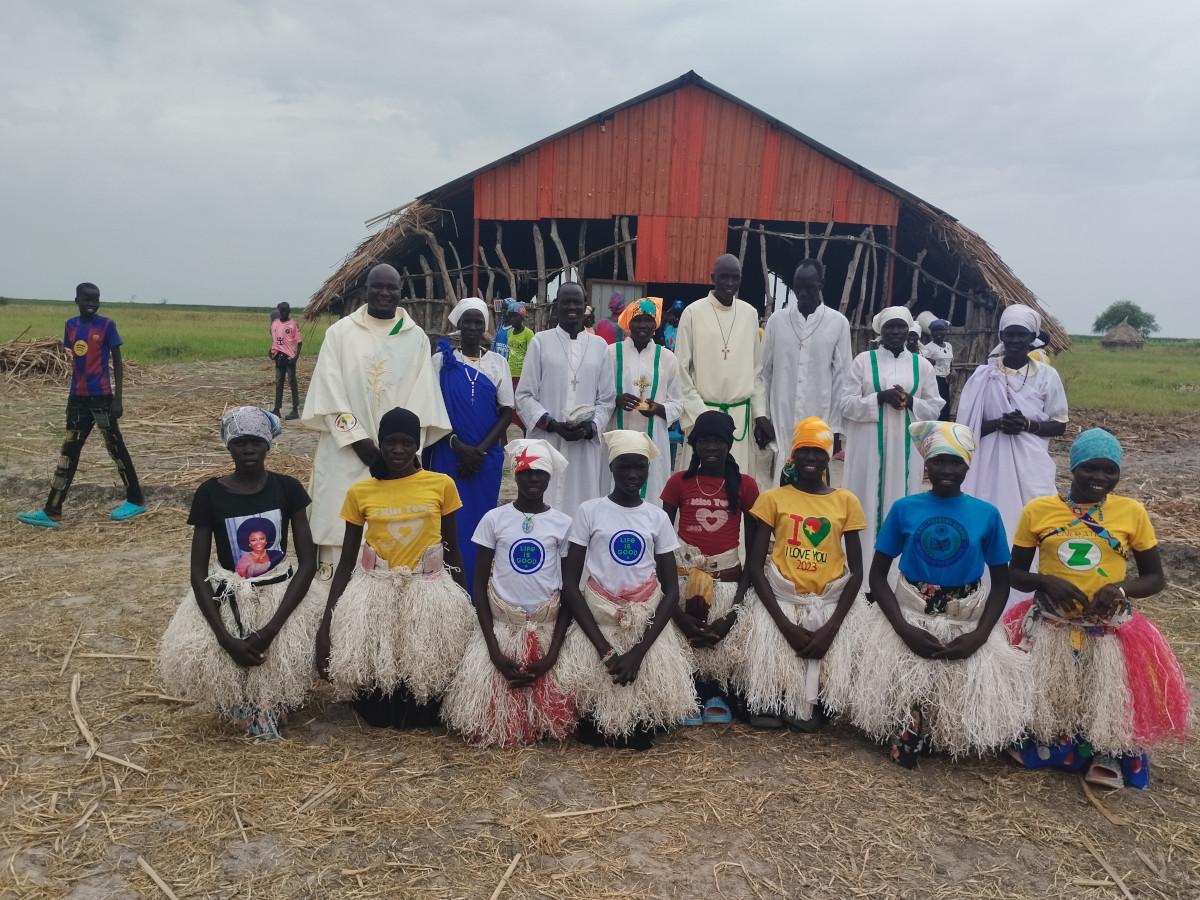
One of my first priorities was to listen before acting. Rather than introducing external programmes, I sought to understand the realities of the people and to collaborate with the existing pastoral structures, especially with catechists and instituted acolytes, whose commitment reflects St. Daniel Comboni’s vision of empowering local leadership.
Together with the youth, we promoted sacred music as a means of evangelisation and trauma healing. We preserve the spiritual heritage of the local Church by recording videos and sharing choir songs through the parish’s YouTube platform.
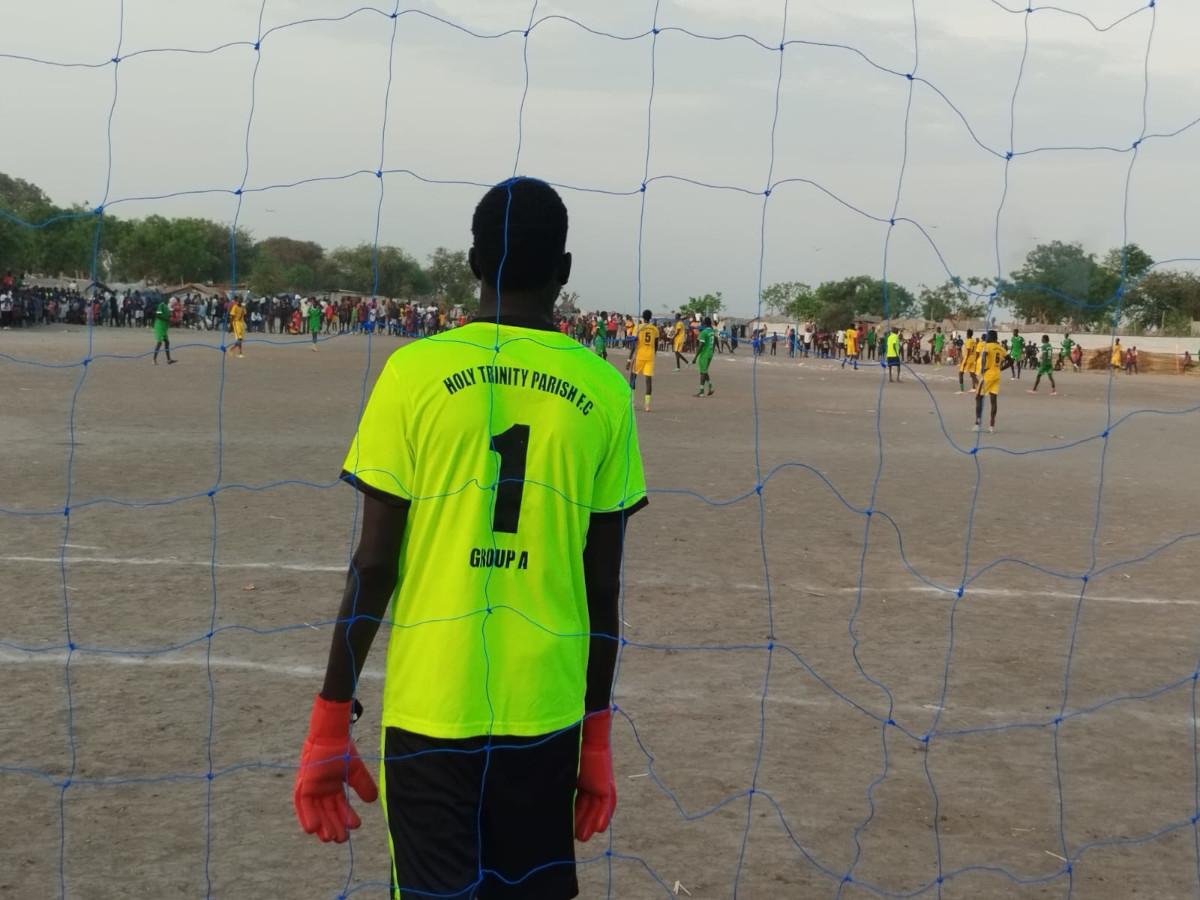
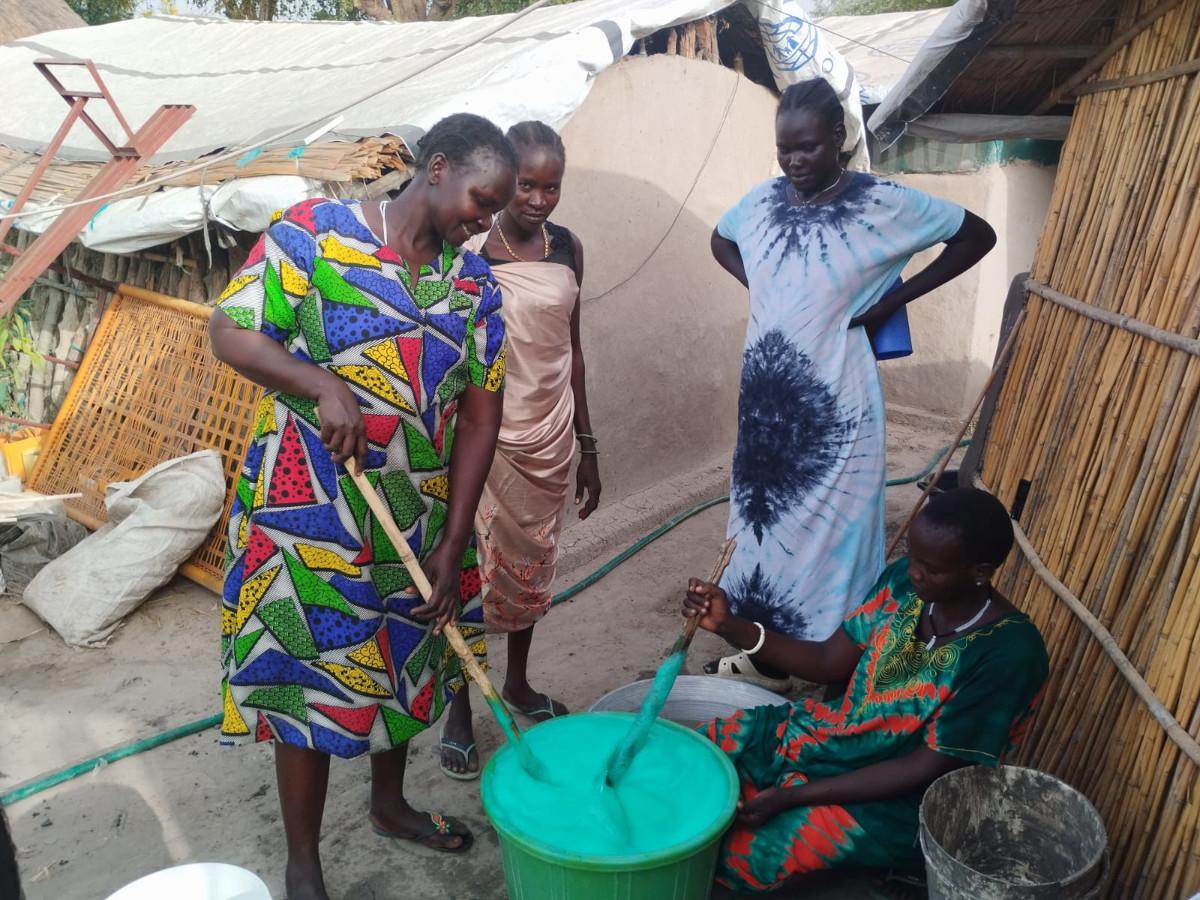
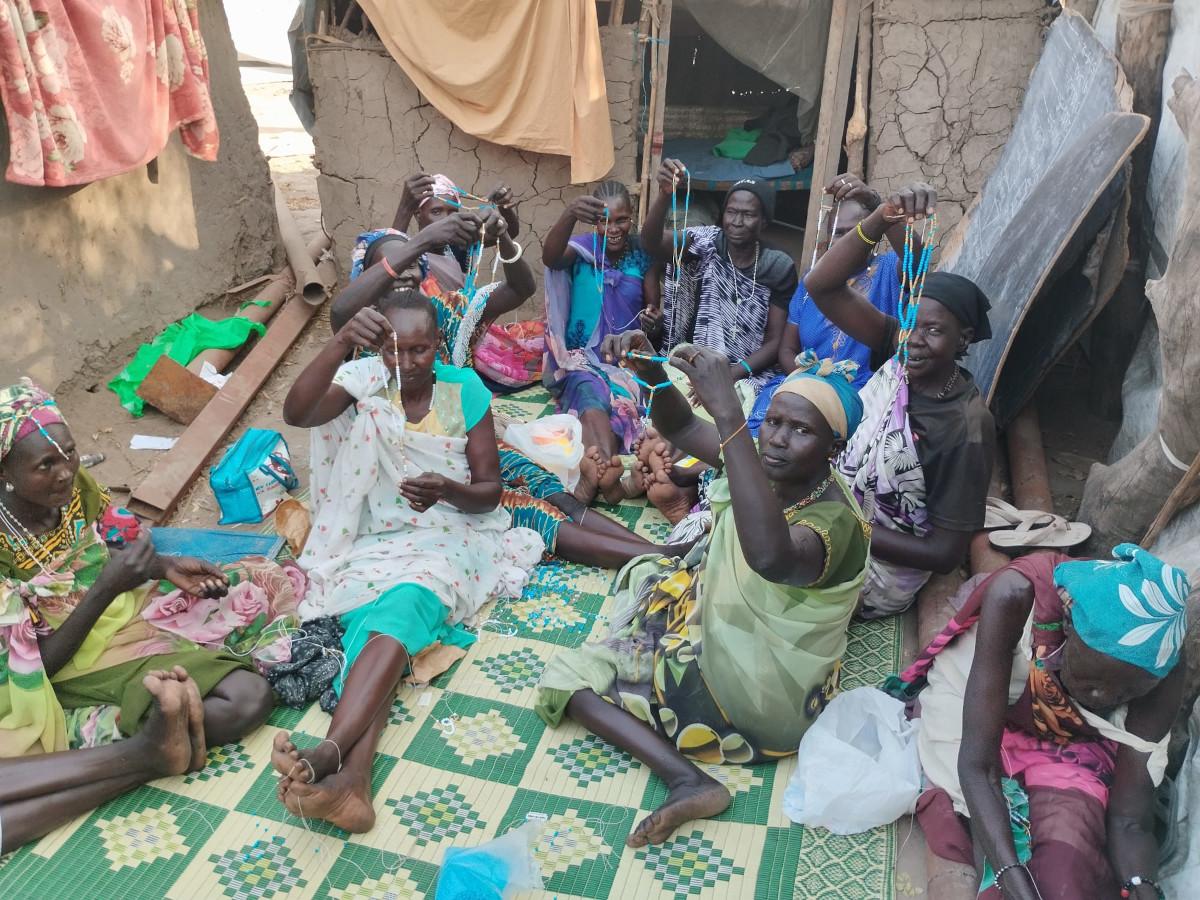
Football tournaments became opportunities to promote peace, reconciliation, and friendship among Catholic, Presbyterian, and other community youth. With the women’s associations, I started practical initiatives such as liquid soap production and handmade rosary making, which strengthened livelihoods, fostered community, and provided spaces for mutual support and healing.
These experiences convinced me that missionary methodology must move beyond dependence on individual missionaries.
The future of mission lies in forming local people who can sustain both pastoral and development initiatives long after missionaries have departed.
Evangelisation must therefore integrate proclamation with human promotion, empowering communities to become protagonists of their own spiritual and social development.
My experience in Fangak has deepened my conviction that authentic mission begins with listening, grows through collaboration, and bears fruit by forming people rather than simply establishing projects.
Following the example of Christ, who united proclamation with compassion, missionaries are called to promote both the spiritual and human dignity of every person.
This vision, inspired by St. Daniel Comboni and reaffirmed by the Church’s recent social teaching, remains essential not only for Fangak but also for the future of missionary work throughout Africa.
I will probably leave Fangak around October to prepare for my priestly ordination in my home parish in Kajo-Keji, with profound gratitude.
I am convinced that the people have evangelised me as much as I have served them. Their resilience, generosity, and hope continue to inspire my missionary vocation.
My prayer is that South Sudan may increasingly become a land where peace overcomes violence, justice overcomes oppression, and hope triumphs over despair, as local communities continue to build the Kingdom of God through their own gifts and leadership.
Deacon Komakech James Kenyi, MCCJ