
Daniel Comboni
Comboni Missionaries
Institutional area
Other links
Newsletter
Uganda: Drought Pushes Thousands Towards Hunger
Monday, August 3, 2026
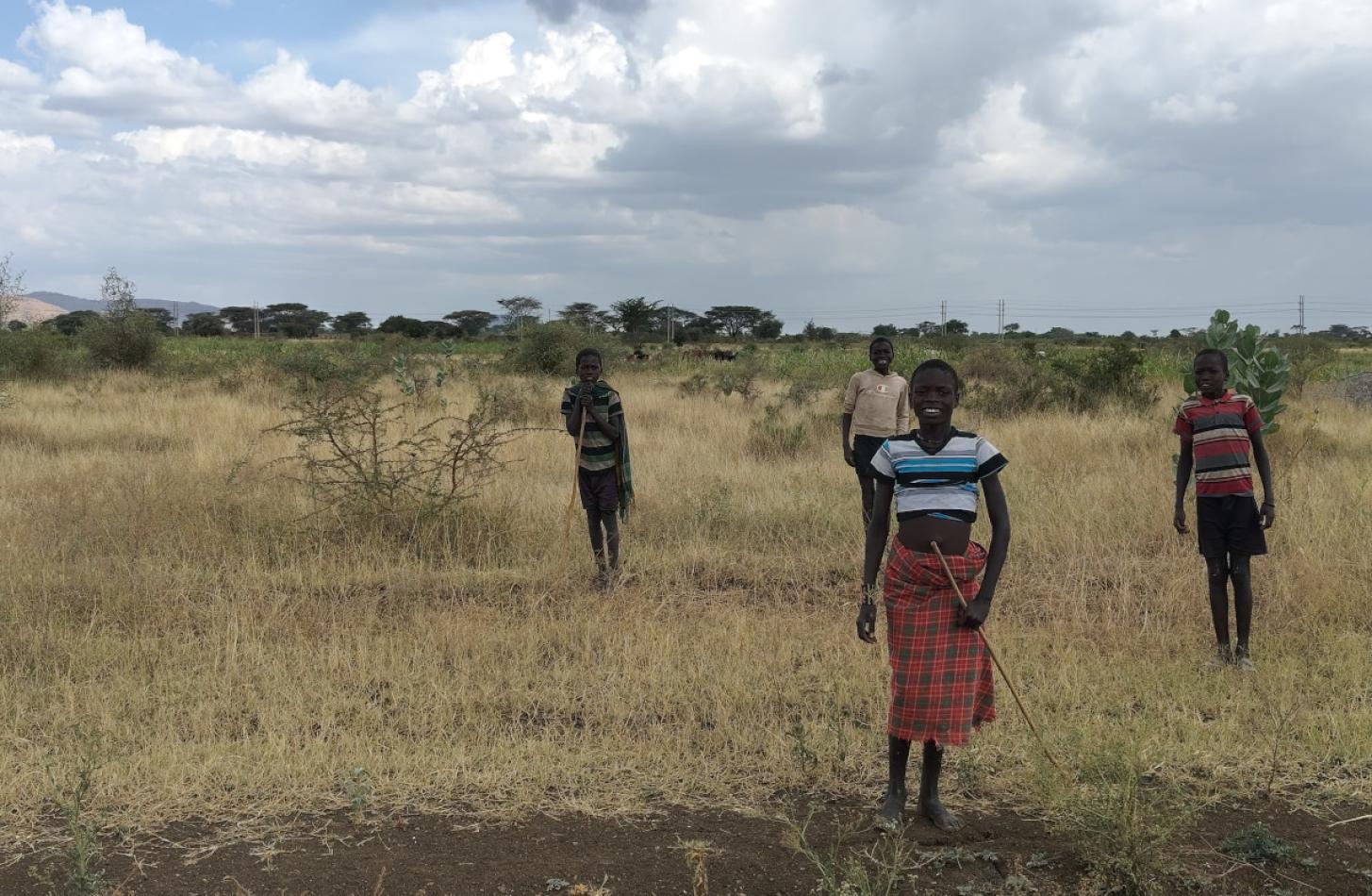
The Karamoja sub-region of north-eastern Uganda is once again facing a severe humanitarian emergency. Following months of prolonged drought and failed rains, thousands of families have lost their crops and are struggling to find enough food to survive. What should have been a season of hope and harvest has become a season of anxiety, hunger, and despair.
Karamoja has always been one of Uganda’s most vulnerable regions. The majority of the population depends on subsistence agriculture and livestock for survival. However, increasingly unpredictable weather patterns, prolonged dry spells, environmental degradation, and widespread poverty have made traditional livelihoods extremely fragile.
This year’s drought has been particularly devastating, with many communities receiving little or no effective rainfall during the main planting season. As a result, sorghum, maize, beans, and other staple crops have failed across large areas of the region.
According to the latest Integrated Food Security Phase Classification (IPC), approximately 473,000 people—about one-third of Karamoja’s population—are experiencing acute food insecurity (IPC Phase 3 or worse). More than 41,000 people are already in IPC Phase 4 (Emergency), requiring urgent humanitarian assistance to save lives and livelihoods.
The districts most severely affected include Kaabong, Kotido, Karenga, Moroto, Napak, Amudat, and Nabilatuk.
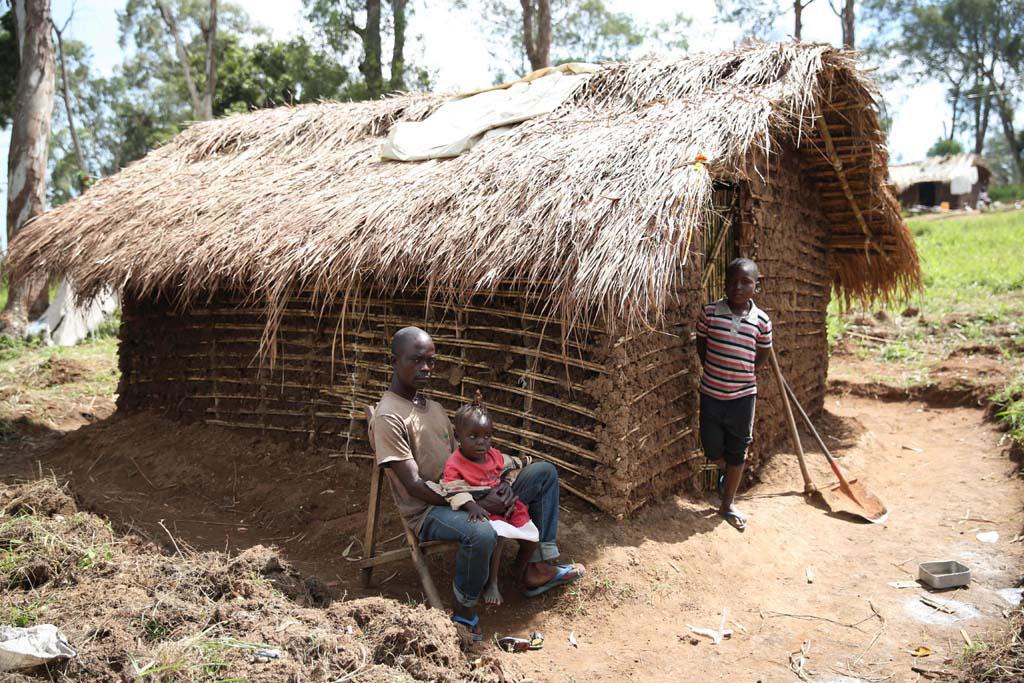
The consequences of the drought are visible everywhere. Families are surviving on one meal a day or less. Mothers walk long distances searching for wild fruits and edible roots to feed their children. Livestock, often the only household asset, are weakened by lack of pasture and water.
Health centres are reporting increasing cases of acute malnutrition, particularly among children under five years of age, pregnant women, and the elderly. St. Kizito-Matany, our missionary hospital, has an active nutrition centre for children having an ever increase of children to be taken care of together with their mothers.
Schools are also affected as hungry children struggle to attend classes or are forced to stay home to help their families search for food, also because UN’s World Food Programme has discontinued providing food to the school with few exceptions from the beginning of this academic year.
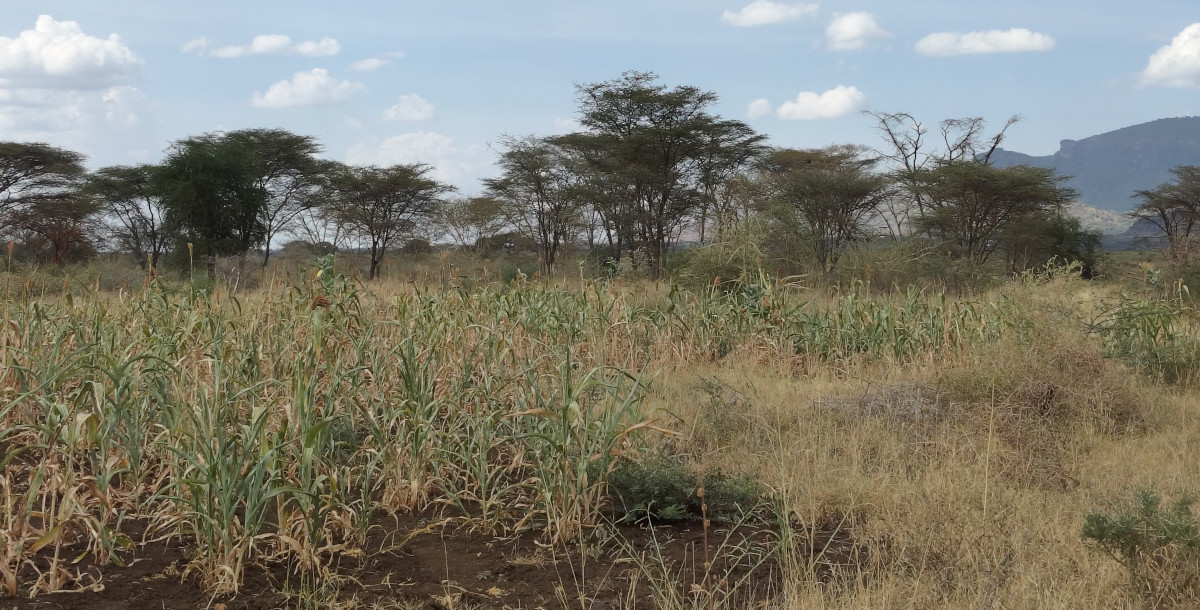
Even though the Government of Uganda has launched emergency food distribution across Karamoja, allocating substantial resources to provide maize flour and beans to vulnerable households, so far little has reached destination.
While these interventions are welcome and essential, the magnitude of the crisis means that humanitarian needs remain immense and require continued support from development partners, faith-based organizations, and charitable institutions.
The Catholic Church, through the Diocese of Moroto and its network of parishes, continues to stand in solidarity with the people. Priests, religious sisters, catechists, and parish volunteers witness daily the suffering of families who have exhausted their food reserves.
Beyond providing spiritual comfort, the Church is responding through nutrition support, emergency food assistance where possible, community outreach, and advocacy for the most vulnerable. However, the available resources are far from sufficient to meet the growing needs.
This emergency is not simply the result of one failed rainy season. It reflects the cumulative impact of climate change, recurrent droughts, environmental degradation, limited access to water for irrigation, low agricultural productivity, and chronic poverty.
Without long-term investment in water harvesting, irrigation systems, climate-smart agriculture, drought-resistant crops, education, and livelihood diversification, Karamoja will continue to face recurring food crises.
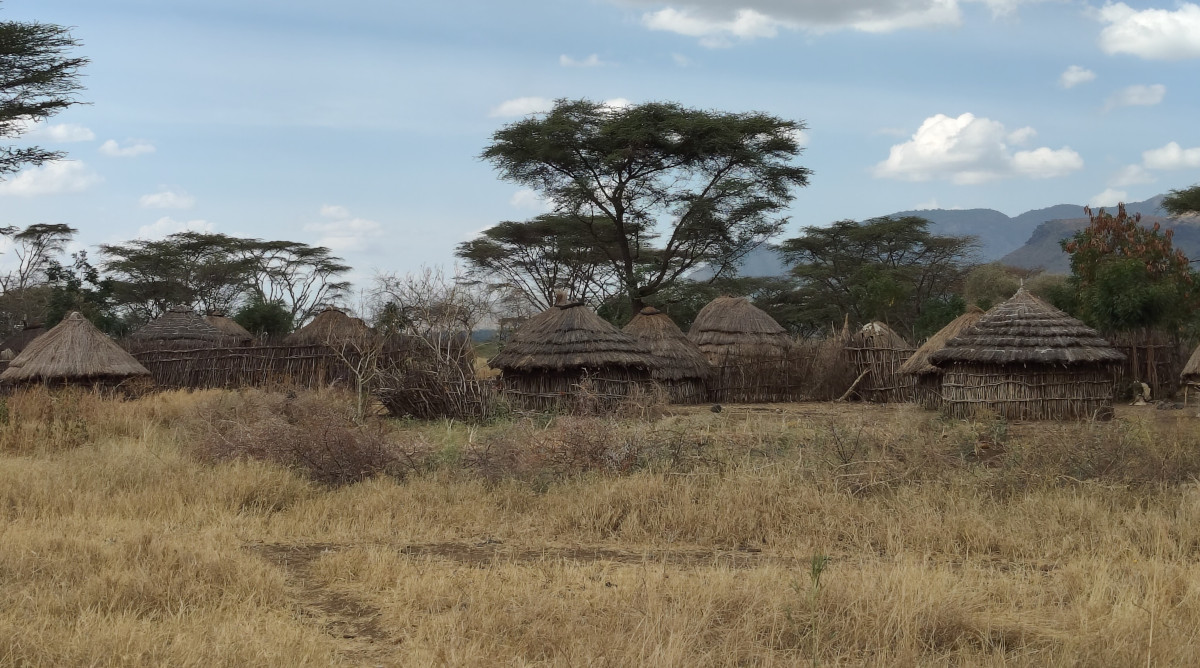
The people of Karamoja have shown remarkable resilience through decades of hardship. Yet resilience alone cannot overcome repeated climate shocks. Immediate humanitarian assistance is urgently needed to prevent further loss of life, while sustained development investments are essential to break the cycle of hunger and dependency.
As members of one human family, we cannot remain indifferent. Every contribution—whether through food assistance, nutrition programmes, clean water projects, agricultural support, or prayers—can make a profound difference.
In this critical moment, the people of Karamoja ask not for charity alone, but for solidarity, hope, and partnership in building a future where every family can live with dignity and food security.
The current crisis reminds us that hunger is not only a humanitarian issue; it is a call to justice. Together, governments, humanitarian agencies, faith communities, donors, and people of goodwill can help ensure that the people of Karamoja not only survive this drought but also build a more resilient future.
+ Damiano Guzzetti, MCCJ
Bishop of Moroto