
Daniel Comboni
Comboni Missionaries
Institutional area
Other links
Newsletter
Rome: There is Life in Spin Time
Monday, August 10, 2026
In the coming days, newspapers may report that the Spin Time experience has come to an end. Or rather, they may report that the unauthorized occupation of the building located at 55, Via Santa Croce in Gerusalemme has ended, following its preventive and evidentiary seizure by the Rome Police Headquarters after the fire on July 29, 2026.
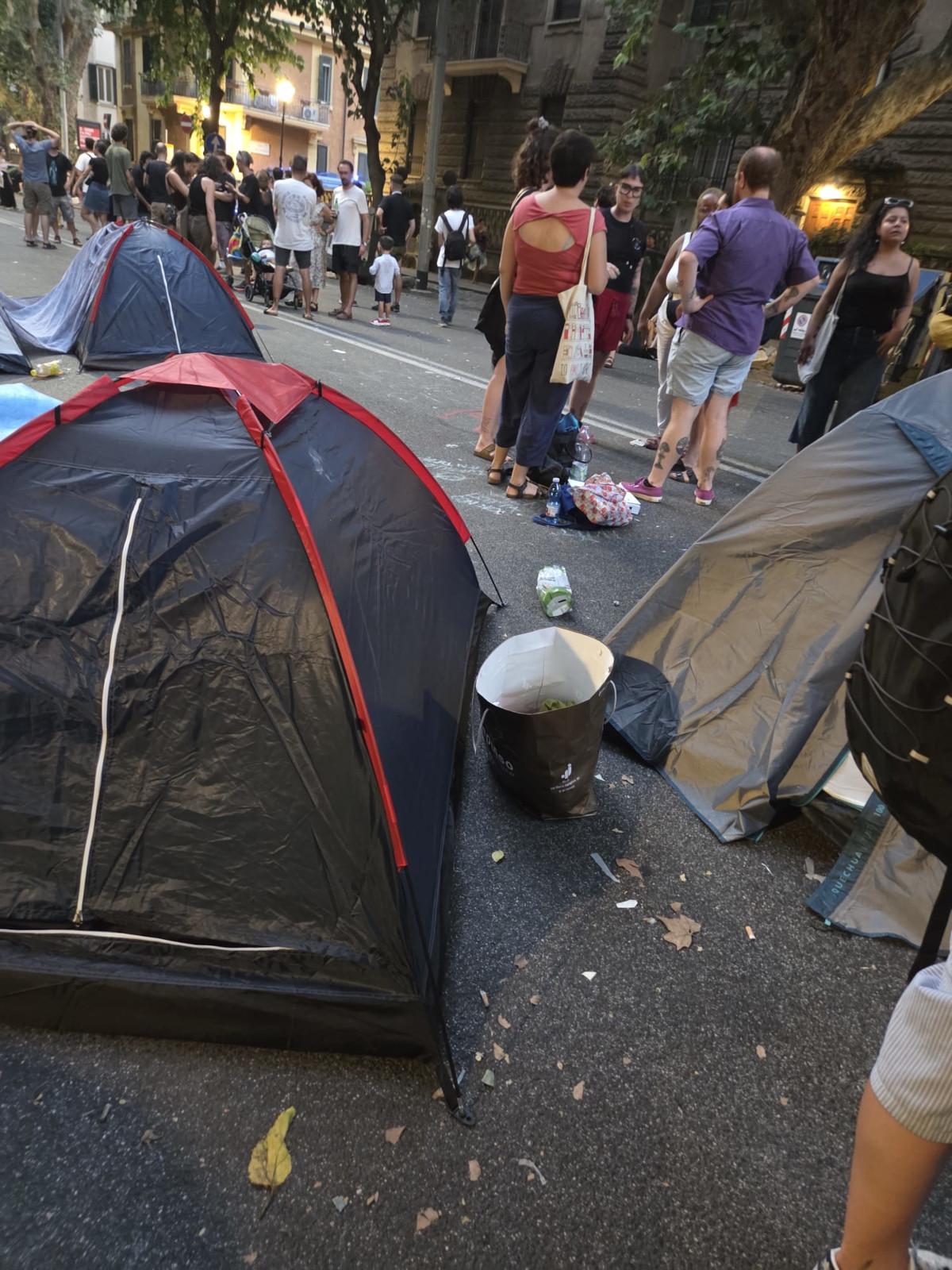
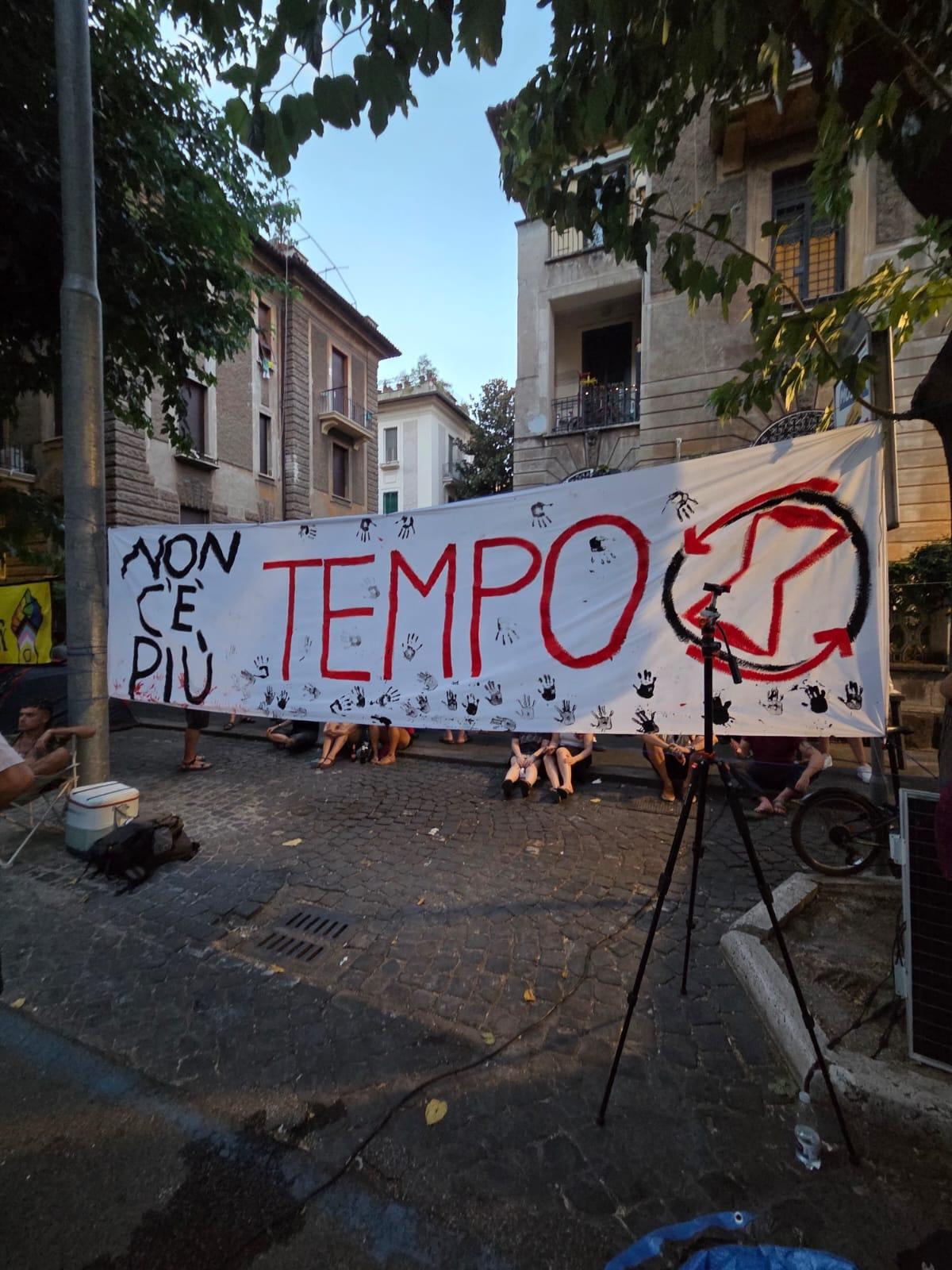
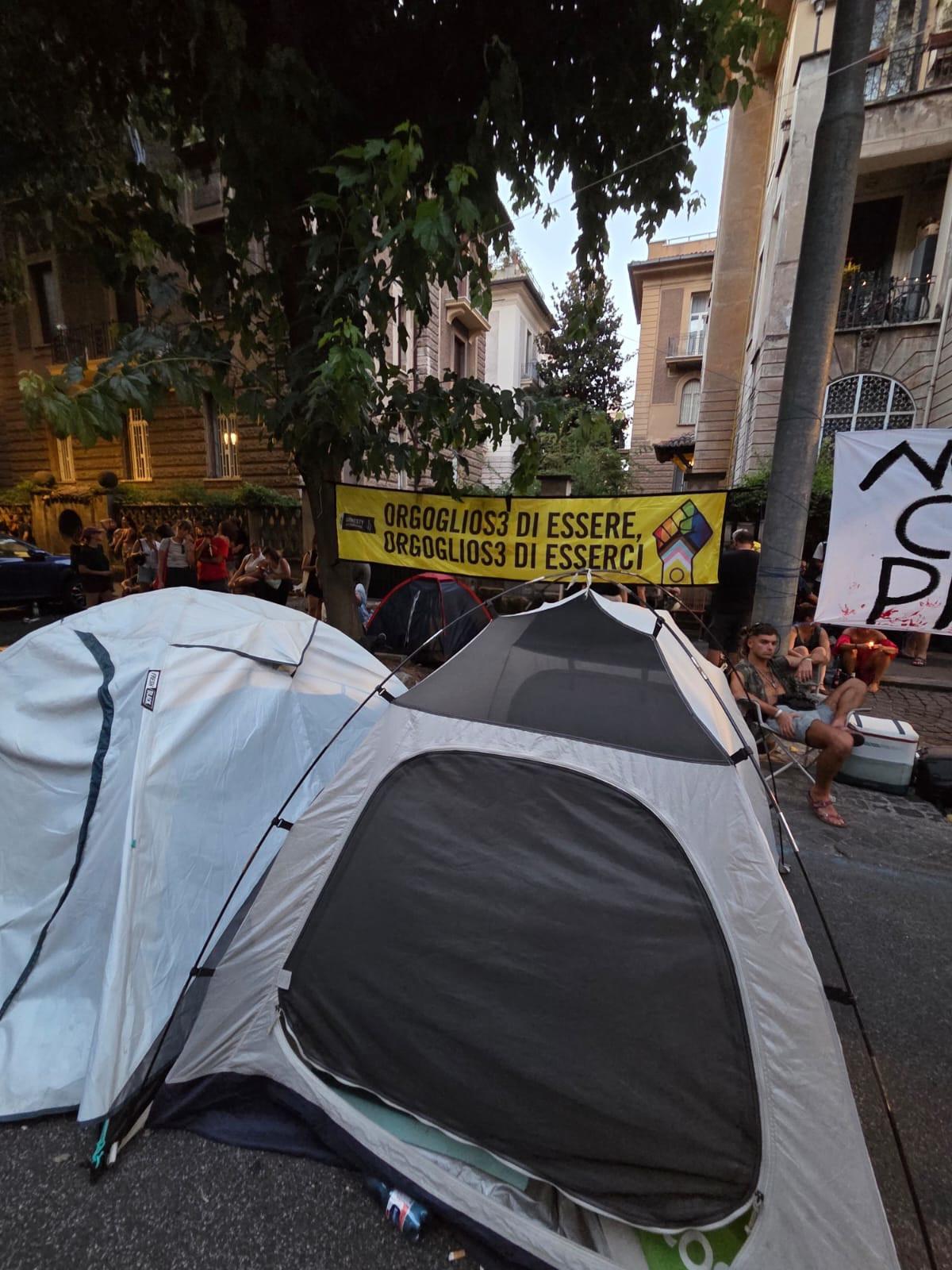
Since that date, the four hundred people who were in the building have been living out on the street, waiting for the police to lift the seizure order and for the property owner’s response to the City of Rome, following the submission of a plan aimed at relocating the families and acquiring the property.
As for the lifting of the preventive seizure by the police, no response has yet been received. According to publicly available information, the property owner has categorically rejected the City's proposal.
All this might lead one to think that the Spin Time experience ends here, but it does not!
No, because Spin Time is not confined to the walls of the building on Via Santa Croce in Gerusalemme, in Rome, but goes far beyond them. Spin Time is the story of men and women, boys and girls who, since 2013, have been fighting for their right to housing to be recognized.
It is the story of a community that has opened its doors to cultural and social activities; it is the story of a community that has welcomed associations and groups inside, enlivening not only the building but also the neighborhood. It is the story of a community that has become a place of reflection and research for the proposal of an “alternative city” not dominated by financial power.
Spin Time is not confined to the walls of the building; rather, it has been and continues to be a laboratory: a laboratory where the conviviality of differences is lived, a laboratory where fraternity is experienced.
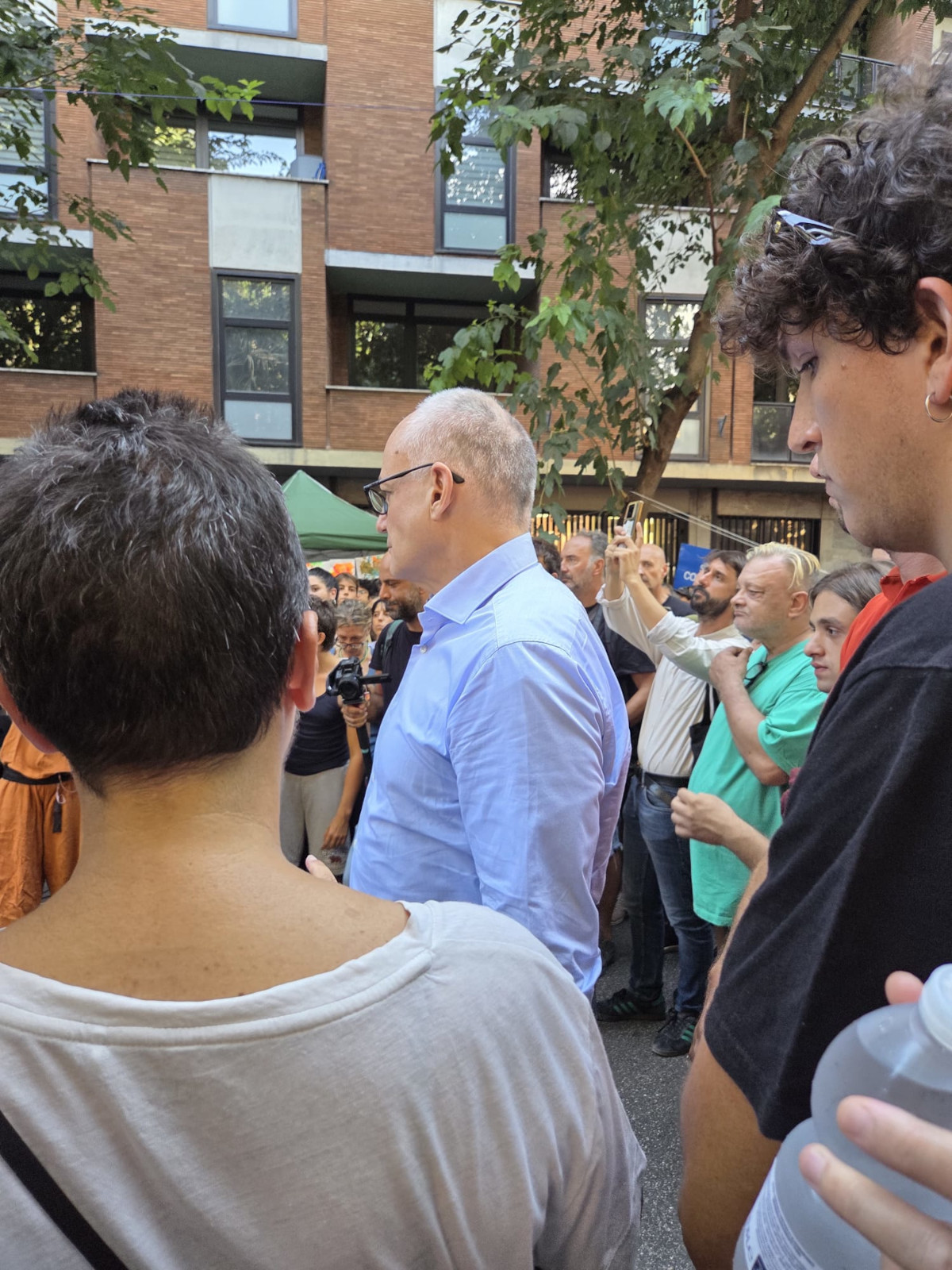
Last week, the Spin Time community left the building and moved out onto the street. And from the street and on the street, it gathered around itself the “beautiful forces” of this city: the institutional ones that have worked tirelessly to ensure that all the tenants could navigate this precarious situation in the best possible way. And the non-institutional ones that have stood by Spin Time’s side, demonstrating solidarity through their actions.
And so, on Via Santa Croce in Gerusalemme, workshops and games for children have been organized, along with public assemblies, film screenings, and meetings with actors, directors, and singers. The life of the building has moved out onto the street and continues to animate the neighborhood, and solidarity and resistance have made the news at both the national and international levels.
The fact of being a community and fighting together from the grassroots has achieved more: it has secured the recognition of the 125 families’ right to public housing, and it has ensured that the City continues its technical working group with Spin Time to find a physical space where the many activities that once took place in the building can carry on.
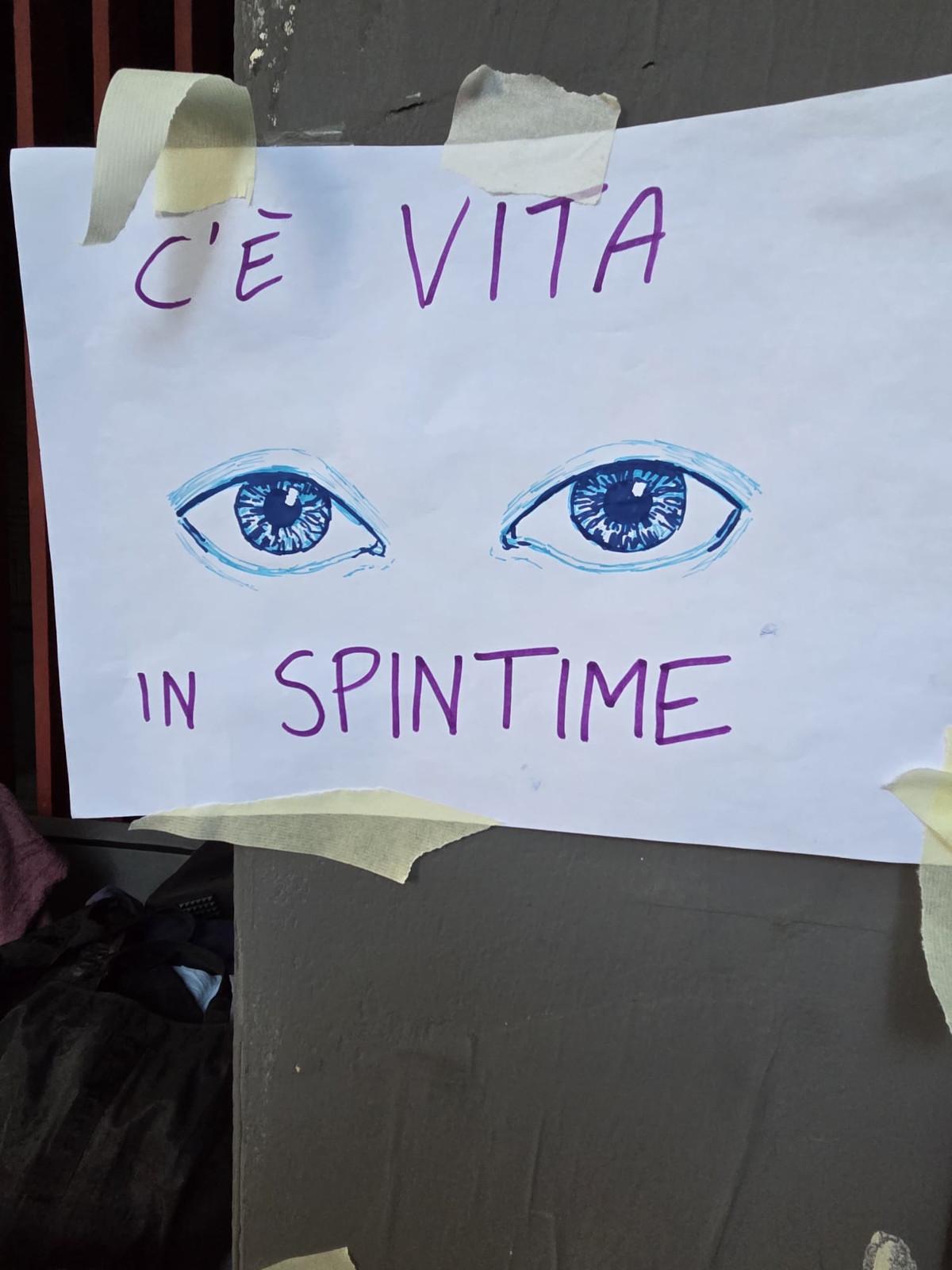
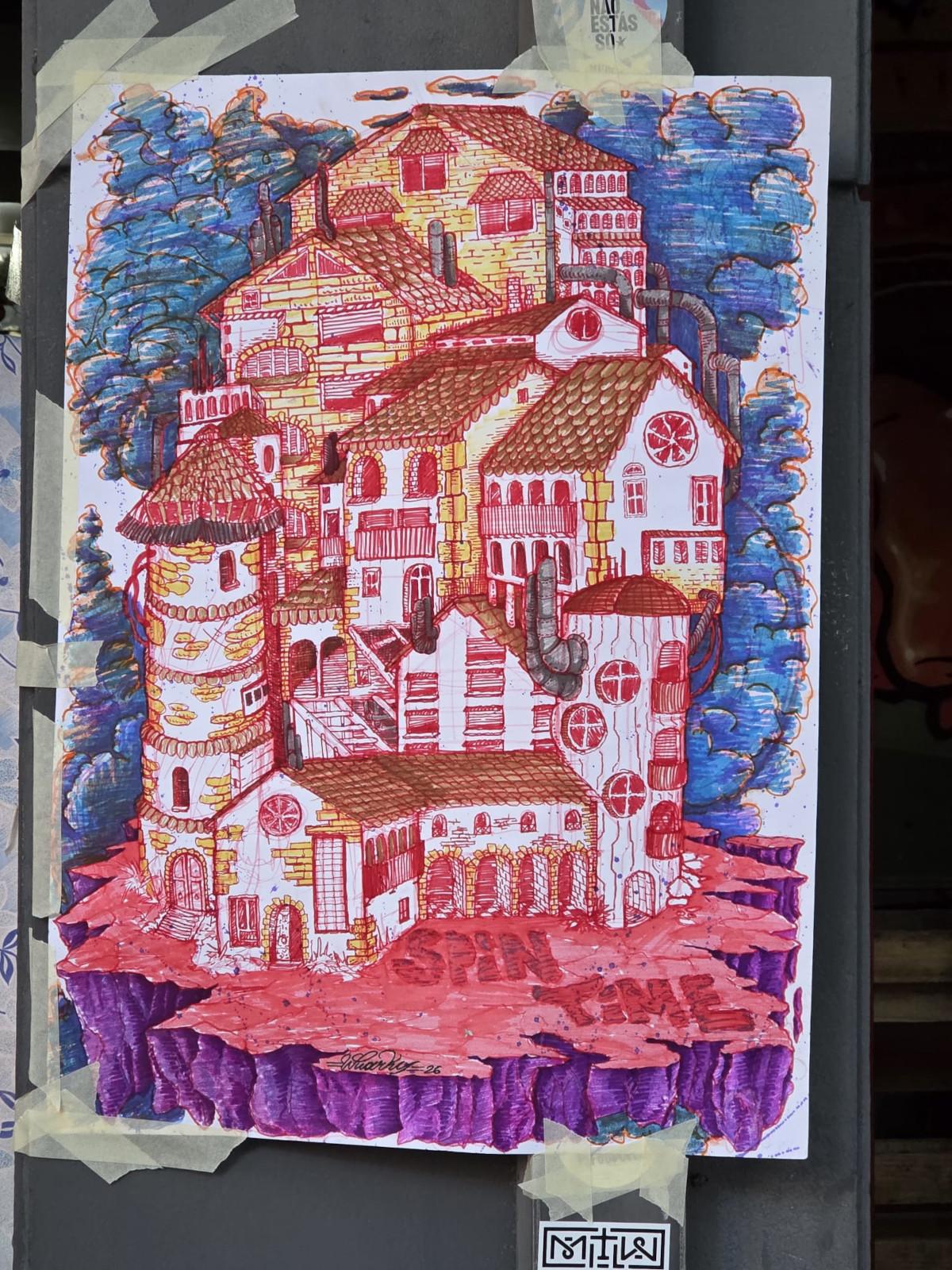
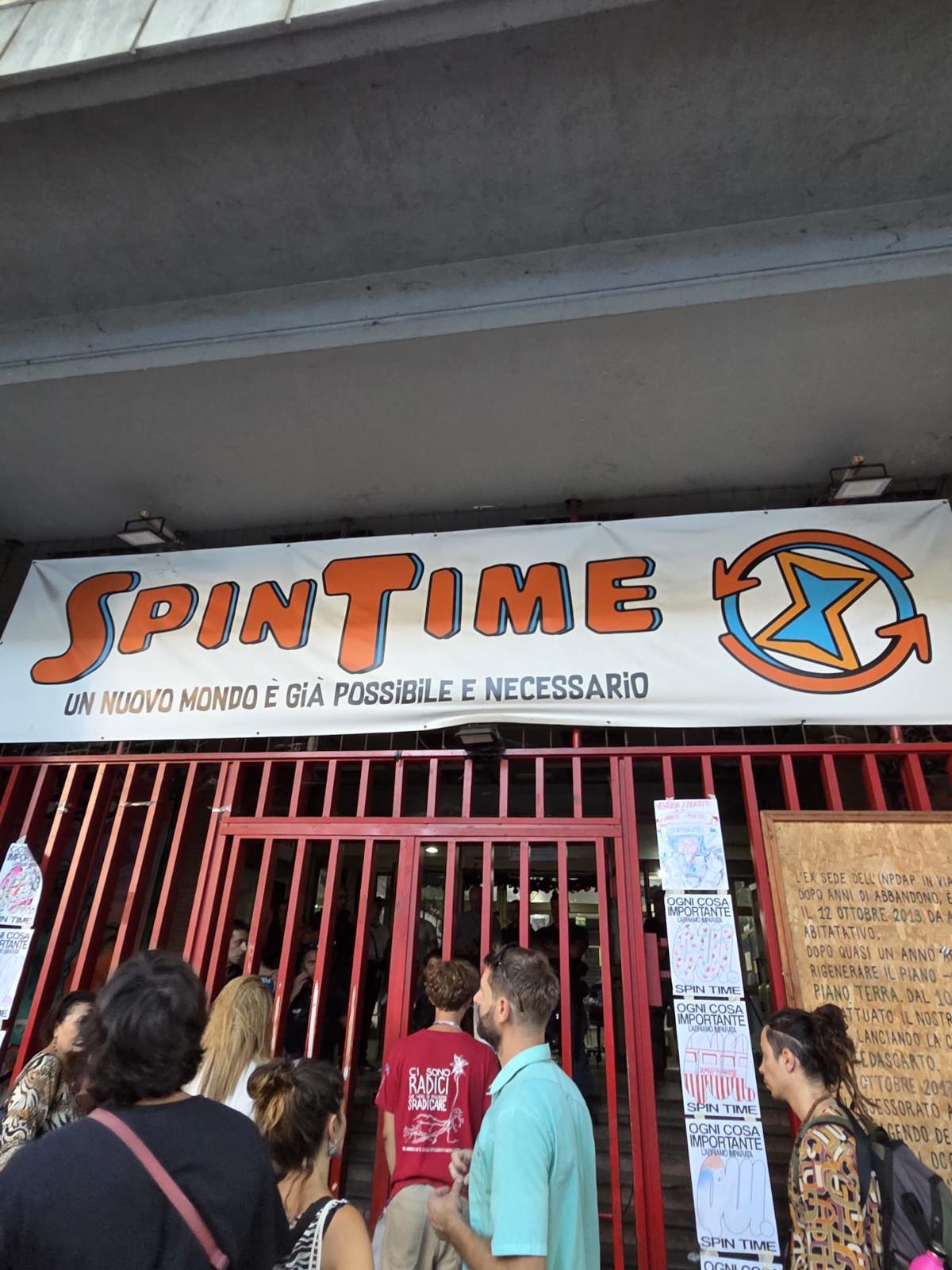
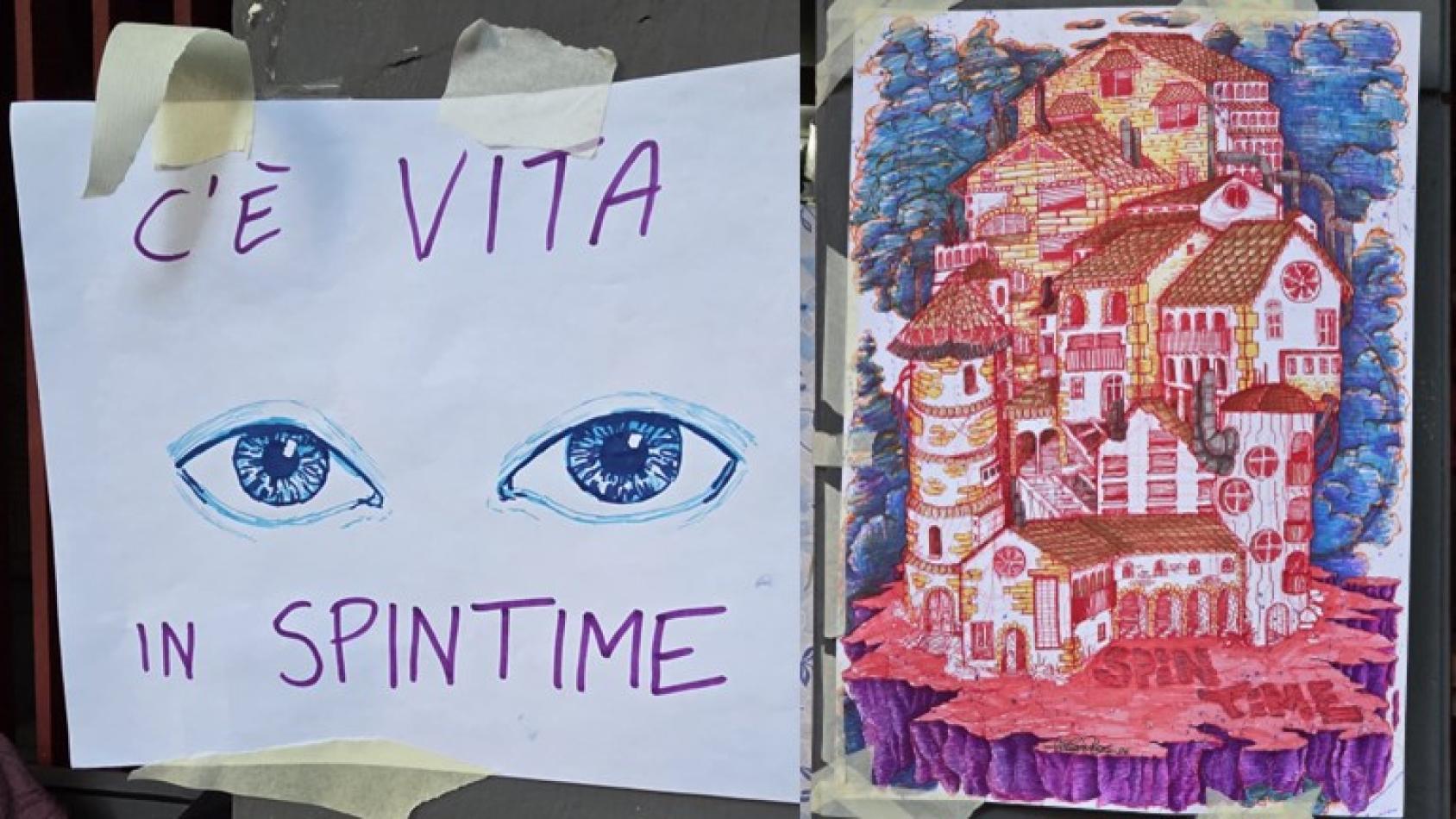
The owner will get her property back (perhaps) or perhaps she will manage to sell it (maybe even to the City of Rome), but the Spin Time community will continue to live on because—as a drawing made by a child and hung on the wall says—THERE IS LIFE IN SPIN TIME.
Fr. Antonio Soffientini, MCCJ