
Daniel Comboni
Comboni Missionaries
Institutional area
Other links
Newsletter
Returning Home after 14 years of Mission
Tuesday, August 11, 2026
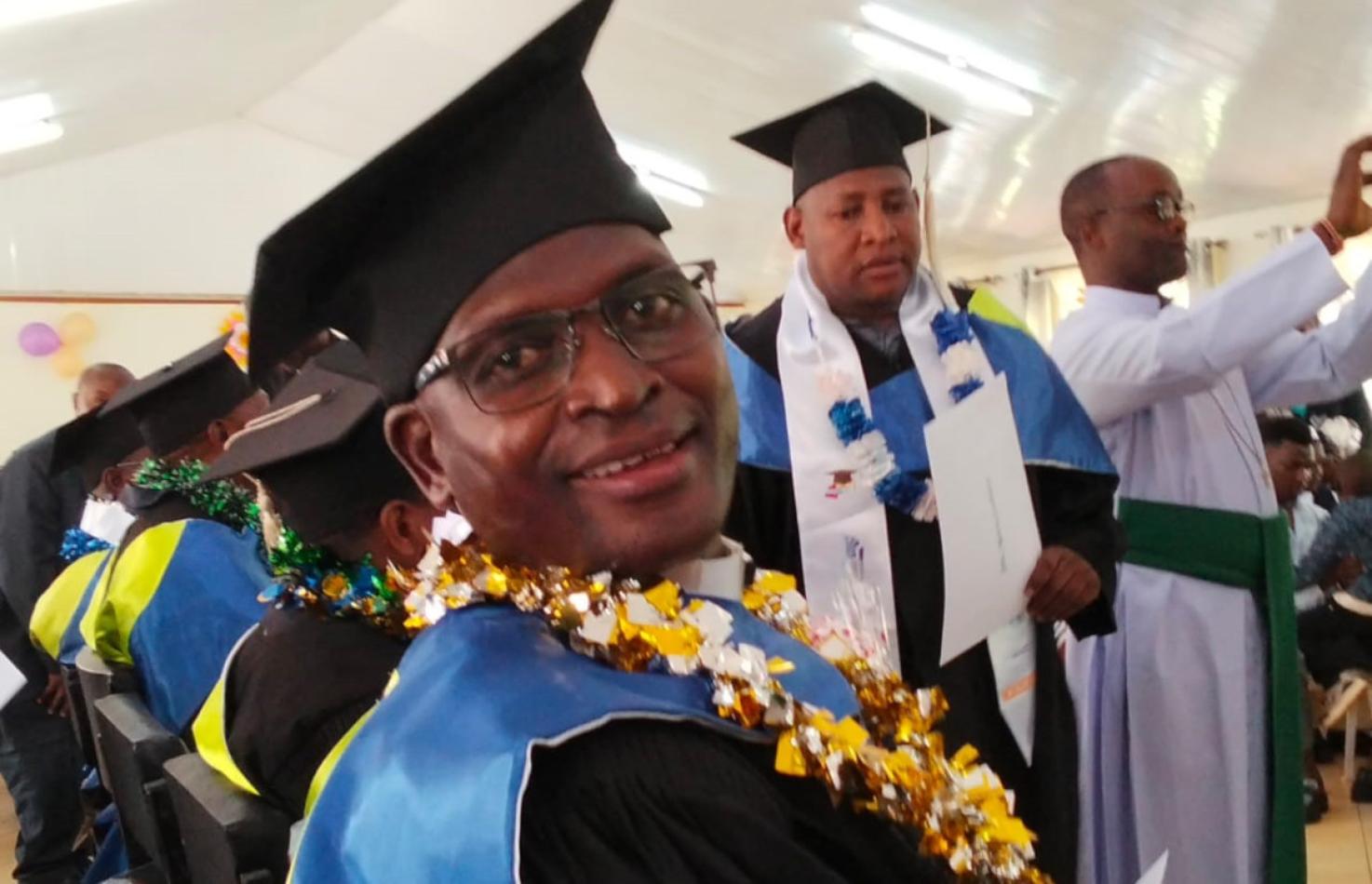
Fr. Isaiah Sangwera Nyakundi, a Comboni Missionary from Kenya, spent his first fourteen years of priesthood in Gublak Mission among the Gumuz people in the North West of Ethiopia. Most of his life revolved around pastoral, social and administration services. At the end of this first missionary experience he requested a sabbatical time. He shares what it feels like to transit back to the Kenya.
I have been quite a busy missionary like any other enthusiastic missionary fully in love with his first mission. I thank God for his gifts to me of grasping local languages of Amharic and Gumuz though not fully but enough for the missionary to operate and maneuver around the mission territory and villages for pastoral and social services without needing a catechist all the times for translations.
These traits, admirable as they may appear, slowly pushed me into a life of relentless work. I became what my facilitators at the John Paul II Sabbatical Centre, in Muranga, Kenya called workaholic. Work consumed my days, my thoughts, and even my rest. Self-care became almost nonexistent. Leisure felt unnecessary, resting appeared unproductive, and social interactions seemed like interruptions to mission. Meals were skipped in the name of service, and emotions were silenced in the name of commitment.
By the time the request for rotation was coming in I had already felt that my body, mind, and spirit were protesting against this rhythm. I became emotionally drained, physically exhausted, spiritually dry, and psychologically overwhelmed. Small demands irritated me. I felt disconnected from normal life and began experiencing unexplained health problems: I became a regular victim of malaria and typhoid, for instance. Painful experiences and memories from the inter-ethnic conflicts of 2018-2022 kept resurfacing with new intensity. What I did not know then was that I was experiencing burnout.
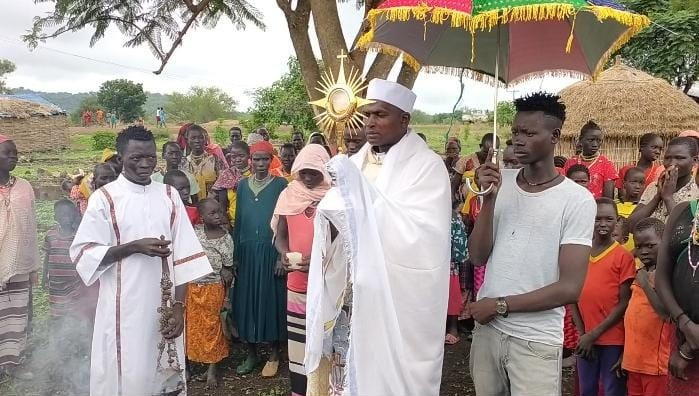
Space to breathe again
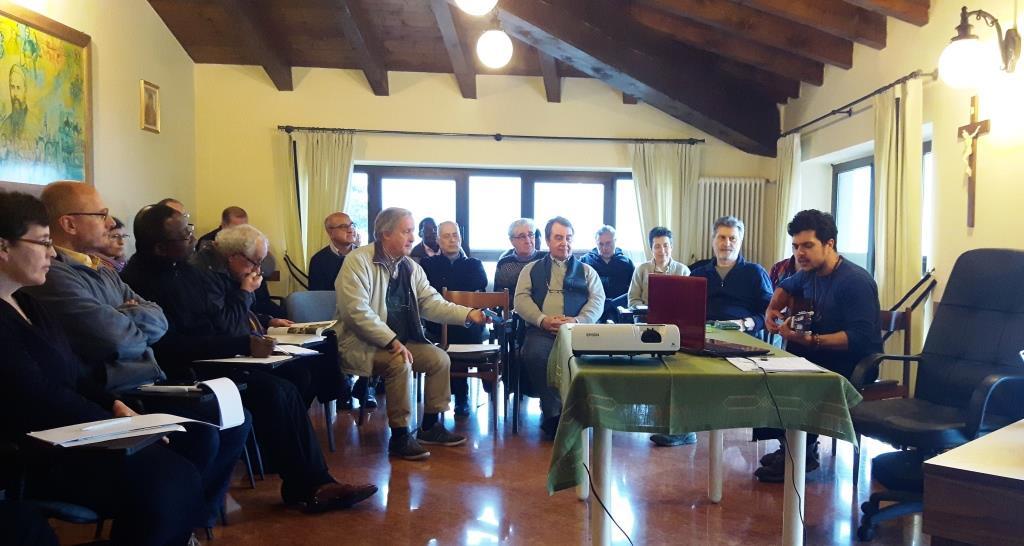
Then came the time of transition through the sabbatical period. Here, I have found space to breathe again. I have learned to slow down, to rest without guilt, to listen to my emotions, and to rediscover myself. Through personal accompaniment, growth groups, and the guidance of my facilitators, I have journeyed through the different stages of my life, from childhood to adulthood, meeting and reconciling with the many versions of myself that shaped who I am today.
This opportunity was, for me, a profound encounter with God. In the silence and prayer, I was gently led into my inner self, into places I had long neglected. There, the Lord met me with tenderness and truth. I became aware of my own weariness and burnout, yet at the same time experienced His healing presence touching my wounds, soothing my emotions, and restoring my strength.
It has been a journey of grace: from fatigue to renewed energy, from inner struggle to peace, from fragmentation to a deeper sense of wholeness in God. I return with a more centred heart, a clearer spirit, and a renewed desire to serve with joy, freedom, and authenticity.
Through the sessions of self-awareness, I have come to rediscover my strengths and challenges and know what helps me thrive. There is more knowledge of myself, and that how I see myself is different from how others see them. When I understand myself better, it’s easier for me to build positive self-esteem.
This is especially important for me who is a religious priest called to live in community with other people who learn and think differently and who struggle differently. In a context like this one, self-awareness, therefore, gives me a way to look not just at my challenges, but also to see others what they’re good at.
I sincerely stepped out of this centre as a different person. I now carry valuable tools for healthier living and ministry: self-awareness, self-care, emotional intelligence, discernment, journaling, and the courage to honour my humanity as much as my vocation.
Returning home, more than going back
This period of renewal lasted between January and May 2026. I was soon assigned to the community of Kariobangi where there is the Holy Trinity Parish run by the Comboni Missionaries. Today, I look back with immense gratitude. I thank God for the wisdom He granted my Kenyan Provincial Superior who proposed this moment first.
As a Comboni missionary returning back home to Kenya after many years abroad I have faced and am still confronting many profound reverse culture shock, shifts in local societal and church dynamics, and deep personal identity adjustments.
Looking I notice rapid urban and rural transformations: Cities like Nairobi and regional hubs have undergone massive infrastructural, technological, and demographic changes, making old routines obsolete.
Compared to Ethiopia where general social life is slower, arriving in Kenya I have noticed the frantic, modern pace of local daily life which can overwhelm someone accustomed to a different slower rhythm or a remote mission like Gublak in Ethiopia.
It has not been easy for me to engage with a younger generation of nephews, nieces and generally youth in my new parish. They hold vastly different digital habits, economic pressures, and social views than years prior. All these call for my patience, unlearn, learn and relearn.
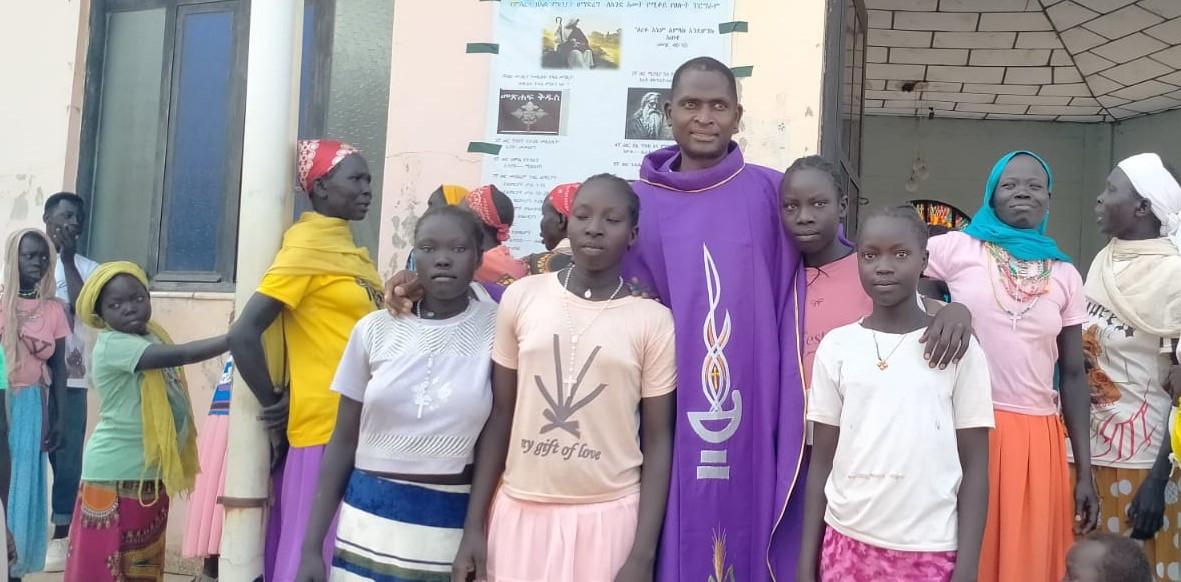
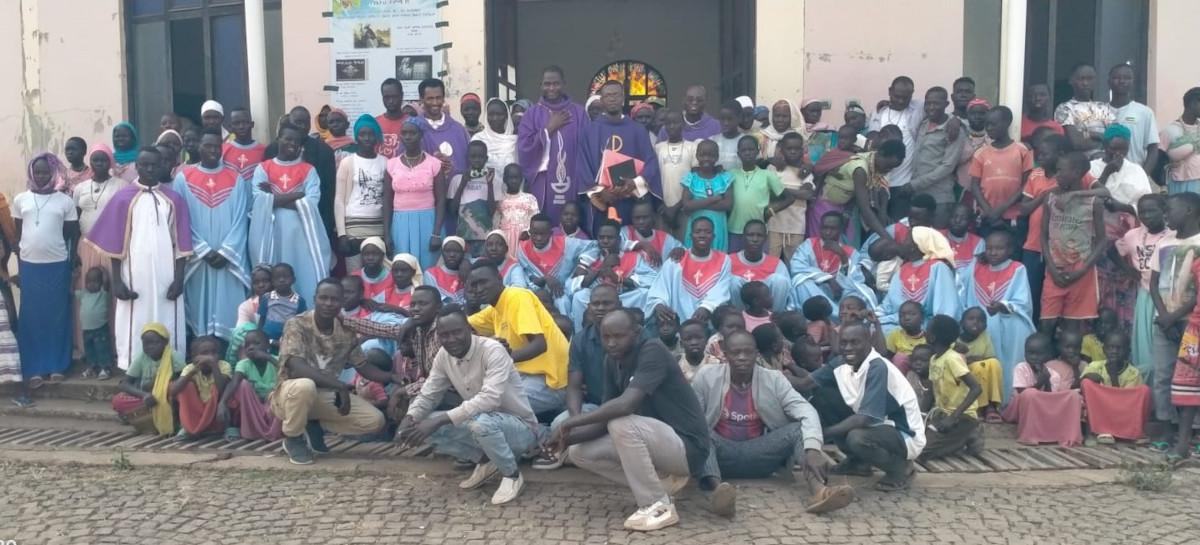
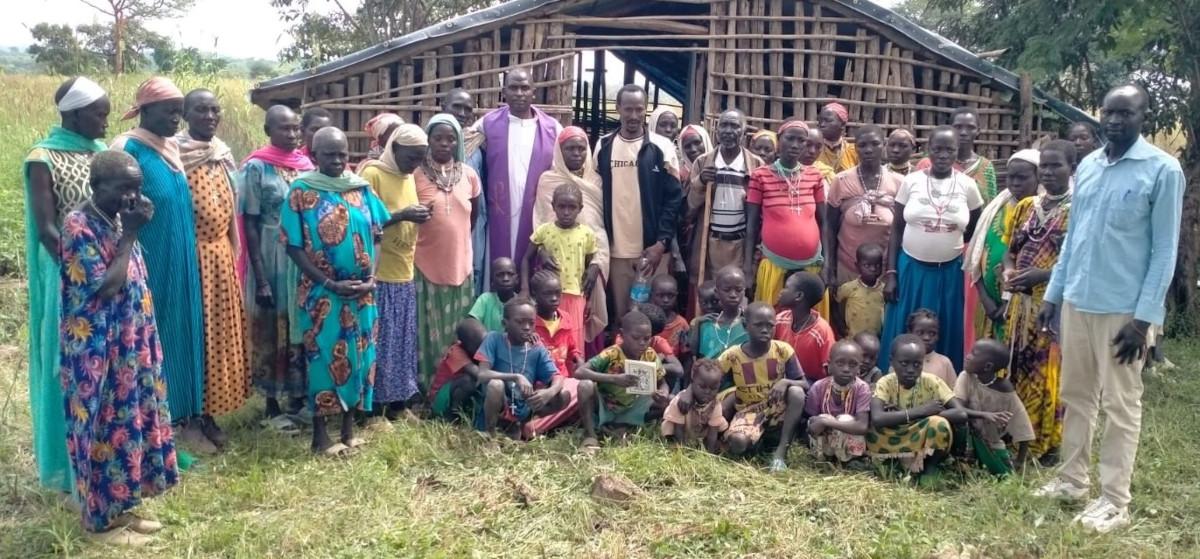
I spent few months in my new community/parish of assignment. I have noticed with satisfaction that the local Catholic Church in Kenya is now largely self-reliant, vibrant, and led by local clergy and bishops. As a returning missionary I feel must find a humble, supportive role rather than a leading one.
Loss and grief, excess baggage, cultural disorientation, relocation issues, spiritual struggles and emotional experiences are some of the issues a missionary faces through the re-entry process. Through this sharing I remain grateful to the Lord for the experience lived in Ethiopia. In this moment of transition I pray that I may build on the richness gained in becoming a better Comboni missionary called have eyes fixed on the pierced Heart of Jesus.
Fr. Isaiah Sangwera Nyakundi, MCCJ