
Daniel Comboni
Comboni Missionaries
Institutional area
Other links
Newsletter
Mission among the Nuer in South Sudan
Wednesday, August 12, 2026
South Sudan is a wounded land. It is the youngest country in the world, born in 2011 after decades of war and suffering, when its people, filled with hope, voted for secession from the North. Many dreamed at last of peace, of freedom, and of the chance to build a new future.
However, that dream soon turned into a new nightmare. A bloody civil war ravaged the country, sowing death, hatred, and despair. Even today, thousands of innocent people pay the price of violence and the lust for power. And in the face of such immeasurable suffering, we recognize that Christ continues to be crucified in the body of his people. And yet, even in the midst of this darkness, the Gospel shines with a surprising power.
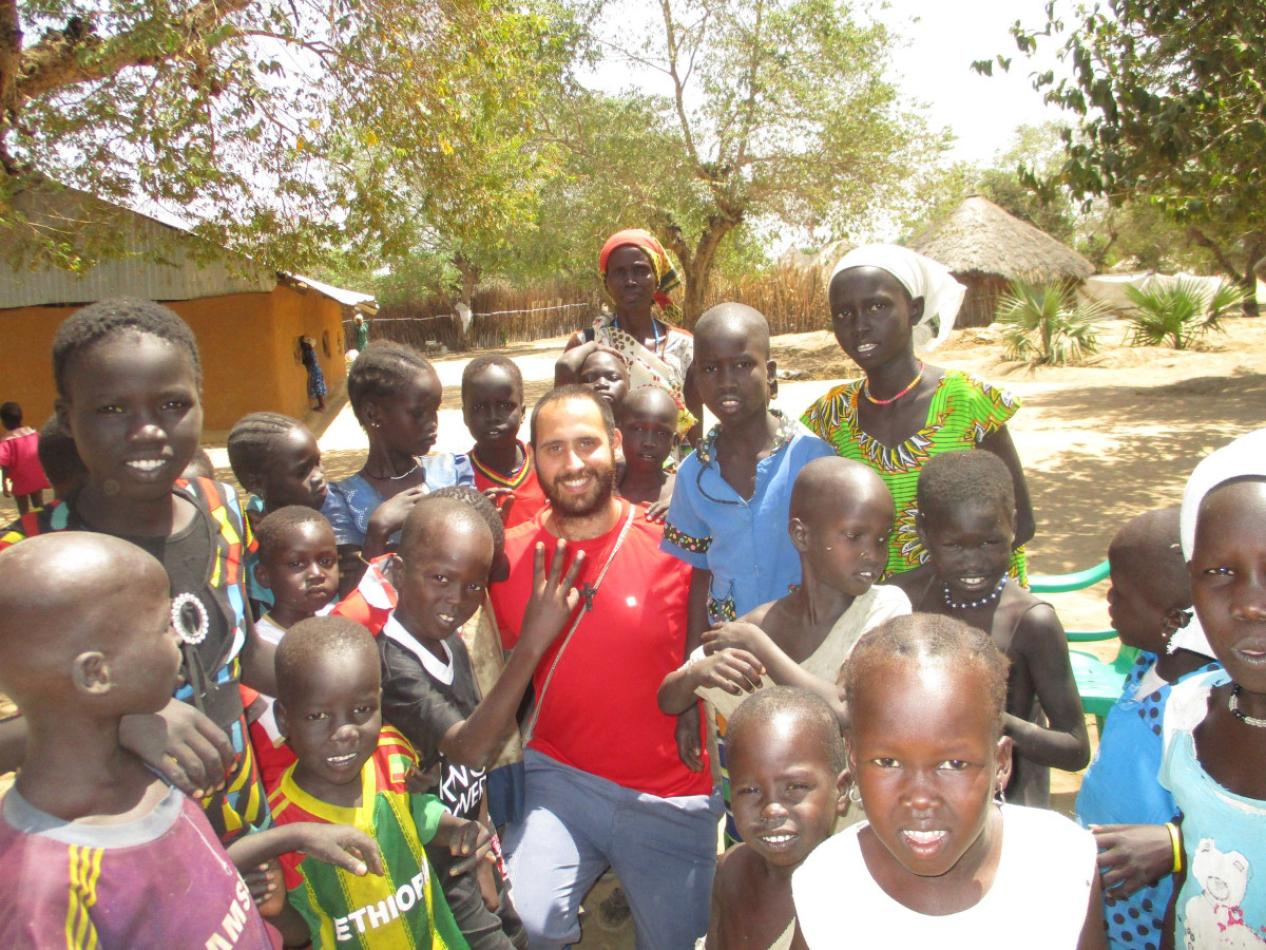
The Church among the Nuer was born of the courage of simple catechists. Poor men and women who had fled war, hunger, and disease came to the land of the Nuer, bringing with them nothing but their faith in the risen Lord. They had no resources, they had no security, but they carried the fire of the Gospel in their hearts. They travelled from village to village, along paths and trails, proclaiming that Jesus is alive and that no suffering can separate anyone from the love of God. For nearly twenty-five years, these catechists guided the Church without priests, guarded the faith of the people, and prayed tirelessly for missionaries to come who could administer the sacraments and accompany the growth of Christian communities.
In 1996, the Comboni Missionaries arrived in Leer. And it was they — the missionaries — who found themselves evangelized. For they discovered a living, vibrant Church, one that had grown from the quiet, faithful witness of ordinary people. They understood that God had already been present among the Nuer long before their arrival.
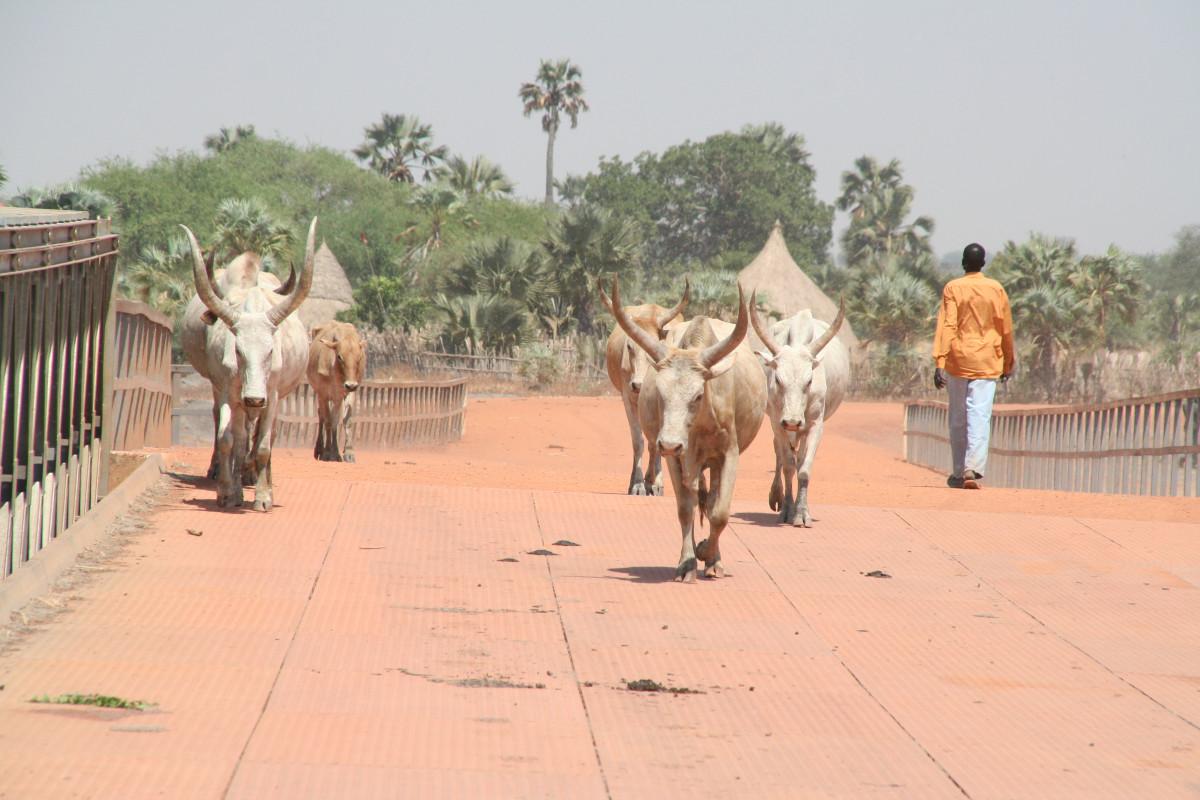
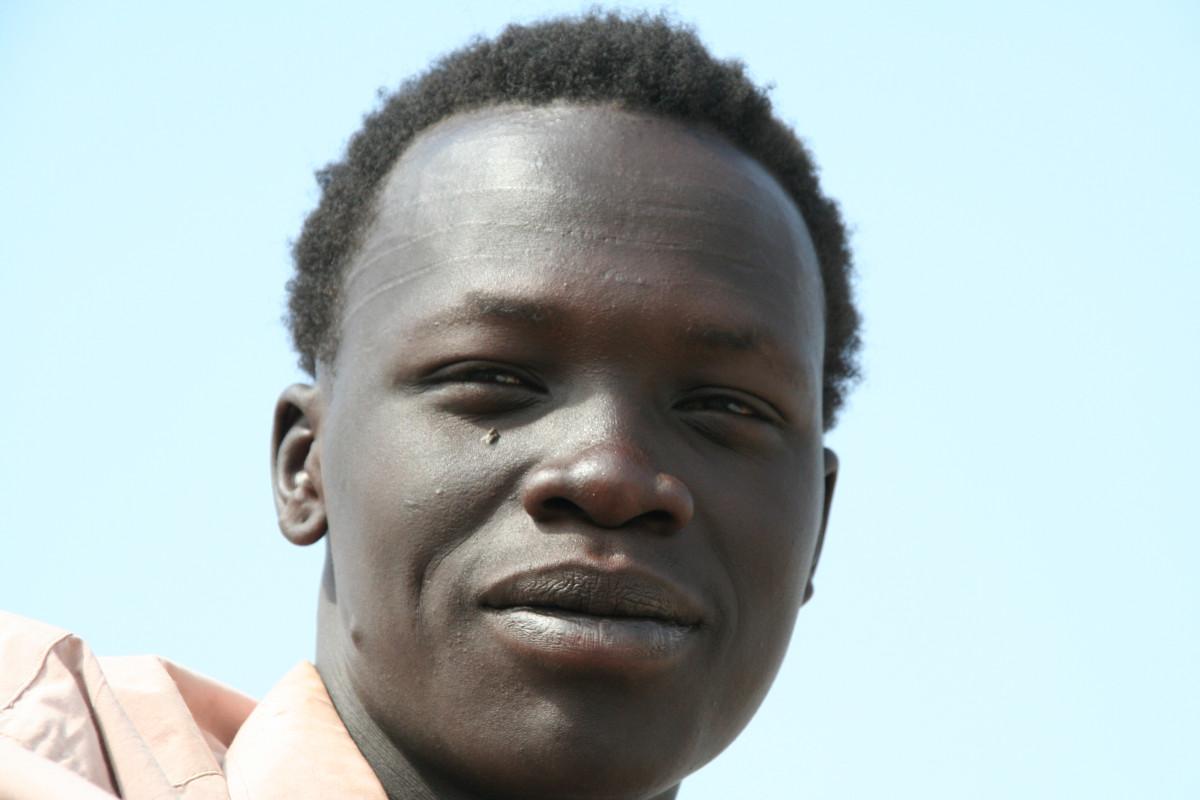
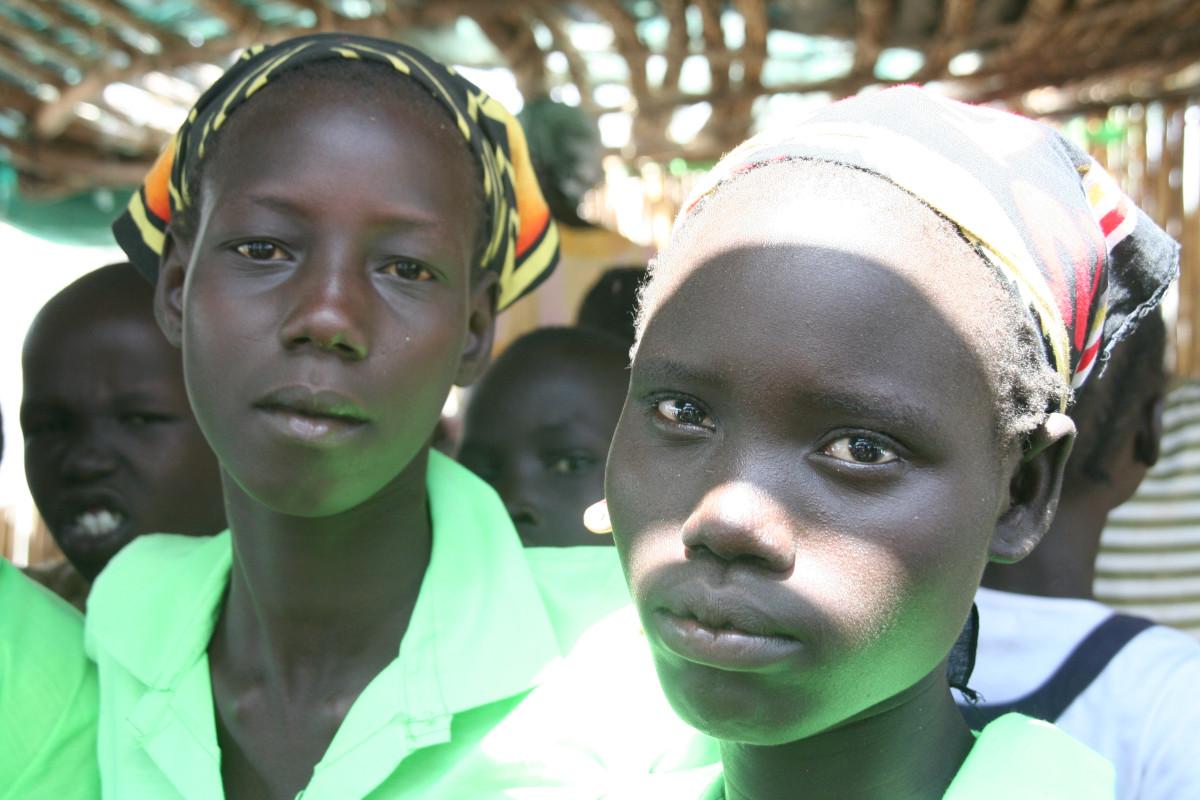
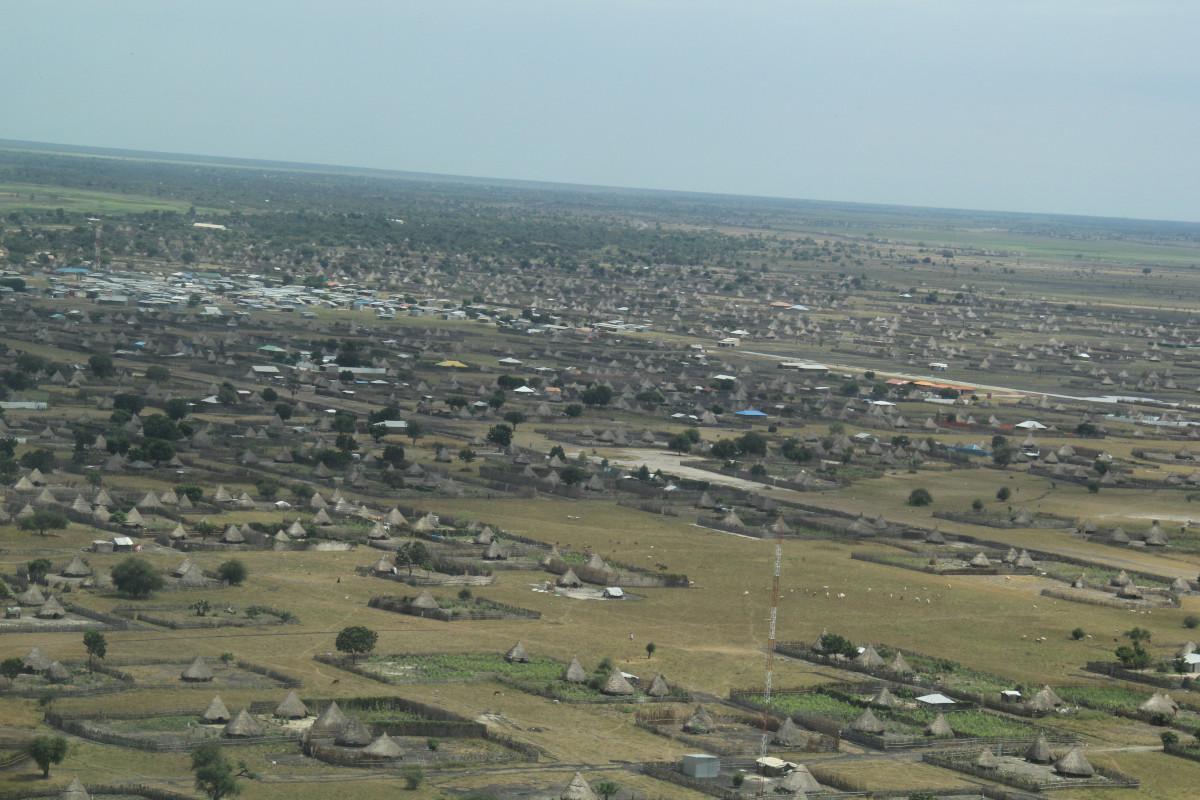
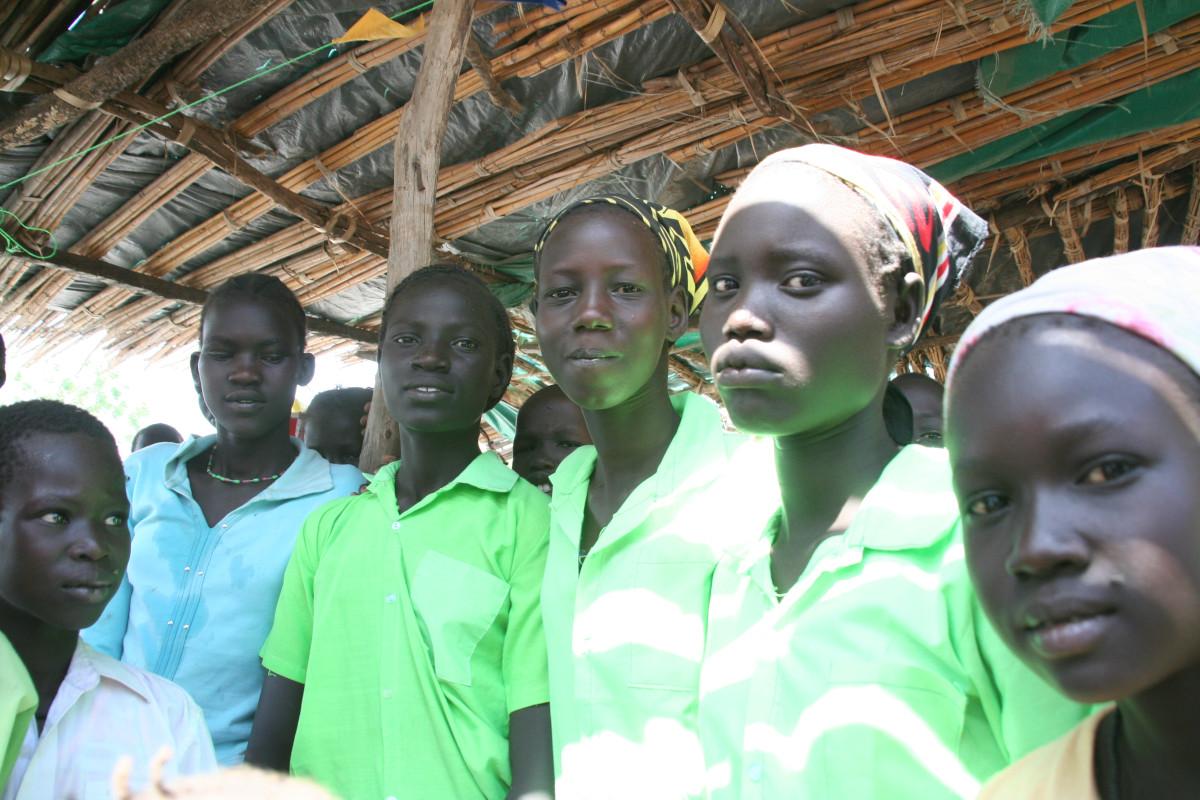
Since then, the missionaries have chosen to live as the poor among the poor, sharing in the daily life of the people. It was a decision that took on the face of the Cross when, in 2014, the mission in Leer was completely destroyed in armed attacks to the city. The missionaries were forced to flee into the bush with the people and to live in hiding for two weeks while fighting devastated the villages. Yet they refused to abandon the people. They resolved to stay and to stand in solidarity with them.
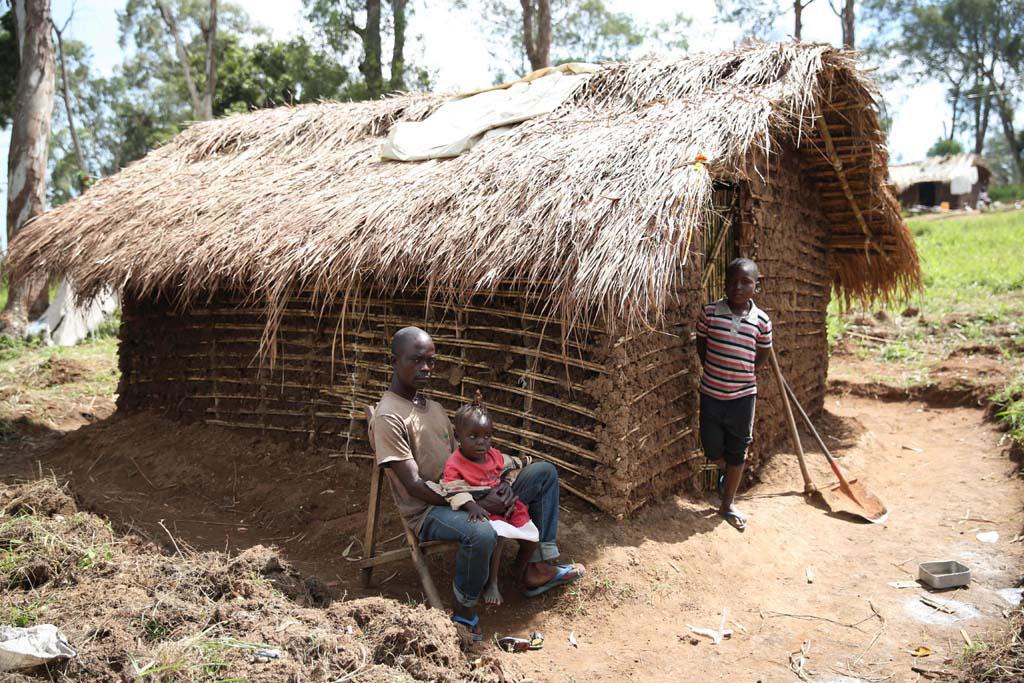
Today we live in a dangerous region of South Sudan called Leer, accessible only by helicopters of the World Food Programme (WFP). Here, people suffer from severe famine; there are no adequate hospitals and no electricity. During the rainy season, much of our mission’s territory turns into a vast swamp: one walks for kilometres through water and mud, often using canoes carved from palm trunks to reach the most remote communities. Some pastoral visits require journeys lasting several days.
Malaria continues to claim the lives of many children, and often even the most basic medicines are lacking. And yet, in the midst of such extreme poverty, the Nuer people never cease to amaze us with their dignity, their generosity in sharing, and their unshakeable faith.
The Nuer are a pastoral people. The cow stands at the centre of their lives: she gives milk, feeds the family, represents wealth, and is offered at weddings. Yet it is precisely over cattle that bloody conflicts often erupt between different clans and ethnic groups. Hatred and revenge fuel a spiral of violence that claims hundreds of lives every year.
Education, too, has been deeply scarred by the war. In many areas there are no secondary schools, and teachers work for little or no salary. In most schools, children learn sitting on the bare ground or bring a chair from home, if they happen to own one. A great many girls are unable to attend school because they are forced into domestic labour or married off at a very young age.
The illiteracy rate remains very high, and many young people flee to refugee camps in the capital, Juba, or in Kenya and Uganda, hoping to find the chance to learn. Last year, we, Comboni Missionaries, opened a secondary school dedicated to Saint Daniel Comboni, to help our people fulfil their dream of education. We have also offered scholarships to help some young people attend university in Juba, the capital of South Sudan. The Gospel continues to create hope and to build life where there seems to be none left.
We missionaries are called, first and foremost, to proclaim peace — in the midst of a violence born of a war caused by the corruption and thirst for power of a few who care nothing for the thousands of lives lost each year because of their greed. We strive to be a force of reconciliation in a country scarred by hatred and revenge. We walk with the people, share their suffering, and listen to their cry. We visit the most remote communities to proclaim that God has not forgotten them.
Here, Jesus is called “the Lord of Peace.” It is a beautiful name. In the midst of war, hunger, and fear, the people continue to believe that God is near. They keep on praying. They keep on hoping. And it is the poor, above all, who evangelize us missionaries. In their faces we discover the tenderness of God. In their ability to share the little they have, we see the Gospel lived in all its radical fullness.
Truly, these people evangelize us by revealing to us God’s tenderness for us. It is indeed the case that the poor are our teachers, showing us the face of God (Matthew 25:31-46). It is truly a great joy to walk alongside them. The poor become masters of faith. They teach us that Christian hope is no naive illusion but the certainty that the risen Christ continues to walk with his crucified people.
And so we carry on with our mission, sustained by unshakeable hope. We continue to believe in the resurrection of South Sudan. We continue to proclaim that Emmanuel, God-with-us, never abandons his children. Even in the darkest of nights, the Gospel remains a radiant light. And no war will ever be able to extinguish the power of God's love.
Father Mario Pellegrino, MCCJ
Comboni-Missionare