
Daniel Comboni
Comboni Missionaries
Institutional area
Other links
Newsletter
Fr. Diego: “Rebuilding in Khartoum. Priests standing alongside the people in El Obeid”
Monday, August 17, 2026
The Provincial Superior of the Comboni Missionaries in Egypt and Sudan speaks to SIR about the work of the missionaries in the capital, which has been recaptured by the government army: “It is a time of intense commitment.” Speaking from Khartoum, the missionary echoes the appeal of Pope Leo XIV: “He speaks clearly about priorities, without the frills of diplomacy.” In Khartoum, the Comboni Missionaries are working to rebuild parishes, schools, and church facilities. In besieged El Obeid, the bishop and several local priests are holding out “with courage and generosity”.
Few missionaries remain in Sudan, where a bloody internal conflict has been raging for over three years, triggering the world’s largest humanitarian crisis, with 33.7 million people in need of aid and 9.14 million internally displaced. Among the missionaries who have chosen to stay are the Comboni Missionaries, present in Port Sudan, Kosti, and Khartoum, which has been recaptured by the government army (Sudanese Armed Forces – SAF) led by General Abdel Fattah al-Burhan. Here, they are trying to rebuild and restart schools and other social activities.
Father Diego Dalle Carbonare, the Provincial Superior of the Comboni Missionaries in Egypt and Sudan, lives in Khartoum. From there, he listened to Pope Leo XIV’s appeal during the Angelus on Sunday, August 9, to “guarantee humanitarian corridors for the civilian population” and support “an immediate ceasefire”.
Humanitarian aid and a ceasefire: the two priorities.
“These are the two things we need. It is a very clear and highly important appeal, which has been very well received by the Christian community and by us missionaries present in Sudan,” he comments to SIR. “An appeal that does not try to skirt around the issues with the many frills and complicated words of diplomacy, but speaks clearly about what the priorities are.
The first is to grant access to humanitarian aid for those in need; the second is for the guns to fall silent.”
In Khartoum, work continues to resume activities in parishes, schools, and church facilities. Before the missionaries’ eyes lie the ruins of a city wounded by conflict; the displaced population is now trying to return, amid countless difficulties. “It is demanding work,” explains Father Dalle Carbonare, “because it involves rebuilding and repairing damaged facilities, as well as recovering or repurchasing what has been lost—not only because it was destroyed, but also because it was stolen.
It is a time of intense commitment, which we are carrying forward also thanks to the solidarity of so many people.
It is heartening to see that the Catholic Church understands and knows what the ongoing priorities and emergencies are, much more so than our politicians often manage to do, or than the media clamour would have us believe.”
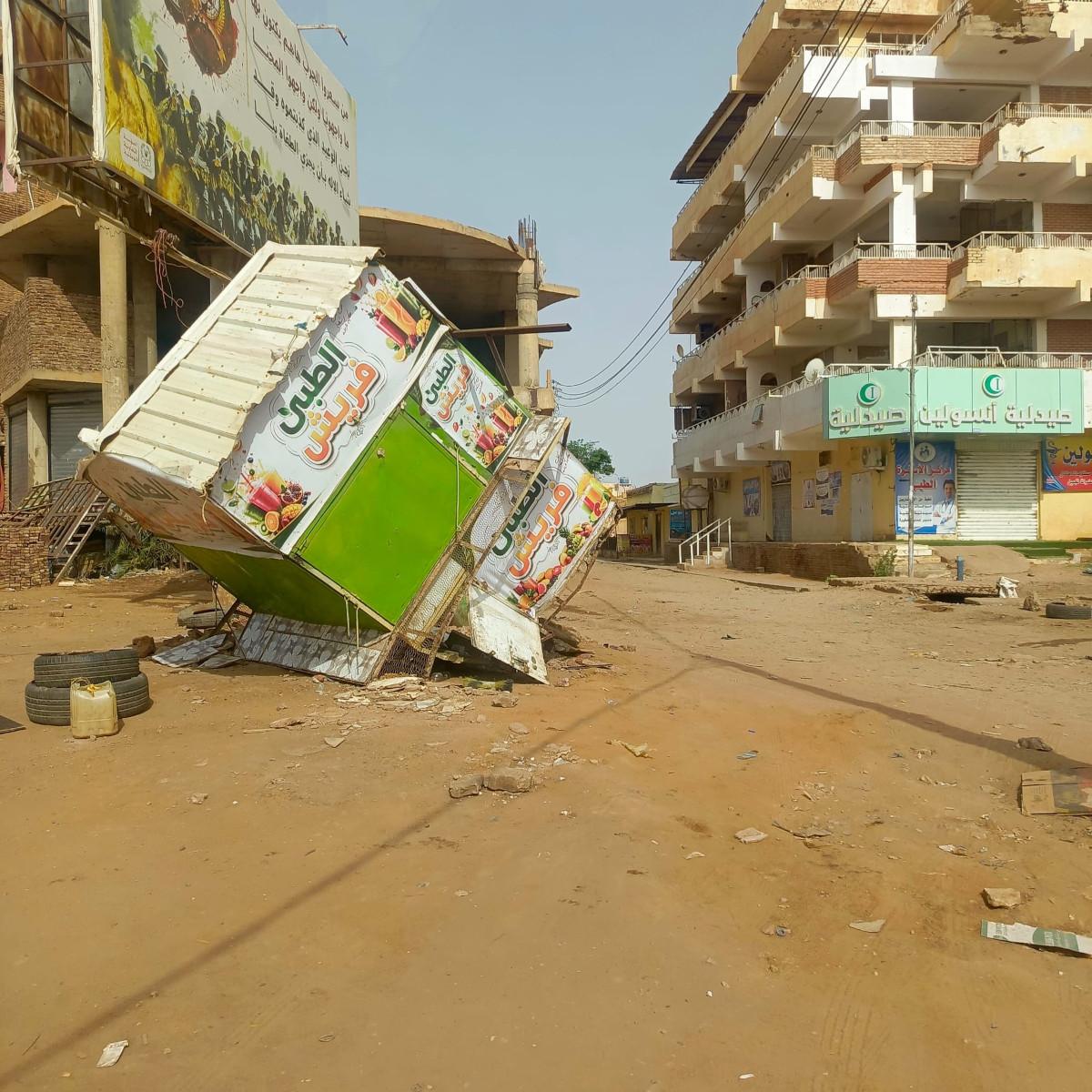
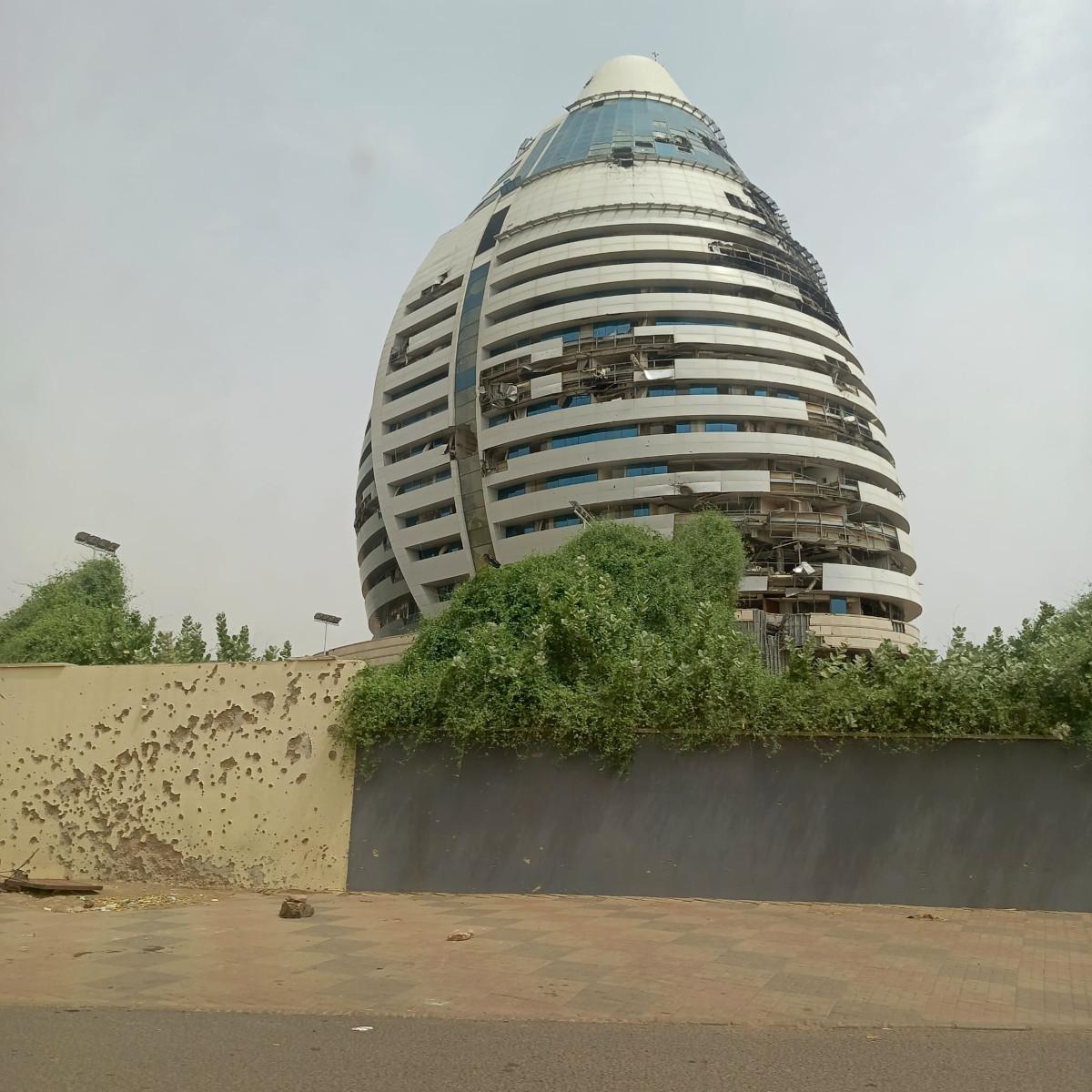
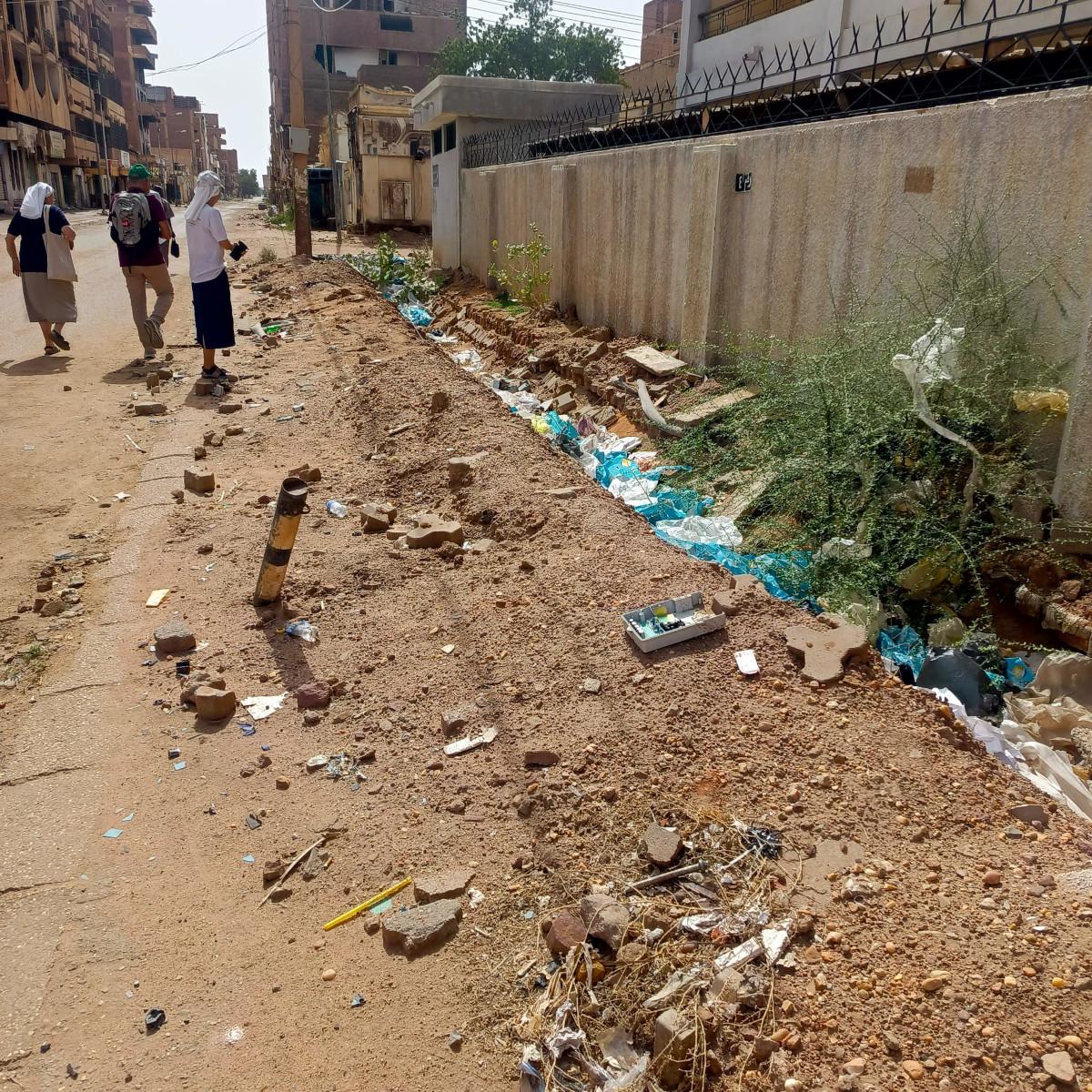
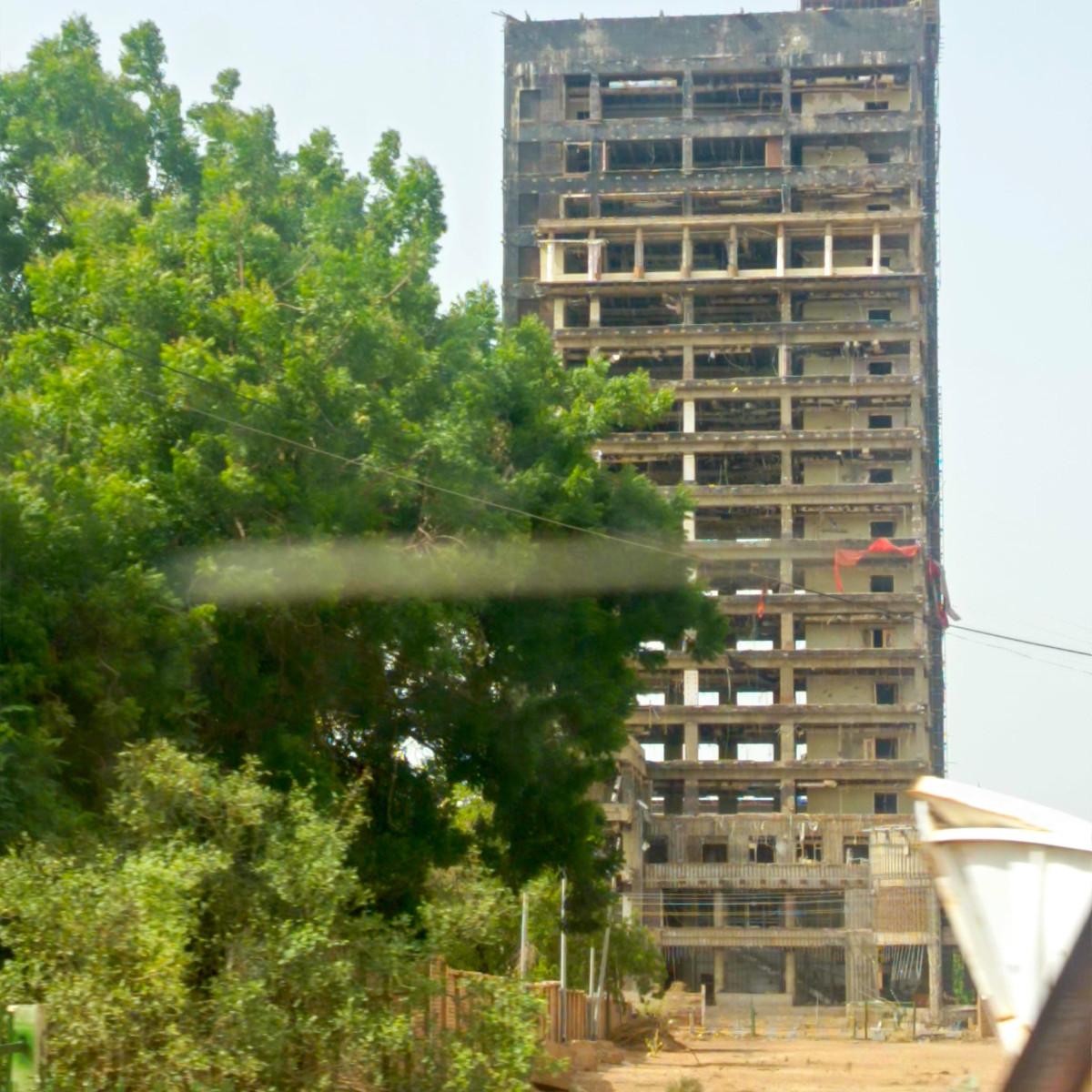
The most severe emergency in recent weeks is in El Obeid, the capital of North Kordofan and a strategic hub between central Sudan, Darfur, and the southern regions. The city has been under siege for months by the Rapid Support Forces (RSF) led by Mohammed Hamdan Dagalo, known as “Hemedti”, the heirs to the Janjaweed militias, notoriously known for their brutal violence, looting, and ethnic cleansing against non-Arab populations during the Darfur war in 2003.
Although violence is currently being perpetrated by both armies, the RSF is the subject of numerous allegations of serious war crimes and sexual violence by human rights organisations. The UN has recently issued new warnings about the risk of El Obeid becoming like El Fasher, the city in Darfur captured by the RSF in 2025, where grave atrocities against civilians took place.
“There have been no foreign missionaries in El Obeid for two years now: we Comboni Missionaries and the Missionaries of Charity were evacuated in July 2024. We were the last to leave,” Father Dalle Carbonare clarifies: “Four or five diocesan priests remain, along with the bishop. They are all locals and, with great courage and generosity, they continue to be present.
We support them and truly admire them for the stand they are taking.”
It is a conflict characterised by the massive use of drones, which are claiming civilian lives. According to the UN High Commissioner for Human Rights, between 6 and 28 June, at least 15 drone attacks in the El Obeid area caused at least 45 civilian deaths and 41 injuries, also hitting markets, schools, petrol stations, water infrastructure, and vehicles. In the first four months of 2026, drone attacks killed at least 880 civilians in the area, accounting for 80 percent of the total deaths recorded by the United Nations in the region.
Furthermore, there are ongoing tensions with Ethiopia and South Sudan. Behind the conflict lie international interests in the gold trade, directed towards Arab and Western countries, as well as competition between regional powers and cross-border military networks.
Patrizia Caiffa – AgenSIR