
Daniel Comboni
Comboni Missionaries
Institutional area
Other links
Newsletter
Carapira celebrates 80 years of Comboni presence in Mozambique
Wednesday, August 26, 2028
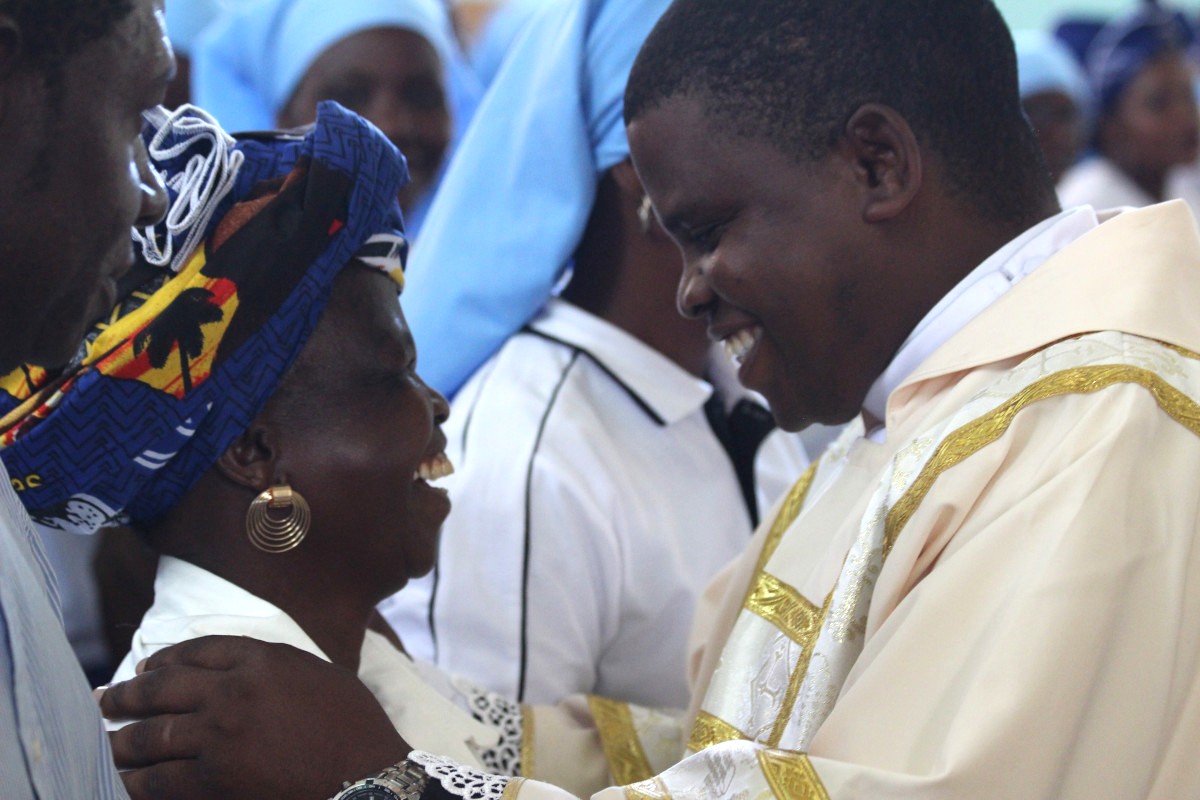
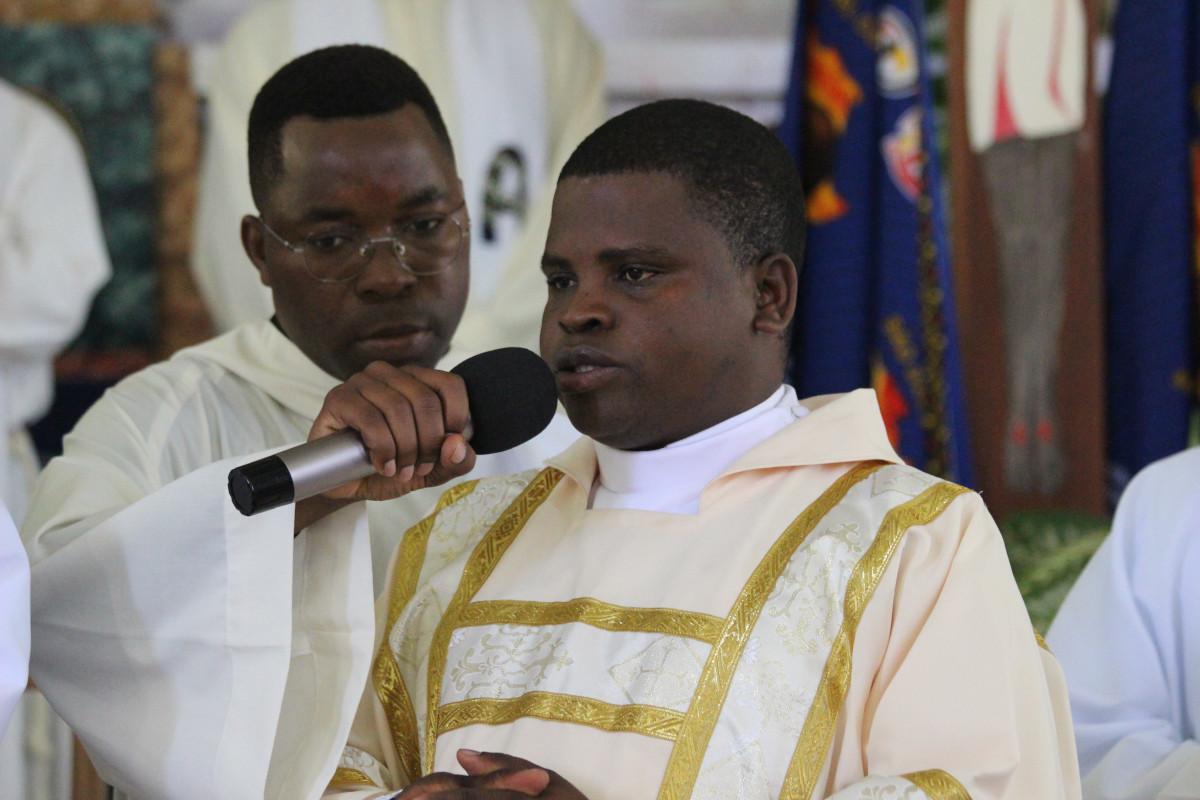
The mission of Carapira, in the Diocese of Nacala, which welcomed the first Comboni missionaries 80 years ago, was the setting for the highlight of the celebrations of the Comboni presence in the country, under the theme “Mission in the heart”, and rejoiced at the diaconal ordination of Felizardo Azevedo.
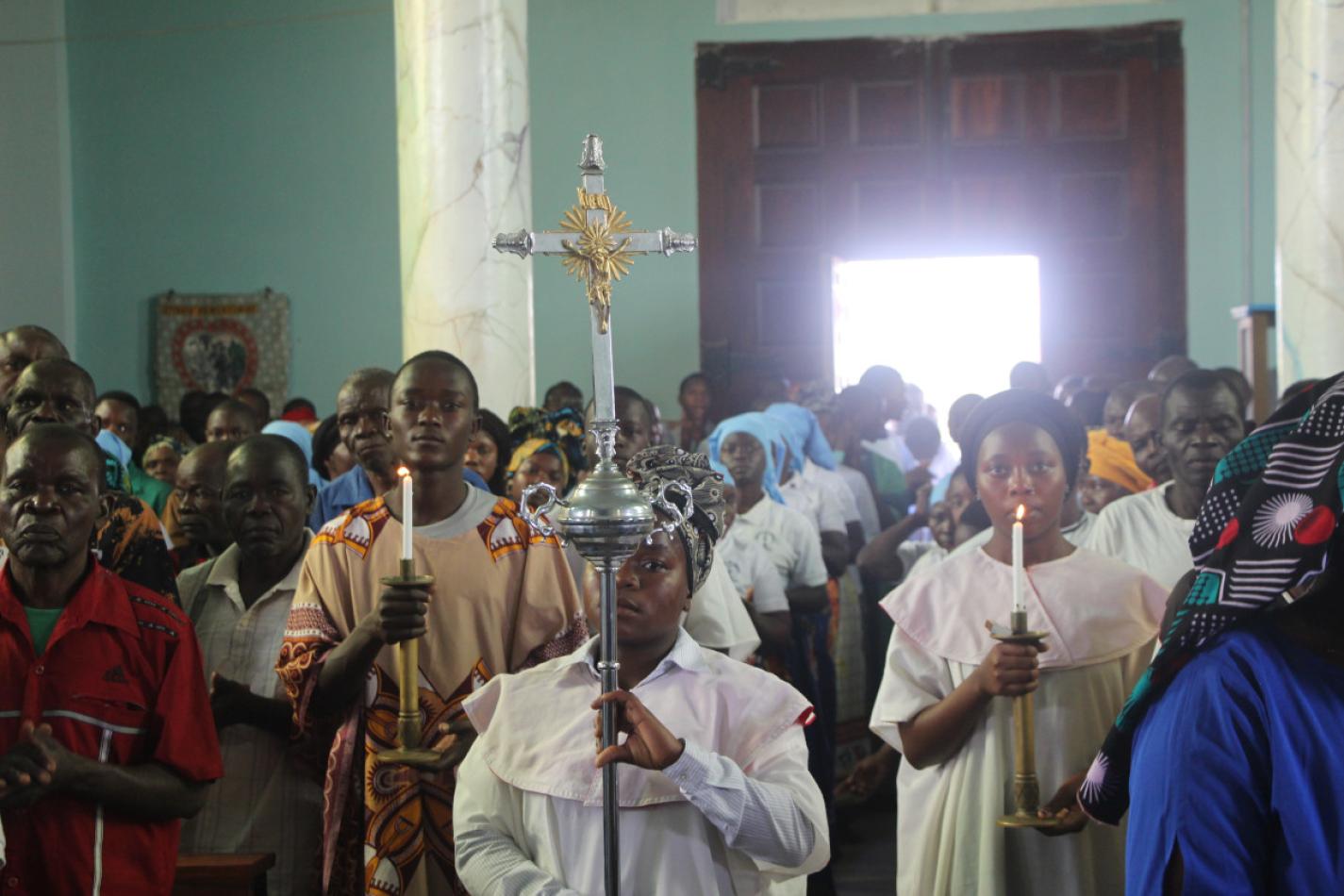
The Parish of the Immaculate Heart of Mary, in Carapira, Diocese of Nacala, once again gathered hundreds of faithful for a single, solemn celebration on Sunday, 23 August. The event took place three months after the priestly ordination of the first Comboni priest from that parish, Father Fidélio Artur, a missionary in South Sudan.
The celebration in Carapira constituted the high point of the commemorations of the 80 years of Comboni presence in Mozambique. The choice of Carapira as the epicentre of the celebrations is also historical, as it was there that, in July 1946, the first Comboni missionary arrived, Father José Zambonardi.
A history of grace, dedication, and sacrifice
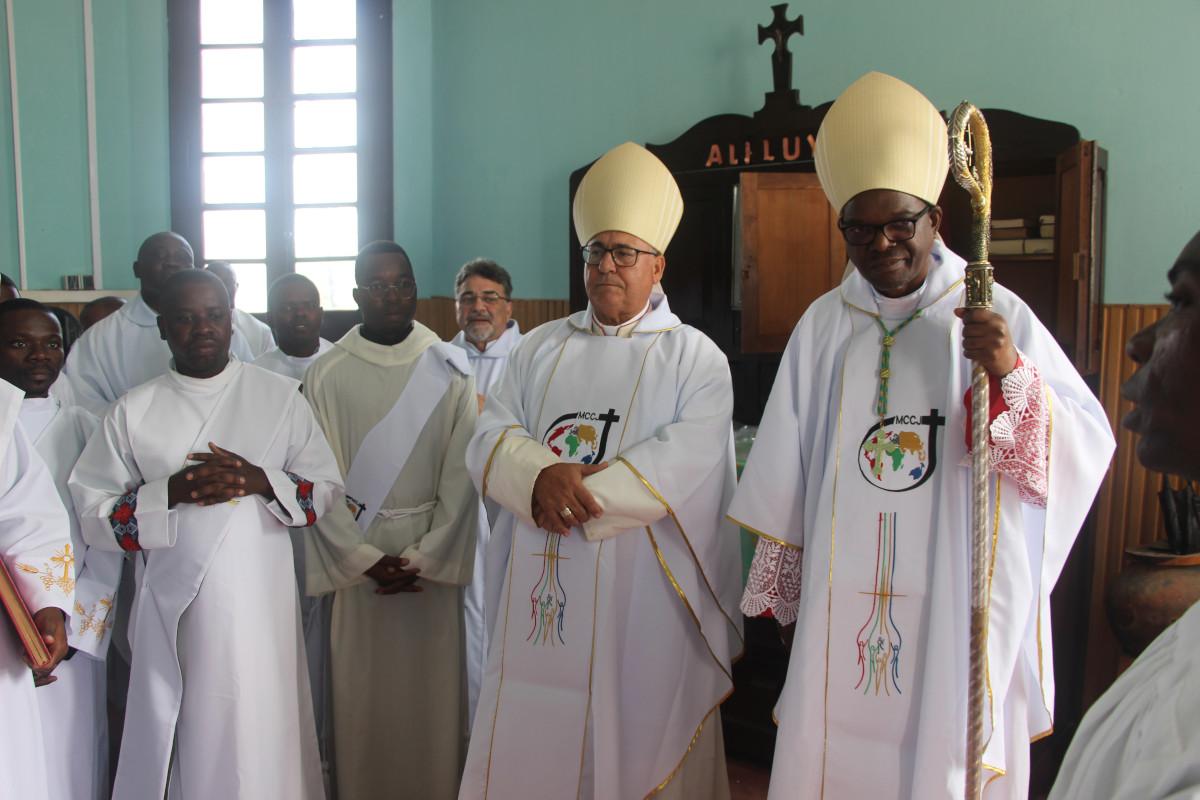
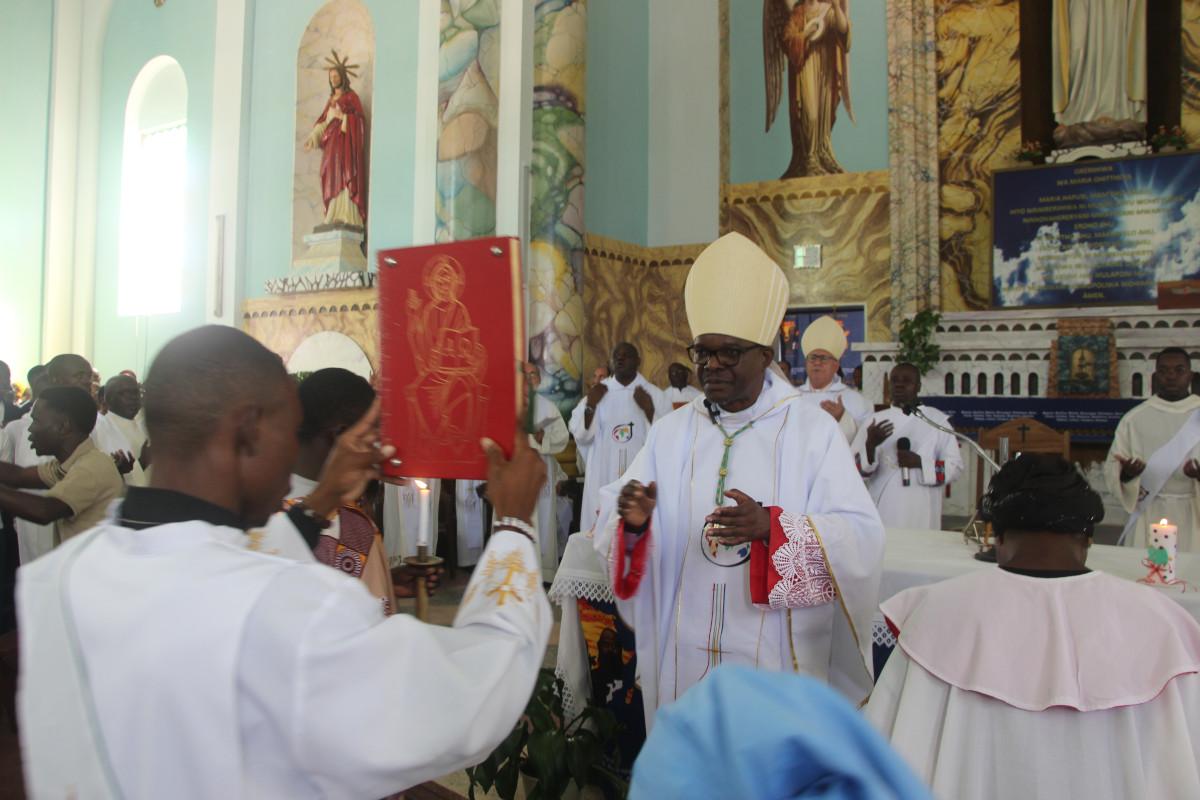
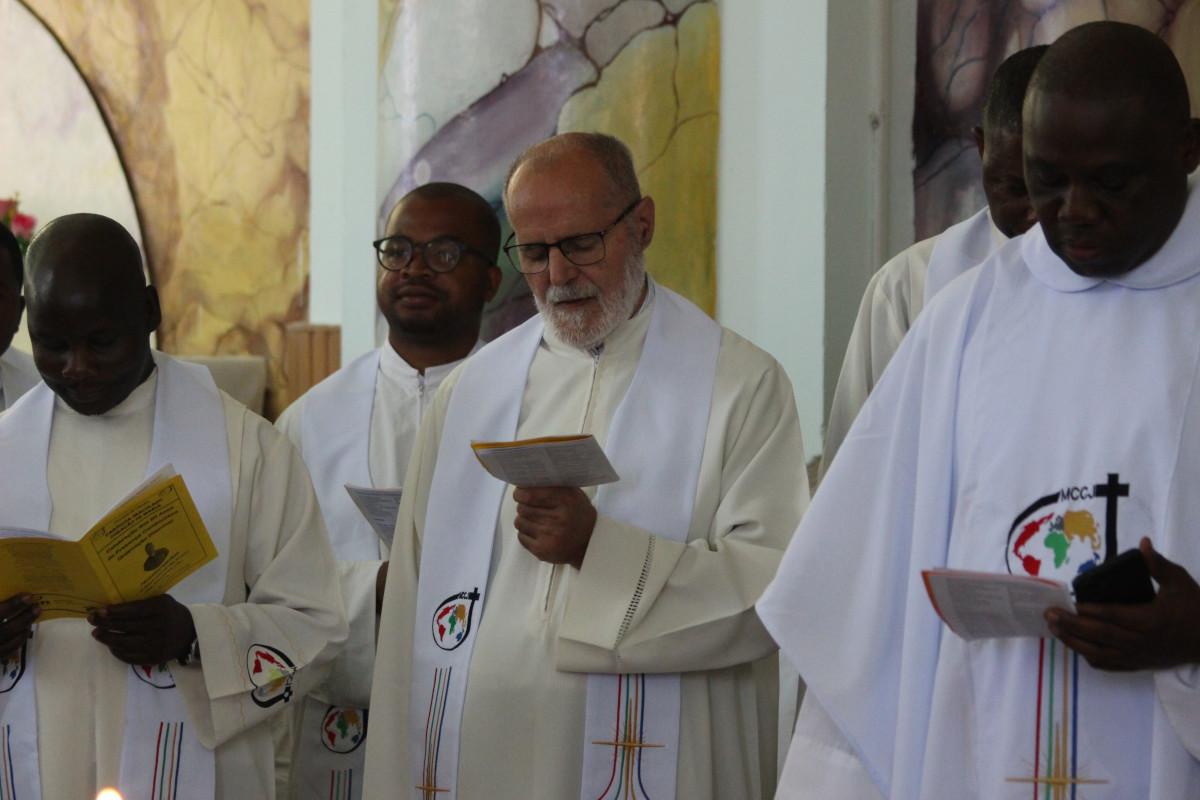
The Eucharistic celebration was presided over by the Comboni Bishop António Constantino, Bishop of the Diocese of Caia and Apostolic Administrator of the Archdiocese of Beira. It was concelebrated by Bishop Alberto Vera Arejula, Bishop of Nacala, by Father Luigi Codianni, Superior General of the Comboni Missionaries, and Father José Joaquim Luís Pedro, Provincial Superior, along with other members of the presbyterate.
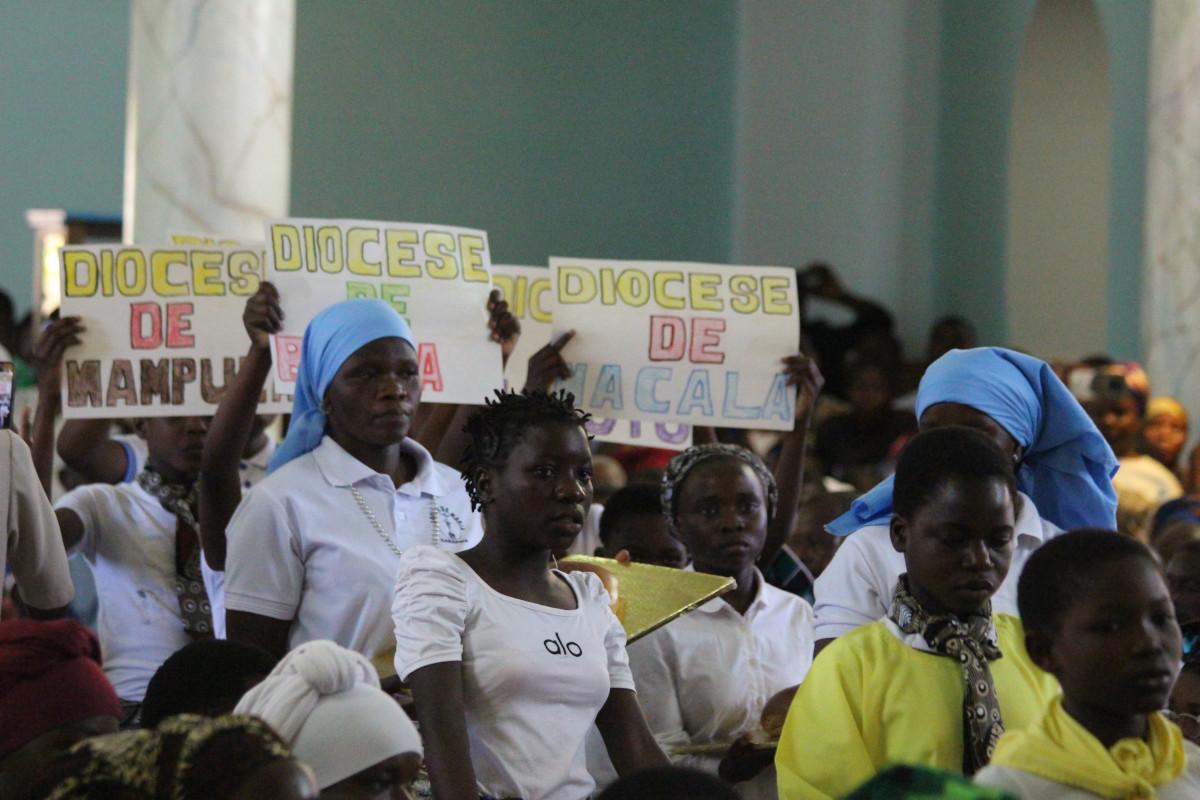
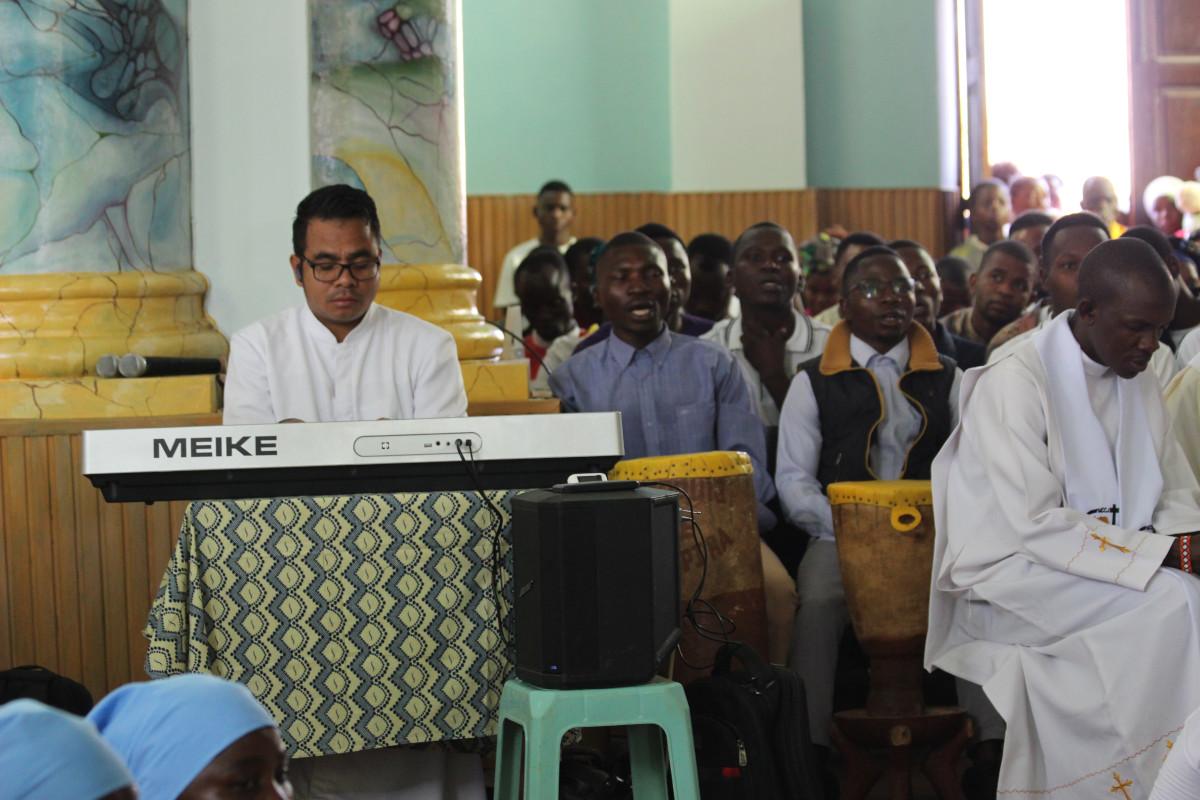
In addition to the Comboni family – priests, sisters, lay people, and members of the newly created Mozambican Association of Comboni Lay People – numerous priests from the diocesan clergy of Nacala, other missionaries, religious, civil authorities, and the beloved people of God were also present.
In his homily, the prelate began by recalling: “Today, here in Carapira, we are not just celebrating a date. We are celebrating a history of grace. We are celebrating 80 years of missionary presence, of dedication, sacrifice, and hope, and above all, of fidelity to God.”
Mgr António referred, in a gesture of gratitude, to the missionaries, men and women, who left their land, their language, their family, and their security to proclaim Jesus. “Some arrived young and left elderly, some arrived full of strength and left frail, some gave decades of their lives and others gave their entire lives. Here are their graves in this soil of Carapira”, he noted.
Challenges for the future: boldness and Christ at the centre
Drawing inspiration from Jesus’ question in the Gospel – “And you, who do you say that I am?” – the bishop stated that the first great message of this celebration is not to live off memory, nor to look only to the past, but rather to ask what the Lord still wants from us today. He appealed for this central question not to be lost sight of, just as Comboni did, who gave his life for Christ.
And he warned: “A missionary congregation can change methods, change structures, places, and forms of presence, but there is something that cannot change: Christ must remain at the centre.” Finally, he exhorted: “To be faithful to Comboni today is to have missionary boldness and to embrace new horizons, new missions.”
Addressing the ordinand, Mgr António characterised his ministry: “Today you are not just receiving a function, you are receiving a way of life in the form of service… Do not live on appearances nor on the ostentation of vestments.”
And to all he left a great challenge: “Do not lose the capacity to take risks for Christ. Comboni was a man of courage.”
Building bridges and sharing hope
Called upon to leave a message, the Superior General, Father Luigi Codianni, characterised the celebration as an act of gratitude to God, to the missionaries who gave and give their lives for Christ and for the mission, and to the lay people, who are the protagonists of the mission.
Father Codianni invited everyone not only to be bold but also to let themselves be surprised by what they find, remaining open to the challenges that history proposes. He also shared a dream: “To be together once again to build bridges and, above all, to share hope… To seek the humanity that helps to discover the humanity in every person.”
In his message, the Provincial Superior, Father José Joaquim, referred to the moment not as a coincidence, but as a divine action that prepared this land and this people to receive the Comboni charism. He highlighted that their permanence was not an improvisation, as it was born of a solid spirituality, a profound identification with the founder, and a total dedication to the Gospel: “The Comboni mission continues to be a mission with the people and through the people.”
The Provincial recalled that, in difficult times, the Comboni missionaries have always stood by the people and with the people. He affirmed that it is also time to ask the people for forgiveness for any shortcomings and renewed the commitment to always stand by the most needy.
Missions born from a humble hut
Mgr Arejula, Bishop of Nacala, said he was convinced that Saint Daniel Comboni is exulting with joy at this moment.
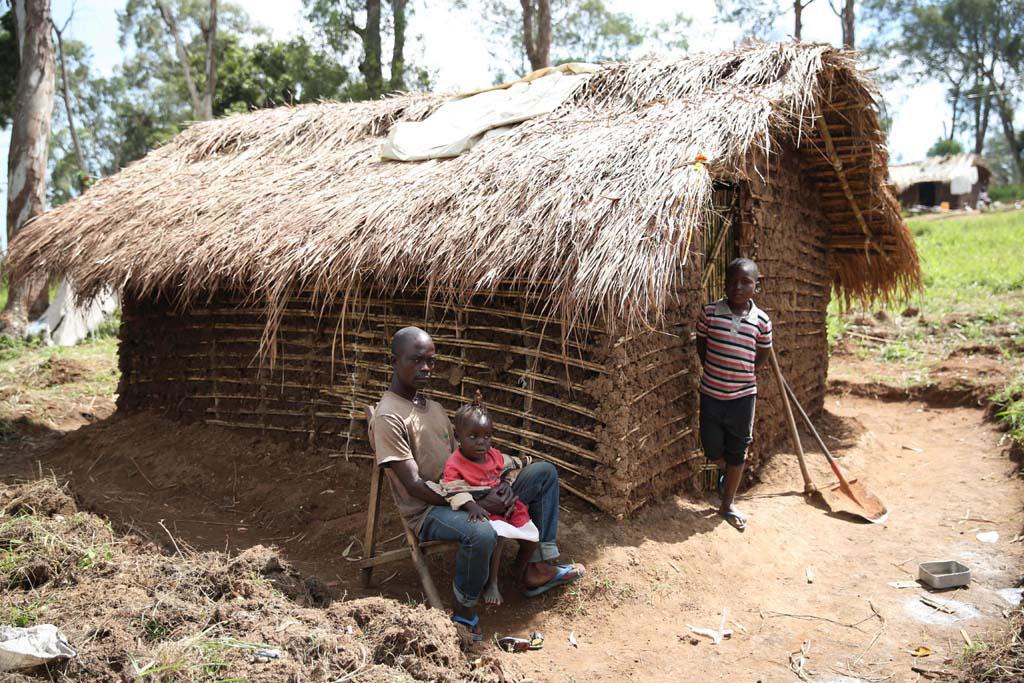
He recalled that the first two Comboni missionaries who were in Carapira, between 1946 and 1948, lived in a small three-by-three-metre hut, which shows how difficult the beginnings of these 80 years were. However, from the humble hut and the work of the two missionaries, the different missions of the diocese were born: Carapira, Mueria, Namahaka, Memba, Chipene, Alua, Mirrote, Nacaroa, Netia, Mossuril, Lunga, among others. The bishop thanked, on behalf of all these parishes and communities, the Comboni presence in the diocese.
It should be noted that Deacon Felizardo Azevedo is a native of Carapira and studied theology in Cape Coast, Ghana. For the motto of his diaconal ordination, the young missionary chose the verse “Can anything good come out of Nazareth? – Come and see” (John 1:46).
Father Sérgio M. Vilanculo, MCCJ