
Daniel Comboni
Comboni Missionaries
Institutional area
Other links
Newsletter
Khartoum: health among the ruins of war
Friday, August 28, 2026
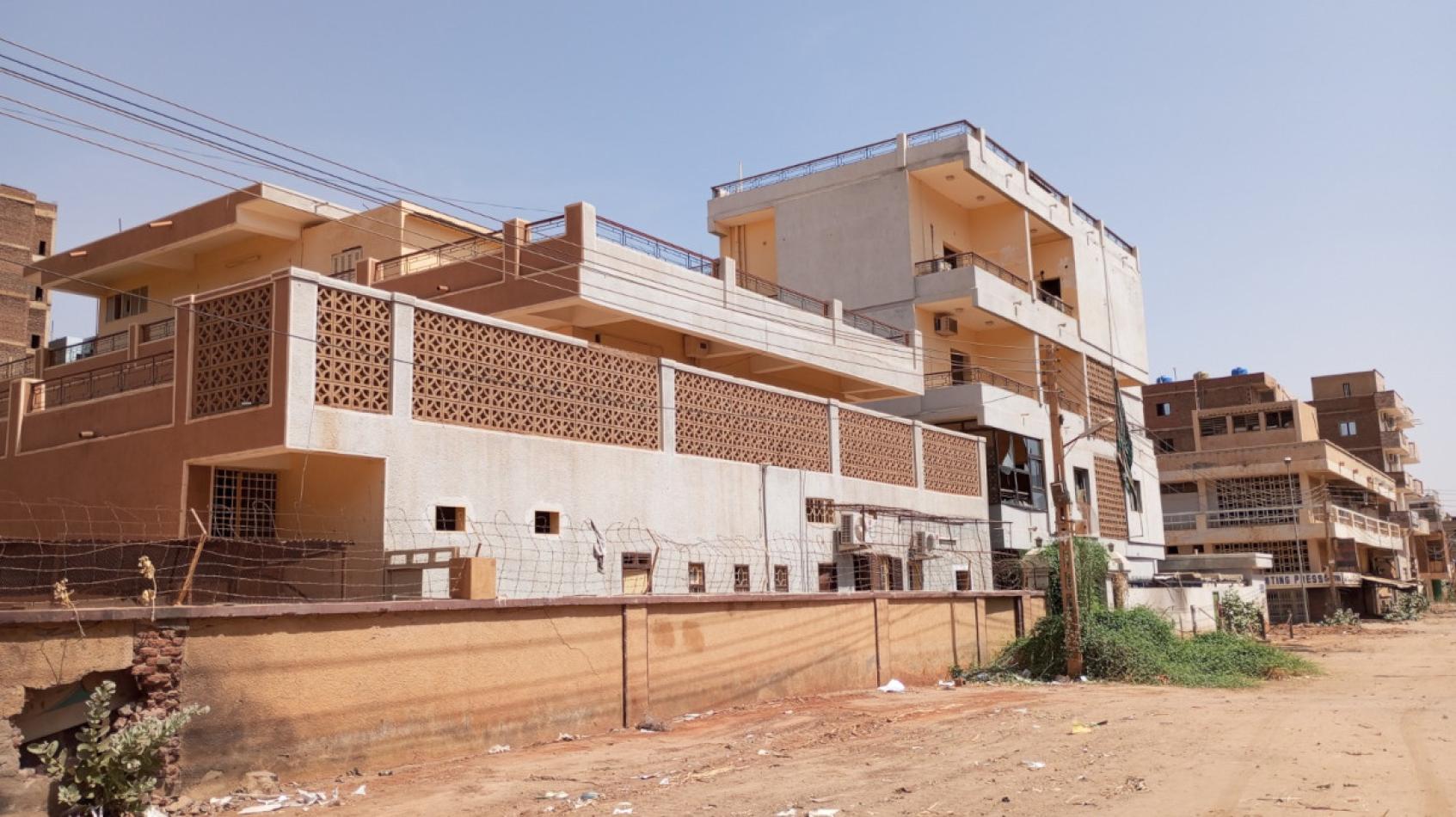
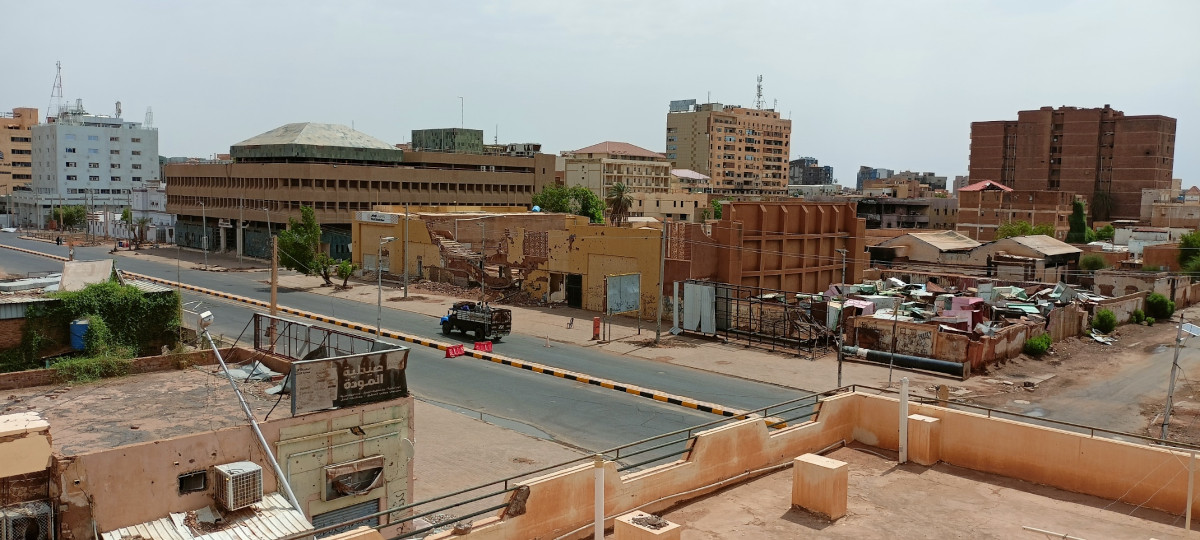
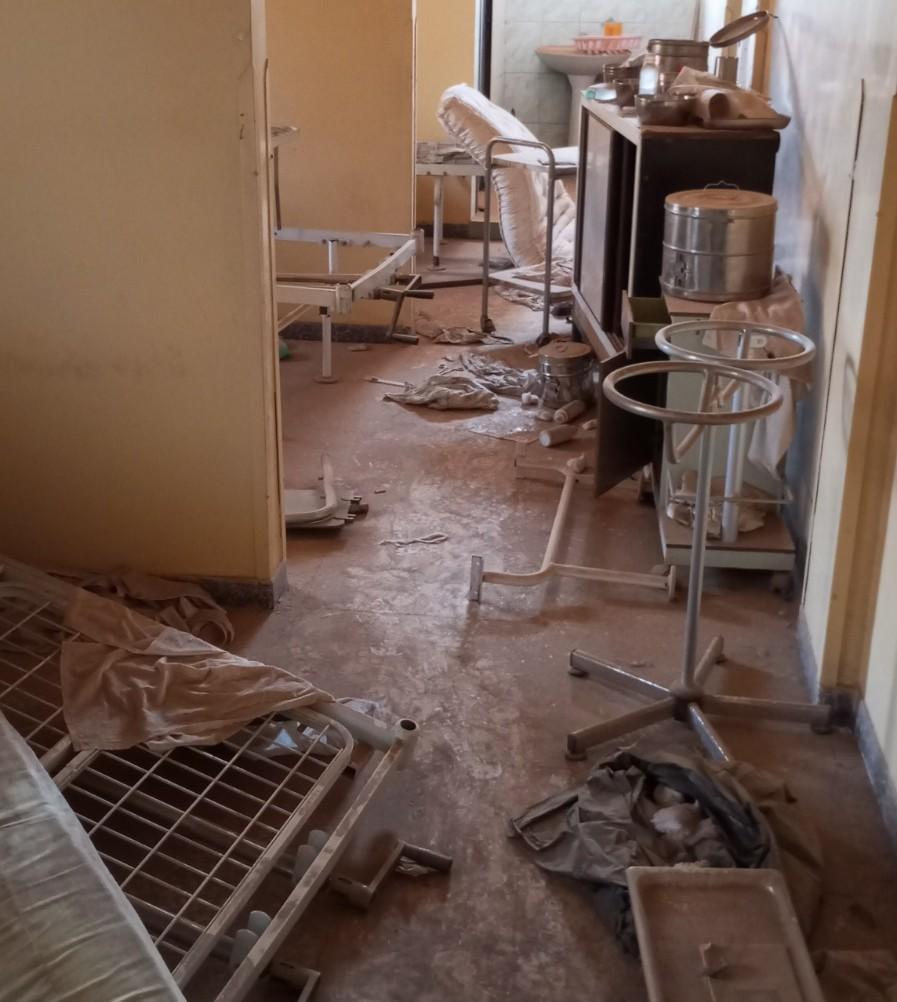
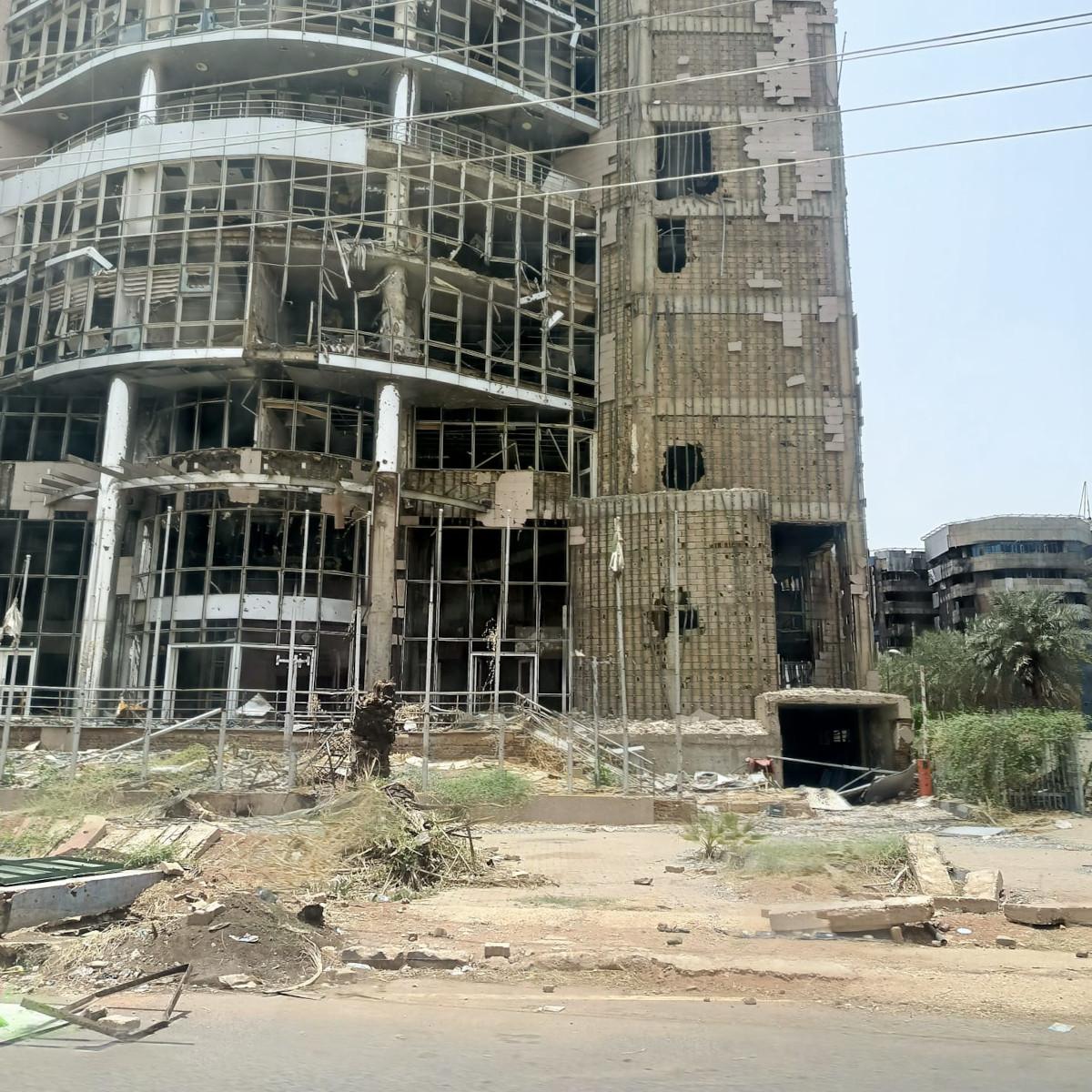
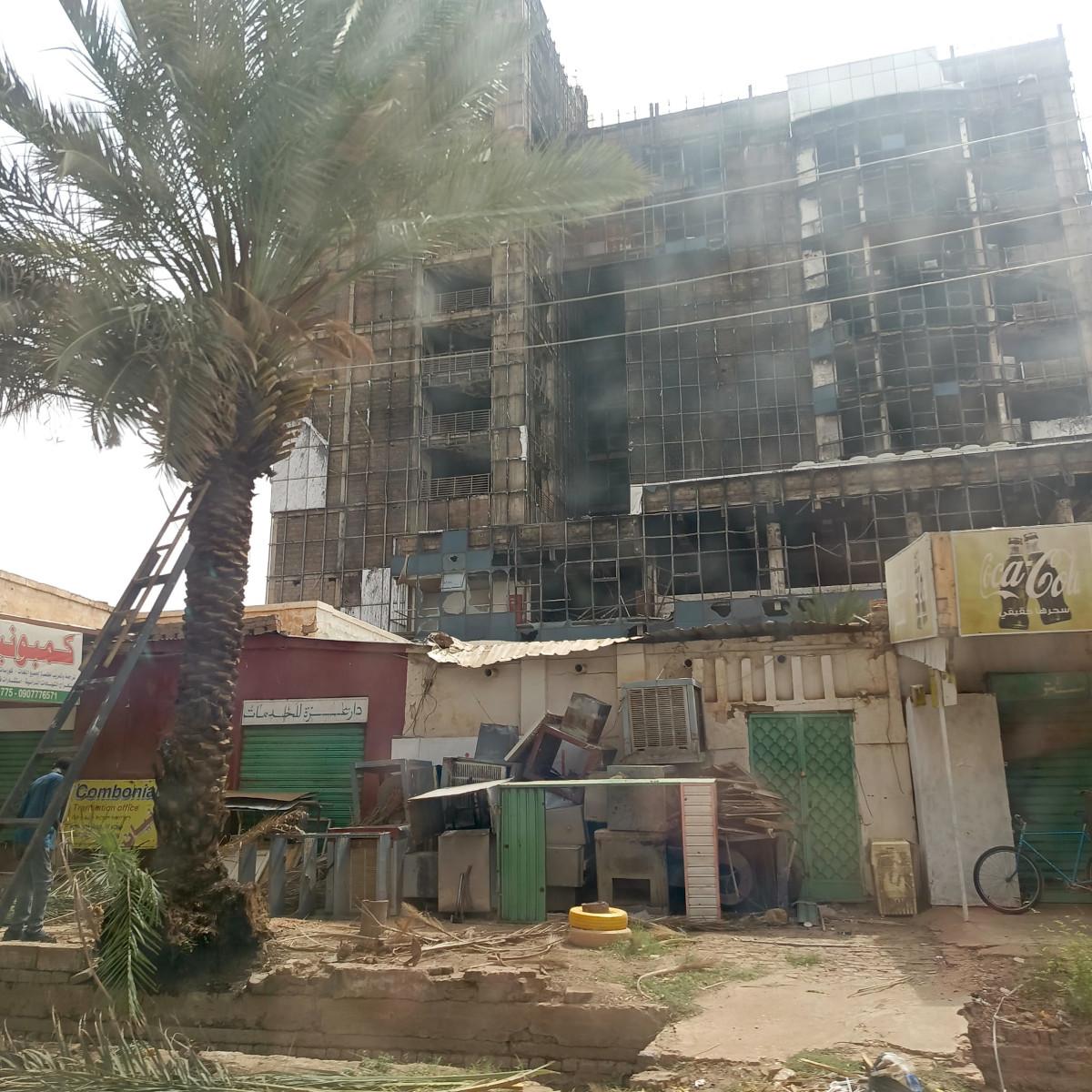
The first impression is one of ruins. Burnt-out, gutted, bullet-riddled buildings. Ministries, banks, universities, shops, homes. Entire neighbourhoods still bear the scars of the fighting that tore through Sudan’s capital for more than two years. [Photo: St Mary’s Maternity Hospital]
We arrived in Khartoum in the first days of August for a short mission with Medici con l’Africa (CUAMM). A few days, certainly not enough to understand a country as large and complex as Sudan, but enough to gather some images and, above all, many questions.
The war is everywhere, even when the fighting has stopped.
Khartoum’s overlapping memories
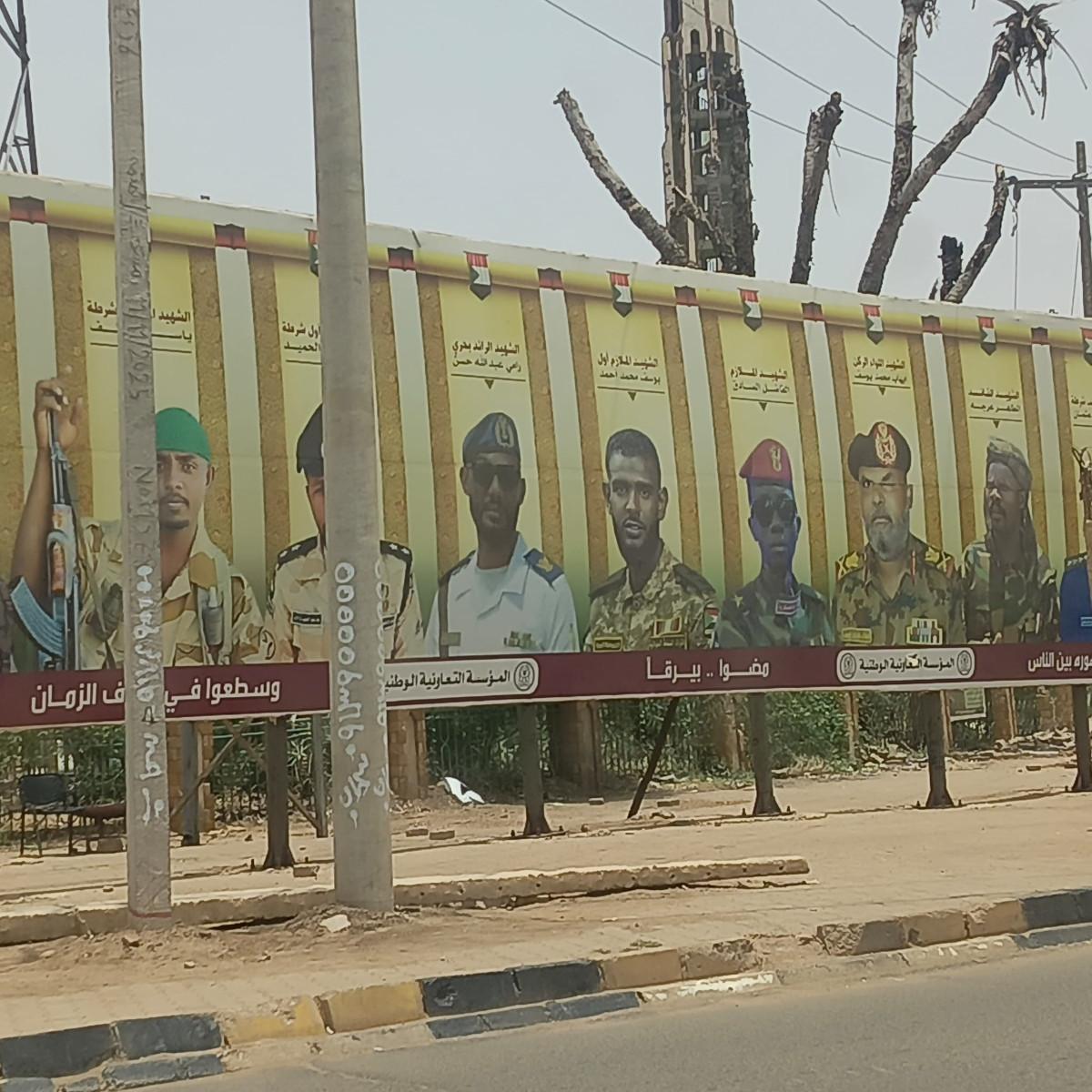
Along the city’s main thoroughfares, enormous, almost cyclopean posters display the faces of the protagonists and heroes of the war. They tell the story of the army’s victory and the return of the capital to government control.
But beneath this new public representation, Khartoum still preserves traces of other stories.
The graffiti of the 2018–2019 revolution still survive on the walls, some themselves scarred by the shrapnel and bullets of the latest war. Faces and names recall the young people who demanded freedom, peace and justice. They are the memory of a season of hope that the war has not managed to erase completely.
Then there are the dead of the latest war. In Al-Thawra – “the Revolution” – in Omdurman, as in other parts of the capital, it was often impossible to reach cemeteries during the fighting. People were buried wherever they could be: along roads, in front of houses, in courtyards and public spaces. Small mounds and makeshift graves remained part of everyday life in the neighbourhoods for months. As the front moved away from the capital, the painful work of exhumation began, followed, where possible, by the identification and transfer of remains to cemeteries.
It is difficult not to be struck by these overlapping memories occupying the same urban space: the graffiti of the civil revolution and its martyrs, the graves of the war that began in April 2023 and, just a little further on, the gigantic billboards celebrating military victory. Three chapters of Sudan’s recent history now coexist along the same streets.
For those arriving from outside, the temptation to interpret everything is strong. But it would be presumptuous to do so after only a few days. Better to look, listen and try to understand.
One thing, however, is clear: Khartoum is coming back to life faster than its services are coming back into operation.
Going home
People are returning.
They are going back to homes abandoned during the fighting, often finding them looted or damaged. They are returning to neighbourhoods where water and electricity supplies are still unreliable, where jobs are scarce and where schools and health facilities are slowly reopening.
The return to Khartoum, however, is only one aspect of the enormous population movement caused by the war.
Sudan continues to face the world’s largest displacement crisis. Millions of people have been forced to leave their homes since April 2023, moving elsewhere within the country or crossing the borders into Chad, Egypt, South Sudan and other neighbouring countries.
And while some are returning, others continue to flee. Because the war is not over.
It has moved.
Khartoum has entered a phase of relative stabilisation, while the front has shifted mainly towards Kordofan and Darfur. As recently as August 2026, fighting and drone attacks were reported around El Obeid and in other strategic areas.
Perhaps this is one of the most striking aspects of Sudan today: war, return and reconstruction are taking place in the same country at the same time.
Hospitals tell the same story
Hospitals also tell this story of contradiction. According to the Sudan Doctors Network, at the beginning of 2026 only around 40 of the approximately 120 hospitals in Khartoum rendered non-operational by the war had resumed activity. Reopening continued in the following months, but during our visit in August it was clear just how wide the gap still was between reopening a facility and restoring its full capacity to function.
We visited Saint Mary Hospital, the historic maternal and child hospital run by the Comboni Missionary Sisters in the heart of Khartoum. Before the war, around 3,700–3,800 deliveries took place there each year, and around 30% of the most vulnerable women received care free of charge.
Today the hospital is still closed. The building is standing, but almost everything inside has been looted or destroyed: delivery rooms, intensive care, neonatal facilities, the laboratory, infrastructure and equipment.
Walking through those empty rooms helps to understand what reconstruction really means. It is not enough to repair the walls and buy new equipment. Teams have to be rebuilt, doctors, midwives and nurses dispersed by the war have to be brought back, water and electricity supplies restored, and medicines, blood, oxygen, sterilisation, information systems and referral pathways secured.
Above all, we have to ask whether it makes sense simply to rebuild the hospital that existed before the war, or whether today’s Khartoum requires something different.
In Omdurman, we found a different situation. The large public maternity hospital is gradually returning to operation. Before the war, it was one of the country’s main obstetric centres, with tens of thousands of deliveries each year. Some services have been reactivated, but only part of the bed capacity is available again; intensive care is still operating at reduced capacity and neonatal services are slowly recovering.
During our visit, in the crowded wards, it was easy to see two, sometimes three women sharing the same bed. A simple image, perhaps more eloquent than many figures: the women have returned before the hospital is ready to receive them.
The demand for healthcare is moving faster than reconstruction.
Health is also in the outskirts
But Khartoum does not end with its hospitals.
Moving away from the city centre, in the poorer outskirts, the destruction caused by the war overlaps with the inequalities that already existed before the conflict.
Rapidly expanding neighbourhoods, inadequate essential services, impoverished families, transport difficulties, unreliable water and electricity. Added to all this are now the consequences of displacement and the return of hundreds of thousands of people.
This is probably where a decisive part of Khartoum’s health in the years ahead will be determined.
Reconstruction, however, risks focusing primarily on the major hospitals. It is understandable: a destroyed hospital is visible. An empty operating theatre is visible. A missing incubator is visible. They are relatively easy to count, photograph and turn into a project.
What is missing in neighbourhoods is much less visible. Yet a city of millions cannot be cared for through hospitals alone.
Primary healthcare services are needed close to where people live: vaccination, antenatal and postnatal care, nutrition, family planning, diagnosis and treatment of infectious diseases, continuity of care for hypertension and diabetes, mental health services, disease surveillance and effective referral systems to hospitals.
In other words, primary health care needs to be capable of reaching the city’s outskirts as well.
And we need a concept of urban health that goes beyond healthcare services. In Khartoum’s outskirts, health depends on water, housing conditions, waste, food, transport, employment and the very possibility of rebuilding an everyday life.
There is little point in reopening hospitals if the health system around them does not begin to function again.
Rebuilding people
There is an even more important question: who will run the rebuilt facilities?
The war has not only destroyed buildings. It has dispersed healthcare workers, disrupted training pathways, impoverished families and institutions, and driven many doctors, nurses and midwives to leave Khartoum or the country. There is still no reliable estimate of how many healthcare professionals are currently missing from the capital, nor of how many have actually returned. But in the hospitals that are reopening, the difficulty of rebuilding sufficiently staffed and qualified teams is one of the most evident vulnerabilities.
Reconstruction therefore also means rebuilding the healthcare workforce. And this will probably take longer than rebuilding the buildings.
During the mission, for example, we discussed the possibility that in the future Saint Mary could also become a clinical training centre for nursing students from the Comboni university college. This would be a new role that did not exist before the war.
It is a small example of how reconstruction can become an opportunity not simply to restore what existed, but to build something better: bringing together care, training and quality of services.
In a country that needs to rebuild a significant part of its healthcare workforce, training a nurse well and creating the conditions for them to remain in the system may be just as important as buying new equipment.
An absence that is striking
There is another impression we brought home with us.
Over several days spent between Khartoum and Omdurman, we met doctors, nurses, officials, religious figures and many ordinary people. But very few foreigners. For anyone who has spent many years in African capitals, it is an unusual feeling.
What is particularly striking is the number of closed embassies. After the outbreak of war, much of the diplomatic staff was evacuated, and many missions have still not returned to full operation in Khartoum. International aid workers are also barely visible. The major agencies are there and working, but they do so discreetly, almost beneath the radar.
The reasons are understandable: security remains fragile, access is difficult and operating conditions are challenging. And yet, travelling through the city, the sense of isolation is strong. Khartoum is beginning to fill with people again, shops and markets are reopening, and traffic is returning. But the world still seems far away.
Other actors, meanwhile, are present or preparing to be: Gulf countries, Egypt, Türkiye and China. Seen from Khartoum, this too tells us something about a changing world.
A forgotten war?
This sense of isolation is accompanied by another: the disproportion between the scale of the tragedy and the space Sudan occupies in our attention.
Millions of displaced people. Tens of millions in need of assistance. A devastated health system. Epidemics, malnutrition and food insecurity. And a war that continues.
Yet in Europe we talk about it very little.
Perhaps because other wars are geographically and politically closer to us. Perhaps because Sudan is difficult to explain. Or perhaps because, after more than three years of conflict, a dangerous sense of habituation sets in, through which even millions of displaced people eventually become a statistic.
Sudan, however, is not a marginal country. In terms of population, geographical position and history, it sits at the crossroads of the Sahel, the Horn of Africa, the Red Sea and the Arab world. What happens here will have consequences far beyond its borders.
Rebuild, but for whom?
Meanwhile, amid the ruins, Khartoum is coming back to life.
Markets are reopening. Cars are returning to the roads. People are repairing their homes. Small businesses are reappearing. On one side are the enormous posters of the heroes of the war. On the other, the faces of the revolution remain on the walls.
And then there are the people returning. They do not ask to be heroes or martyrs. They ask for a home, water, work, a school for their children, a health centre nearby and a hospital that works when they need it. Perhaps this is the question we should carry with us whenever we talk about reconstruction: rebuild what, and above all, for whom?
For those working in health cooperation, the temptation to arrive with ready-made solutions is always strong. But in a city like Khartoum, the first task should be simpler: see, listen, understand.
Understand which services are genuinely needed. Rebuild hospitals, certainly, but also primary healthcare in the outskirts. Invest in facilities, but above all in people. Support local institutions. Protect access to care for the poorest.
And decide whether we want to be there. Even when we do not yet have a project ready.
Because after a war, rebuilding health means rebuilding hospitals and services, but above all people and communities: relationships, skills, trust and institutions.
And for Sudan, that will be the longest and most difficult reconstruction of all.
Giovanni Putoto and Chiara Maretti – CUAMM