
Daniel Comboni
Comboni Missionaries
Institutional area
Other links
Newsletter
“Outcasts or Brothers and Sisters?” — A humanity in search of a new home
Friday, September 4, 2026
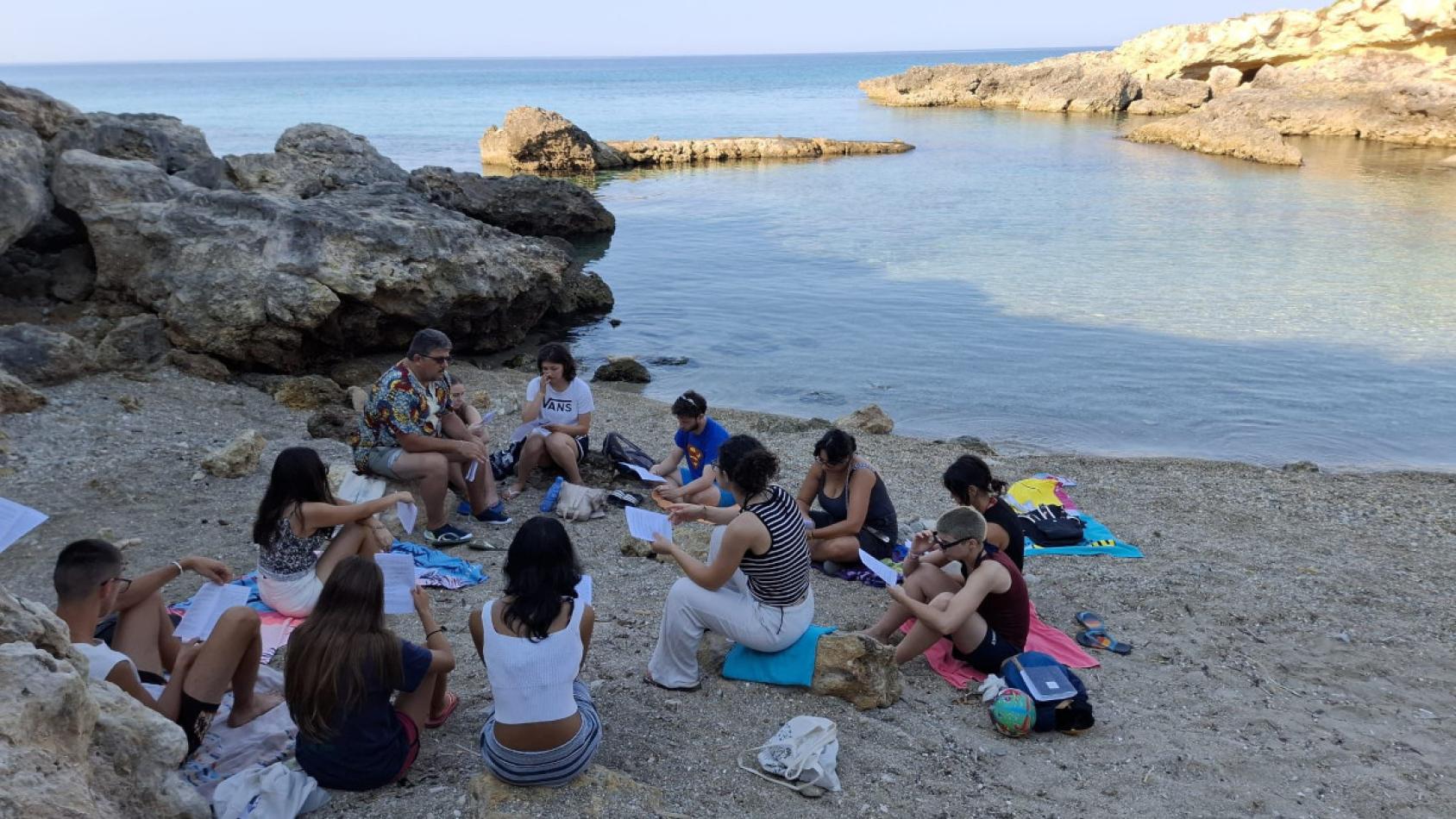
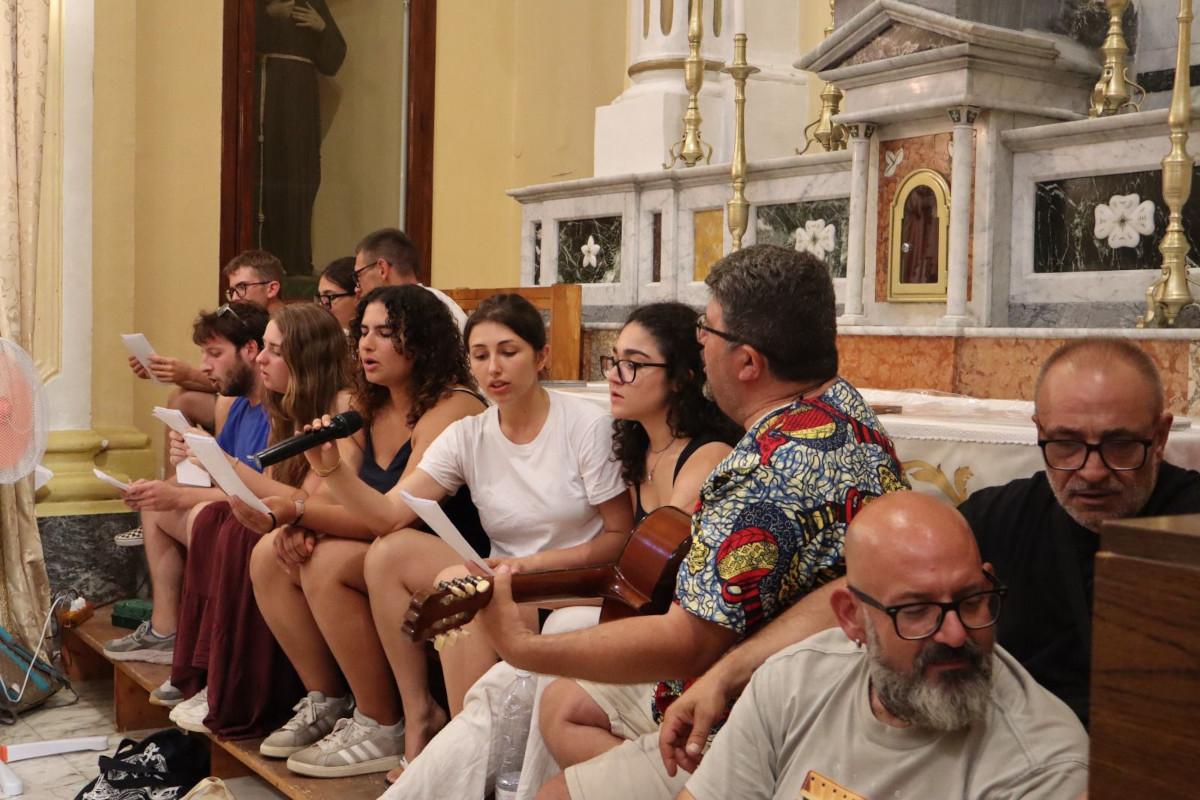
Thirteen young people from Modena and Venice took part in a work camp—an experience of spirituality and service—organized by the Comboni Missionaries in Taranto, Puglia, from August 3 to 12, 2026.
With this profound question, we set out to listen attentively to the local area, thanks to the challenging testimony of the association Giustizia per Taranto, the work of the association Noi e Voi—serving prisoners, homeless people, and asylum seekers—the D’Elia family of Mottola, and the association Famiglie Solidali.
In sharing our experiences with one another, the heart of what we lived can be summed up in one expression: FACING THE TRUTH.
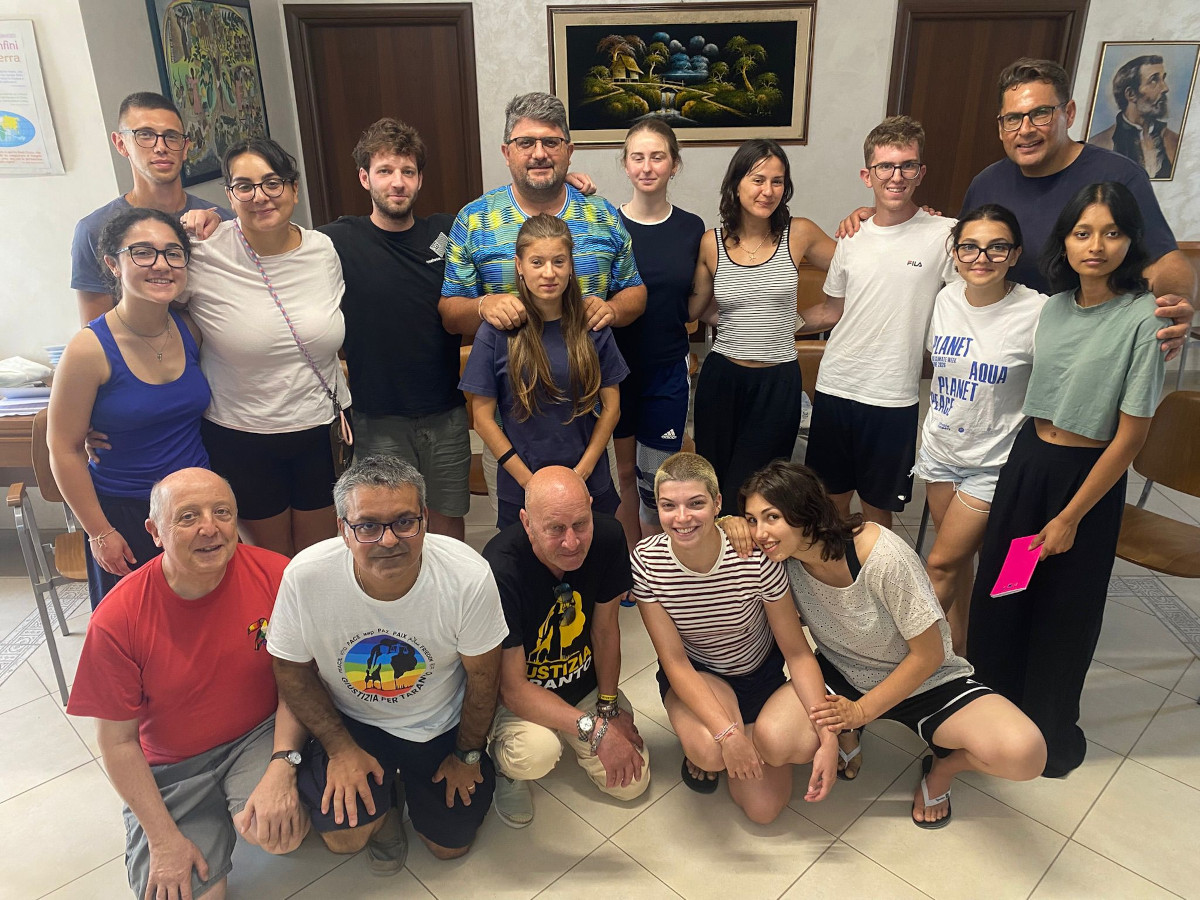
Within ourselves: We recognized that we too, as young people, are often treated as “outcasts,” much as the last and the poor of the earth are. We are asked to conform to the System, to passively absorb what social media feeds us, and to remain silent, shutting ourselves away in an everyday life devoid of dreams, dominated by fear and an inability to express ourselves.
We struggle to show who we really are, weighed down by the expectation of always appearing perfect, efficient, fashionable, and functional to the logic of power. Yet within us we carry fractures, wounds, and shattered dreams that cry out to emerge, to be acknowledged, and to be transformed into struggle, commitment, and resistance. Despite attempts to convince us otherwise, we are profoundly human, in love with life, and eager to dedicate ourselves to great projects.
At the social level: We often do not truly know reality because we tend to turn inward. Listening to the victims of the System allowed us to experience first-hand the perversity that crushes the world, but also the dynamics capable of overturning it: dialogue, listening, suspending judgment, authentic relationships free of filters and masks, tenderness, compassion, and sincere embraces.
True knowledge of reality can only arise from a profound empathy with people, shared directly within their contexts and life stories.
At the ecclesial level: We come from faith journeys and parish contexts that are often very traditional. Almost all of us are Christians by cultural background, yet we struggle to encounter the living Jesus in everyday life and to truly celebrate him as a community.
We want to listen to Jesus and to his proposal for life, to understand what it has to do with us, to embrace it, and to feel his presence within us so that we may transform the world through the power of the Gospel, starting with ourselves and the environments in which we live.
For this reason, we thirst for authentic community journeys and guides who do not seek to indoctrinate us, but who are willing to engage with us, walking alongside us even on new and unexplored paths.
The tools that enabled us to face the truth, stripping ourselves of masks and prescribed roles, were:
Friendship and community life: Living, sweating, having fun, serving, eating, and praying together… without even having the time or desire to look at our smartphones. In just a few days, we shared a depth of human and spiritual experience that none of us had expected.
Spirituality: Times of silence and moments of sharing were not empty chatter, but authentic heart-to-heart encounters. The daily catechises challenged us to seek a sincere encounter with Jesus, both in the intimacy of our conscience and in the faces of the people we met.
Encountering others: The guests of the San Damiano family home and the home for asylum seekers opened their hearts to us, sharing their lives and inviting us, through their witness, to do the same.
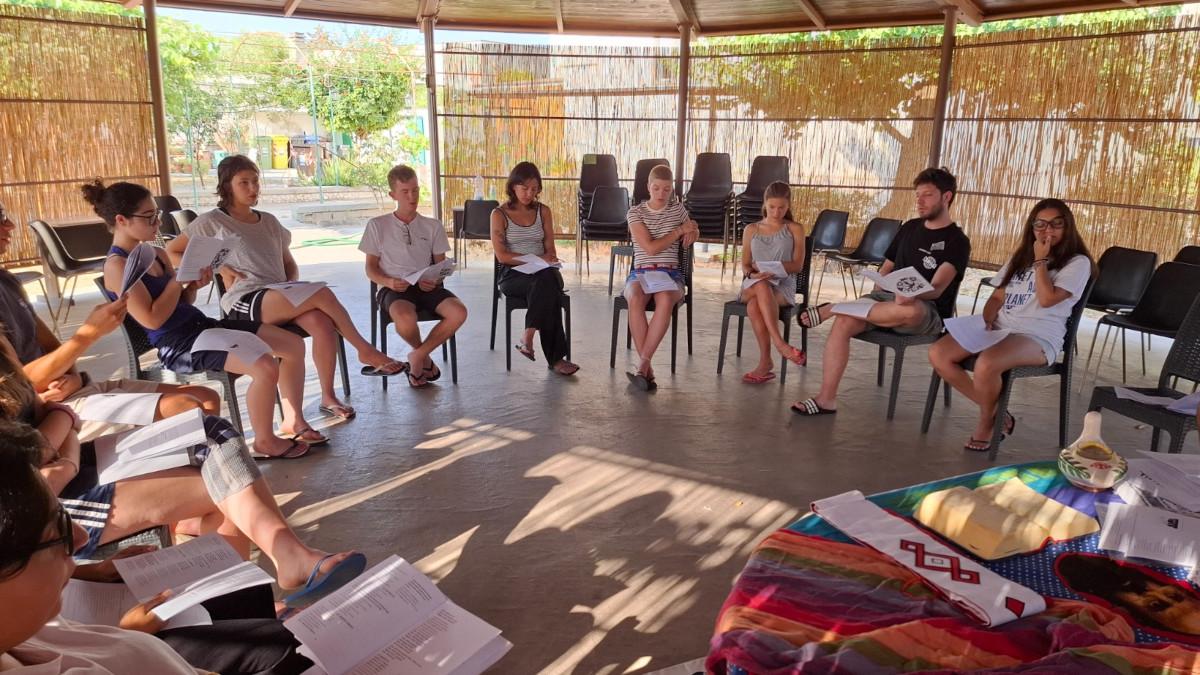
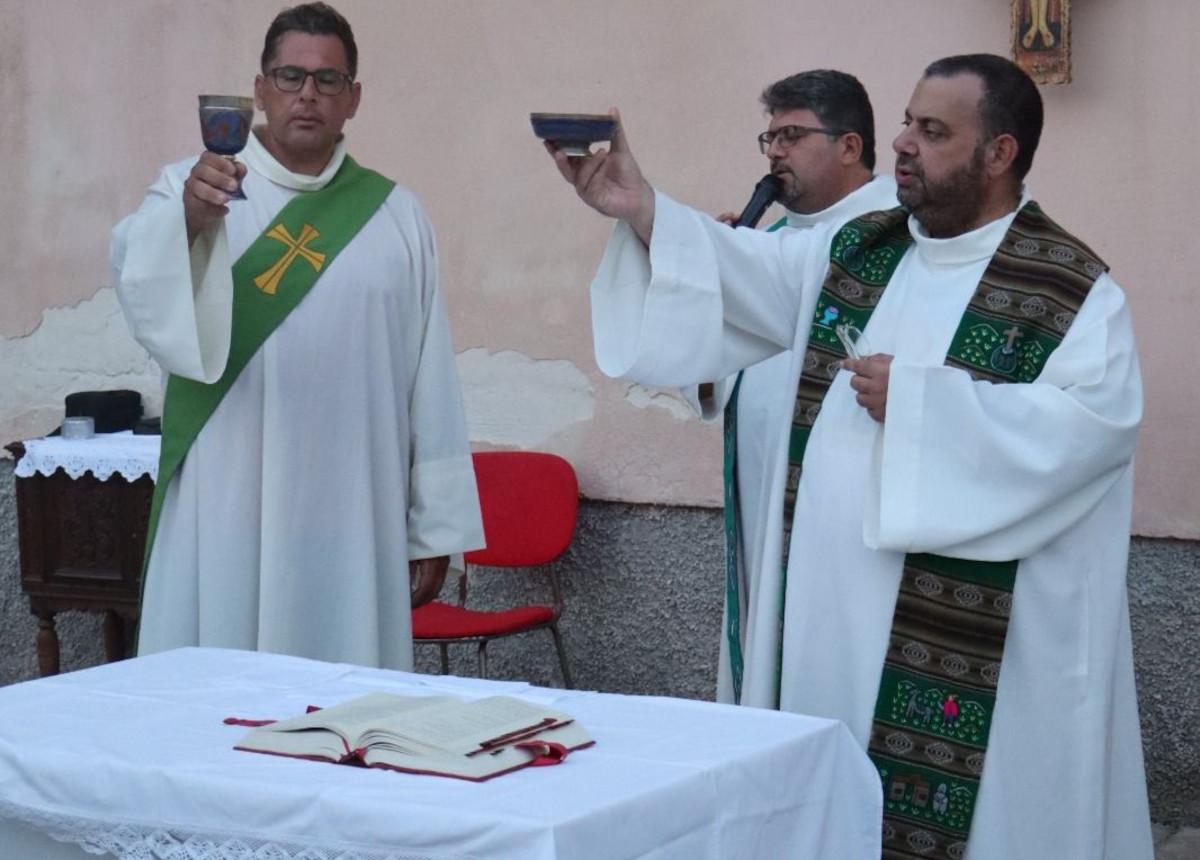
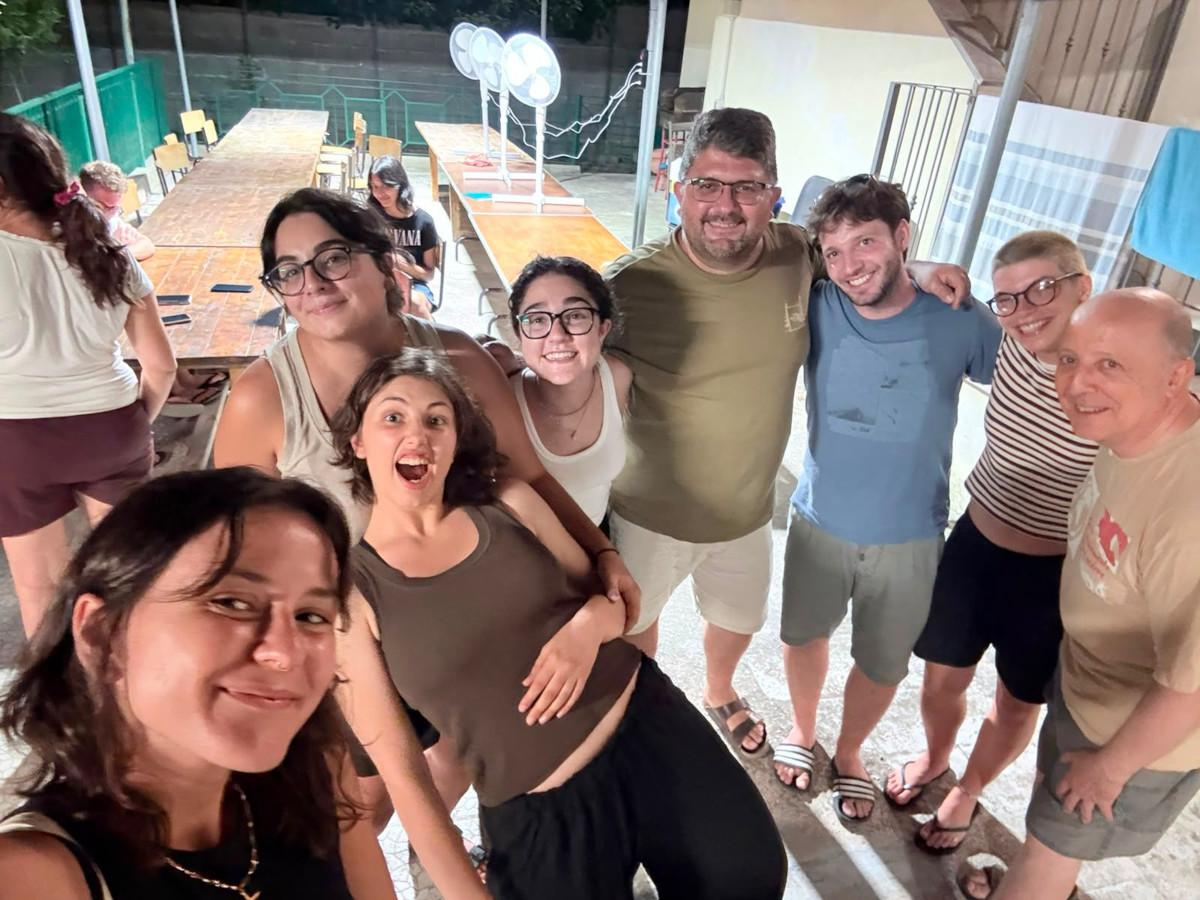
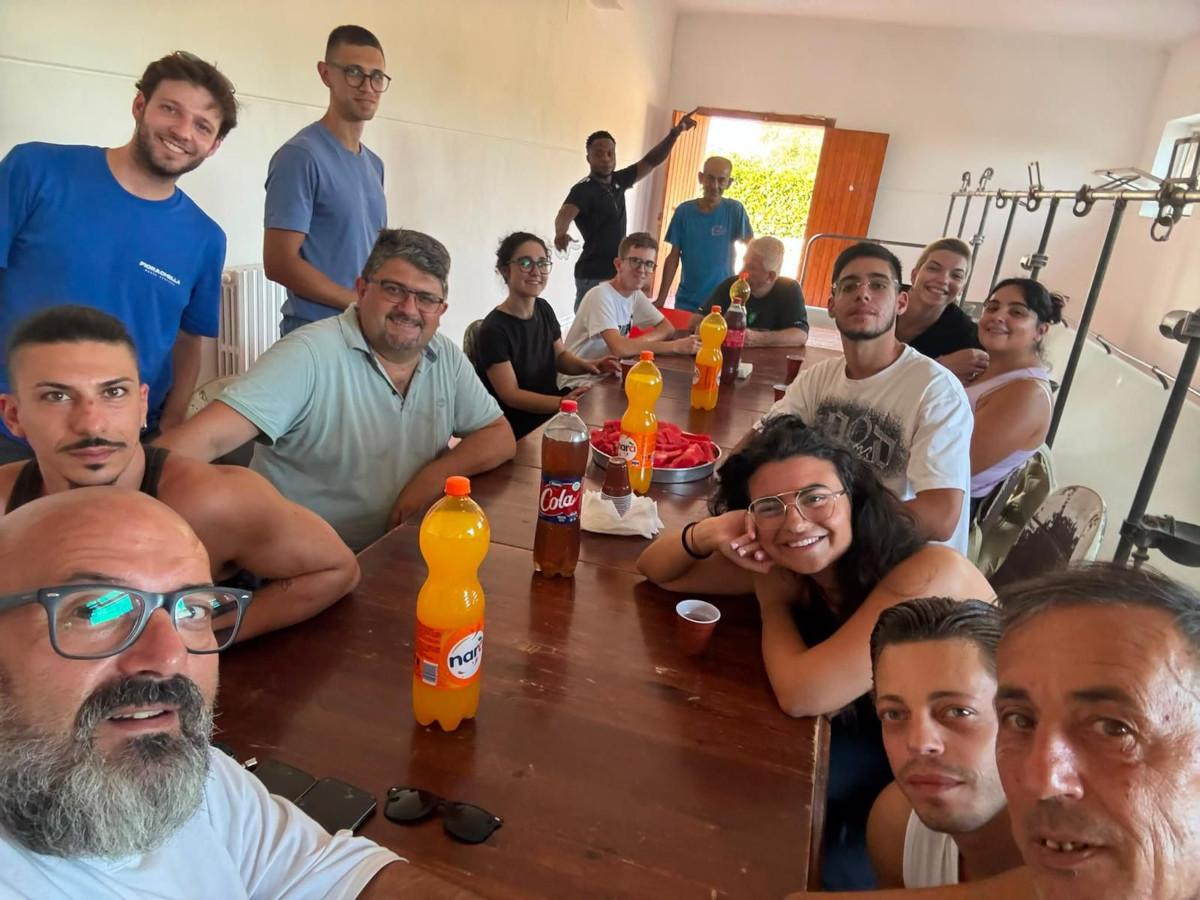
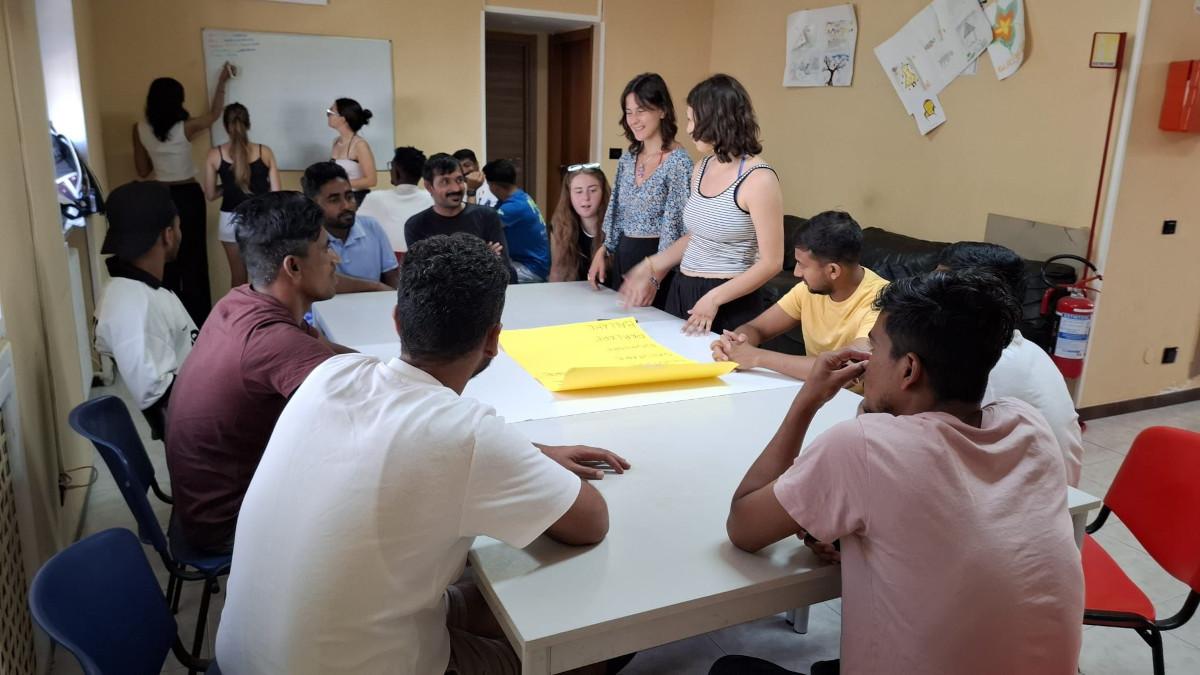
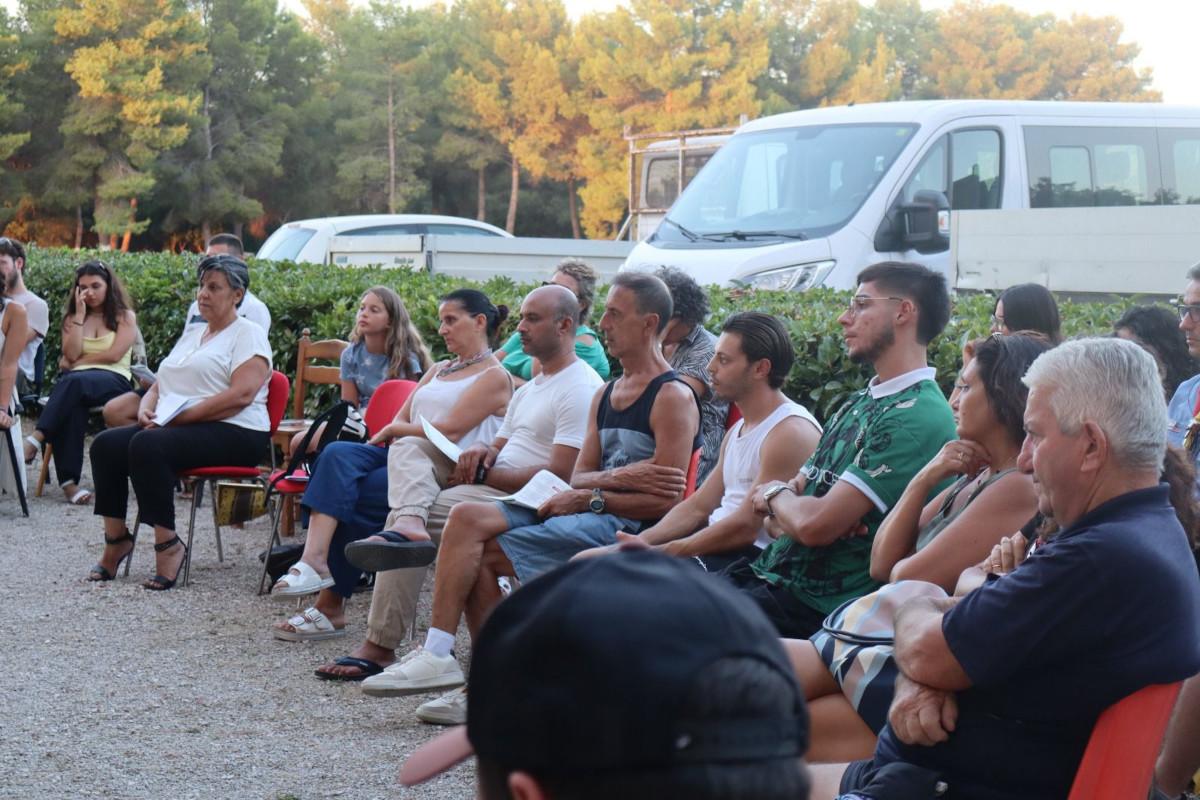
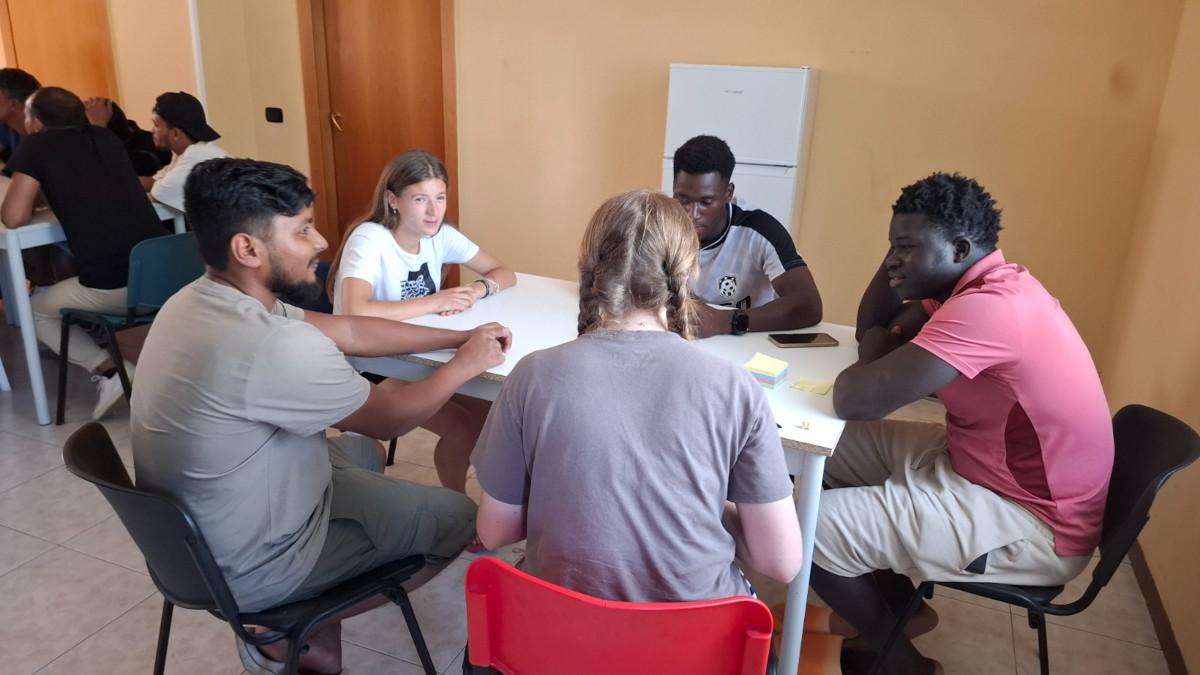
Now that the camp has come to an end, it is time to reflect and take stock, but above all to set out again, cherishing the treasure of the experience we have lived. Each one of us feels the need to continue this journey—where possible together, but also open to other companions along the way—in order to discern God’s dream for our own lives.
We hope that experiences of this kind may multiply and that the Comboni Missionaries will continue to accompany us, walking alongside us, so that these individual “events” may be transformed into genuine “processes”: allowing us to grow together in faithfulness to reality and in the responsibility to transform it.
Father Daniele Zarantonello, mccj