
Daniel Comboni
Comboni Missionaries
Institutional area
Other links
Newsletter
Father Mumbere: «God called me to be a builder of bridges»
Friday, September 4, 2026
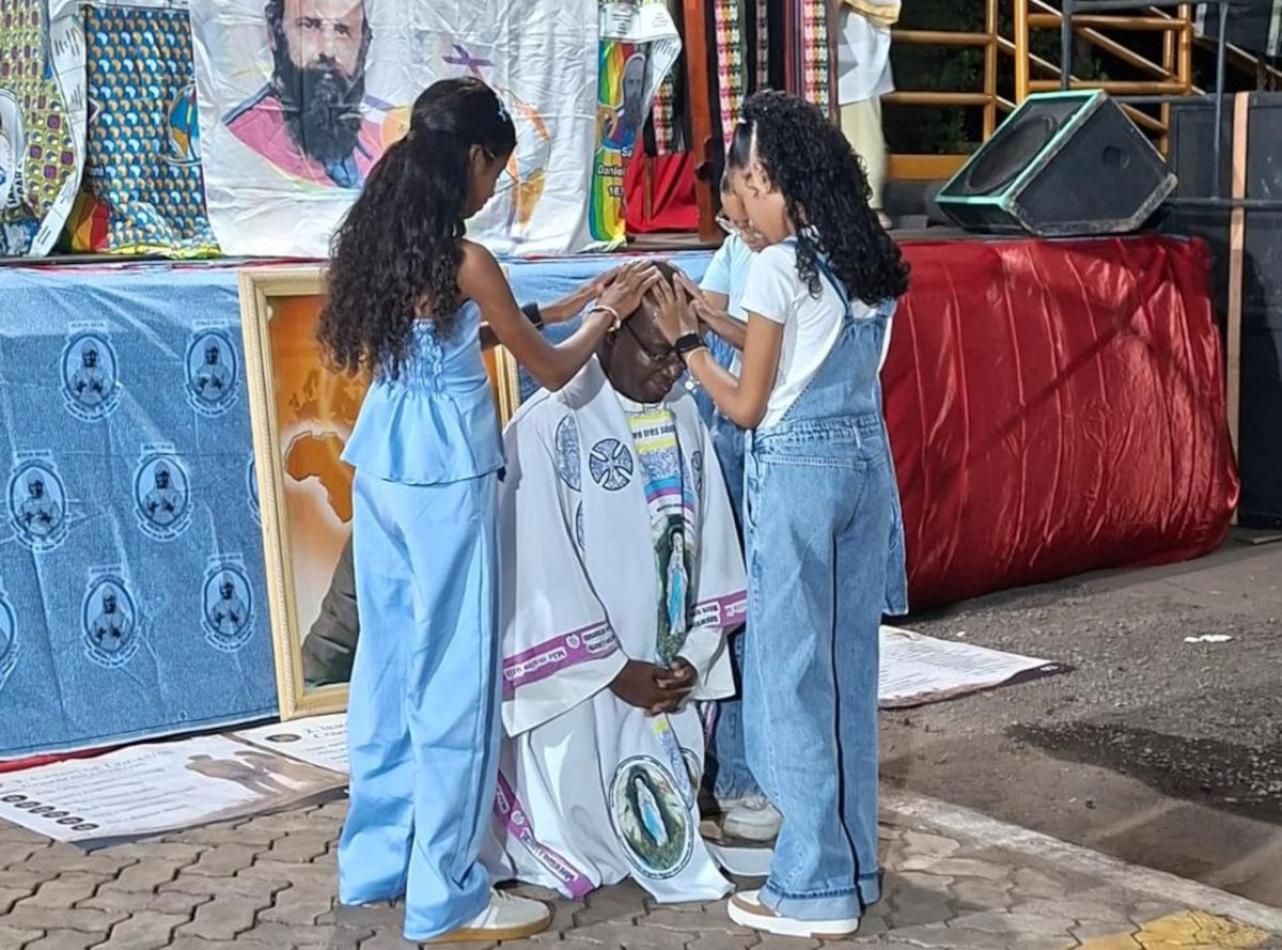
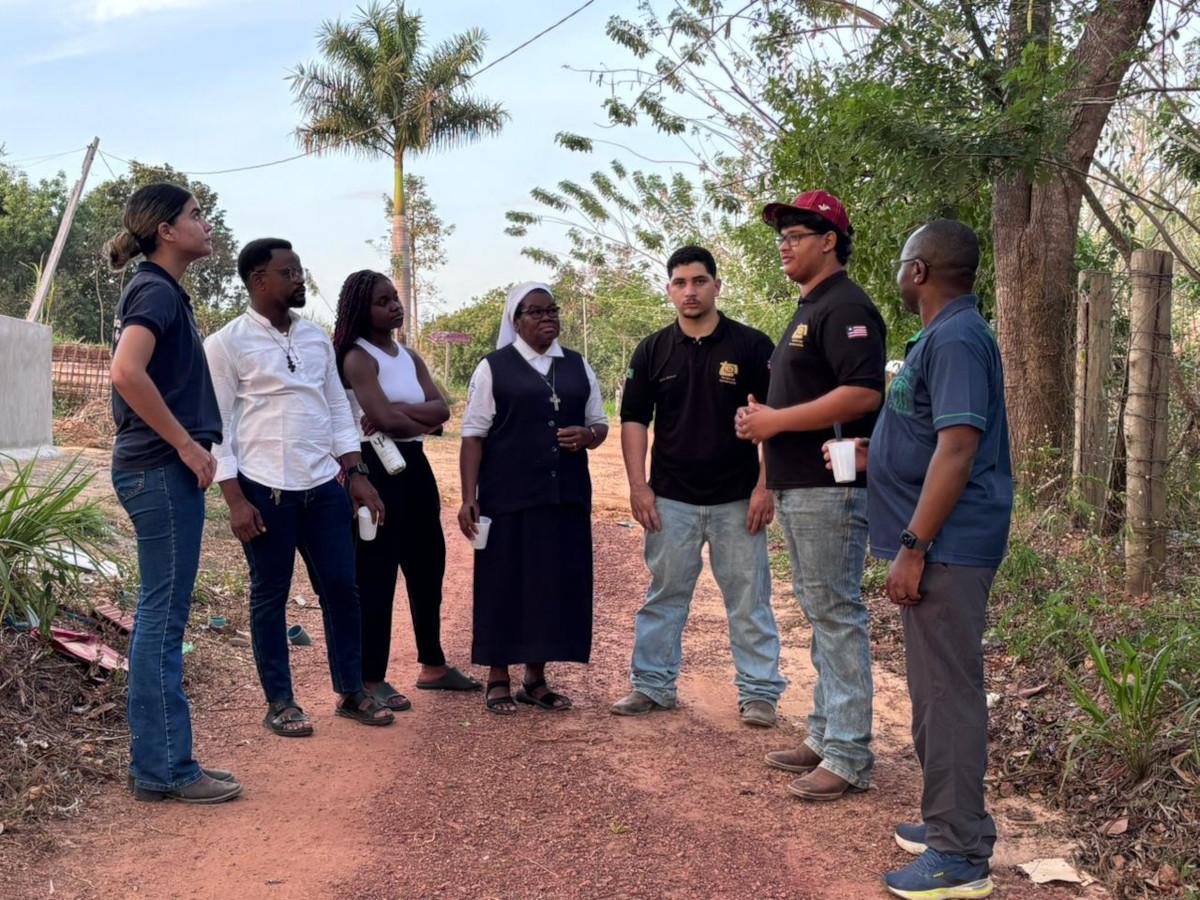
On August 26, 2026, Congolese Comboni missionary Father Joseph Mumbere Musanga celebrated 25 years of missionary priesthood in Piquiá, Maranhão, where he has been serving since 2021, building bridges between Congo and Brazil.
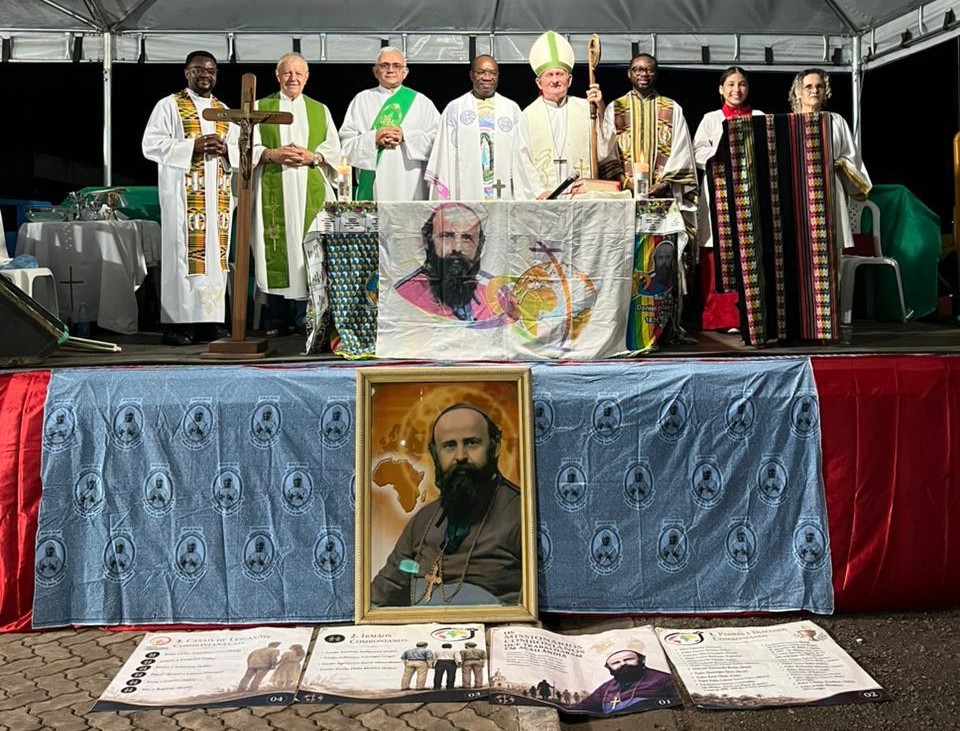
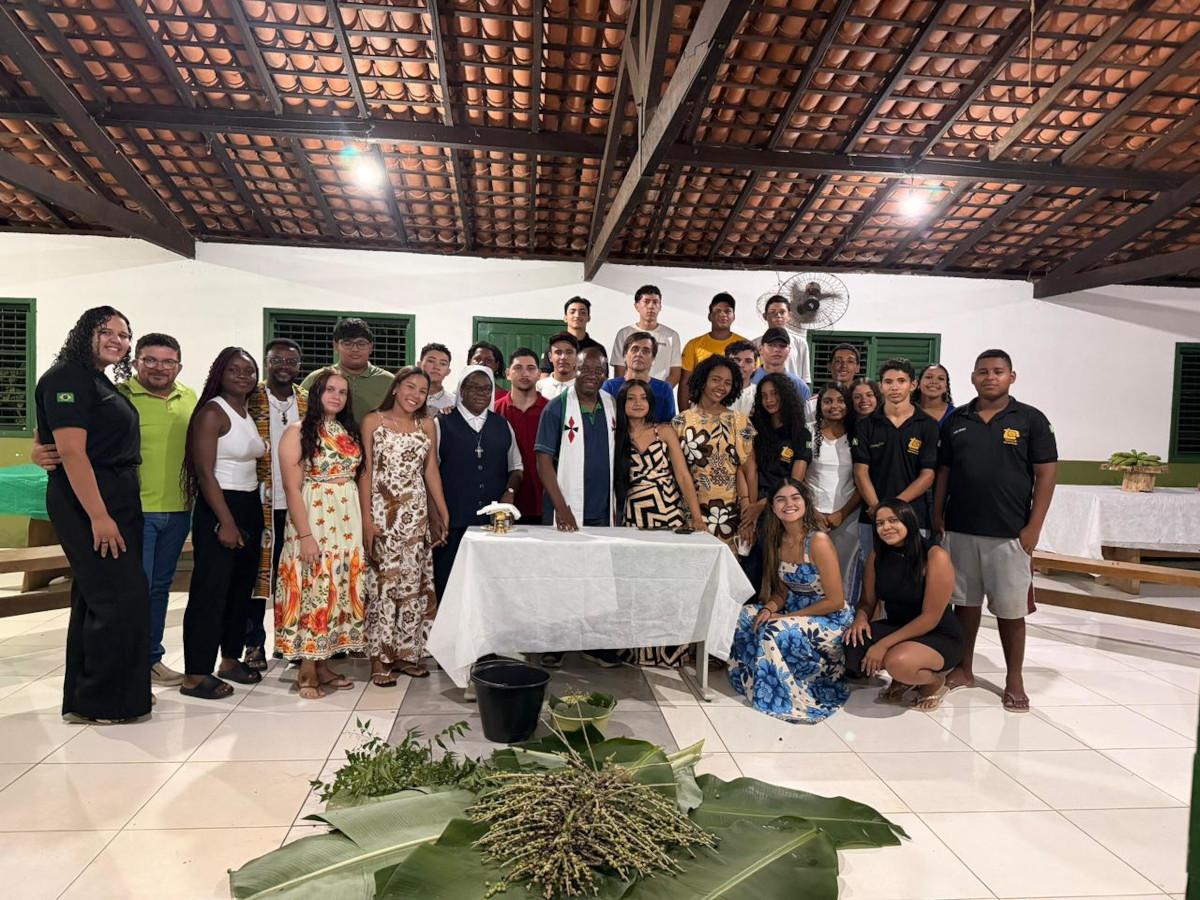
The celebration of my priestly jubilee was an opportunity to experience a week of Missionary Animation and thanksgiving to God for the 35 years of missionary presence of the Comboni family—priests, brothers, lay women and men—in Açailândia, in the State of Maranhão.
It opened on Sunday, August 23, with a solemn celebration at Saint Lucy’s Church in Piquiá, during which we gratefully remembered the 26 Comboni missionaries (22 priests and four brothers) and the six couples of Comboni lay missionaries who have served in Açailândia.
The Comboni Family
This commemorative celebration reminded us that the Comboni family carried out its mission in three parishes—Saint John the Baptist, in the Jacu neighborhood; Saint Francis, in Brejão; and Saint Lucy, in the Piquiá neighborhood—as well as through numerous associations committed to the struggle for and defense of life and the rights of humanity and nature.
Among these associations, I can mention those that will continue to bear witness to and preserve the memory of the Comboni presence in Açailândia: the Carmén Bascarán Center for the Defense of Life and Human Rights, Justiça nos Trilhos, the Rural Family House, the Association of Residents of Piquiá de Baixo, the Frei Tito Community Center of Piquiá de Cima, the Semente da Terra Women’s Group of Francisco Romão, and the Açailândia Citizenship Network.
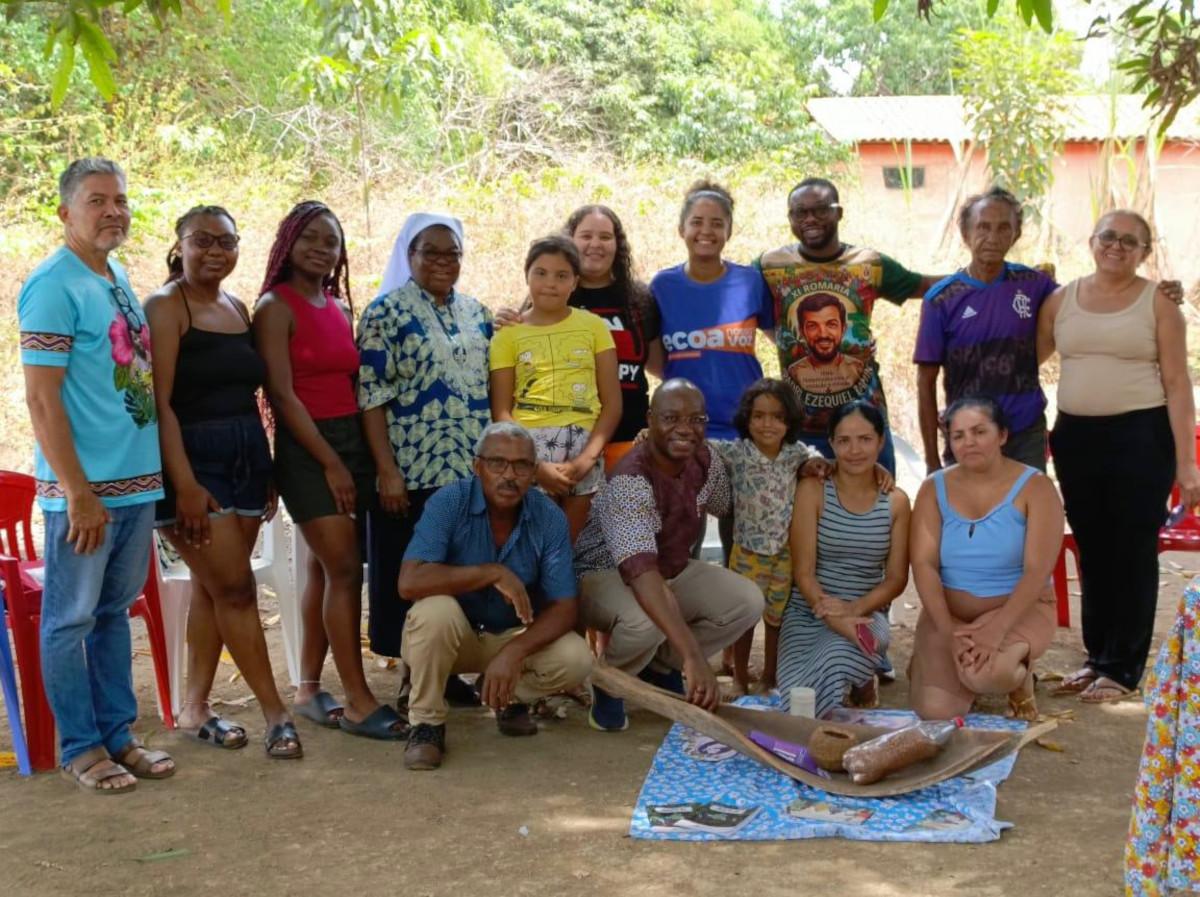
Throughout the entire week, while visiting the parishes and associations, we recalled the legacy that the Comboni family will leave in Açailândia. We gave thanks because, despite the physical departure of the Comboni Missionaries at the end of 2026, the Comboni charism has been sown and will continue to grow and bear fruits of abundant life for all.
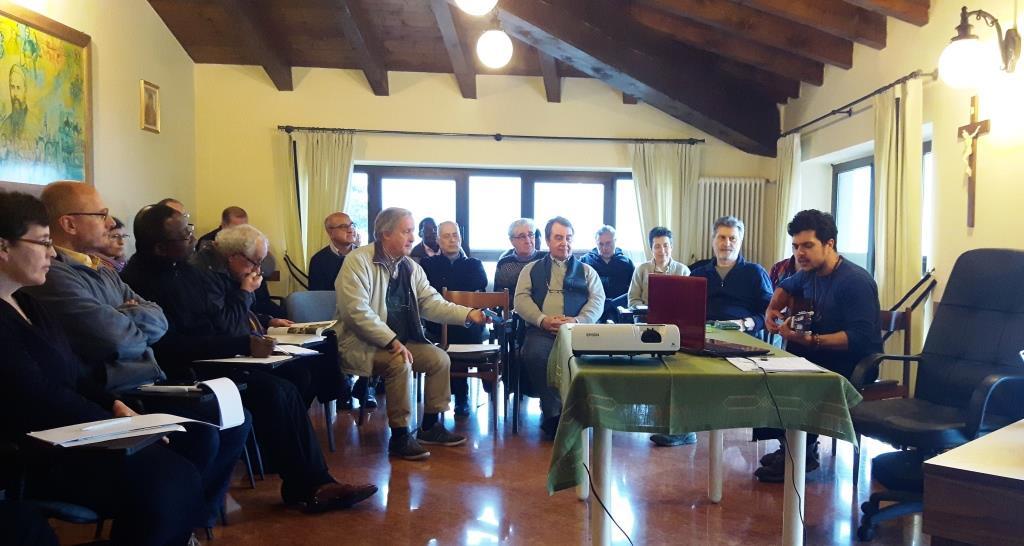
During this week, I am grateful for the presence of Fathers Cosmas Musonda and Lionel Dofonnou, who, as missionary and vocation animators, shared the blessings and challenges of the Comboni missionary vocation, inviting young people to allow themselves to be challenged and inspired by this calling.
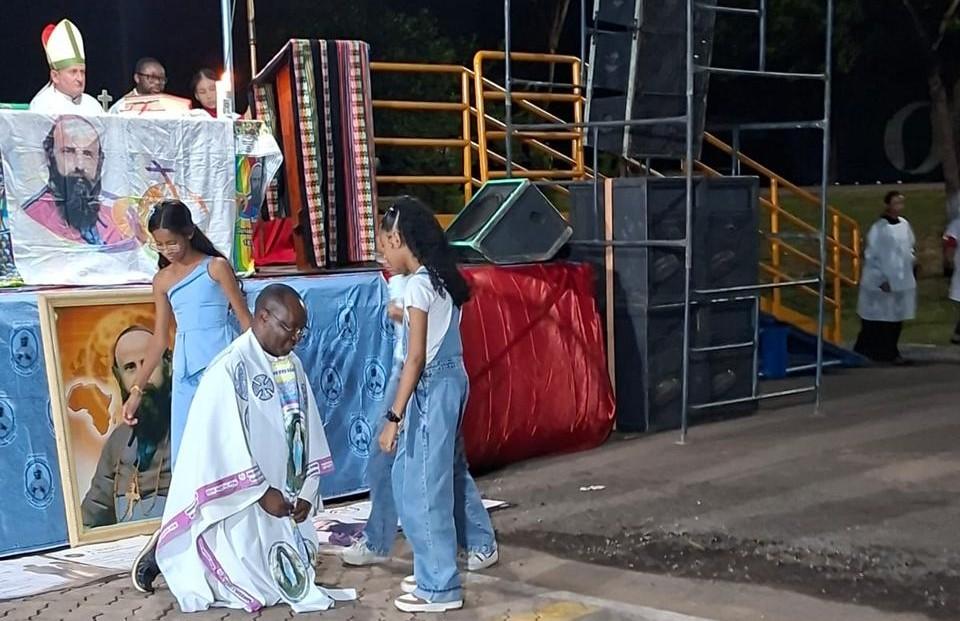
The closing celebration of the week, on Sunday, August 30, was presided over by Bishop Vilsom Basso of Imperatriz.
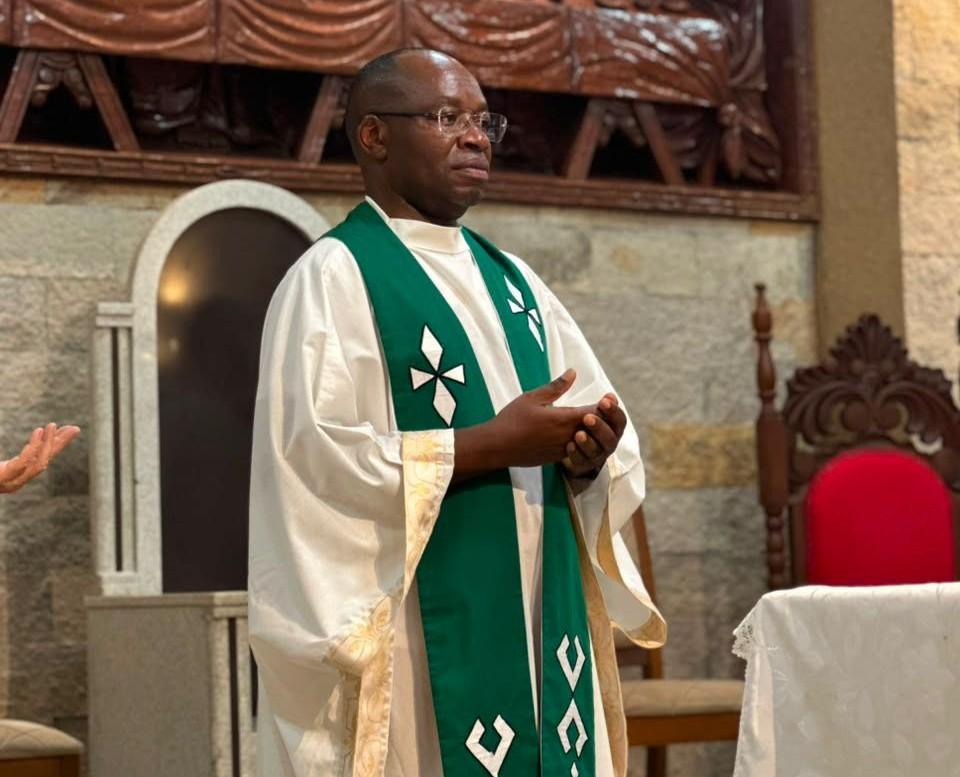
The liturgy and the prayers of thanksgiving focused on my silver jubilee of priesthood and on the gift of catechists in the Church, as that Sunday was also dedicated to the celebration of Catechists’ Day.
A Builder of Bridges
Giving thanks to God for the call to be a Comboni missionary priest, I summarized my experience of faith and priestly life over the past 25 years through the image of a bridge.
A bridge exists to bring closer together what is separated. It does not eliminate the differences between the two shores. On the contrary, it allows different people to meet, get to know one another, engage in dialogue, and walk together.
It was in this way that, little by little, I came to understand my priestly and missionary vocation, increasingly believing that God called me to be a builder of bridges.
A bridge between humanity and divinity. A bridge between people. A bridge between cultures. A bridge between peoples. A bridge between different ways of living the faith. A bridge between those who have much and those who have little. A bridge between the Church of Congo, where my faith was born and grew, and the Church I encountered in Brazil.
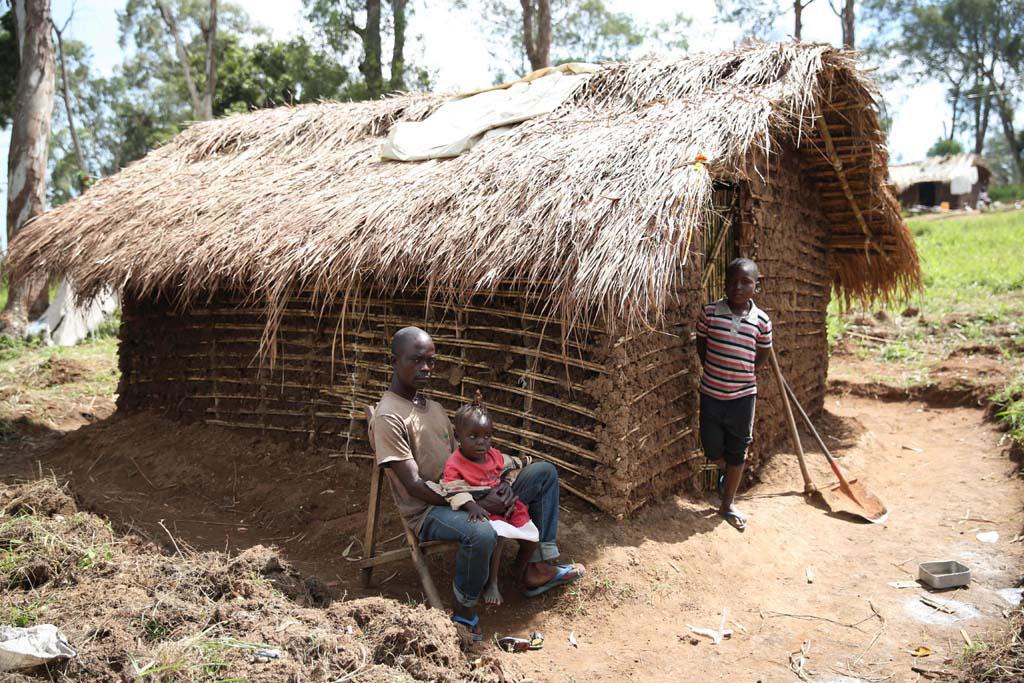
Congo gave me a way of celebrating faith marked by a strong sense of community, joy, music, dance, participation, and a profound sense of belonging. Brazil taught me other ways of expressing faith, other pastoral experiences, other struggles, and other riches.
Between these two shores, I have tried to build a bridge. Not to say that one culture is better than the other. Not to replace one with the other, but to allow Congo and Brazil to meet, dialogue, and enrich one another mutually.
Today, I understand that the Catholic Church is truly catholic precisely because it is able to welcome different peoples, languages, cultures, and ways of expressing the same faith in Jesus Christ.
Life in Abundance
At the heart of everything is a word of Jesus Christ that deeply illuminates my understanding of the priesthood: “I came so that all may have life, and have it in abundance.”
That word “all” is very important. All.
The priesthood finds its true purpose only when it is at the service of life. A dignified life. Family life. Community life. Social life. Life for the poor. Life for young people. Life for the elderly. Life for those who so often have no voice.
Through this, I have learned that a priest is not called to build walls of separation. He is called to bring people closer together by building bridges. And perhaps this is one of the great tasks of the Church today: to build bridges in a society marked by divisions, polarization, prejudice, and inequality.
We need bridges where there are walls. We need dialogue where there is intolerance. We need reconciliation where there is conflict. We need solidarity where there is indifference. We need fraternity where there is exclusion.
Father Joseph Mumbere Musanga, MCCJ