
Daniel Comboni
Comboni Missionaries
Institutional area
Other links
Newsletter
Bishop Franco Masserdotti: 20 years since his Easter, a legacy that inspires
Tuesday, September 15, 2026
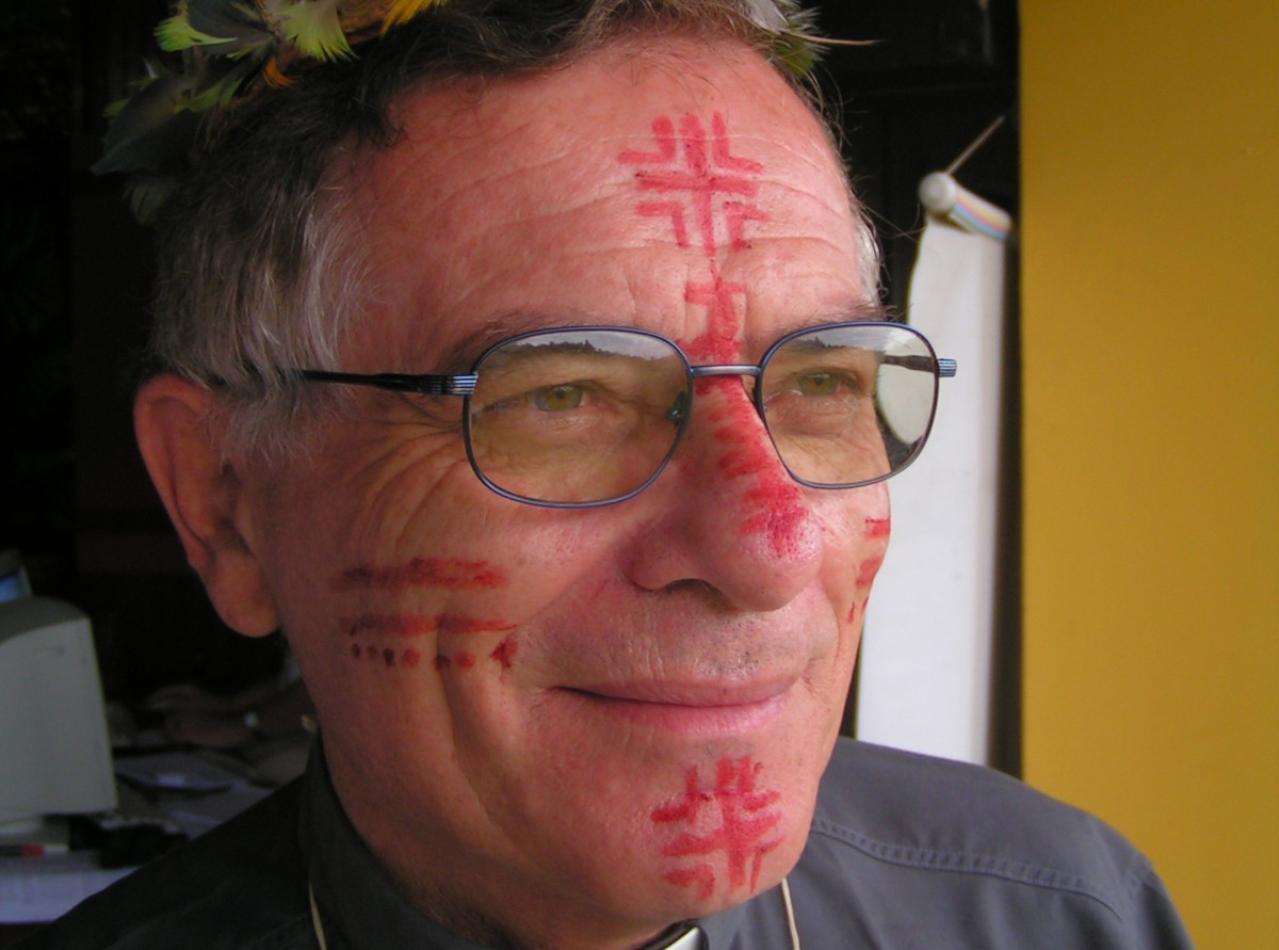
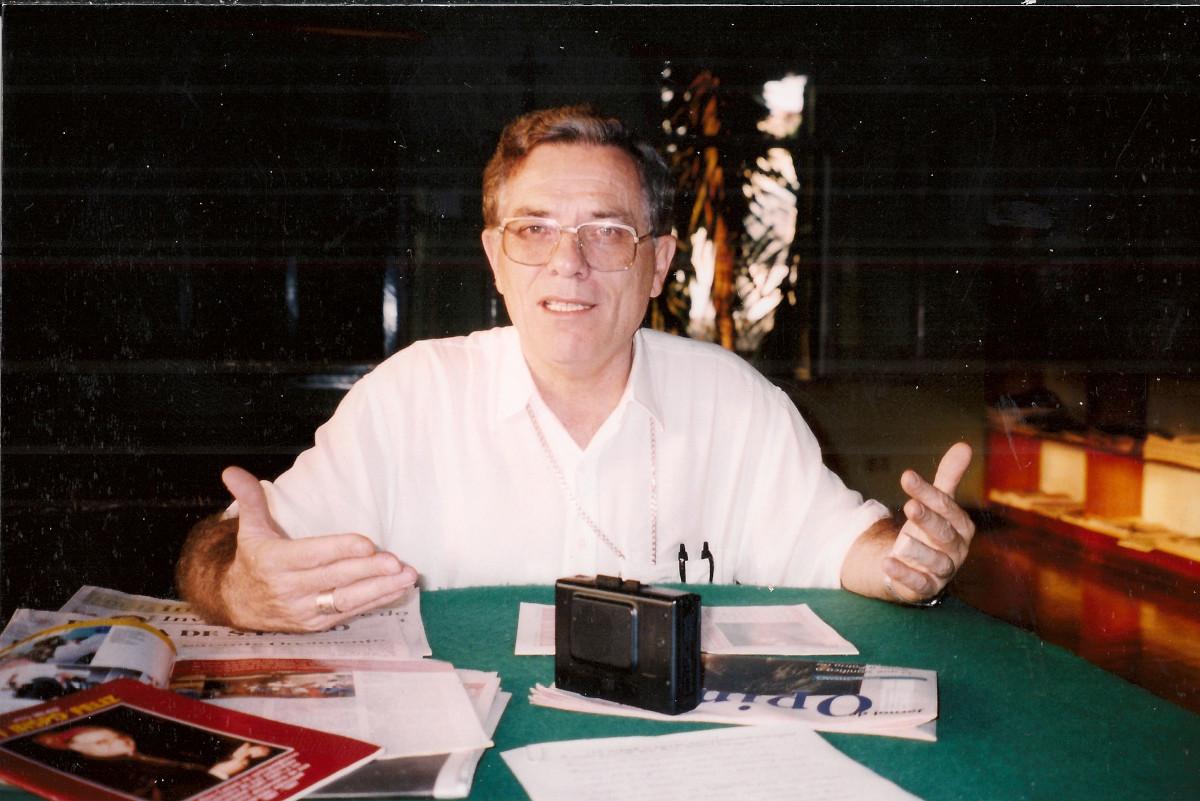
Bishop Franco Masserdotti, a Comboni bishop of Balsas, in Maranhão, Brazil, celebrated his Easter 20 years ago. He passed away on the afternoon of 17 September 2006, the victim of a road accident while travelling by bicycle through the city where he lived. He was 65 years old. Two decades later, his memory remains alive and continues to inspire, as do his smile, his joy and his sense of humour.
Bishop Franco Masserdotti was one of those people who spoke to the heart with uplifting words and left a beautiful mark on those who listened to him. Charismatic, intelligent, simple and endowed with an impressive ability to build relationships, he had a big heart, a smile always on his face, a youthful spirit and a good sense of humour. Who could forget his jokes?
He also cultivated a strong missionary spirituality, expressed through acts of solidarity directed above all towards the poorest, and which led him to embrace the great causes in defence of life, as so well expressed in his episcopal motto: «That all may have life» (John 10:10).
A missionary in Brazil
Franco Masserdotti arrived in Brazil as a priest in 1972, after studying Sociology in Trento, Italy. He was 31 when he landed in Rio de Janeiro. He was deeply impressed by, and embraced by, Christ the Redeemer on Corcovado and, at the same time, felt welcomed by the Brazilian people.
He was assigned to work in the parishes of Pastos Bons and Nova Iorque, in southern Maranhão. There he was welcomed by the people, whom he loved from the very first encounter and by whom he also felt deeply loved.
Brazil was going through the difficult years of the military dictatorship (1964–1985). The suffering of a people living in a deeply unequal and unjust society touched him profoundly. Father Masserdotti sought to understand the mechanisms of domination and exclusion within Brazilian society which, for centuries, had oppressed and excluded so many people.
A Church at the service of life
In 1976, well before becoming a bishop, Masserdotti was appointed Vicar General of the Prelature of Balsas, which would become a diocese in 1981.
Attentive to the signs of the times and to the insights and teachings of the Second Vatican Council (1962–1965) and of the Latin American Church, he invested, first as a priest and later as a bishop, in the organisation and formation of Basic Ecclesial Communities, in pastoral ministries, and in promoting the leadership of lay men and women.
During this period, new investors began arriving in the Balsas region, purchasing large areas of land for the cultivation of rice, soya and maize. There were also land invasions and land grabbing, as well as a major rural exodus. The first socio-environmental conflicts were emerging in the diocese and, in this context, pastoral practice sought to bring faith and life together while taking into account the new socio-pastoral challenges.
A man of the frontiers
Masserdotti was a man of the frontiers, and his life was marked by service to the mission. Before being appointed Bishop of Balsas, he had served the Institute of the Comboni Missionaries as Assistant General (1979–1985), contributed to the formation of young missionaries at the International Scholasticate of Our Lady of Guadalupe in São Paulo (1986), served as Provincial of the Brazil-Northeast Province (1987–1993), and coordinated the Missionary Animation Centre in Teresina, Piauí (1994–1995).
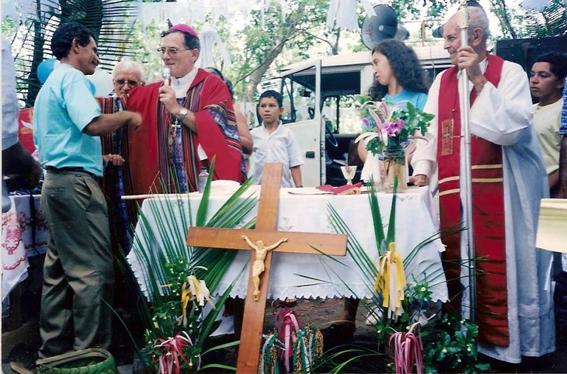
He was appointed Coadjutor Bishop of Balsas on 22 November 1995 and was ordained a bishop on 2 March 1996, in Balsas Cathedral.
A missionary, synodal and supportive Church
In the Diocese of Balsas, the pastoral approach adopted by Bishop Franco Masserdotti was that of a Church made up of Basic Ecclesial Communities, ministerial and missionary, committed to life, to the transformation of society and to building a more just world for all.
Bishop Franco developed formation programmes that were not only religious but also social and political. He was a great animator of young people and a strong supporter of the Pastoral Care of Children, the Pastoral Land Commission, the Human Rights Centre and the Vida Nova Project, as well as a rehabilitation centre for people with drug dependencies and Rádio e TV Boa Notícia, promoting free and democratic communication.
He dreamed of a Church that was more missionary, synodal and supportive, and also of a Catholic university in the diocese.
At the side of indigenous peoples
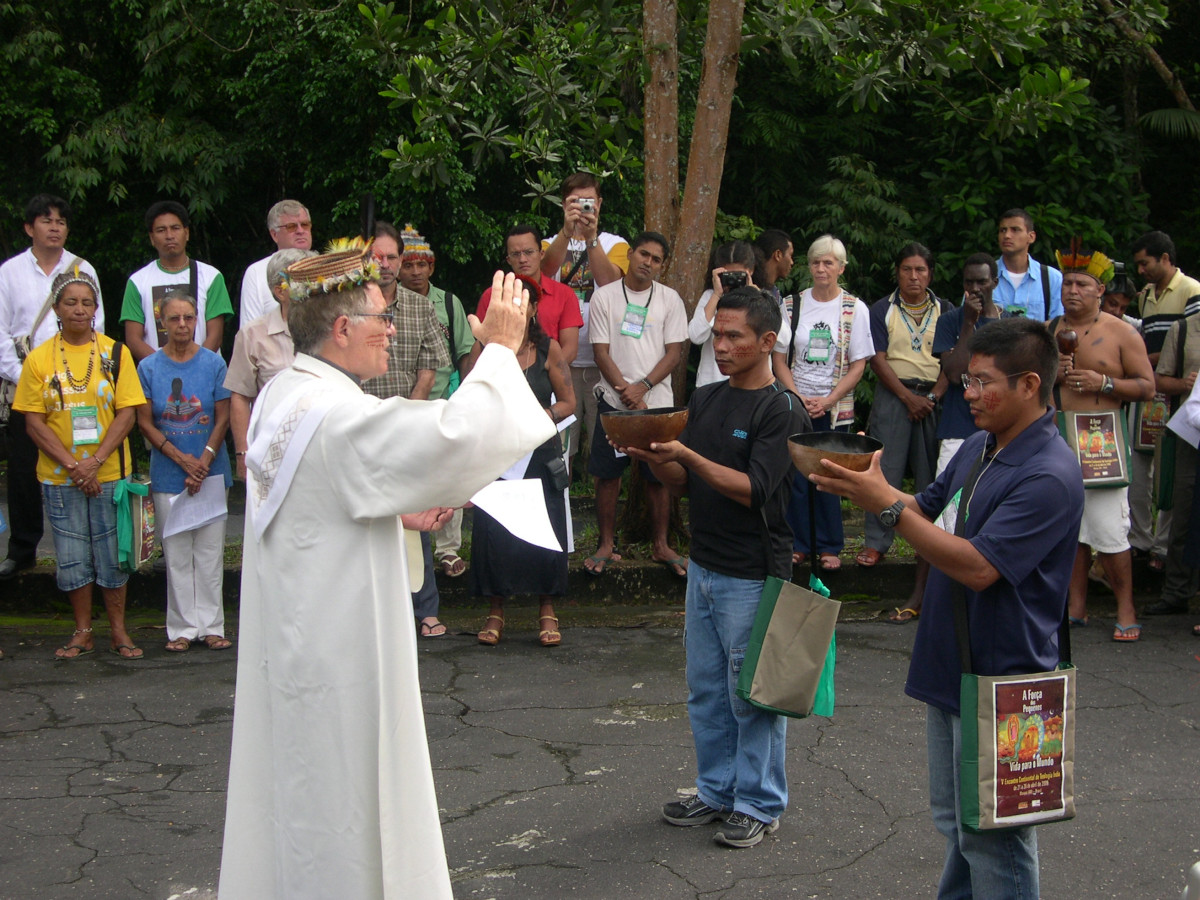
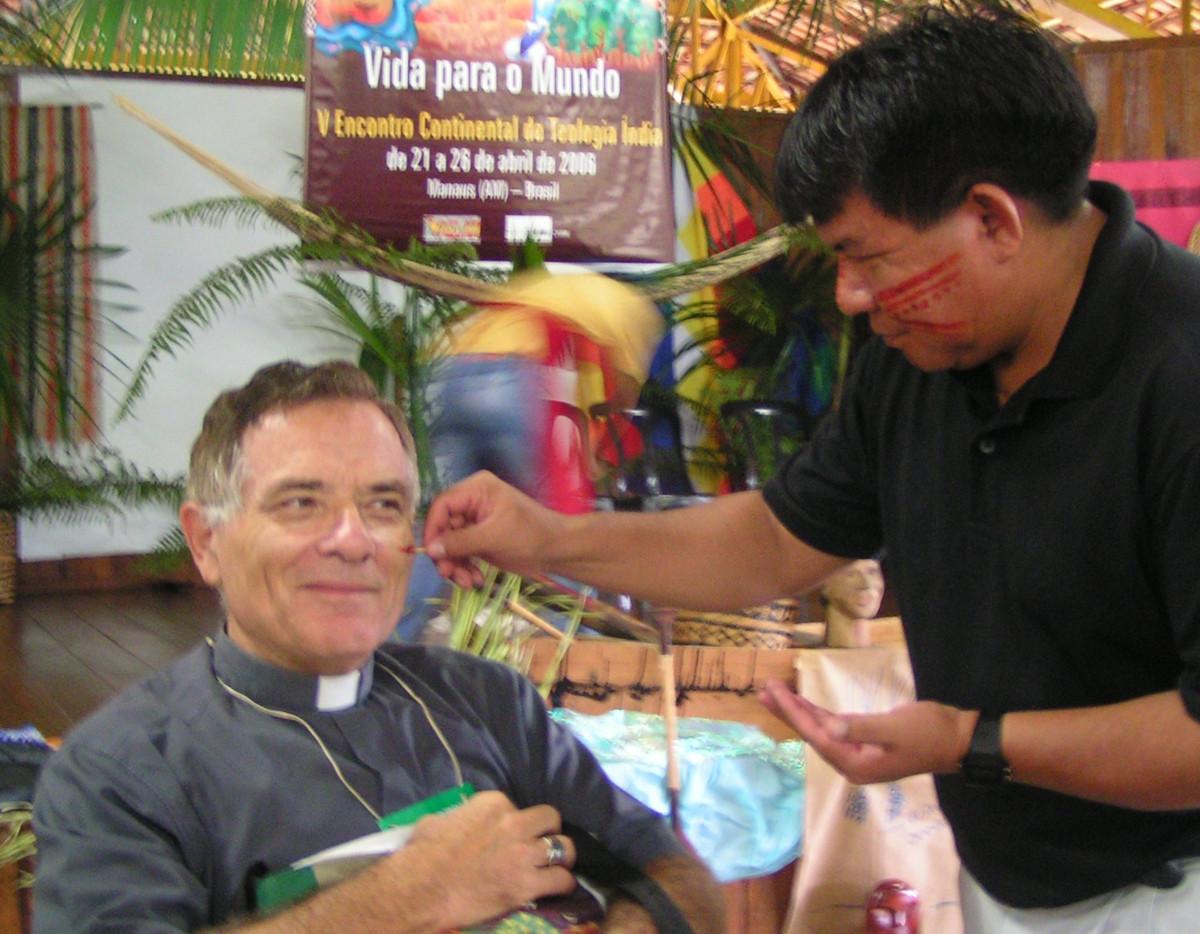
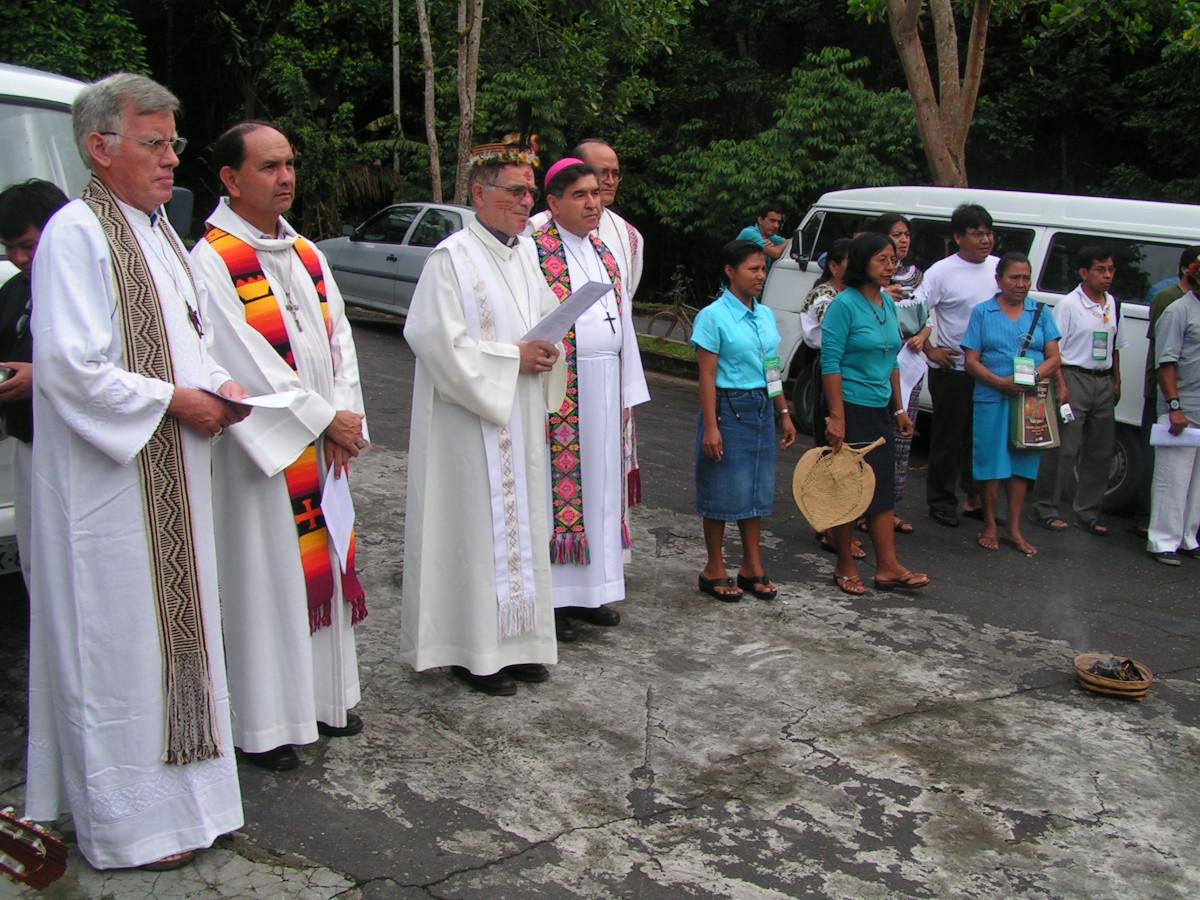
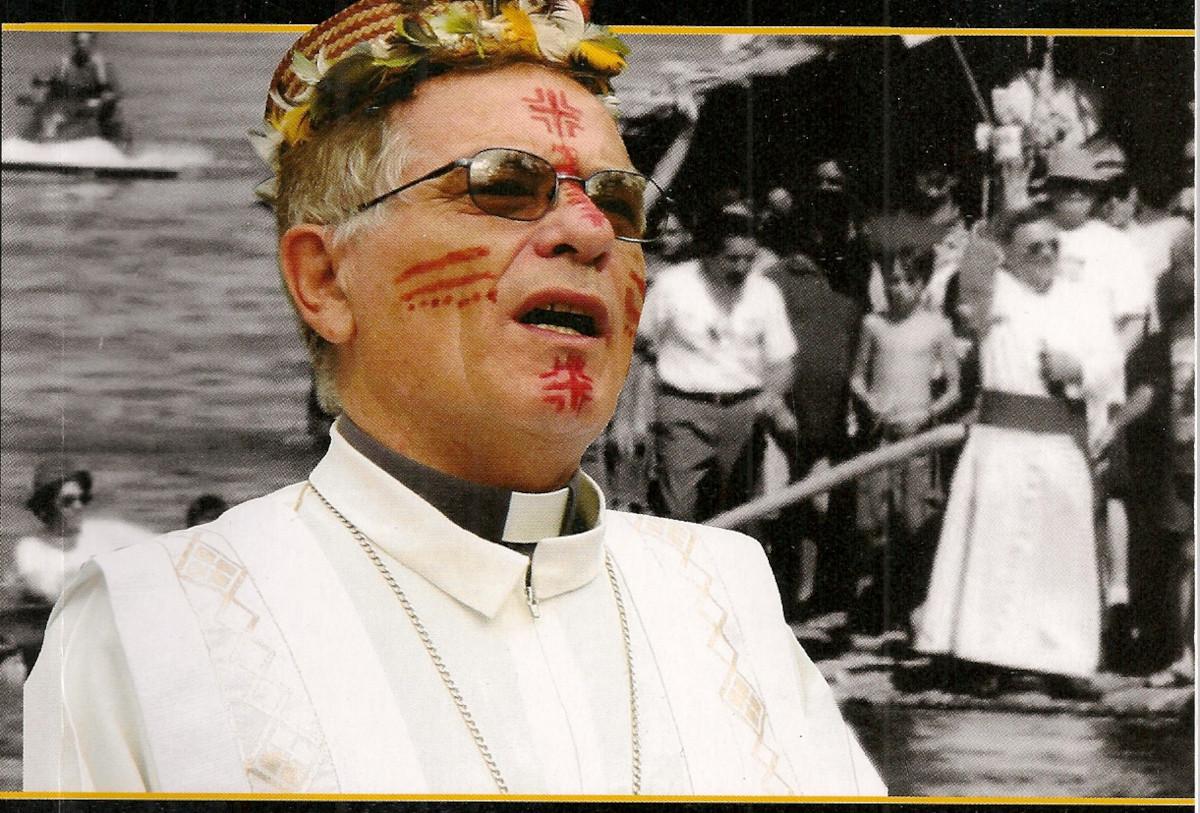
In 1999, he was elected president of the Indigenous Missionary Council (CIMI) and devoted himself wholeheartedly to the indigenous cause.
An episode that profoundly marked his life took place on 22 April 2000, during the commemorations of the 500th anniversary of the “discovery” of Brazil. The federal government organised a major event in Porto Seguro, Bahia.
The CIMI and various indigenous communities held a conference in Coroa Vermelha, alongside the government's official celebrations. There, indigenous peoples were able to speak about what 500 years of colonialism and oppression meant to them.
During a peaceful march towards Porto Seguro, the indigenous peoples were attacked by the police with tear gas and rubber bullets. Many were injured. Bishop Franco was arrested along with another 140 people and experienced first-hand what it means to struggle against an unjust and oppressive system.
He refused to be treated as a bishop and, once again, placed himself alongside the oppressed people, expressing his solidarity in a concrete way.
A legacy that remains alive
Bishop Franco Masserdotti celebrated his Easter 20 years ago. He passed away on the afternoon of 17 September 2006, the victim of a car accident in Balsas, Maranhão, Brazil.
His body rests alongside those of his predecessors, Bishop Diogo Parodi and Bishop Rino Carlesi, in the Cathedral of the Sacred Heart in Balsas.
Bishop Franco was a friend, teacher, pastor and prophet. He followed the path indicated by St Daniel Comboni: «to go beyond frontiers and be with the poorest and most abandoned».
He left us, however, a great human and spiritual legacy: the witness of a missionary passionate about life and mission, devoted to the cause of the poorest.
Twenty years after his Easter, his life continues to inspire us. His commitment to mission, to the poor, to indigenous peoples and to building a more just society remains a living testimony and an invitation to keep moving forward, beyond frontiers.
Fr Raimundo Rocha, MCCJ
Provincial of the Comboni Missionaries in Brazil