
Daniel Comboni
Comboni Missionaries
Institutional area
Other links
Newsletter
Farming to empower students in Ethiopia
Friday, September 18, 2026
The Comboni Missionaries opened in 2003 a new mission among the Gumuz people in Gilgel Beles, northwestern Ethiopia. Alongside evangelization and education, promoting agricultural self-sustenance became an important part of their mission service.
During the local war between 2020 and 2021, the community of Gilgel Beles offered shelter to many people, including a number of boys. When the conflict ended, in 2022, some of these boys could not return to their villages—not because they had chosen to stay, but because their families had been decimated.
With their homes and family support lost, these young people faced an uncertain future. Their hope lay in beginning a new life in the town, with the support of the Church.
The Comboni community initially rented a house for them in town and supported their efforts to continue their education. This was the beginning of the boys’ hostel at the mission.
Providing a home and an education
As the number of boys seeking assistance continued to grow, the Comboni community recognized the need for a permanent solution. A project proposal was prepared and submitted to benefactors, whose generous support made it possible to build a hostel within the mission compound.
The new building can accommodate up to twenty boys.
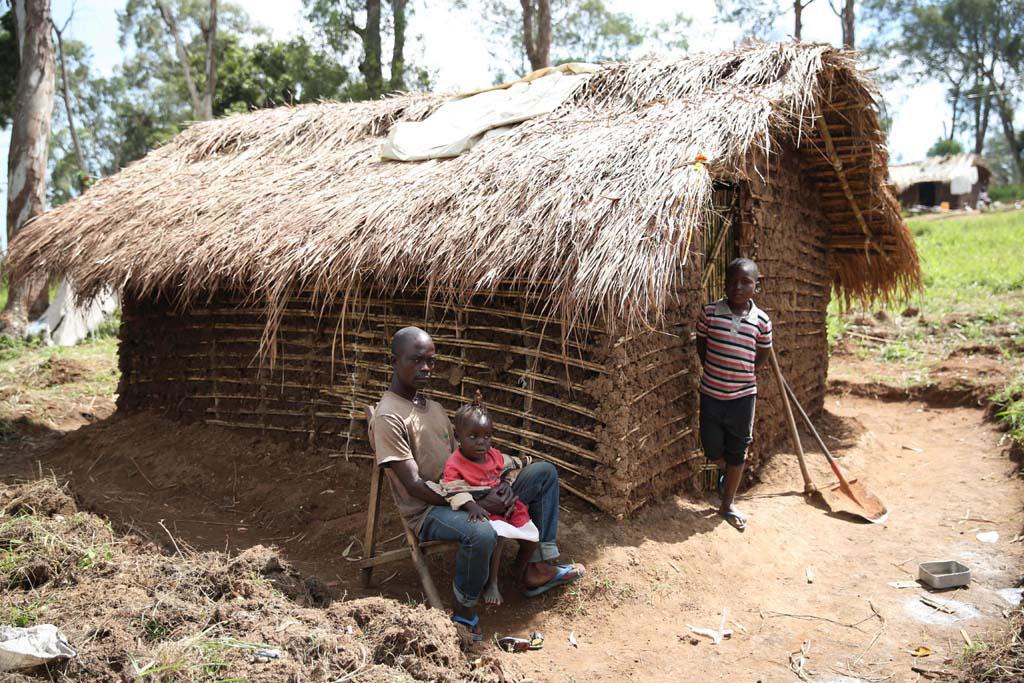
However, the need for accommodation continued to increase. In response, the community built an additional mud house outside the mission compound to provide shelter for more young people.
These efforts have offered vulnerable boys a place to live, an opportunity to study, and renewed hope for the future.
Farming for self-sustenance
As the number of boys increased, an important question arose: How could the mission provide for their daily needs in a sustainable way?
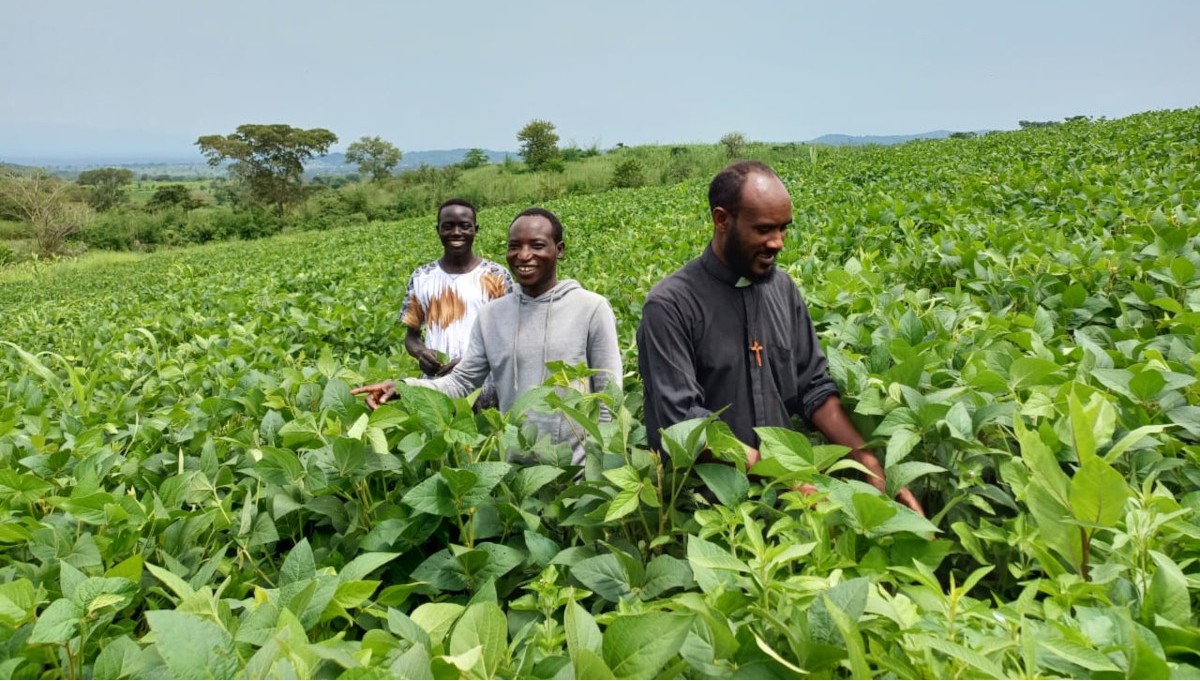
The community decided to develop an agricultural project that would involve the boys in contributing to their own upkeep while making use of the fertile land in the Benishangul-Gumuz region.
Beyond providing food, the project was intended to raise awareness of the people’s most valuable resource: its land.
The initiative also sought to involve parishioners from different outstations, encouraging cooperation and fostering a more self-sustaining parish community.
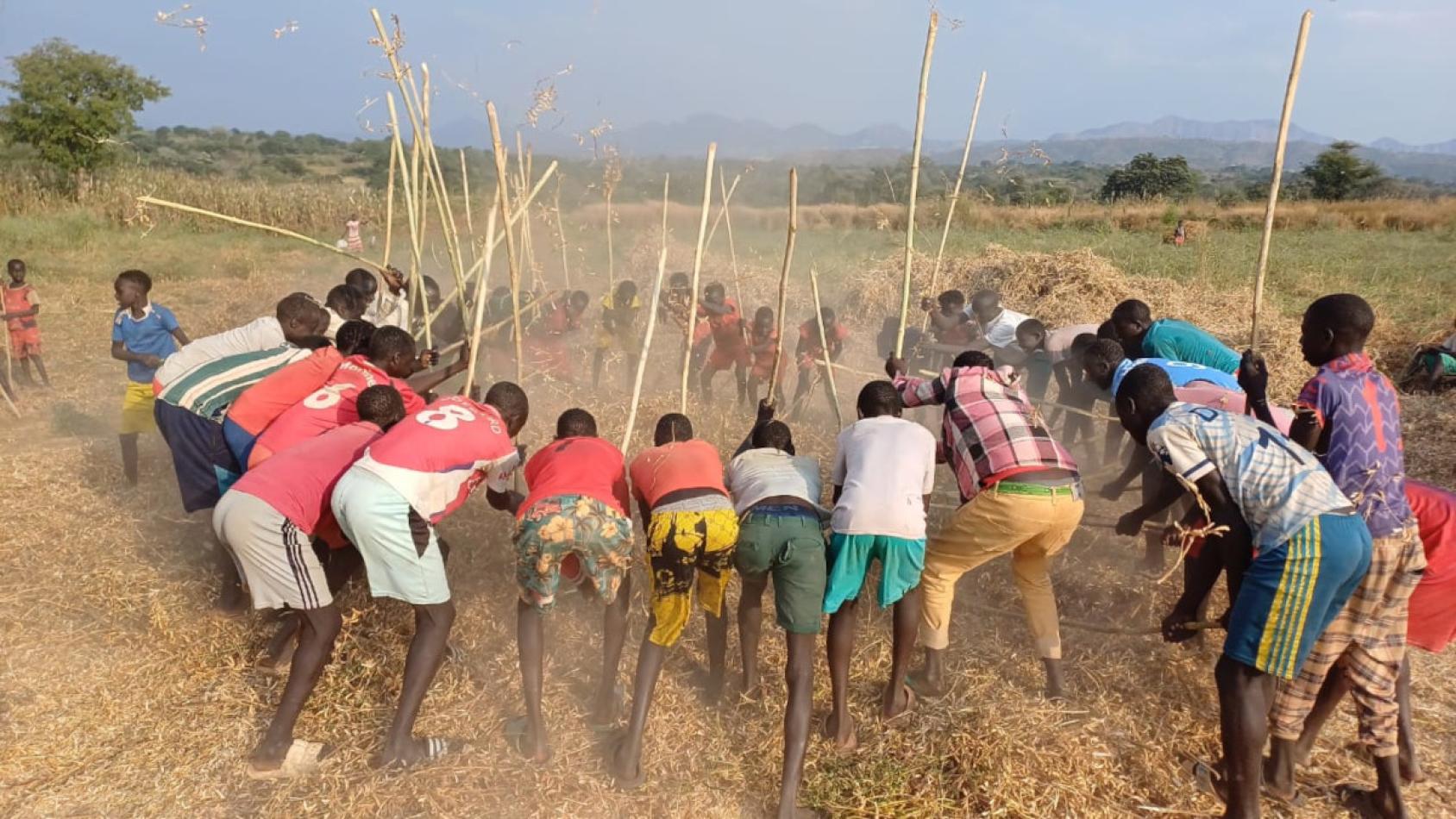
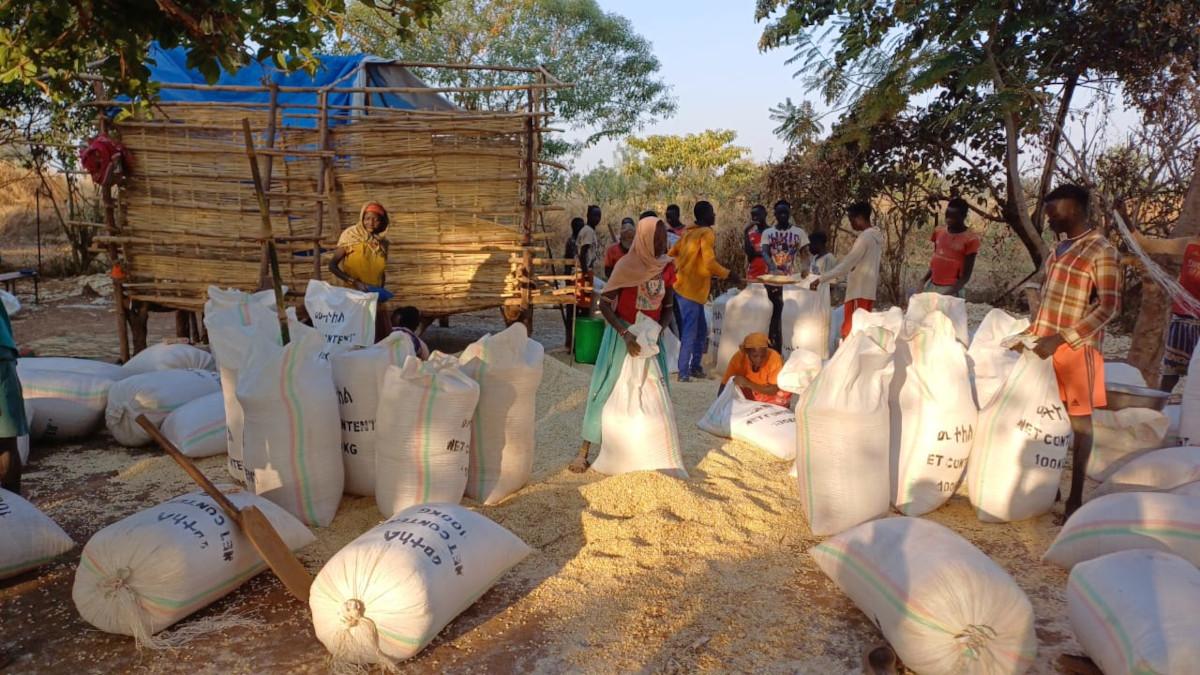
In the beginning, people from different villages participated in various stages of agricultural work, including ploughing, planting, weeding, and harvesting. Their collaboration offered hope for a project that could benefit both the hostel and the wider community.
Challenges and new realities
Over time, however, this initial enthusiasm became more difficult to sustain.
Today, the mission faces growing challenges in mobilizing workers from the surrounding villages. Many young people have left for gold mining, while others have been displaced by ongoing local armed clashes.
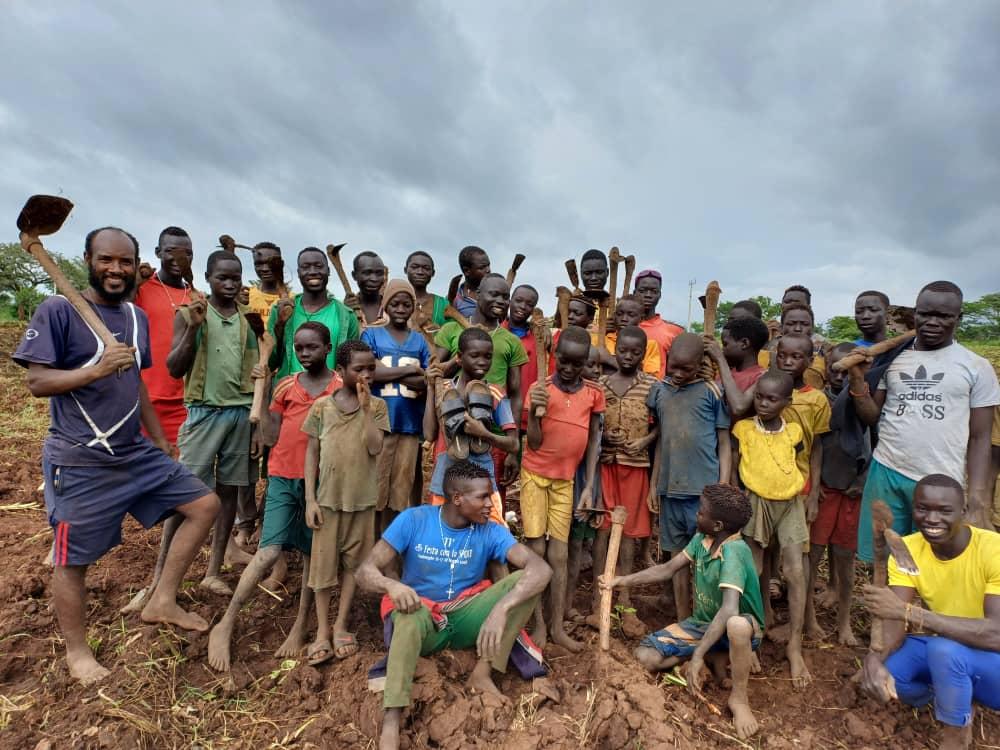
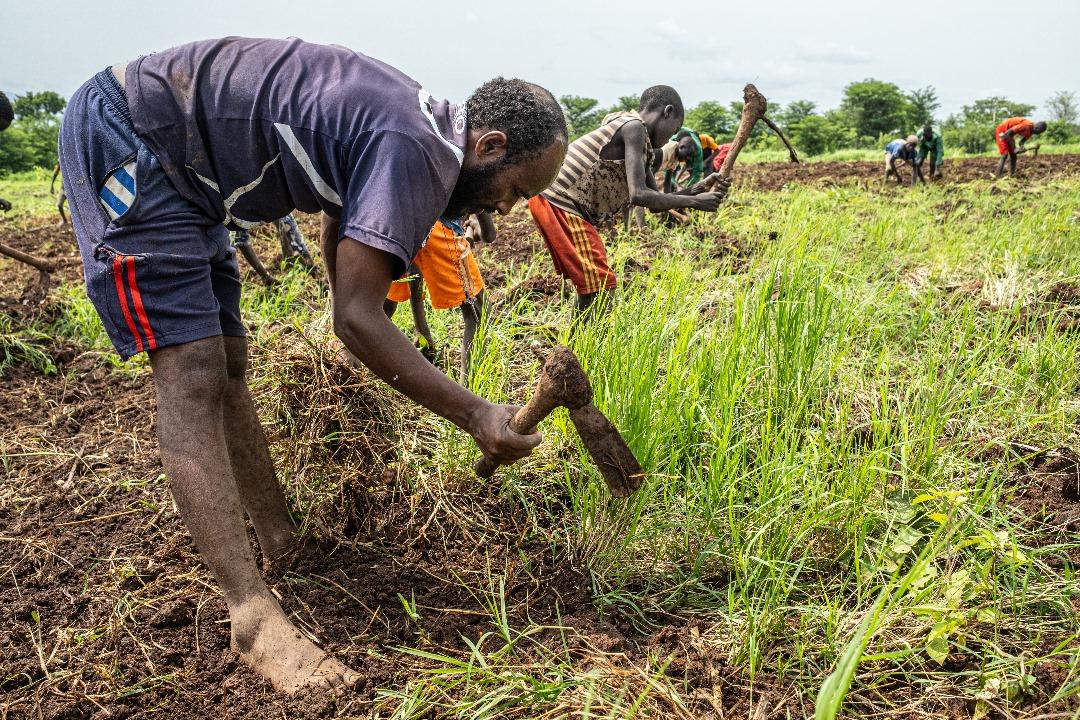
As a result, the available workforce has decreased considerably. The hostel boys have become the main source of labour, contributing to the production of food for their own needs and those of the parish.
Another major challenge is the lack of agricultural machinery. Most of the work is still carried out using simple traditional tools, such as hoes, machetes, spades, and axes. Preparing and cultivating the land in this way requires considerable time and physical effort.
Access to a tractor would make a significant difference, helping to ease the workload and improve the efficiency of the farming project.
Accompanying young people through education and work
The project also involves an important educational and social dimension.
Agriculture has not traditionally been the main livelihood of the Gumuz people, many of whom historically relied on hunting, gathering, and fishing. In more recent decades, livestock rearing and farming have increasingly become part of their daily livelihoods.
For the mission, encouraging young people to participate in agricultural work and take responsibility for their education is an ongoing process. It requires patience, accompaniment, and opportunities for them to recognize the value of working together.
The hope is that, through education and practical experience, these boys will grow into responsible adults who can support their families and contribute to the development of their communities.
In this way, the mission seeks to help build a future in which the Church and society grow together through shared responsibility and collaboration.
A call for solidarity
The farming project has become a backbone of the mission in Gilgel Beles. It supports the daily needs of the hostel while promoting a spirit of self-sustenance and cooperation.
We are deeply grateful to all our benefactors whose generosity made the construction of the hostel possible. Their support has provided shelter and renewed hope to young people whose lives have been marked by loss and displacement.
Today, we continue to appeal to people of goodwill for assistance, particularly in acquiring a tractor that would make agricultural work easier and more productive.
Your support can help these young people continue their education, contribute to their own sustenance, and prepare for a future in which they can serve their families and communities.
We hope that the people themselves will increasingly embrace the Church and the wider community as their own, building a society in which working hand in hand becomes a shared value.
Continuing the dream of Saint Daniel Comboni
Coming to this new area of evangelization brought the Comboni Missionaries back to the heart of their charism: the first evangelization, inspired by their Founder, Saint Daniel Comboni.
When the first Comboni missionaries established their community in Benishangul-Gumuz regional State, much of the region had yet to be reached by the Gospel.
Today, their mission continues through evangelization, education, and practical initiatives that respond to the needs of local people.
By supporting these young boys and helping them gain an education, the mission hopes to nurture future leaders who will contribute to the growth and well-being of their own communities.
This is a concrete way of living the dream of Saint Daniel Comboni: “Save Africa with Africa!”
Father André Mbala, MCCJ