
Daniel Comboni
Comboni Missionaries
Institutional area
Other links
Newsletter
Comboni Missionaries in Europe under 50 gather in Verona
Tuesday, September 29, 2026
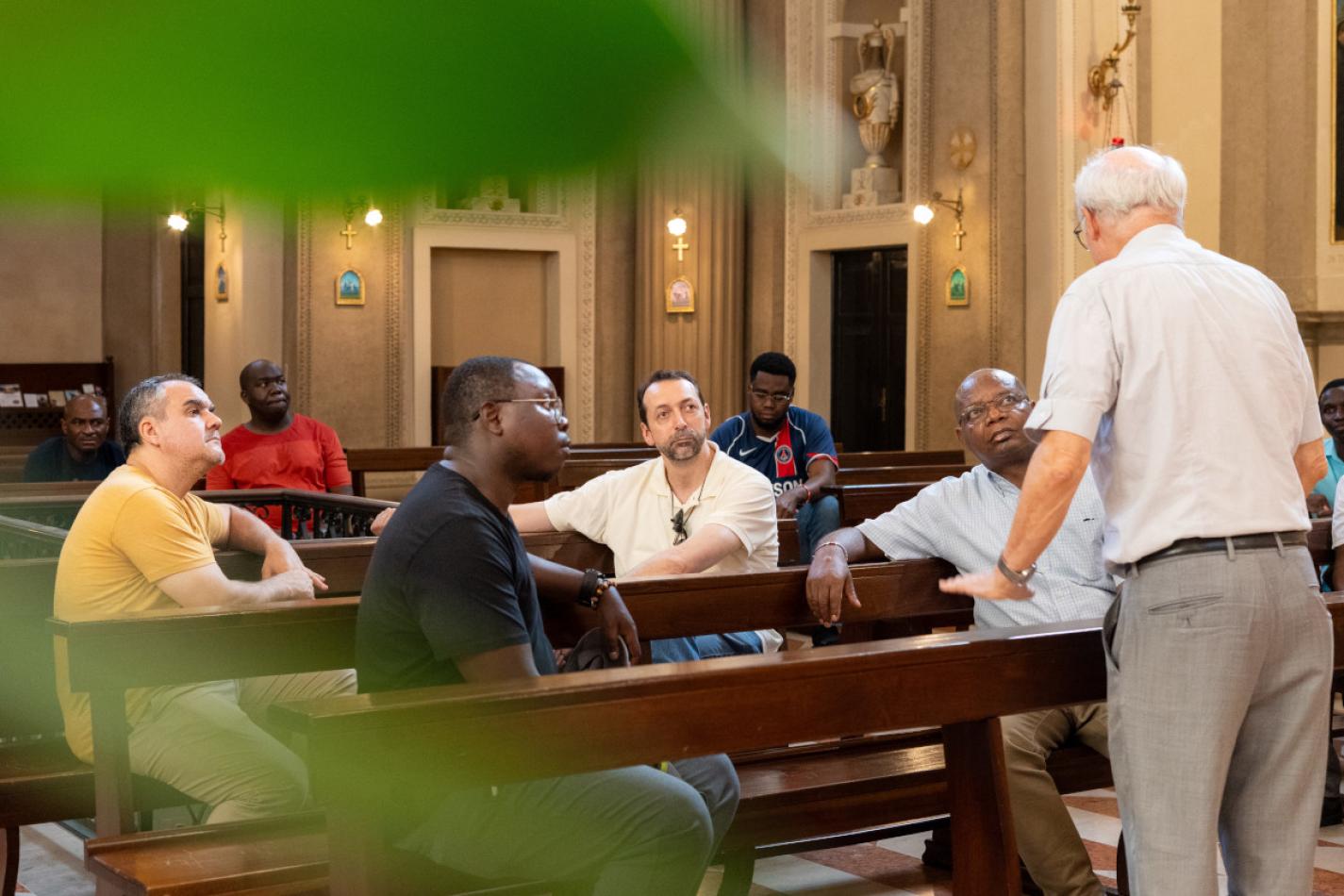
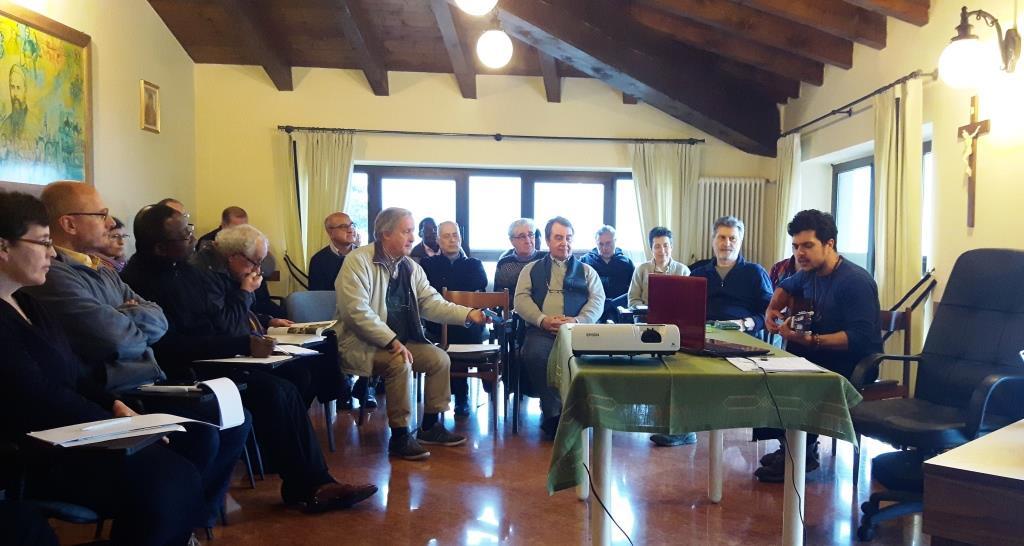
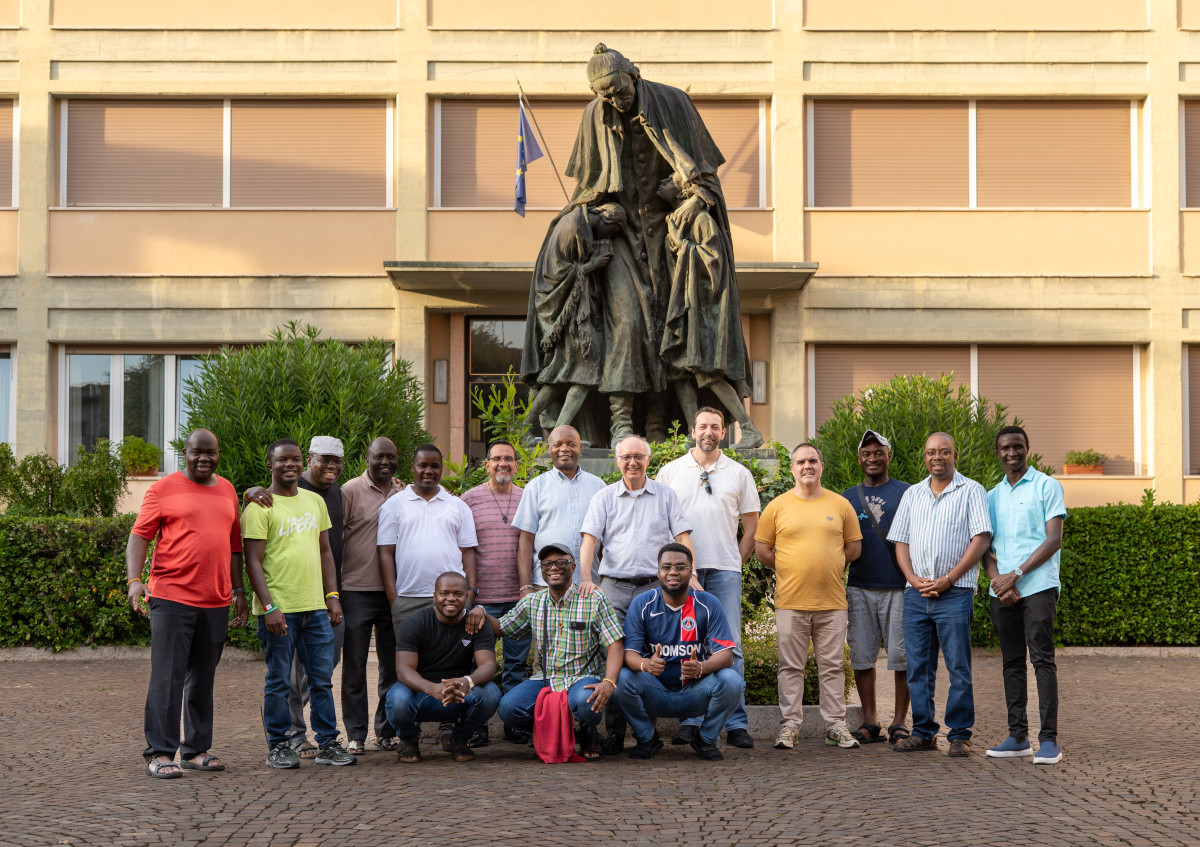
The Comboni mother-house in Verona hosted, from September 20 to 23, the first European gathering of Comboni missionaries under the age of 50, creating a new space to share personal, community, and pastoral experiences.
Although a meeting had already been held in Madrid in 2025, involving only Spain and Portugal, this time missionaries working in Italy were joined by confreres serving in Poland, Germany, Portugal, Austria, and Spain.
Organized by Fr. Rubén Padilla Rocha, Provincial of the London Province and responsible for formation in Europe, the gathering received the support of the General Secretariats for Mission and Formation.
After the welcome dinner, the 15 participants from nine nationalities gathered in the Africa room. There, Fr. Rubén welcomed everyone and presented the programme. Italian and English were the official languages of the meeting, although Spanish, French, and Portuguese could also be used.
Ongoing formation
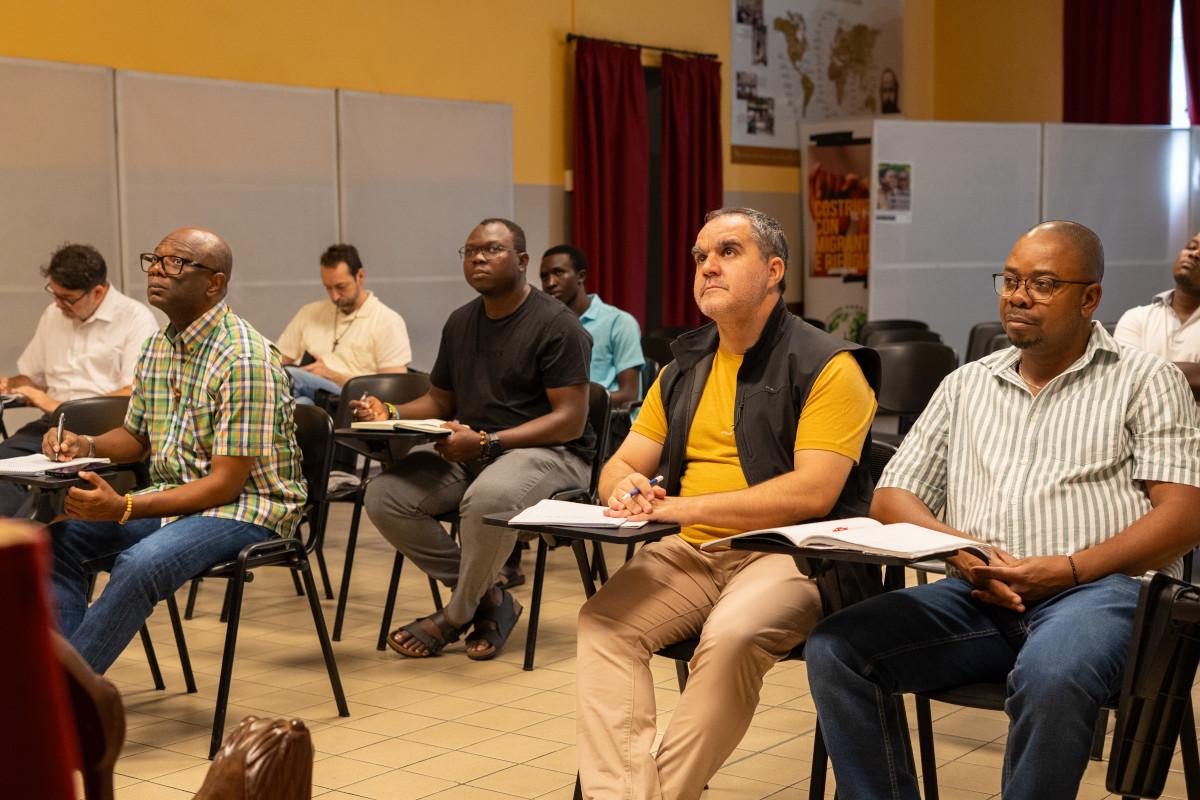
Two days were devoted to ongoing formation. Fr. Pietro Ciuciulla, Provincial of Italy, opened the gathering with words of welcome.
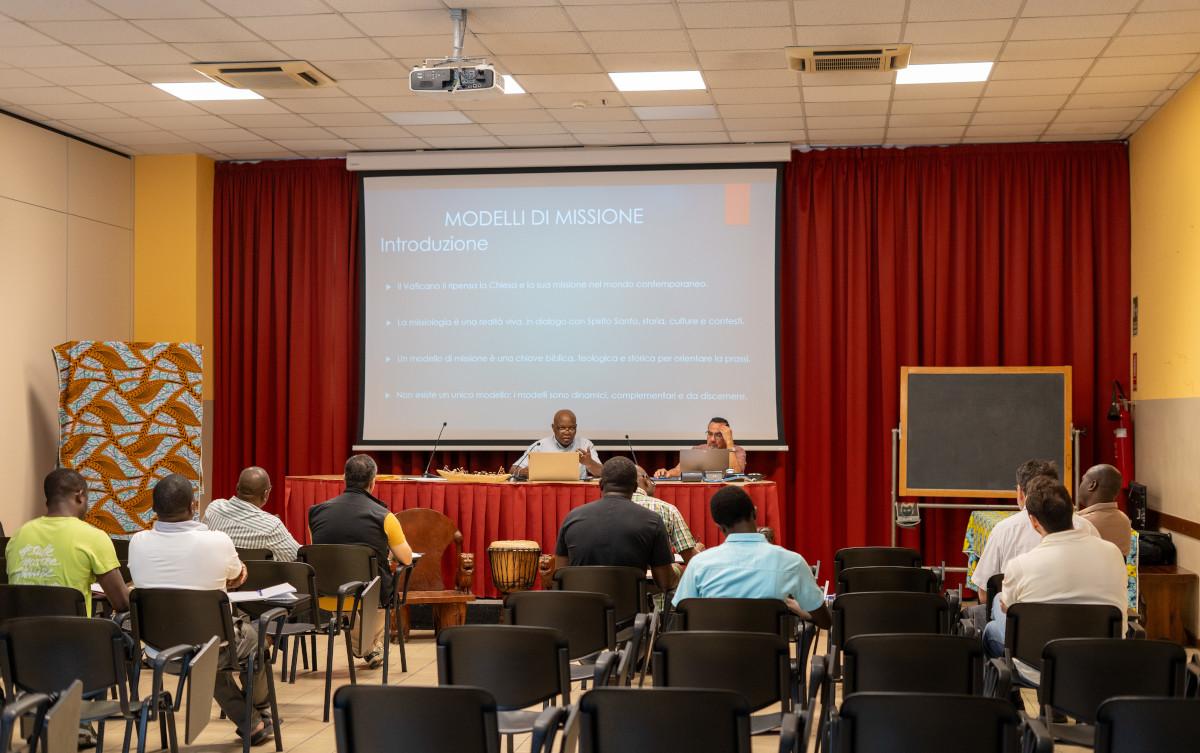
Fr. John Ikundu, Secretary General of the Mission, then presented “The model of mission in Europe,” based on six key elements: Ad gentes, inter gentes, ministeriality, fraternity, liberation, and integral ecology. Scripture, history, theology, and Church teaching provide the foundations for each of these dimensions.
Brother Alberto Parise, who joined the meeting via Zoom from Rome, invited participants to move beyond the old way of thinking about missionary animation. In a context with fewer Christians, missionaries, and benefactors, mission “is no longer measured in kilometres,” but rather “wherever there is a periphery to be accompanied,” he said.
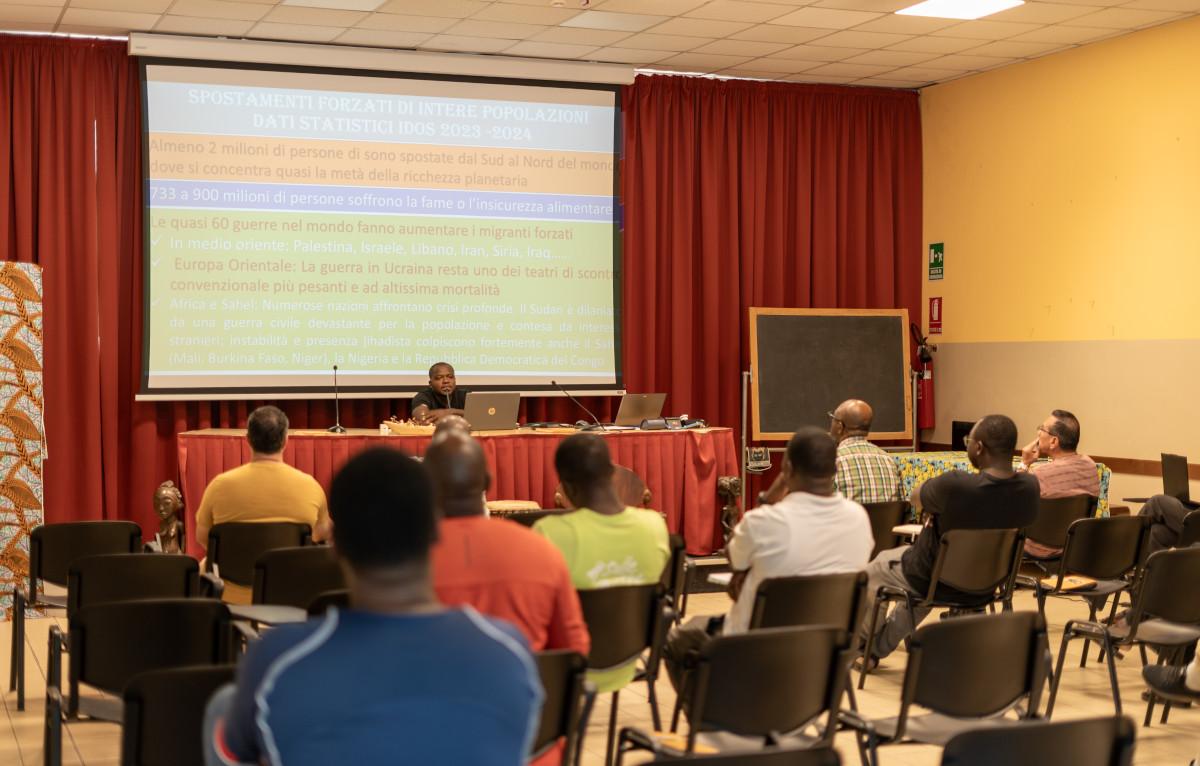
In this context, the powerful testimony of Fr. Gbedenya Kodzo Selom Daniel, from Togo, helped the participants understand a new and concrete missionary frontier: ministry among migrants in Castel Volturno, Italy.
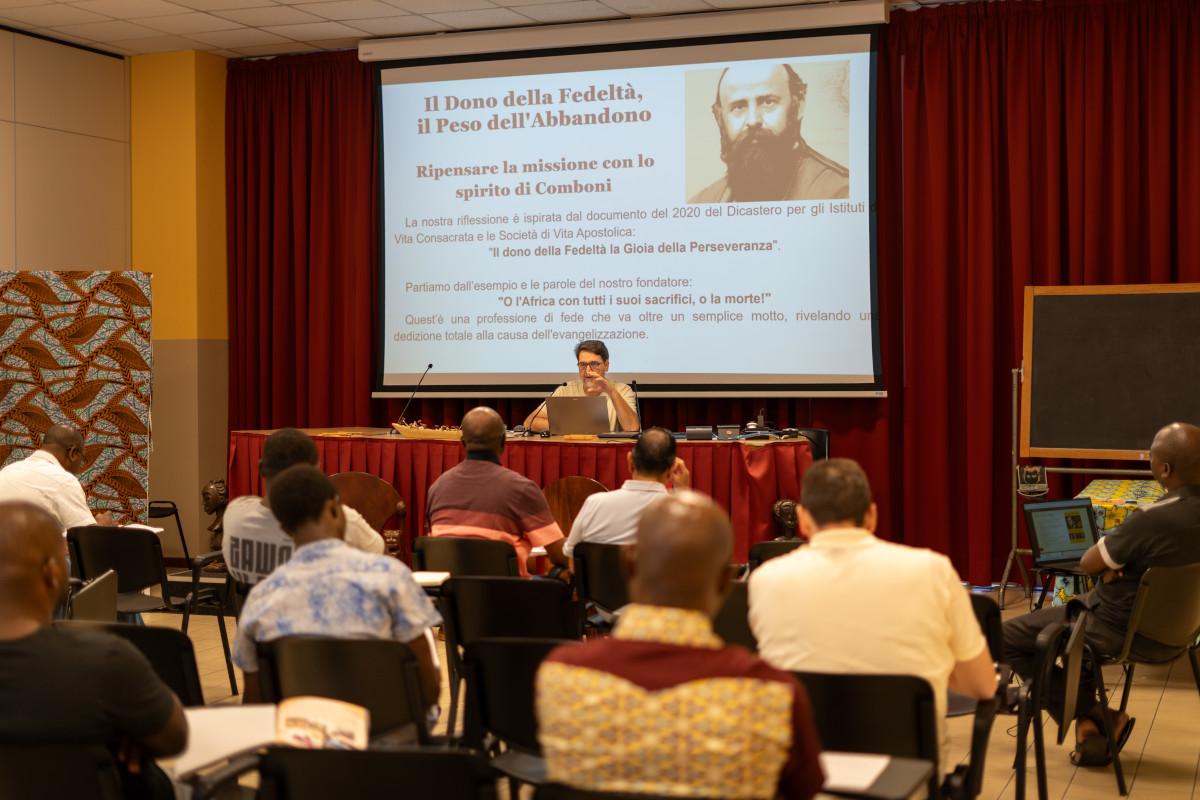
Vocation was another central theme of reflection. Fr. Jesús Villaseñor, Secretary General of Formation, introduced the topic “The gift of fidelity, the weight of abandonment.” Participants then divided into three groups—English, French, and Italian—to share their personal experiences.
Fr. Otii Alir Moses, an Ugandan and formator at the scholasticate in Graz, Austria, concluded the ongoing formation programme with his presentation, “Digital Communication and Violence,” in which he reviewed the history of technology and its use.
The session concluded with a screening of the 2020 documentary The Social Dilemma. Fr. Simtokena Kevin summed it up in these words: “Our mission is to bring people closer to Jesus. Therefore, we need to know how to use the internet, because its misuse generates conflicts and violence.”
Time devoted to visits
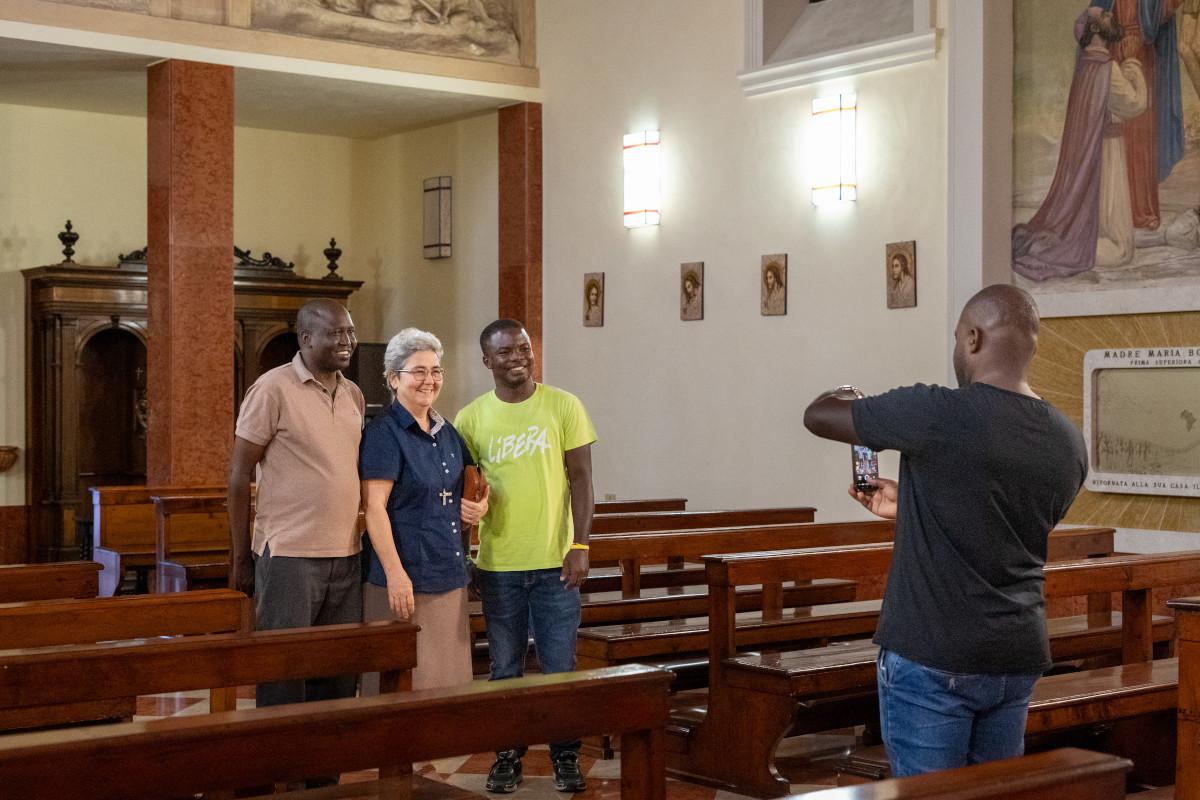
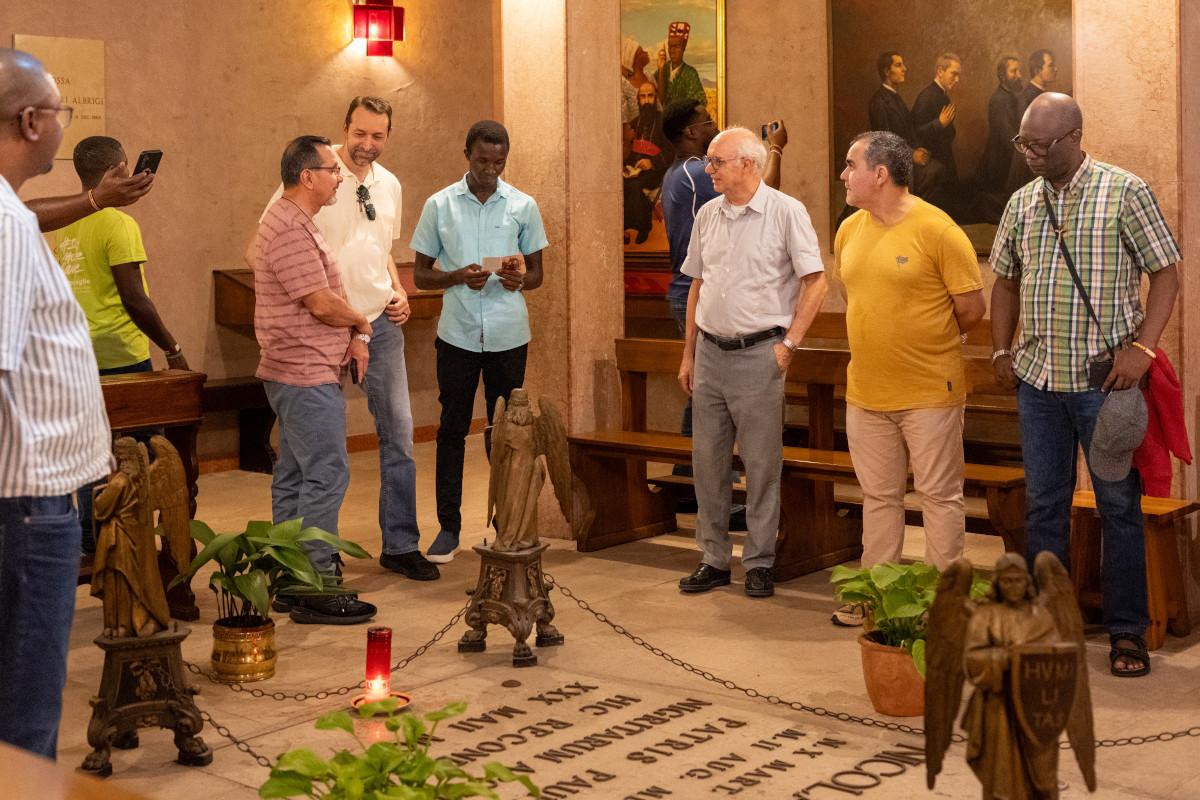
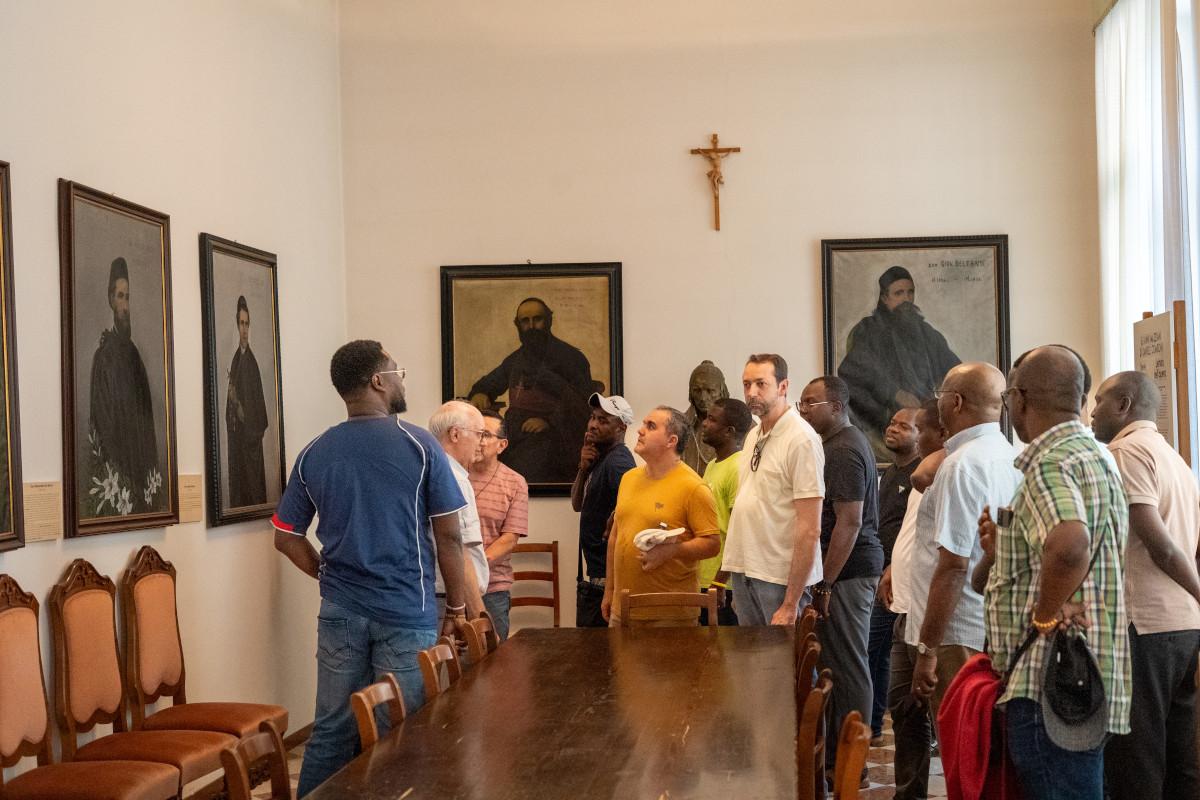
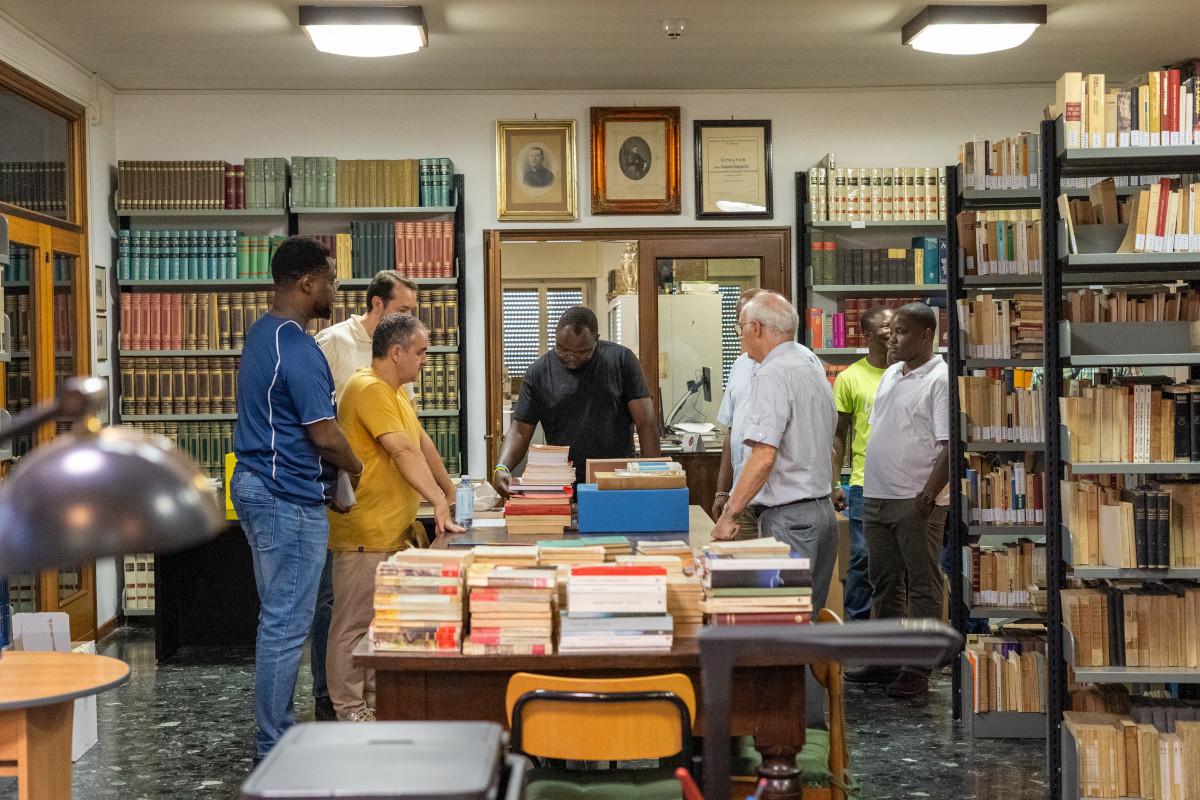
The group visited the Don Nicola Mazza University College, where St. Daniel Comboni studied. Fr. Sandro Corazza, Superior General of the Society of Apostolic Life, welcomed the group and explained how the student residence and college operate. The participants prayed at the tomb of Don Nicola Mazza and visited the college chapel and library.
The final day of the gathering was dedicated to a visit to Limone sul Garda, a historic place of faith and the birthplace of St. Daniel Comboni.
Fr. Olupot Christopher, from Uganda and the youngest participant, with only five months of priestly ordination, described the gathering as “renewing.”
Fr. Esdras Bimbo, from the Central African Republic, works in youth ministry, which has been transferred from Milan to Fano. For him, “it was enriching to meet as brothers and to share the challenges and joys of mission in Europe.”
Portuguese Brother José Eduardo Freitas, who had recently returned from his mission in Uganda, acknowledged that “the atmosphere of the meeting was very friendly.” He also believes it would be worthwhile to “create a platform that would allow us to maintain contact with one another and share our missionary experiences.”
What Verona demonstrated is that the new generation of Comboni missionaries in Europe is not passively waiting for changes within the Institute. They have their own questions, experiences to share, and a desire to build this journey together. Verona confirms that the project is growing.
Boniface Gbama, MCCJ