
Daniel Comboni
Comboni Missionaries
Institutional area
Other links
Newsletter
Bro. Eduardo Freitas: “Embracing interior life to witness the Kingdom”
Thursday, October 1, 2026
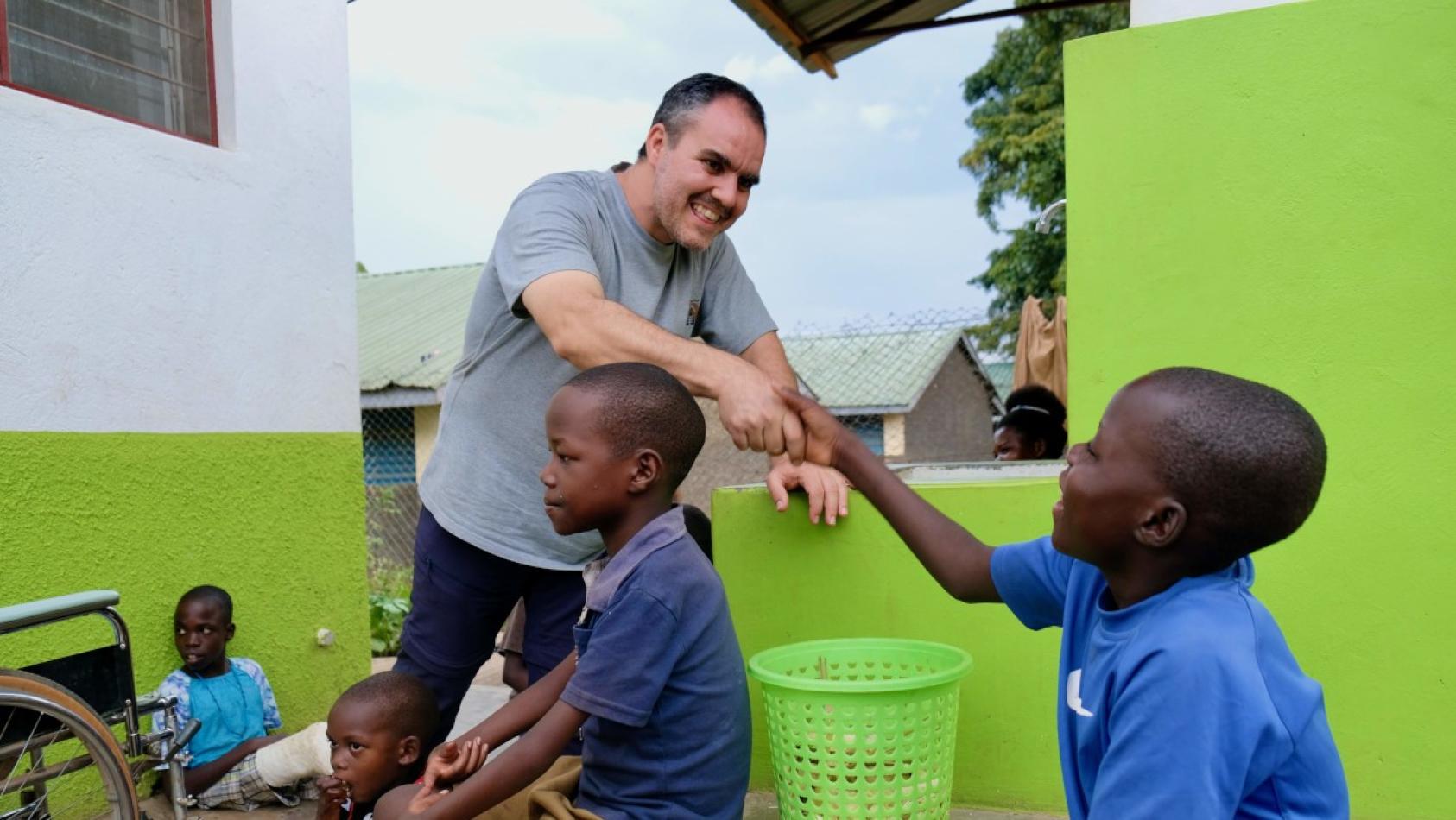
Comboni Brother Eduardo Freitas spent ten years in northern Uganda. There, through the richness and unexpected turns of authentic and profound interpersonal encounters, he fulfilled the dreams and expectations of a young missionary nurse.
I am Eduardo Freitas, a Comboni missionary brother. I have just arrived in Lisbon from northern Uganda, where I lived for ten years. I left for this country in East Africa in February 2013, a few weeks after making my perpetual vows as a Comboni missionary. I was ready to offer my life to proclaim Christ with my hands and my heart. I was accompanied by dreams and expectations.
I was assigned to Matany, a mission in the north of the country, in the middle of a region called Karamoja. There I spent six years serving the people, working in the hospital pharmacy. As a nurse, I accepted the challenge because there was no pharmacist and the hospital needed someone to oversee that department. There I felt like a brother among brothers.
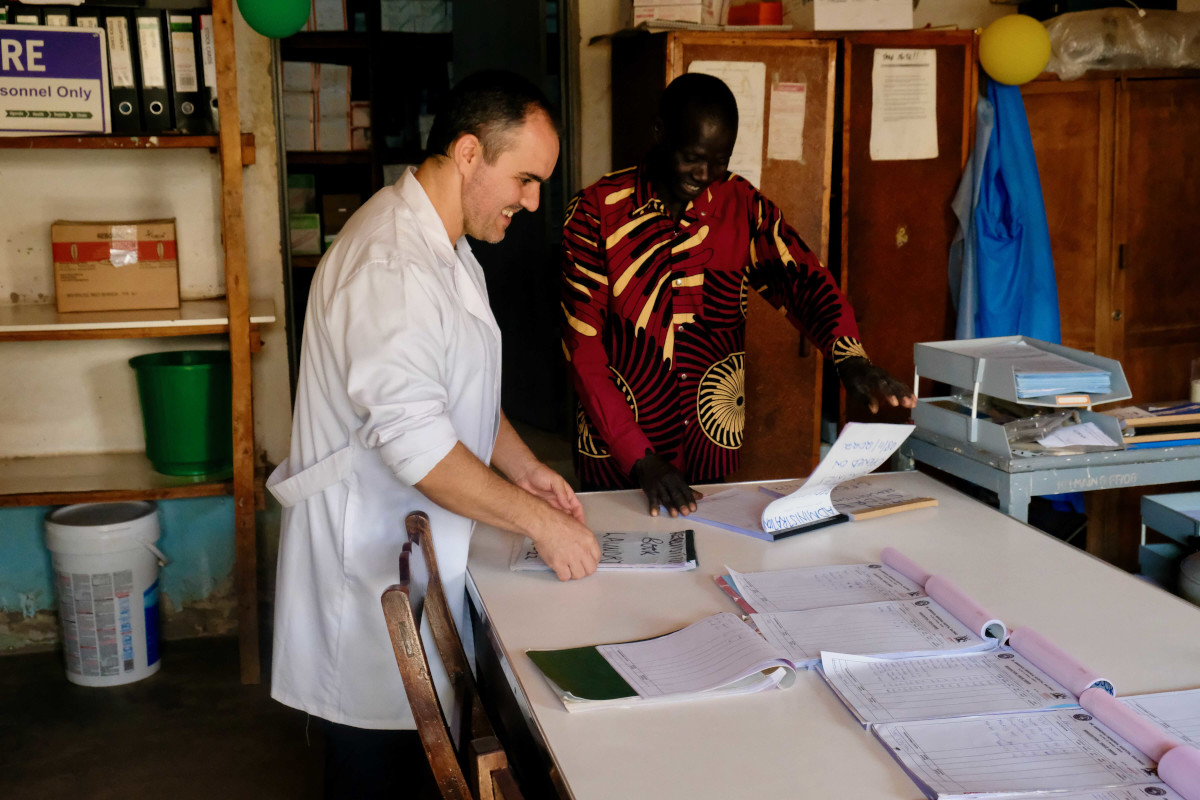
Authentic encounters
Those were years of discovering the richness and complexity of relationships and how deeply they are connected to each person’s inner world. I grew in faith, clarified my dreams and expectations, challenged by the reality of living in a multicultural environment. In that space, I discovered and became passionate about the inner life and the field of psychological and spiritual accompaniment, about the relationship of otherness and empathy with the other, who is another self.
I have nourished, and continue to nourish, this deep desire — a need present in every human being — for a genuine encounter with the other, without masks. Carl Rogers, the American psychologist, spoke of a quality presence marked by authenticity. In Kalongo, where I spent the last four years, I experienced something of this dynamic.
At the midwifery school in this small Ugandan town, I experienced how active listening and living in the present moment — being connected with myself, with God and with the other — is a challenge to which Jesus invites me as a Christian and pastoral worker. To live in God’s presence, to be connected with others, with humanity.
I remember well my encounter with a young woman, whom we will call Jacinta. She was a midwifery student. As she shared what she was feeling and the difficulties she was experiencing in trying to continue her studies, she told me:
“When I was 17, I became responsible for my family. My father had a fall and had to have one arm amputated; my mother had respiratory problems. They could not cultivate the fields, and I, as the eldest daughter, had to roll up my sleeves. I had to organize the household, work and take care of my siblings. Every morning I would sit with my parents and we would see what we were going to do.”
And she added: “There was not a single day when I did not cry, and there was not a single day when I did not pray. I knew that God was with me and I felt Him very close to me; it was as if I could touch Him. I could feel God so close and present.”
Jacinta touched me deeply because of the intensity and unity of her human and spiritual experience. It is an experience that I — and each one of us — are called to live. Tears united with prayer, the expression of feelings and experiences that brings integration and healing.
Pain that calls us to surrender and trust in God. It is to this energy, freedom and strength that Jacinta invited me and continues to invite me. We can always choose the attitude we adopt in the face of life’s circumstances and challenges. The prophet Samuel exclaims: “People look at the outward appearance, but the Lord looks at the heart” (1 Samuel 16:7).
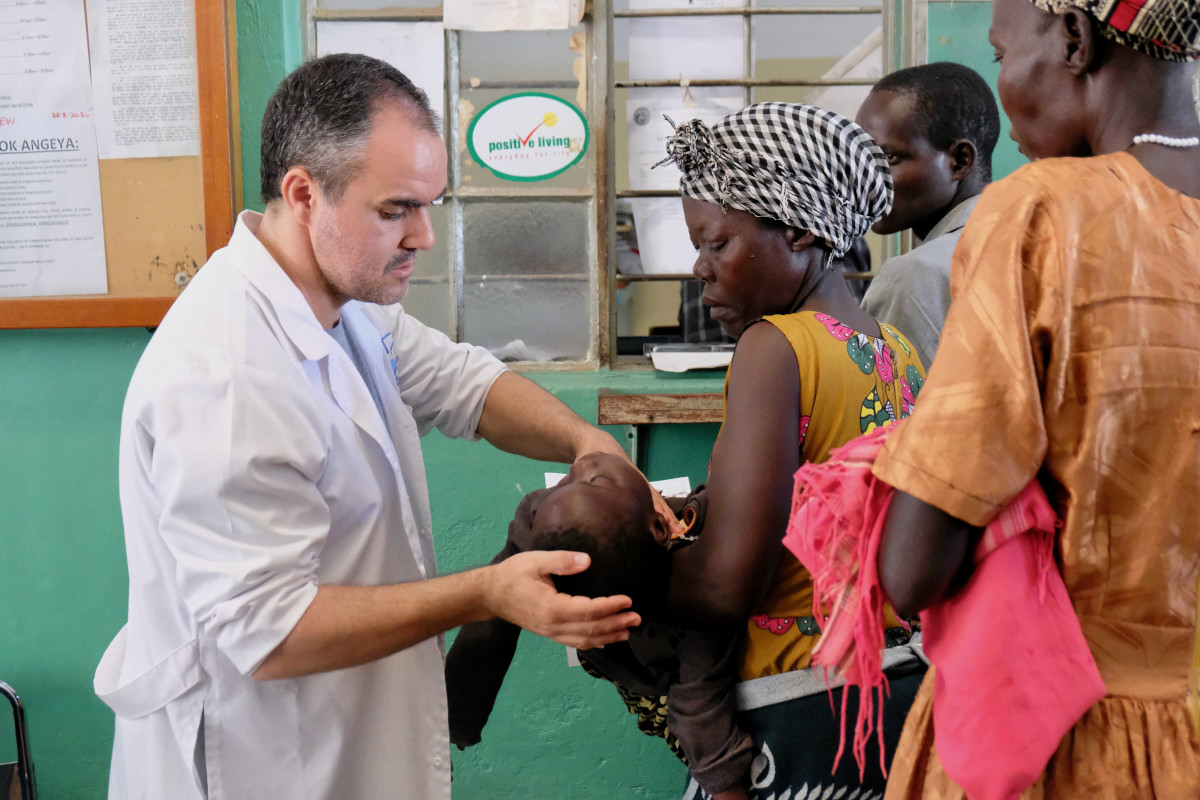
Embracing interior life
I ask for the grace to see as the Lord sees the interior life, the heart, while taking responsibility for my own life. To be a space of listening and acceptance of the other as he or she is brings about transformation. The interior life is a path of humanization that transforms life. Jesus is the supreme example of this attitude.
God’s love becomes present in the people with whom we live and share our lives. To feel everything and live everything — emotions move us — in our encounter with God and with others.
I want to embrace the interior life in order to be a witness to the Kingdom of God. Life needs to be integrated, not scattered or distracted. What are my priorities? What is my center? Because, as Jesus says, “where your treasure is, there your heart will be also” (Matthew 6:21). And, as Saint-Exupéry’s Little Prince reminds us, what is truly essential is invisible to the eyes.
Bro. Eduardo Freitas, MCCJ