
Daniel Comboni
Comboni Missionaries
Institutional area
Other links
Newsletter
80 Years in Mozambique: “Put out into deep water”
Thursday, October 8, 2026
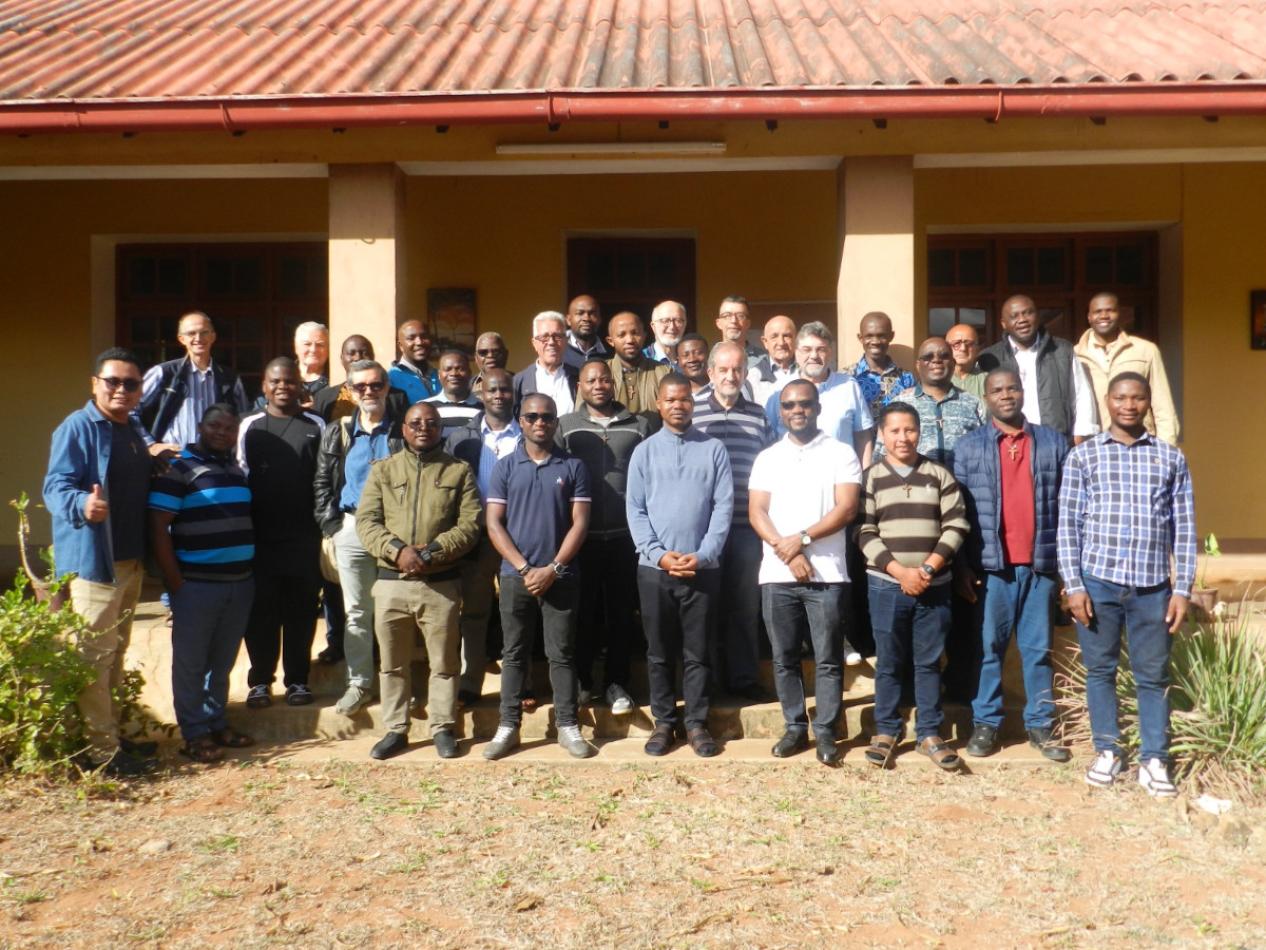
Celebrating 80 years of Comboni presence in this “beloved homeland” means, above all, listening to Jesus’ invitation to Peter and the other disciples. It means feeling compelled to go further and deeper. Peter’s response must also be ours: “At your word, I will let down the nets” (Luke 5:4).
The Comboni presence in Mozambique began in July 1946, in Mossuril, Nampula, with the arrival from Sudan of an experienced missionary: Fr José Zambonardi. After him, how many looks of love and compassion there have been, right up to the present day! How much “Mozambican blood” flows through the veins of our Comboni Institute! How much gratitude and mutual appreciation for the privilege of living alongside simple and profound people who have enriched our personal lives and our history as an Institute.
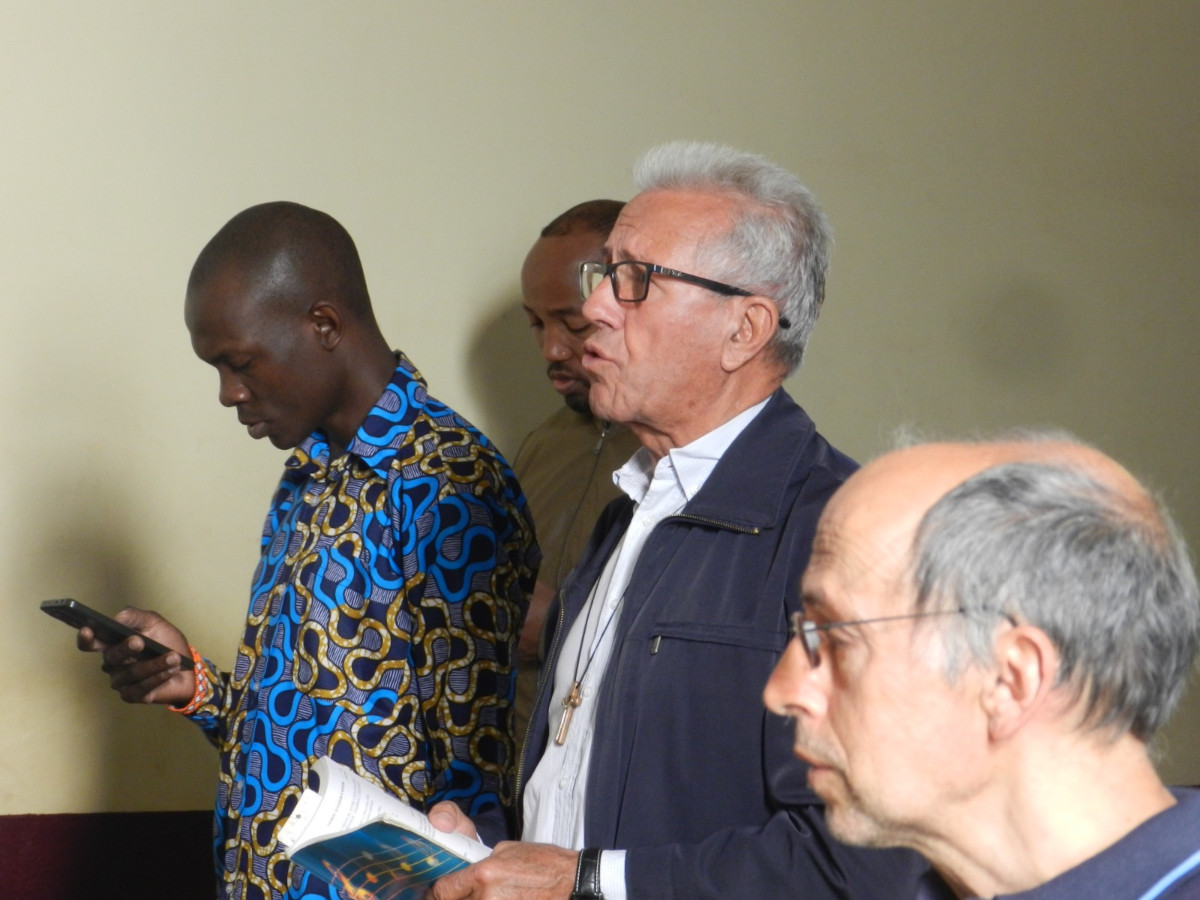
Four key moments
I would sum up this brief period in four particularly significant stages in the life of the Mozambican people: from 1946 to 1964; from 1965 to 1975; from 1976 to 1992; and from 1993 to the present day.
The first period was marked by the “mystique of the beginnings”. When a work is first started, one easily comes across men and women who have a vision, nurture dreams and are able to see beyond what the majority can see. They are true visionaries, and nothing and no one can turn them away from their vision. They live, work, pray and sleep without losing sight of the goals they pursue.
Mossuril soon became too small for the ambitions of the young missionaries, who, like their founder, had fallen in love with Africa. They fell in love with this people and this land and extended their roots and branches into unexplored areas: Carapira, Netia, Nacarôa and Alua.
The bishop who visited them at this early stage in Carapira was amazed at such missionary boldness and exclaimed: “These missionaries are either mad or heroes.” The distinguished visitor was not mistaken, because the missionaries were, at one and the same time, both mad and heroes!
The second period encompassed the years of the armed struggle and the achievement of independence. During this period, the missionaries took the side of the people.
Gathered in assembly, they issued the “Imperative of Conscience” (February 1974), a strong appeal to the bishops to abandon ambiguity and clearly take a stand in favour of Mozambique’s independence.
The document led to the expulsion of 11 Comboni missionaries, together with the Bishop of Nampula, Mgr Manuel Vieira Pinto. Easter of 1974 was approaching.
The third period of our presence covers the years from 1975 to 1992. In 1977, the country once again embarked upon the path of civil war. From then on, Mozambique saw its hopes shattered. The war lasted 16 years and, throughout this time, the missionaries kept the hope of the Mozambican people alive.
Wherever the people suffered and sought refuge, the missionaries accompanied them. In Malawi, the Comboni missionaries from Mozambique opened two communities to accompany Mozambican refugees. Once again, a fundamental aspect of the Comboni charism became evident: “making common cause”.
Finally, peace came on 4 October 1992. This marks the fourth period, that of the post-war era. Between joy and mistrust, the Comboni missionaries raised their heads together with the people, hoping for a new dawn without sunset.
They did not surrender in the face of the situation in which the country found itself. They set to work and joined in the reconstruction of society and the country, devastated by war. They invested in the formation of lay people and candidates for Comboni and diocesan missionary life.
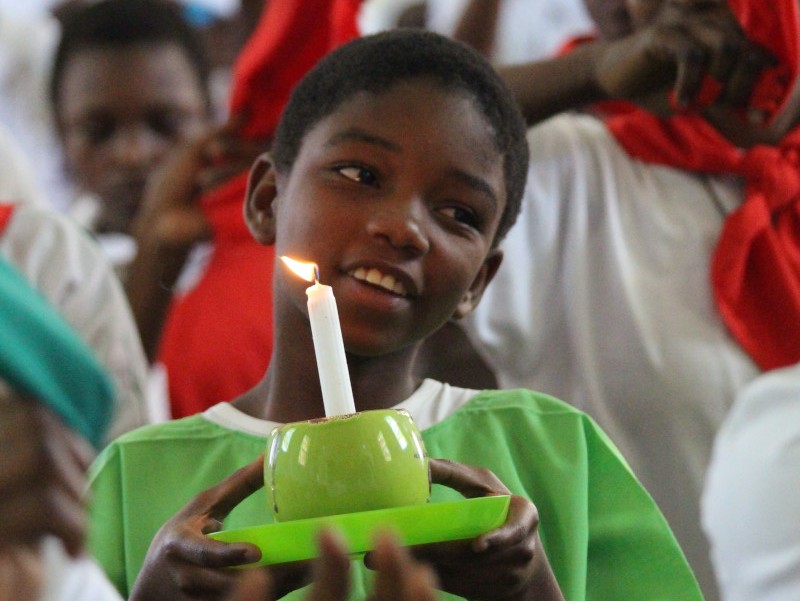
Going Further
Celebrating eighty years means having a grateful memory of all that has been accomplished. It is right for the Comboni missionaries to remember the valuable contribution they have made towards building a more just and humane society, more in harmony with God’s plan.
It is right to “take our hats off” to the pioneers and to all those who followed in their footsteps up to the present day. However, this is not enough.
It is important to go further, refining our reading of reality in order to discern God’s plan for us at this moment in the history of Mozambique and its people.
Our history, sown with successes, is also marked by days of sadness and weariness. Yet the Master’s gaze rests upon us with affection, inspiring confidence and faithfulness.
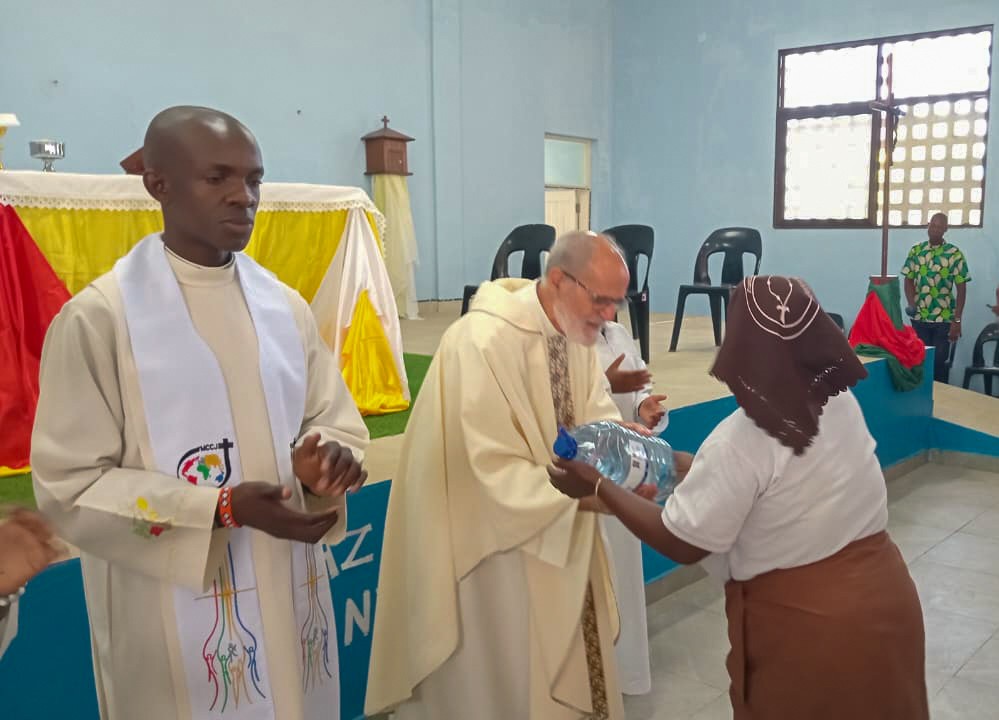
Missionary Challenges
Looking to the future, several challenges are placed before us:
Keeping the flame alive: Turning our gaze towards the fields that are green and ready for the harvest, opening ourselves to the power of the Spirit poured out upon us.
Renewing the charism: Inculturating the Comboni charism, because only by sharing it with others can we keep it alive and relevant, rather than locking it away in barns.
Forming young people: Providing solid accompaniment for young missionaries in the face of the vocational boom in Mozambique, strengthening the maxim: “Save Africa with Africa.”
Renewing our love: Walking side by side with the Mozambican people, building, stone by stone, a bright present whose future is today, putting out into deep water!
Fr Jeremias dos Santos Martins, MCCJ – Vida Nova*