
Daniel Comboni
Comboni Missionaries
Institutional area
Other links
Newsletter
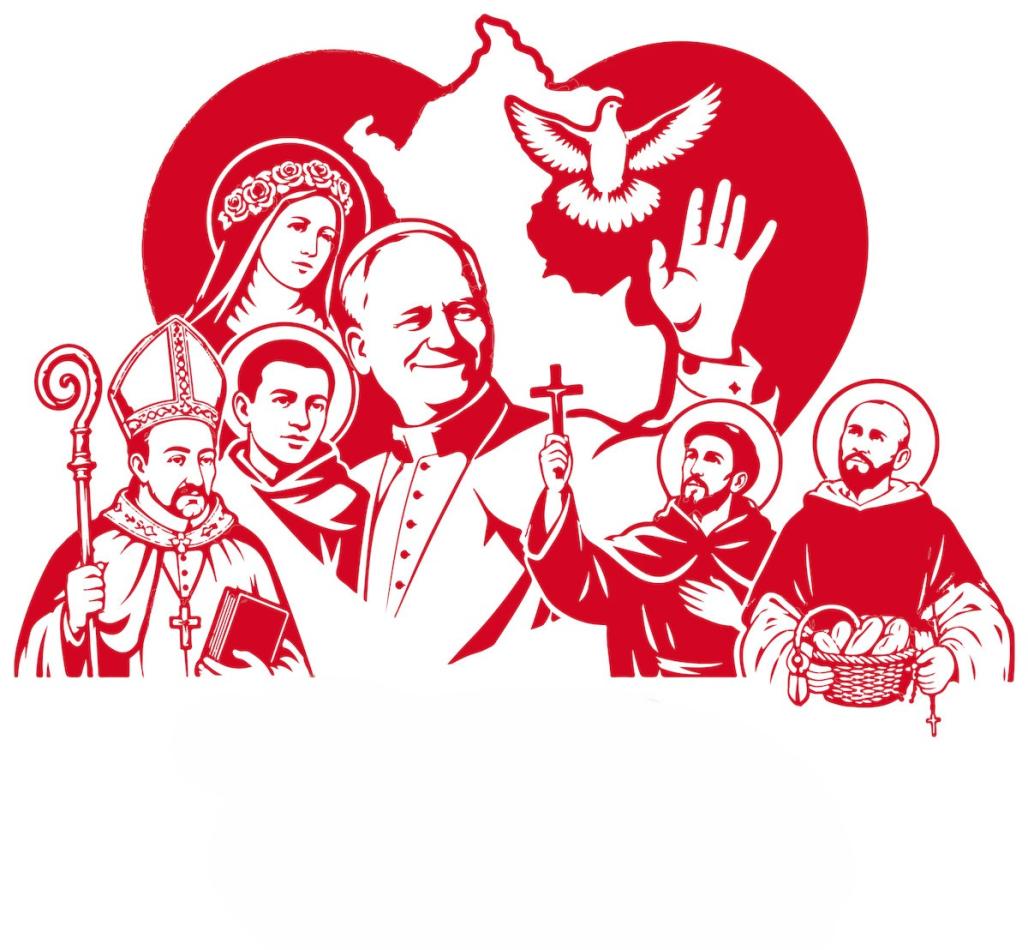
“Homecoming” – Pope Leo XIV in Peru
Friday, 09 October 2026
During his apostolic journey to South America, from 6 to 17 November, Pope Leo XIV will visit Peru from 11 to 17. Bro. Eloy Díaz, a Comboni missionary from Peru, shares his reflections on the Pope’s return to the country whose citizenship he holds.
I have spent some years following a calling that took me away from my homeland. There I learned something that is often not learned in books: that faith is not first proclaimed with words, but with the willingness to stay, to be there, to «waste time» with people, to eat what the people eat, to learn their language, to walk at their pace, to share their joys and their concerns. And this is how one comes to understand that evangelizing does not simply mean bringing something to others, but also allowing oneself to be transformed by them.
Pope Leo XIV visits Peru in November; the motto accompanying his return is «RETURNING HOME». And, in a certain sense, this motto is true. But we could also say that he never really left, because it was here that he lived as an Augustinian missionary; here he was appointed Bishop of Chiclayo and, for years, he walked the same streets that his people continue to walk today.
Here he buried many of our Peruvian brothers and sisters, baptized so many others and, without a doubt, shared the table and the simple food of families in the north of the country. And it was here, in Peru, that he received Peruvian citizenship. Therefore, his return is not simply that of a pope visiting a country: it is also the return of a pastor to a land that is part of his own history.
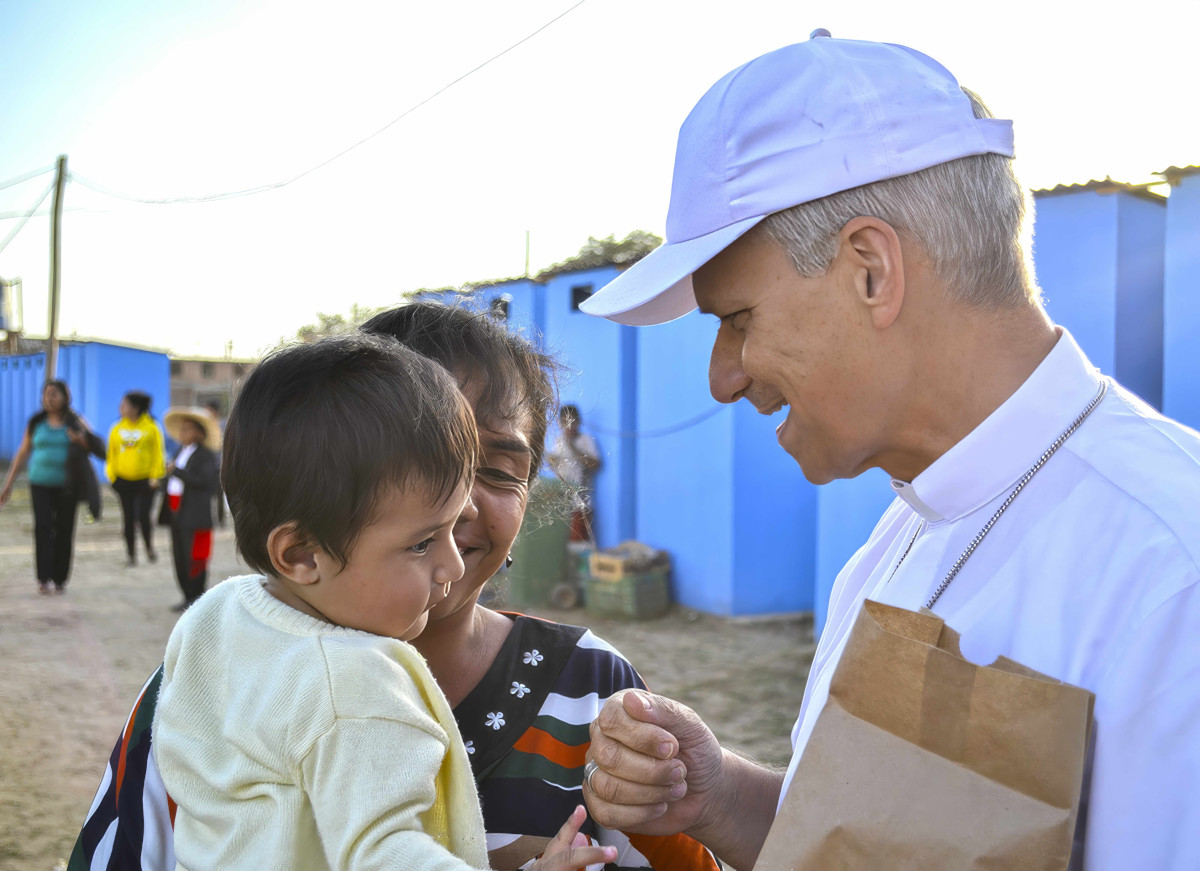
Leo XIV’s closeness to this country did not begin on the day he was elected pope. It began much earlier, when he learned to listen closely to the people and to carry the concerns of the Peruvian Church. That is why, now that he returns, he does not come only as the successor of Peter or as head of state of Vatican City. He returns, above all, as someone who has a debt of gratitude to the simple people who helped him grow as a pastor.
One of the evangelization methods of the Comboni Missionaries is «Save Africa with Africa». Applied to our reality, we could say: evangelize Peru with Peru. This means that mission cannot be an import, nor a proposal developed from outside and transferred to a particular reality. It must arise from within, from the history, culture, wounds, faith and hopes of each people.
In this sense, Leo XIV embodies, in some way, this logic. Although he was born in Chicago, he allowed himself to be transformed by the Peruvian reality; he allowed himself to be «Peruvianized» by a people hungry for God, but also hungry for justice, dignity and opportunities. And it is precisely from this experience that he now exercises his service as pastor of the universal Church.
However, the Peru to which he returns is not the same country he knew some years ago. At this moment it is a tired country: tired of presidents who succeed one another; of a Congress that often seems to legislate with its back turned to the needs of the people; of an economy that may show growth figures, but which does not always translate into well-being for those living in precarious conditions; and, above all, tired because violence and extortion have become, for too many families, part of their daily bread.
At the same time, this Peru remains a deeply religious country. The multitudinous processions, shrines, patronal feasts, the Lord of Miracles, Saint Martin de Porres, Saint Rose of Lima, the May Crosses and so many other expressions of faith show that popular religiosity continues to have enormous strength. For many Peruvians, this faith still constitutes a space of hope, consolation and encounter; an emotional and spiritual refuge amid a reality that often seems to offer very few certainties.
I find it very significant that the itinerary of the visit includes Lima, but also Chiclayo, Cusco and Pucallpa. In this sense, it is not simply a matter of visiting different cities.
It is, in a way, an opportunity to remember that Peru is coast, highlands and jungle; that it is city and countryside, modernity and precariousness; indigenous peoples, rural communities, migrants, informal workers, professionals, families, young people and religious men and women. It is a diverse country, full of riches, but also of wounds that cannot remain hidden behind a great celebration.
Precisely for this reason, we cannot welcome the pope only with flags, stages and great celebrations. All of this is part of our popular religiosity and deserves respect.
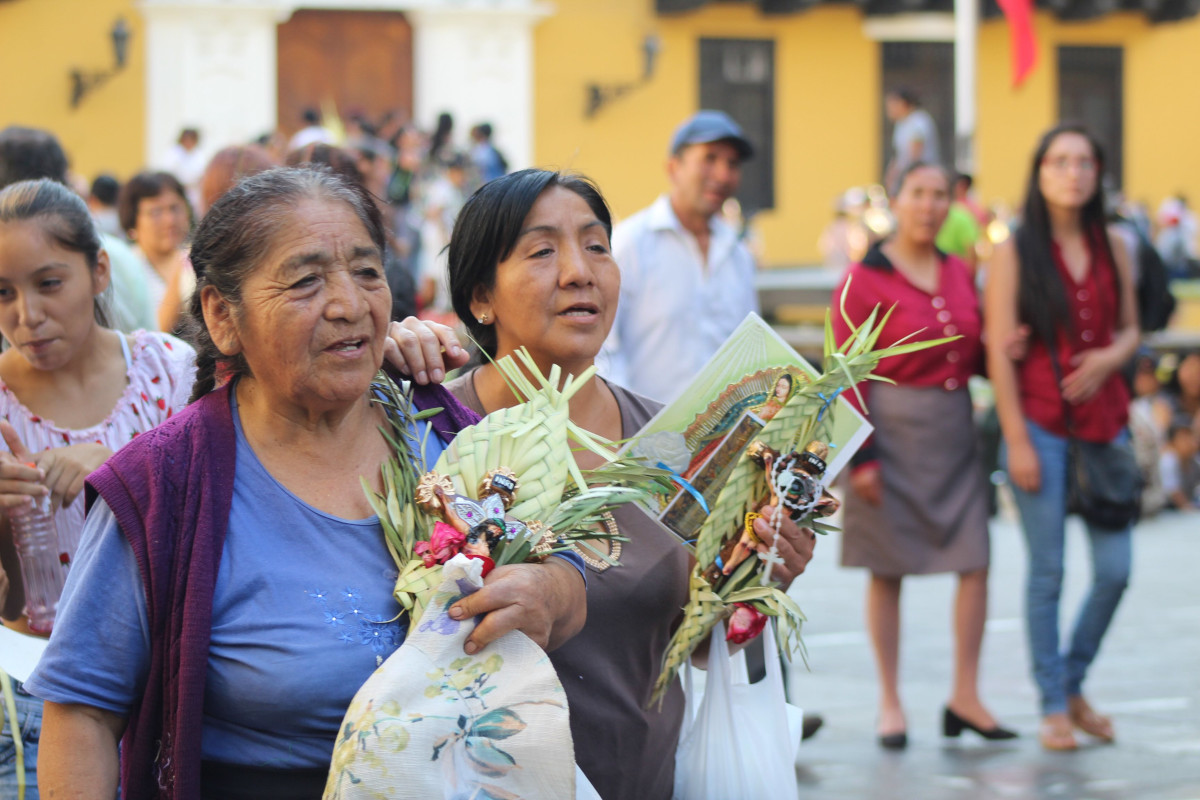
But a papal visit cannot be reduced to the emotion of a few days. If the pope’s presence moves us, but does not transform us; if it brings us together, but does not make us listen; if it excites us, but does not commit us, we run the risk of turning an important event into a mere memory.
The visit should therefore help us ask ourselves what kind of Church we want to be. We need a Church that goes forth, as Pope Francis reminded us so often and as Leo XIV also invites us to live today: a Church that visits, listens, accompanies, walks with people and is not afraid to be where the poor, the excluded and those who often find no place within society are.
Furthermore, this visit has a dimension that goes beyond Peru. It is Pope Leo XIV’s first major tour of South America, a continent that for many years was considered primarily mission territory, a place to which others sent missionaries.
Today, however, a voice also emerges from this continent that has something to say to the universal Church.
With Francis, an Argentine, and now with Leo XIV, whose pastoral experience was deeply marked by Peru, Latin America appears not only as a recipient of evangelization, but also as a subject of mission.
We are no longer merely those who receive the faith; we are also those who think it, live it, suffer it, celebrate it and can offer it to the world from our own experience. The «Church that goes forth», of which so much has been said, thus acquires a deeply Latin American face.
Nevertheless, there is a risk that we cannot ignore: that the pope’s visit may end up becoming a political trophy. We have seen it before: authorities calculating how many tourists will arrive, measuring the supposed «economic impact» of faith, while some politicians who hardly ever set foot in a parish suddenly appear as devout hosts.
For this reason, it is essential that the Peruvian Church not allow the visit to be appropriated by political interests or used to disguise a reality that needs to be transformed.
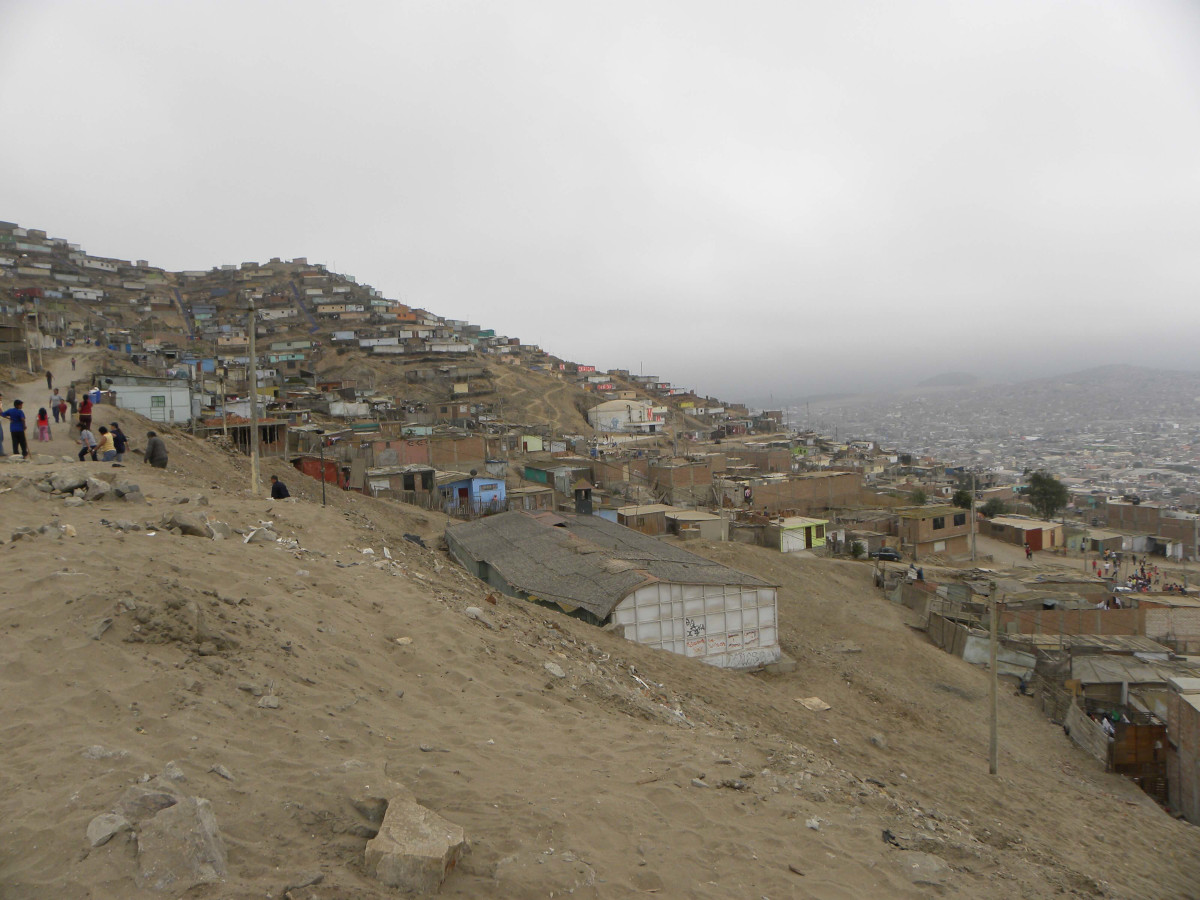
In short, Leo XIV’s visit can encourage us, strengthen us in faith and help us look at our reality with different eyes. But afterwards, it is we who will have to continue walking. Peru cannot remain waiting for the pope to tell us what we have to do. Nor can we delegate to him what belongs to our own responsibility.
The task belongs to communities, parishes, young people, families, religious men and women, priests, bishops and, ultimately, to all the baptized. The pope’s visit can be an impulse, a confirmation and an opportunity; but the transformation of our reality will have to begin with us, there where we live and where we are called to serve.
Perhaps that is the best fruit that Pope Leo XIV’s visit to Peru can leave us; not simply having seen the pope, heard his words or participated in a great celebration, but having allowed his presence to remind us of who we are, whom we are called to serve, what kind of Church we want to build and, above all, to enable us to return to what is essential: Jesus, the poor, the community and the mission.
Our pastor «returns home», but when he leaves again, the question will remain among us: will we be capable of continuing to walk?
Br. Eloy Díaz Beltrán, MCCJ