Daniel Comboni
Comboni Missionaries
Institutional area
Other links
Newsletter
Central African Republic – Managing better to serve better
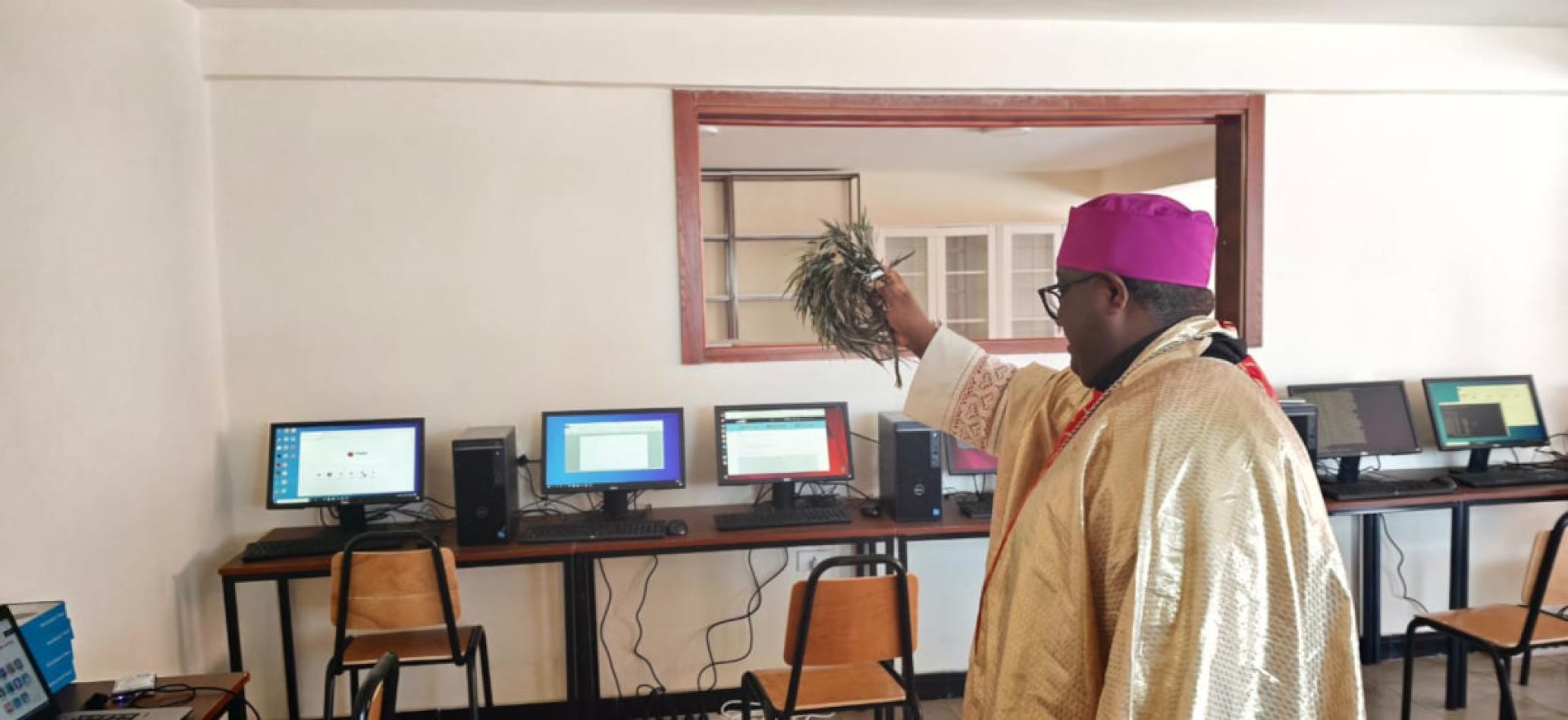
Wednesday, 4 November 2026
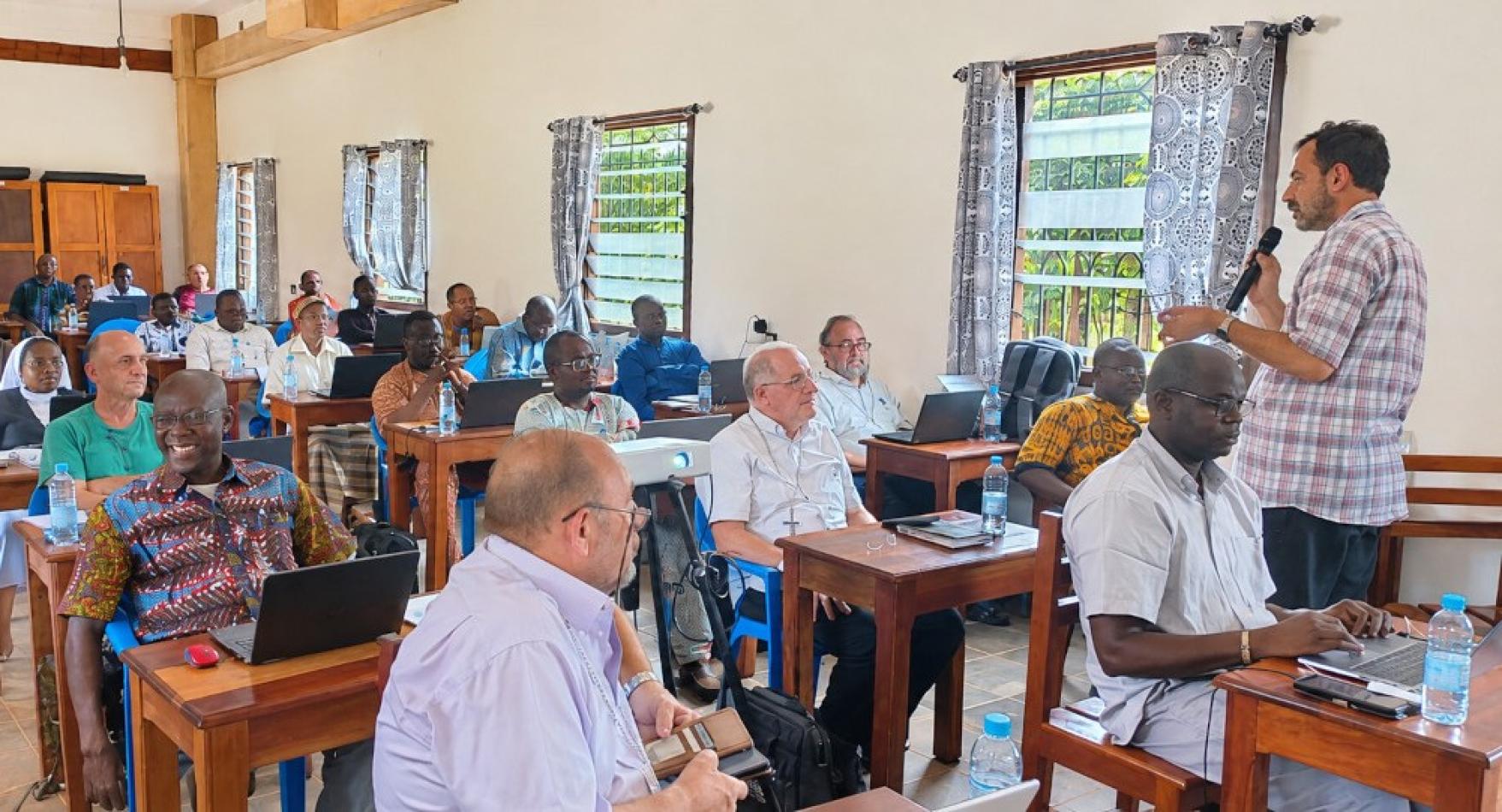
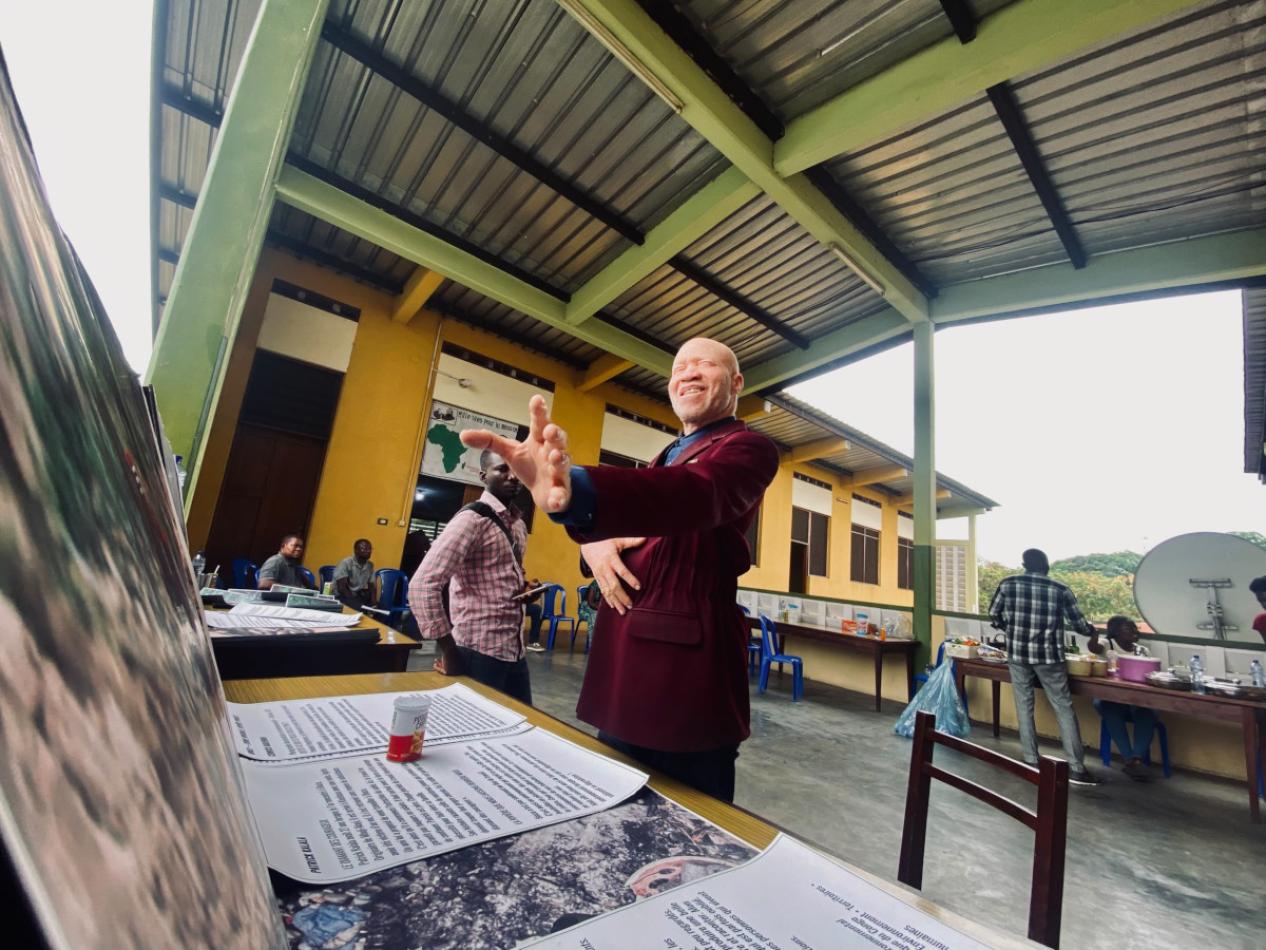
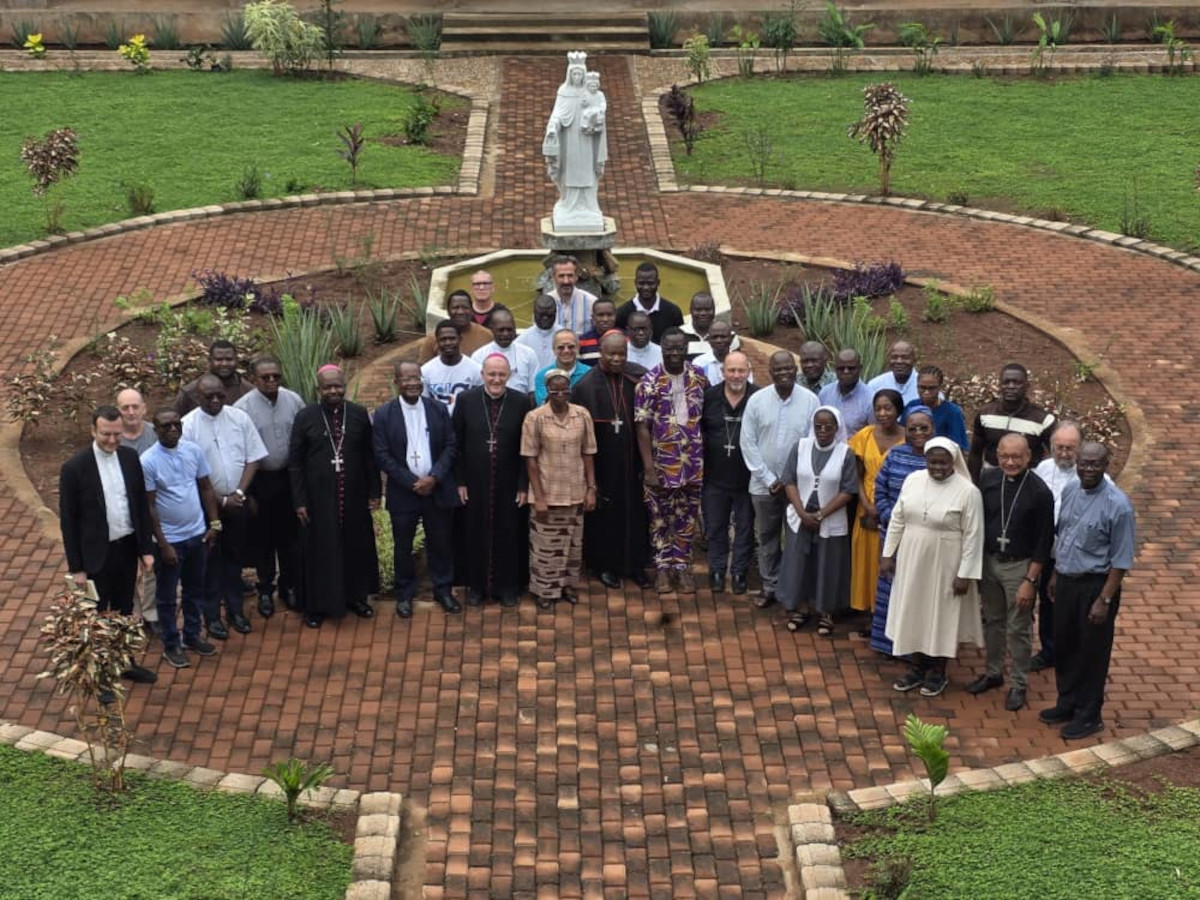
From 26 to 30 October 2026, in Bangui, the Episcopal Council for Economic Affairs of the Central African Episcopal Conference (CECA) organised a training session for 40 poeple: bishops, diocesan bursars, seminary administrators and lay people involved in the administration of Church property.
The initiative, aimed at strengthening transparency and accountability in the management of ecclesiastical assets, was coordinated by Bishop Victor Hugo Castillo Matarrita, a Comboni missionary, Bishop of the Diocese of Kaga-Bandoro and President of the Episcopal Council for Economic Affairs.
Behind an initiative that might appear merely technical lies a deeply pastoral concern: how can the Church administer its resources with diligence, transparency and responsibility, so that they may truly serve its mission?
Administration is a way of serving
In a Church that is increasingly seeking to live out synodality, administration cannot be considered a secondary matter, reserved exclusively for experts in economics and finance. It directly affects the credibility of the Gospel witness, mutual trust and the responsibility of those entrusted with safeguarding and administering the resources intended to support the Church's mission.
It was in this spirit that the CECA, in collaboration with the Apostolic Nunciature in Bangui, brought together the bishops of the Episcopal Conference, along with priests, religious sisters, lay people responsible for administration, seminary rectors and bursars, and other personnel involved in managing ecclesiastical assets.
The diversity of the participants gives the gathering particular significance: sound administration of Church property requires not only professional expertise but also participation, sharing and co-responsibility.
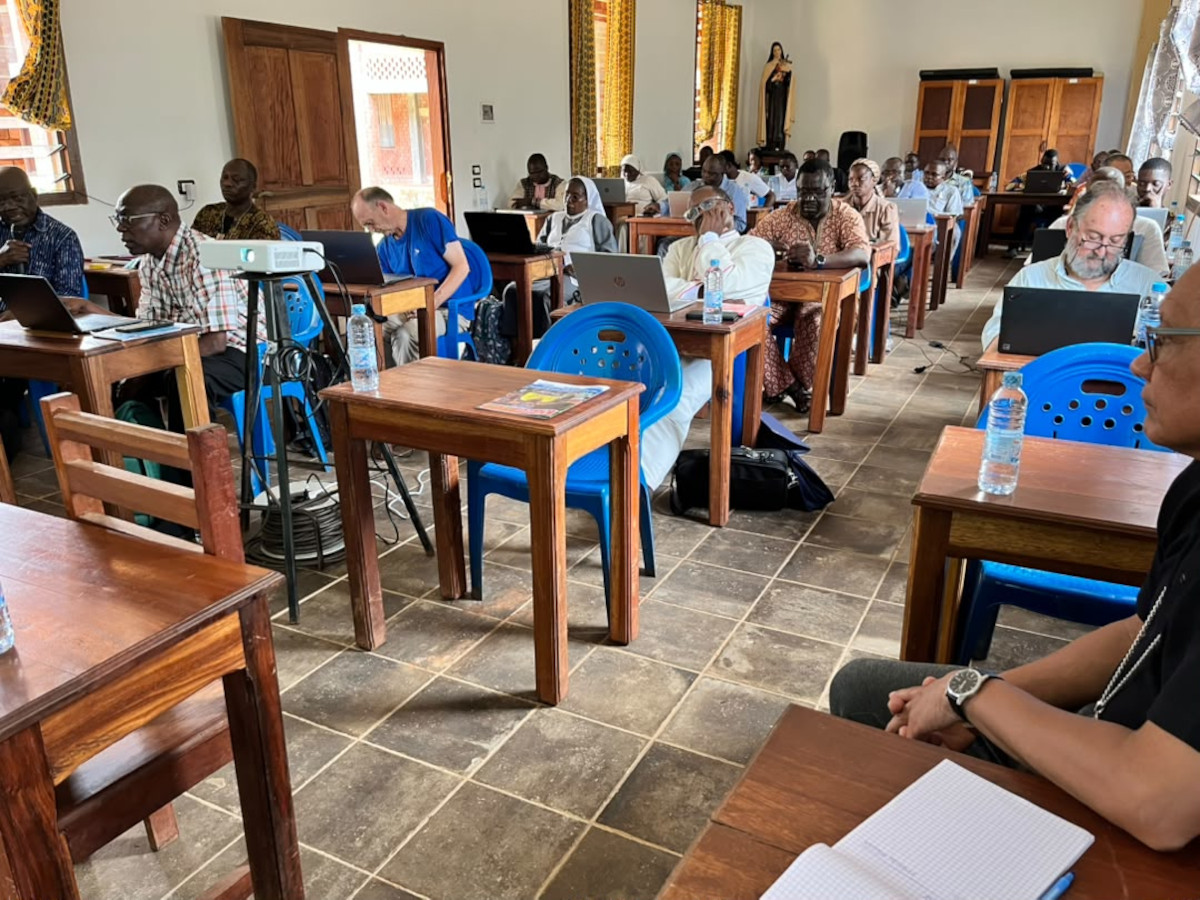
An accounting tool at the service of the mission
At the heart of the training was learning to use the Banana Accounting Plus programme (Banana Accounting+), whose adoption had been strongly recommended to the Episcopal Conference by the Dicastery for Evangelisation.
According to the information presented in the welcome address, the programme, in its Professional and Advanced versions, makes it possible to organise accounting systematically, manage double-entry bookkeeping, prepare balance sheets and financial statements, monitor depreciable assets, and draw up budgets and financial forecasts. Its use also aims to reduce the risk of formal errors and ensure more orderly and reliable accounting management.
The training was facilitated by Father Marcelo Fonseca Oliveira, Provincial Treasurer of the Comboni Missionaries in the Province of the Democratic Republic of Congo, who was presented as an accredited resource person for the Section for First Evangelisation and New Particular Churches of the Dicastery for Evangelisation.
The Episcopal Conference expressed its gratitude and satisfaction at being able to make the Banana Plus programme, Advanced version, available to all dioceses, seminaries, the General Secretariat and the Interdiocesan Procurator's Office.
A culture of transparency and accountability
Beyond learning how to use a computer programme, the gathering invites us to consider financial management as an integral part of the Church's mission. Ecclesiastical assets are intended to serve evangelisation, and their administration requires not only professional expertise but also a strong ethical awareness.
A synodal Church is one in which everyone, according to their vocation and responsibilities, participates in the common mission. This co-responsibility is also expressed in the way resources are planned, administered and accounted for.
In a context marked by numerous pastoral and social needs, every resource entrusted to the Church deserves to be safeguarded and used with care. Transparency thus becomes much more than an accounting requirement: it becomes a concrete expression of communion, trust and respect for the entire ecclesial community.
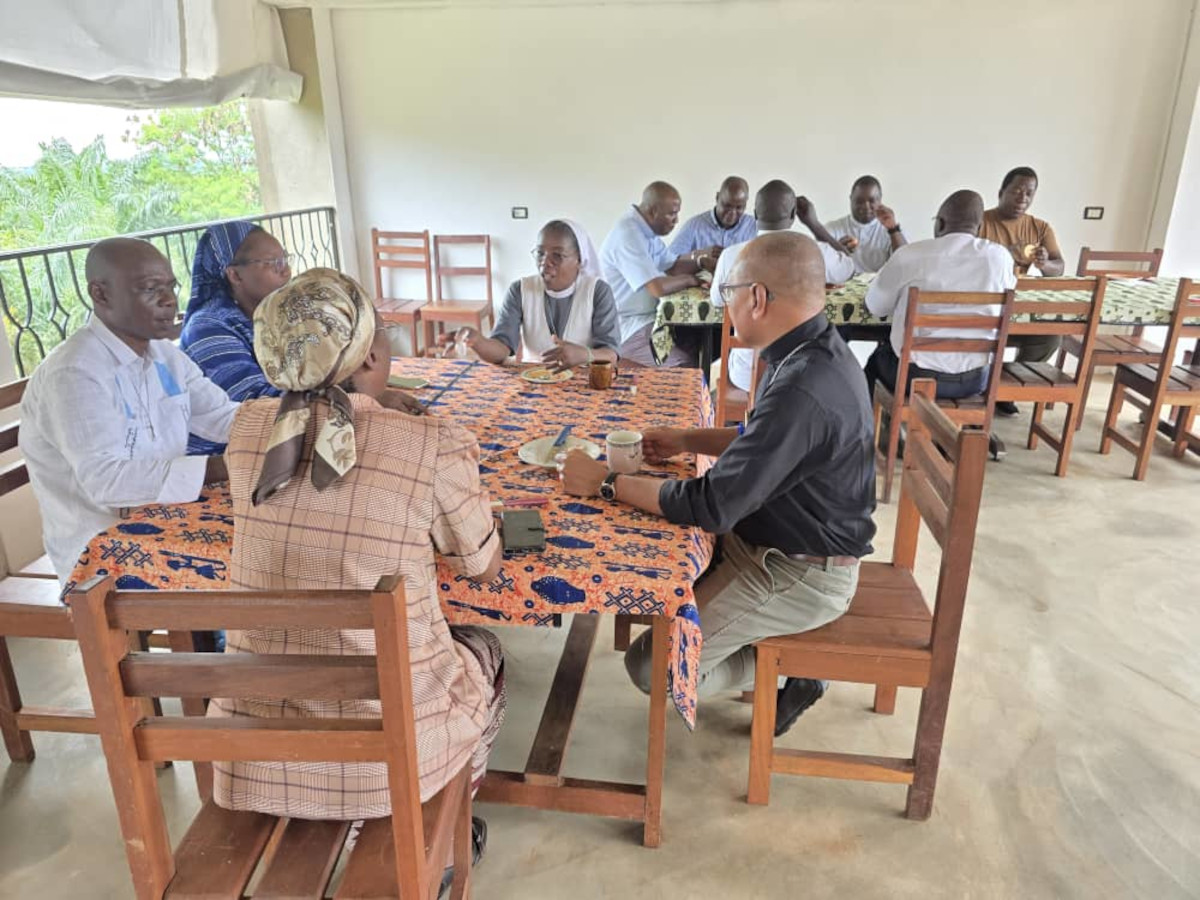
Training together to walk together
In his welcome address, Bishop Matarrita expressed the hope that these days of training would not only enable participants to “acquire and deepen their accounting skills” but would also become “a genuine opportunity for fraternal sharing and mutual acquaintance”.
This perspective perhaps best captures the spirit of the initiative. The aim is not simply to learn how to keep better accounts, but also to grow in the ability to share responsibility for the resources entrusted to the Church.
Seen from this perspective, sound administration itself becomes a form of pastoral service: it safeguards resources, strengthens trust and makes it possible to direct them more effectively towards their ultimate purpose, which is to proclaim the Gospel and serve the People of God.
In Bangui, during these days of training, accounting and mission came together around a shared conviction: in a synodal Church, managing well also means serving better.
Father Aubert Gamende, mccj