Daniel Comboni
Comboni Missionaries
Institutional area
Other links
Newsletter
The Pope to the Peruvians: “The time of mission continues!”
Wednesday, November 18, 2026
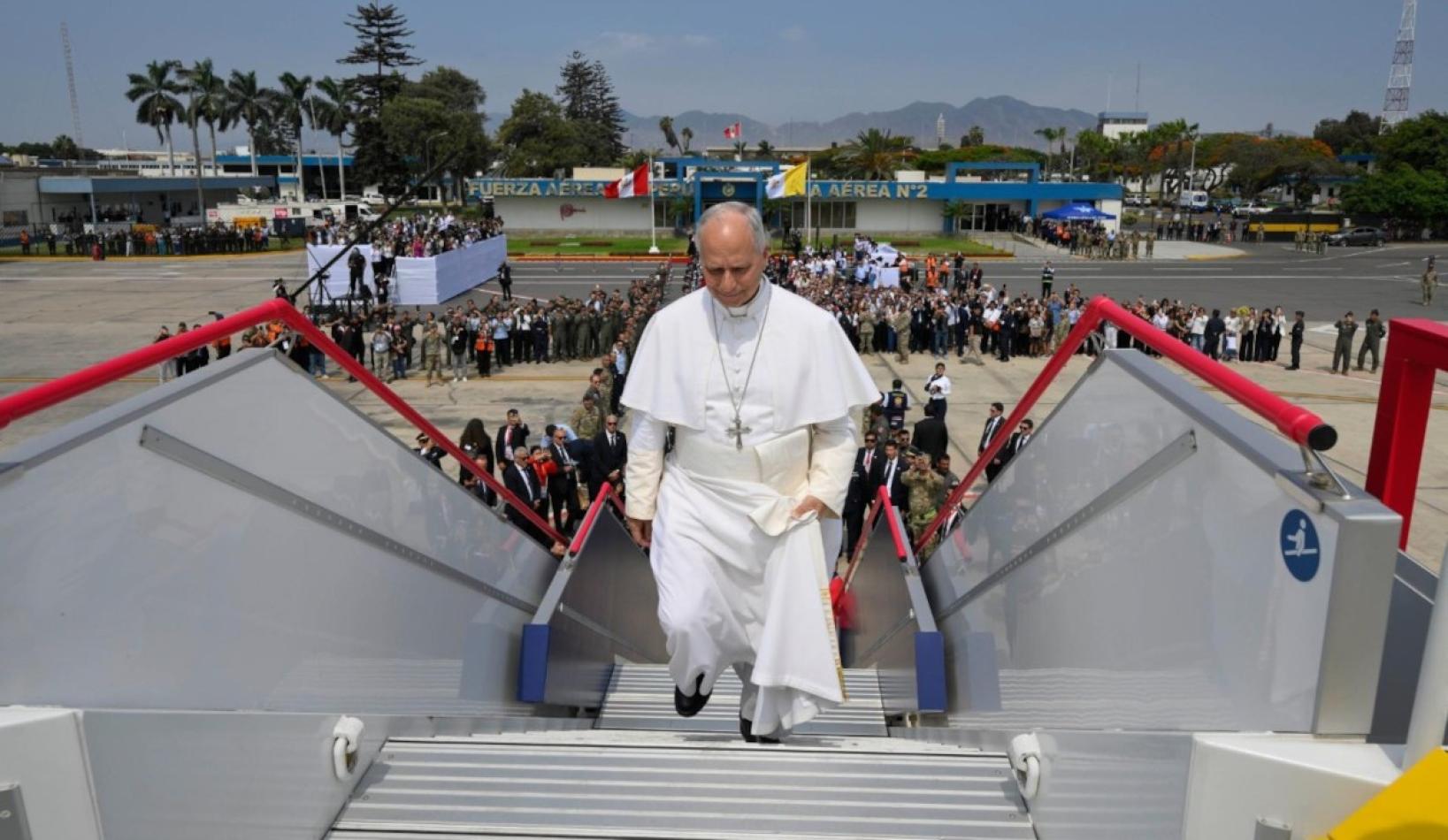
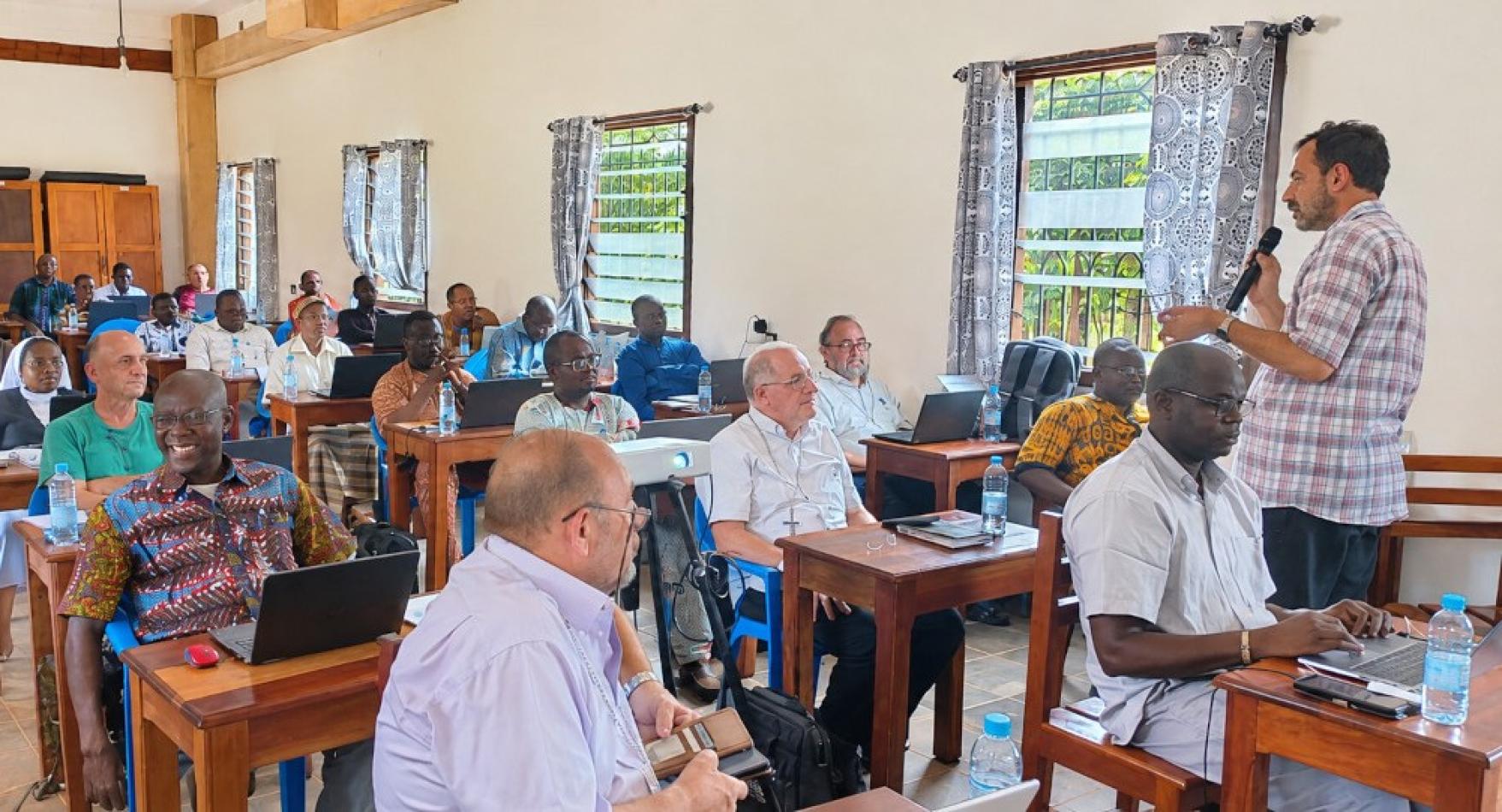
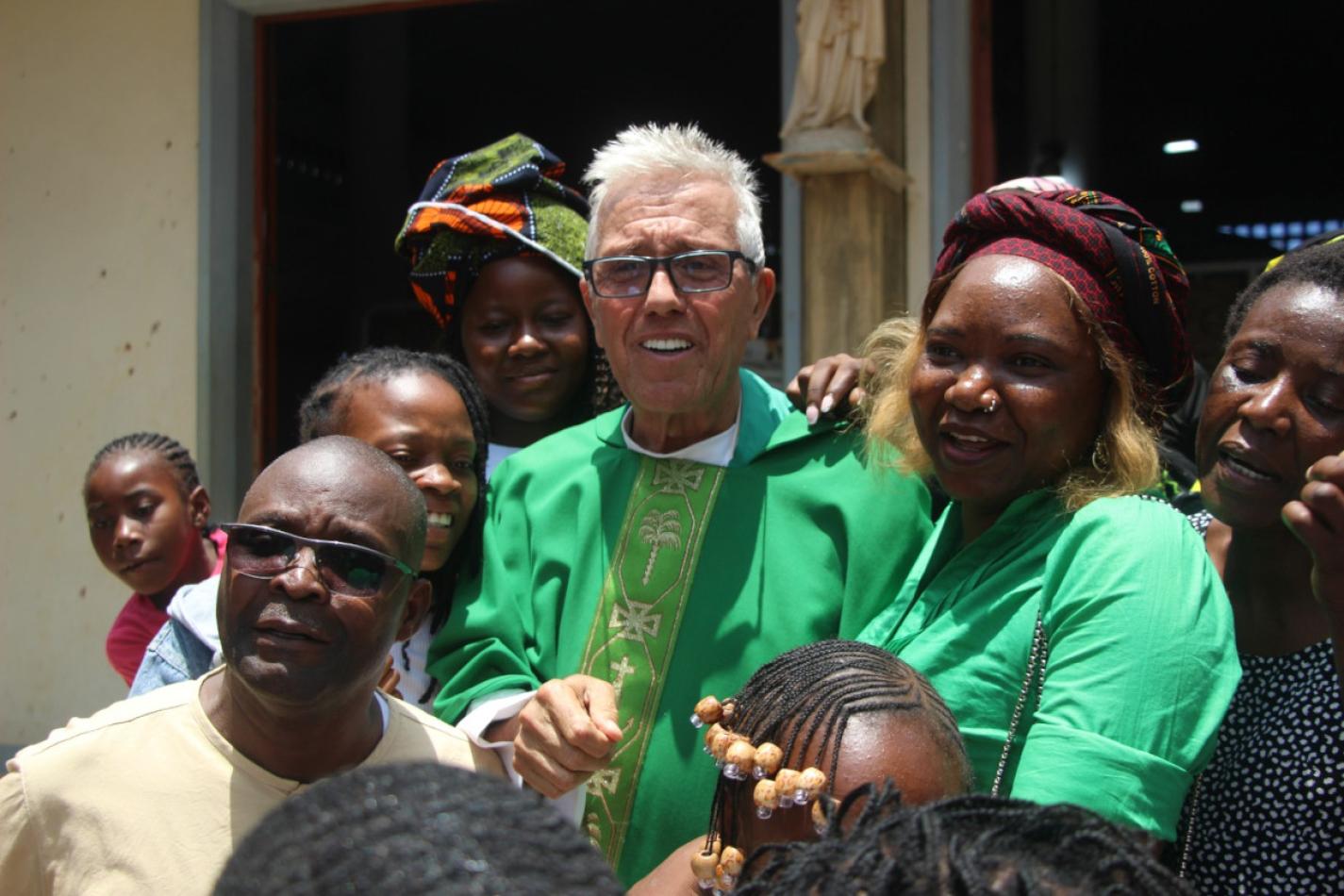
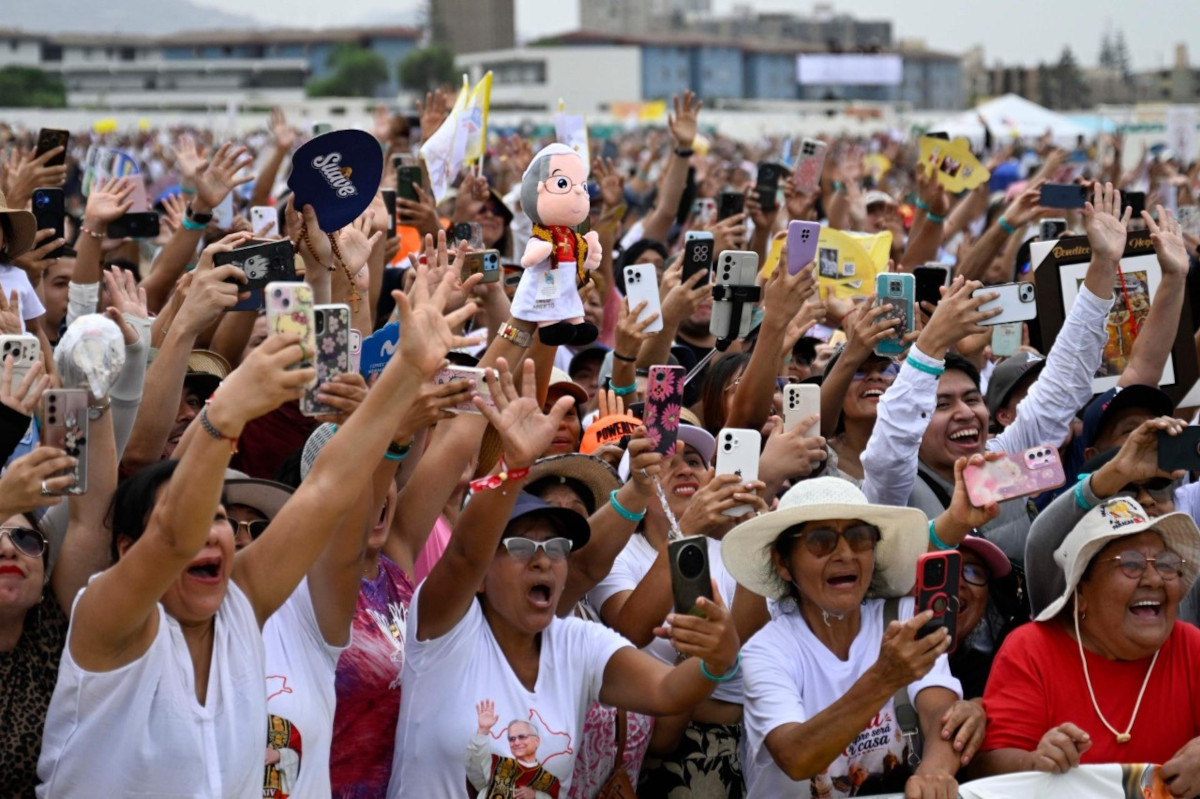
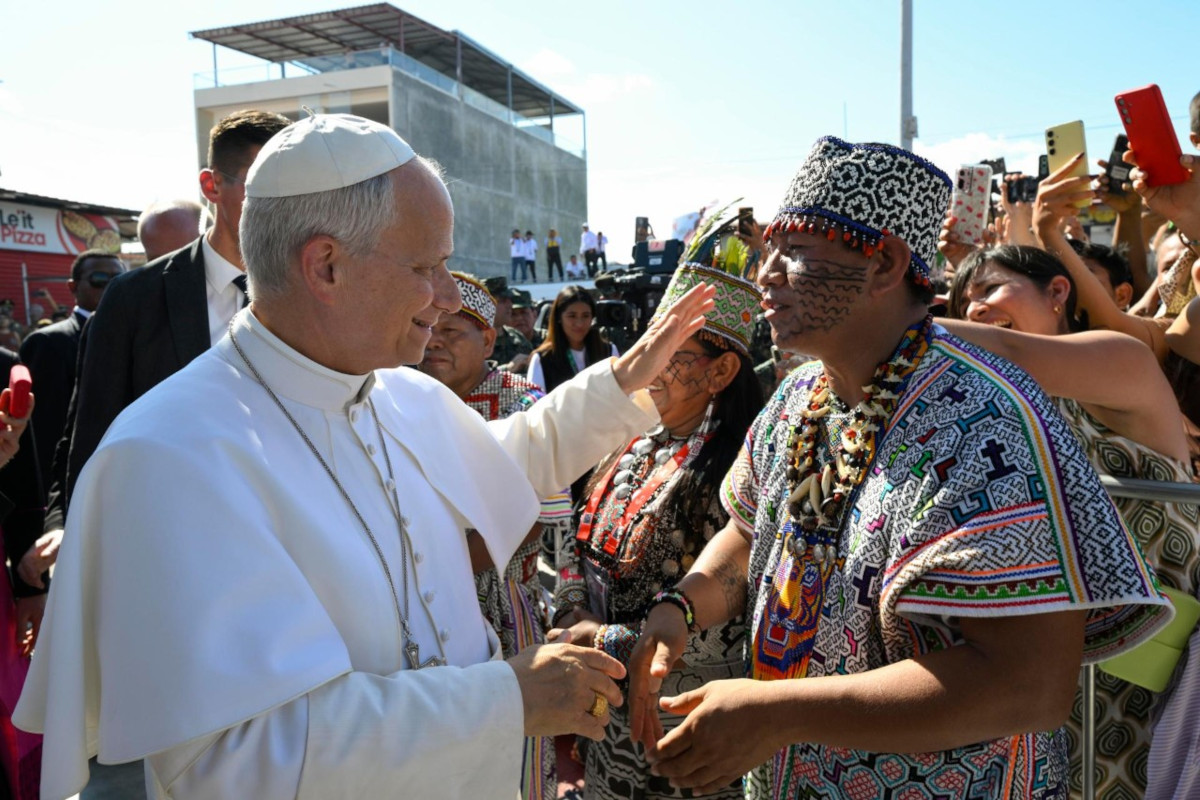
From November 11 to 16, Pope Leo XIV returned to Peru, and not as an ordinary visitor. Here he was a missionary and bishop, and today he is also Peruvian at heart. During those days he travelled through Lima, Chiclayo, Cusco and Pucallpa, meeting bishops, priests, young people, university students, representatives of civil society and Amazonian peoples. . [Photos: Vatican Media]
He came to listen, to encourage and to remind us that the Gospel has much to say in the face of the country’s wounds and the Church’s challenges. He spoke with the closeness of someone who knows Peruvian reality, and urged us to look reality squarely in the face and to live our faith with our feet on the road.
That is why his farewell sounds like a sending forth: “My journey ends, but the time of mission continues!” It is not just any goodbye; it is a charge, and this task begins with the Church itself.
A path of communion and hope
Before the bishops, the Pope recalled the Qhapaq Ñan, the ancient Inca Road that joined peoples and territories, and said that the Church too is called to be a path of communion and hope. Along that road ran the chasquis, messengers who did not keep the news to themselves but carried it from one people to another.
For this reason he invited the bishops to open their hearts, that is, to step out of what is comfortable, draw near to communities and listen above all to those who are rarely heard. We know there are communities that live their faith with joy, but also parishes where it is hard to accompany people’s problems because the time goes into organizing activities.
The same candor appeared when he spoke of the abuses committed by members of the clergy and in Church settings. He called for truth, justice and reparation, and for a culture that protects the most vulnerable. It is a painful subject, but acknowledging it with humility is the way to regain trust.
The Pope insisted on a Church that walks together. In Chiclayo he recalled that through Baptism we all share in Christ’s mission. Before any office, we are children of God and members of one people. For this reason, the participation of the laity is not a favour granted from above, but a responsibility that belongs to them by their own right.
Walking together means sharing out tasks, recognizing each person’s gifts and learning from others, with pastoral councils that truly help in making decisions and are not merely a formality. Authority, the Pope said, is service and listening, never privilege.
The person at the centre
Speaking of the challenges facing the Peruvian people, the Pope placed the person at the centre: families, the dignity of women, working conditions and the richness of our cultures.
In a country weary of corruption, inequality and distrust, it is not enough to wait for those in government to change. Each of us, from our home, our workplace and our community, can contribute to a more just and fraternal Peru.
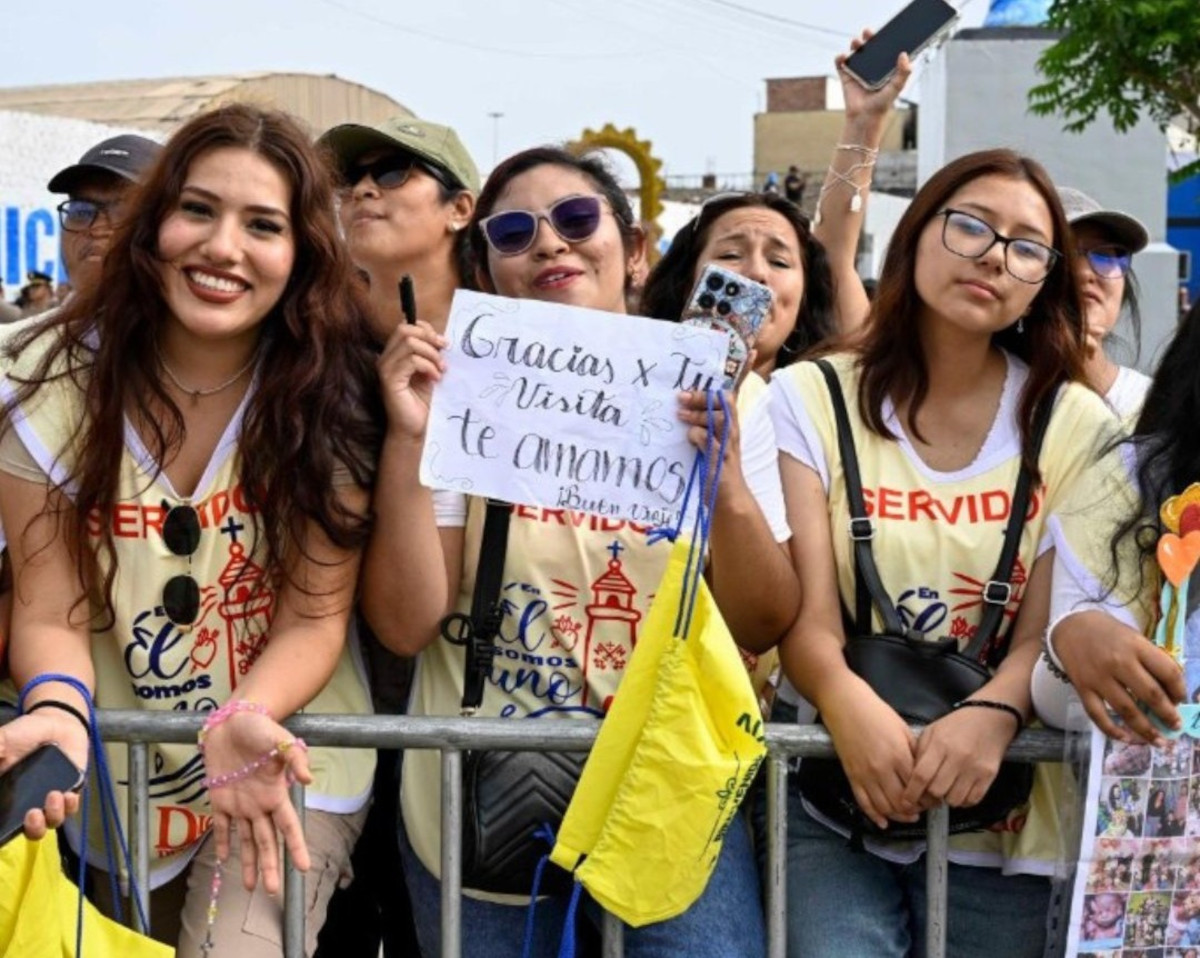
On this path, young people have an enormous role. In his meetings with them and with the university world, the Pope invited them to recognize their dreams, concerns and hopes.
We know that many live with uncertainty about their future, that opportunities are lacking and that they do not always feel listened to, and this challenges the Church. It is not enough to call them to religious activities: they need spaces to participate, to develop their abilities and to find accompaniment.
Likewise, the university is called to form people who think critically, act with honesty and place what they know at the service of society, and not only professionals who compete in the job market.
A look at the Amazon
The Pope’s gaze then turned to the Amazon, one of the country’s most urgent realities. In Pucallpa he recalled that the cry of the earth and the cry of the poor go together.
Deforestation, polluted rivers, illegal mining, drug trafficking and violence against indigenous leaders endanger the life, culture and future of entire peoples. He also denounced the neglect in health and education and the suffering of women, girls and adolescents.
For the Pope, the Amazon is not a storehouse of resources, but the home of people who have the right to live with dignity and to be heard. For this reason, the Church is called to walk with them, defend their rights and value their knowledge.
The faces of Christ
In Cusco, the Pope dwelt on the simple faith of our people, with its processions, images, pilgrimages and patron saint festivals. He acknowledged that it is a treasure handed down from grandparents to grandchildren and one that sustains many families.
This devotion reaches its full strength when it leads us to see the face of Christ in the sick, the migrant and the poor. For love of God and love of neighbour always go hand in hand, and the most beautiful feast is the one that ends in solidarity.
In taking his leave, the Pope recalled Saint Turibius of Mogrovejo and other saints who gave their lives in service of the people. Their witness teaches us that mission does not consist in seeking important positions or places of power, but in being close to the people and serving generously.
This closeness is what Peru needs today: a Church that is not afraid to listen, that knows how to acknowledge its mistakes and ask forgiveness, that walks alongside those who suffer and courageously defends the life and dignity of every person.
A time of mission
Pope Leo XIV’s visit has ended, but his message cannot remain only a memory. The ancient chasquis did not keep the news, they carried it, and so we too are called to carry the Good News.
This demands a Church that is closer, that listens, accompanies and commits itself to those who suffer most. It is not enough to speak of fraternity, justice and hope; we must make them real in daily life. Because the Pope told us so simply: “My journey ends, but the time of mission continues!”
Now it is up to us to take up the baton and keep carrying the message of Jesus along the roads of Peru, leaving no one behind.
Bro. Eloy Díaz Beltrán, MCCJ