Daniel Comboni
Comboni Missionaries
Institutional area
Other links
Newsletter
Economy is part of the Comboni Missionaries’ missionary life
Thursday, November 19, 2026
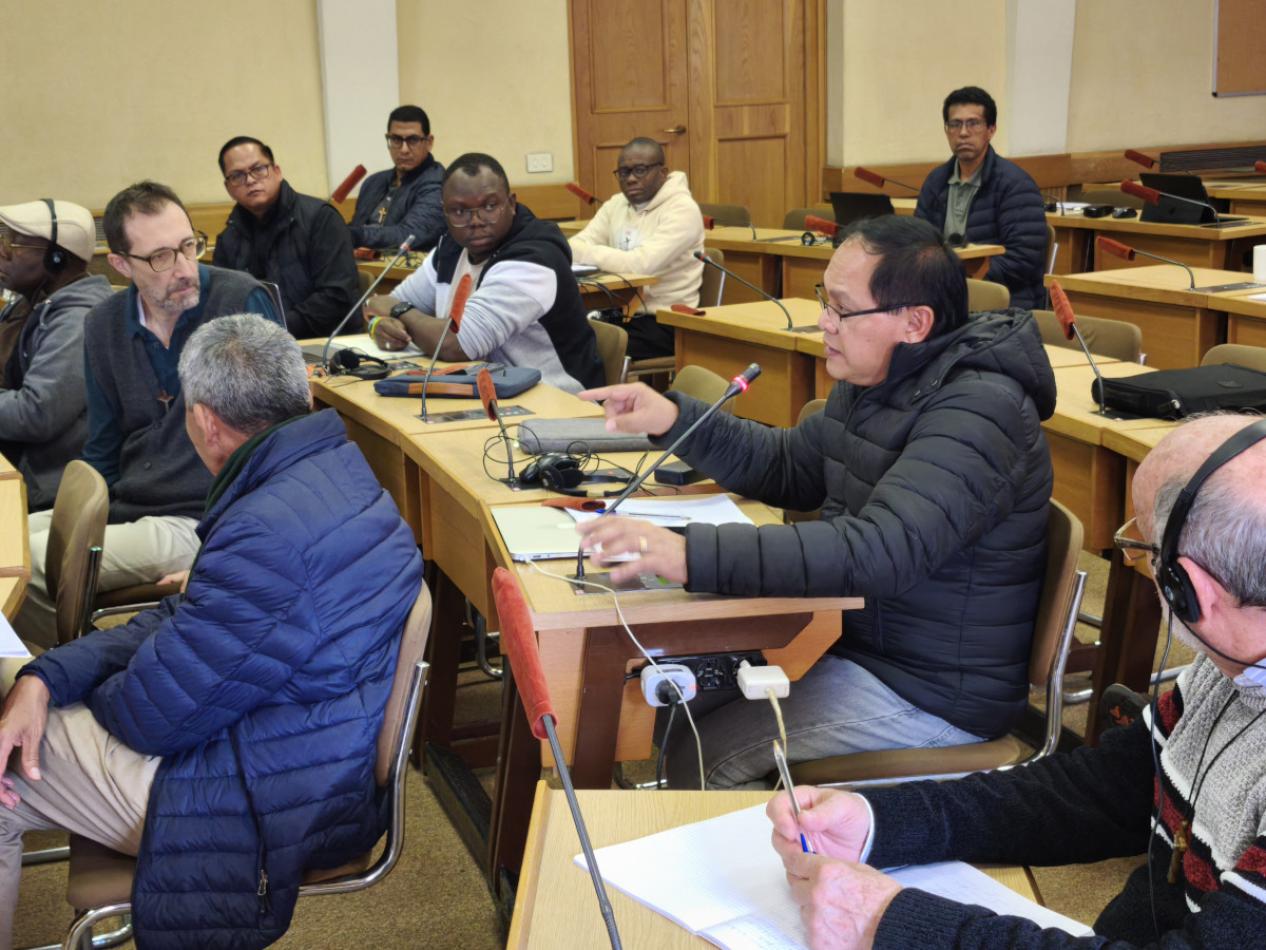
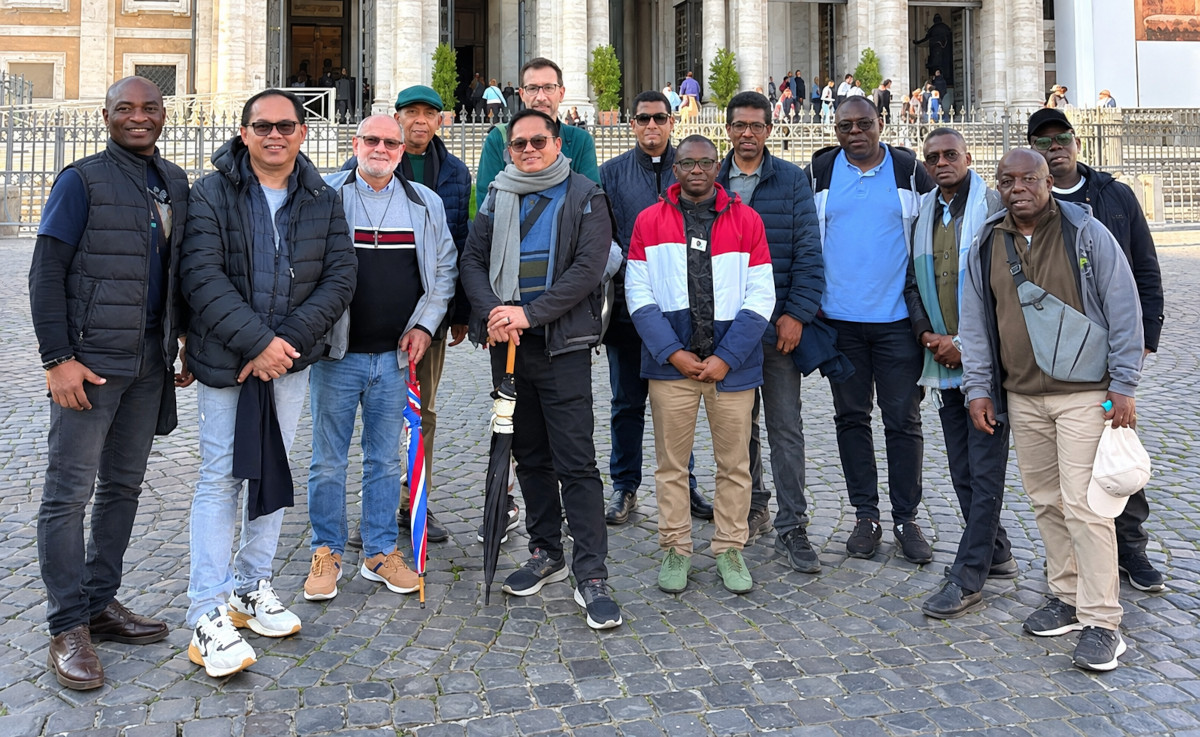
Twelve bursars representing Comboni communities in Africa, Asia, the Americas and Europe gathered in Rome from November 2 to 13, 2026 for a two-week refresher course on financial administration. Fr. João Dinis João, a Mozambican missionary serving in refugee schools in Egypt, shares his experience.
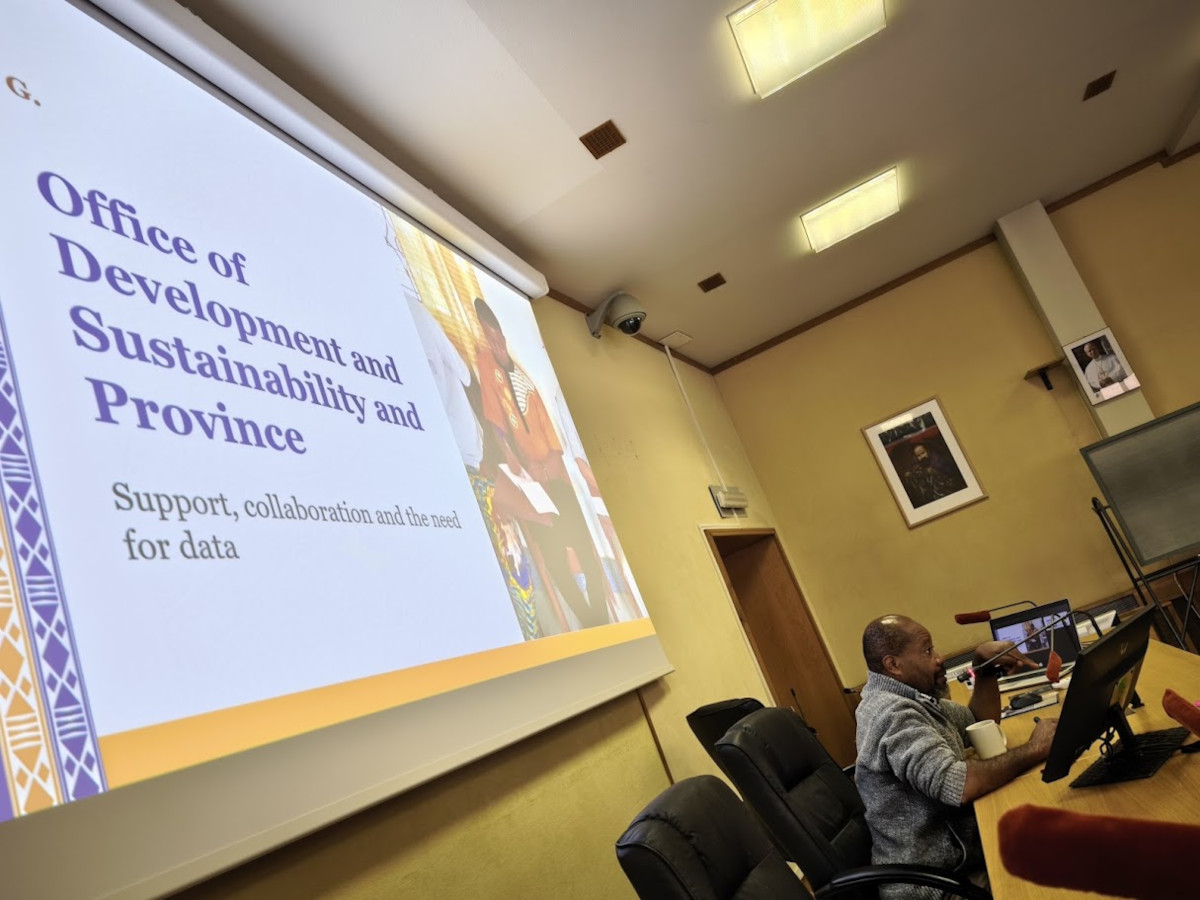
I was invited to attend this course on financial matters, which was well organized and conducted by Fr. Angelo Giorgetti and Fr. Sebastian Chmiel of the General Secretariat for Finance. There was also a translator.
For Comboni Missionaries, economy is not merely about money, budgets or managing material resources. It is an essential dimension of missionary life and a concrete expression of the Gospel.
The course aimed to equip provincial bursars with the skills to manage finances effectively and coordinate with the General Secretariat, using tools such as Banana and Excel to ensure accurate and transparent accounting.
Missionary economy begins with the conviction that everything we have comes from God and is entrusted to us for the service of others. As the Acts of the Apostles reminds us, “They had everything in common” (Acts 4:32).
The Institute’s Total Common Fund (TCF) encourages simplicity, sharing, solidarity and responsible stewardship. Money and material goods are not ends in themselves but instruments for building God’s Kingdom.
St. Daniel Comboni understood that evangelization required both spiritual commitment and practical resources, mobilizing people, institutions and benefactors in support of the mission.
Evangelical poverty, as expressed in the Comboni Rule of Life (#27), calls us to embrace Christ’s poverty, share our possessions, live simply and stand in solidarity with the poorest and most abandoned. Its purpose is not simply to possess less, but to become freer for the mission.
We also learned that the TCF is more than an accounting system: it is an expression of fraternity, equality, transparency and solidarity. It reminds us that the Institute’s resources belong to the common mission, not to individuals.
Provincial and community bursars have a shared responsibility to ensure accountability to confreres and the General Secretariat. This requires competence, honesty and transparency: preparing realistic budgets, maintaining accurate records, managing assets and liabilities, and reporting income and expenditure responsibly.
Financial administration is not a secondary concern in religious life. It affects our daily living and the credibility of the Institute. Every missionary, not only bursars, should have a basic understanding of finance and learn to use resources responsibly for the mission.
As we return to our communities, we are committed to applying what we have learned in the service of the Institute, our confreres and the mission. We are grateful to all who organized and supported this course.
May we develop a responsible and evangelical relationship with material goods: living simply, sharing generously, administering resources honestly and promoting solidarity.
Do not learn finance merely to become a bursar. Learn it as a missionary.
Fr. João Dinis João, MCCJ