
Daniele Comboni
Missionari Comboniani
Area istituzionale
Altri link
Newsletter
In Pace Christi
Gusmeroli Ferdinando
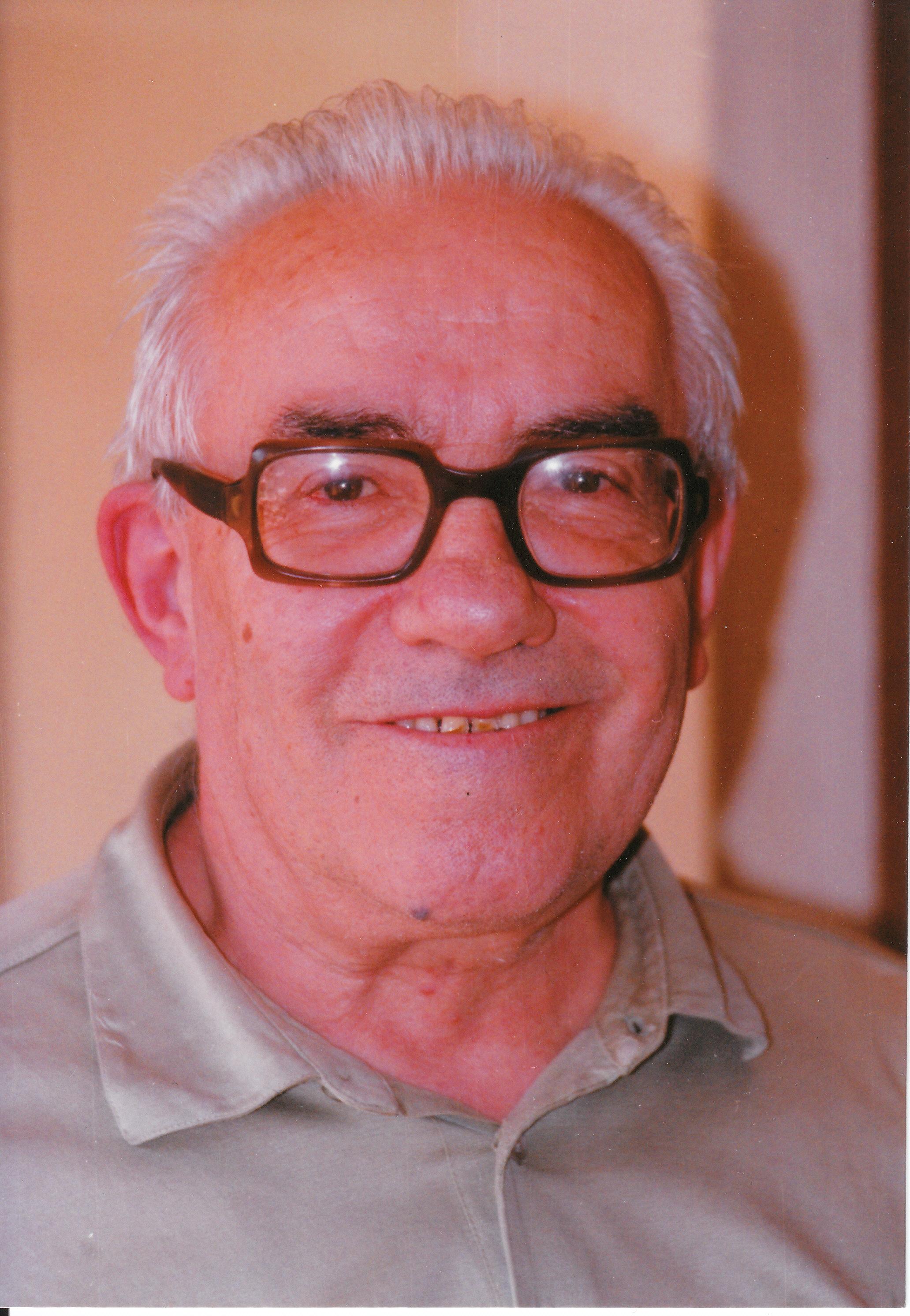
Ferdinando Gusmeroli proveniva da una famiglia di solide tradizioni di fede che la guerra avrebbe provato duramente. Entrambi i fratelli di p. Ferdinando, infatti, sono dispersi in Russia e di essi non si è più saputo nulla.
Nonostante i disagi di una vita in cui le risorse per vivere erano scarse e guadagnate a prezzo di enormi sacrifici e rinunce, papà Isidoro, contadino, e mamma Celestina, casalinga, curarono i primi sintomi di vocazione che vedevano sbocciare nel cuore del loro figlio. All’opera della famiglia si affiancò quella dello zio materno don Ernesto Gusmeroli e di p. Elio Sassella, nativo di Talamona, che, dopo pochi anni di sacerdozio, era entrato tra i Comboniani.
Terminate le elementari e un corso di “avviamento professionale a indirizzo agrario”, il ragazzino manifestò il desiderio di farsi missionario per l’Africa.
Della sua vocazione egli ha scritto: “La vocazione per me non è stata una ricerca molto sofferta, ma mi è piombata addosso quasi senza saperlo in un tempo di “boom” di vita religiosa e di pionieri missionari. L’esempio più affascinante per me, in quel tempo, fu la vita di Mons. Daniele Comboni in Africa. Egli mi ha dato la spinta finale a scegliere l’Africa.
Nel 1939, a 12 anni, entrò nel seminario comboniano di Rebbio di Como e poi passò a Brescia nell’Istituto Comboni. I voti scolastici riportati sulle pagelle di questo periodo ci presentano un giovinetto diligente, impegnato e buono. “ Buon giovane, esemplare, di intelligenza buona, semplice. Un po’ timido”, scrisse il superiore.
Dopo la quinta ginnasio affrontò gli esami pubblici presso il “liceo-ginnasio Arnaldo” di Brescia, risultando promosso nella sezione estiva.
La testimonianza del suo parroco, che il piccolo Fernando portava con sé entrando in seminario, lo descrive come un ragazzo che ha lasciato buona impressione in parrocchia, intraprendente chierichetto, sempre puntuale alla santa messa quotidiana e che si accostava settimanalmente alla confessione. E da seminarista, don Giuseppe Vitalini, nuovo parroco di Talamona, scrisse: “Dimostrò una pietà seria e vissuta, così che fu di esempio anche ad altri giovinetti appartenenti ad altre Congregazioni. Infatti, vedendolo in chiesa dopo la santa messa a fare la meditazione, indusse anche gli altri a fare altrettanto. Con l’aiuto del Sacro Cuore riuscirà un buon missionario”.
Nella sua lettera per la richiesta di ammissione al noviziato Ferdinando scrisse: “Dopo cinque anni di ansie sono giunto alle soglie del desiderato noviziato sotto la guida del Signore che, misericordioso, mi ha chiamato dalla vita semplice della montagna del mio paese perché mi mettessi al suo seguito col grande dono della vocazione missionaria.
Ce l’ho messa tutta per migliorarmi anche se non sempre sono stato all’altezza di questa grande vocazione che io amo immensamente. Sento che la chiamata divina non è un’allucinazione momentanea, perciò chiedo di entrare in noviziato lasciando ai superiori la facoltà di scegliere per me Venegono o Firenze, sicuro che il terreno indicatomi da loro sarà quello giusto affinché questo chicco marcisca per poi rispuntare pianta fruttuosa ed attiva nel campo dell’apostolato...”.
Novizio
Con questi sentimenti, il 30 luglio 1944, lasciata la scuola apostolica, Ferdinando si trasferì a Venegono Superiore per il noviziato. Fece la vestizione il 29 agosto e cominciò il suo curriculum formativo sotto la direzione di p. Antonio Todesco, maestro dei novizi.
Fernando aveva un carattere forte e deciso per cui, qualche volta, doveva faticare per osservare la virtù della carità. “Il suo carattere ha bisogno di essere guidato ed educato - scrisse il maestro. - ma ha sempre mostrato risolutezza e forte decisione per seguire la vocazione. Pietà discreta e non sempre grande attenzione per la carità. Anche l’osservanza generale delle regole qualche volta ne soffre. Attivo e generoso, anche se nervoso e irrequieto. E’ uomo di sacrificio e generosità per cui gli si perdona volentieri le sue giovanili esuberanze”.
Il 15 agosto 1946, solennità dell’Assunta, fece la professione religiosa e poi passò a Rebbio per il liceo e quindi a Venegono per la teologia (nel 1948 il noviziato di Venegono si era trasferito a Gozzano).
Le note dei superiori alla vigilia del sacerdozio dimostrano che Ferdinando aveva percorso un buon cammino sulla via della perfezione. “Lavorando assiduamente sul suo carattere impulsivo e irrequieto ha acquistato un ottimo spirito di pietà e una grande capacità di andare d’accordo con tutti. L’attaccamento alla vocazione non è mai venuto meno, anzi, col passare del tempo, si è accentuato e maggiormente motivato. Senz’altro Ferdinando è da ammettere all’ordinazione sacerdotale perché tutto fa prevedere che sarà un valido missionario”.
Missionario tra gli Alur
Terminati gli studi, p. Ferdinando fu ordinato sacerdote a Milano il 7 giugno 1952 dall’arcivescovo card. Idelfonso Schuster, oggi beato.
Dopo un anno in Inghilterra (1952-1953) per imparare la lingua, fu destinato in Uganda dove rimase per un ventennio prestando il suo ministero in varie missioni. Suo primo campo di lavoro fu la missione di War, fondata nel 1952, nella diocesi di Arua, quindi ancora agli inizi. Gusmeroli ebbe modo di scaricare tutta la sua energia e prorompente vitalità ancor prima di apprendere completamente la lingua alur.
Essendo coadiutore, amava avventurarsi in continui safari per visitare i villaggi. I ragazzi cominciarono subito a considerarlo come un vero amico col quale s’intrattenevano volentieri. Ma anche per gli anziani aveva una particolare predilezione, e ciò lo rendeva simpatico a tutti.
Nei giorni in cui gli toccava restare in missione, radunava attorno a se torme di ragazzi per il catechismo, ed aveva un modo tutto particolare per intrattenerli e interessarli con i racconti del Vangelo. Curò in modo particolare la formazione dei catechisti nei quali vedeva il futuro della Chiesa ugandese e cercò tra i suoi scolari qualcuno che avesse sintomi di vocazione sacerdotale in vista di un maggior incremento del clero locale.
I superiori lo apprezzarono per il suo zelo spinto al massimo e per la sua bontà di cuore per la quale gli perdonavano volentieri qualche scatto, frutto del suo carattere impetuoso.
“Promette bene, affabile con gli esterni, grande amore agli africani, desideroso di darsi al ministero, sgobbone e di grande sacrificio”, scrisse p. Dall’Amico, superiore regionale.
Di questo periodo p. Ferdinando scrisse: “Erano gli anni del pionierismo e del primo annuncio. C’era pure la risposta di massa di numerosi gruppi di catecumeni adulti, e il sorgere di numerose nuove missioni e cappelle-scuole di villaggio, insieme a scuole tecniche di arti e mestieri che dovevano contribuire a realizzare il pano di Comboni ‘salvare l’Africa con l’Africa’.
Priorità apostolica era, allora, quella di sfornare numerosi nuovi cristiani, come fondamento della Chiesa africana. Ne seguii il lavoro per la promozione umana e la formazione dei leaders, specialmente di catechisti, agenti pastorale e clero indigeno.
Il Padre ricordava spesso alcuni suoi ragazzi di allora, diventati uomini di governo, sacerdoti, vescovi e uno perfino Cardinale.
Nei 20 anni d’Uganda p. Ferdinando tornò poche volte in Italia. Dopo la prima partenza rimase assente dal paese per 9 anni. In quel periodo gli morì la mamma ed egli, l’anno dopo, tornò a casa.
24 anni in Kenya
Nel 1973 ebbe inizio la seconda stagione di vita missionaria di p. Ferdinando.
“Nel 1973 - scrisse - potei africanizzare la missione di Nyapea tra la tribù Alur ed io passai in Kenya ad incominciare le nuove missioni tra i seminomadi della tribù Pokot. Qui nuovi metodi, ed un inserimento più moderno anche con una clinica itinerante e l’avvio delle prime scuolette di villaggio”.
Nel 1977 P. Gusmeroli iniziò la missione di Saba-Saba tra la tribù Kikuyu con la condizione di renderla autosufficiente e passarla al clero locale entro l’anno 1988. Allora, all’età di 60 anni, fece la scelta per una nuova lingua bantu, il swahili per cominciare da capo un nuovo lavoro missionario tra la tribù pastorale e nomade dei masai, ai confini con la Tanzania. Il nome masai, fino ad oggi, è ancora sinonimo di Africa genuina, primitiva, libera, dove uomini e animali si contendono l'immensa savana.
“Religiosamente - scrisse p. Gusmeroli - questo popolo è ancora lontano dal messaggio cristiano. Solo l’evangelizzazione e la formazione scolastica adeguata potrà mettere in piedi questa tribù per una promozione umana e per un vero sviluppo”.
Il Padre si buttò nel lavoro a capofitto, come del resto era nel suo stile, senza badare alla salute che, in quel clima arido, ne risentiva. Evangelizzazione e promozione umana erano il suo “pallino”. Voleva che quel popolo diventasse autosufficiente anche da un punto di vista religioso, ma la strada era ancora lunghissima.
Leggendo quanto il Padre scriveva alla gente di Talamona a proposito della sua missione, si vede l’amore che ha avuto per l’Africa, alla quale ha dedicato ben 45 anni di ministero continuo e tenace.
Uno dopo l’altro, questi 45 anni lo provarono fisicamente. Quando andò in vacanza in Italia nel 1995 si portava dentro parecchi malanni, specialmente a livello cardiaco. Normalmente i periodi trascorsi in famiglia lo rimettevano in forze per cui ripartiva sempre con l’entusiasmo della prima volta. “All’ultima partenza - scrive la sorella - c’era sì tanto entusiasmo, ma poca salute. Tuttavia non ci fu verso di fermarlo per una cura più approfondita”.
“Nei suoi ritorni - prosegue la sorella - emergeva per la sua riservatezza: non fu mai uomo da mettersi in mostra. Egli amò sempre l’ultimo posto dove stava volentieri con una disponibilità totale e al servizio di tutti”.
La morte
A mezzogiorno dell’8 luglio 1997 il Padre non si sentiva bene, tuttavia si rifiutò di celebrare la messa in stanza come gli era stato consigliato, dichiarandosi pronto per la concelebrazione delle 18.00 con la comunità.
Al momento della messa, non vedendolo, il fratello e la suora africana andarono nella sua stanza e lo trovarono disteso sul pavimento. Era morto da un paio d'ore. Alle 15.00 si era alzato dal letto e si era accostato al lavandino (il rubinetto era ancora aperto) e qui fu colpito da infarto.
Di p. Gusmeroli si possono sottolineare tre aspetti fondamentali:
Era un lettore accanito di tutto ciò che si riferiva alla missione e alla pastorale missionaria. Leggeva sistematicamente alcune riviste specializzate in materia, che arrivavano in comunità. Questa sua "curiosità" teologica e missionaria lo portava a frequentare tutti i raduni pastorali che si tenevano, perché era desideroso di conoscere e di approfondire sempre più ciò che la Chiesa e il Magistero insegnavano.
"L'attività pastorale mi tiene vivo", ripeteva. La sua disponibilità al ministero, anche quando gli costava notevoli sacrifici, dimostrava che parlava sul serio.
Era convinto che la Chiesa africana dovesse crescere nella sua autonomia in modo da rendersi sempre più indipendente dall'opera dei missionari. Insisteva sull'autoamministrazione, l'autofinanziamento per le sue opere e l'autopropagazione. Insomma, anche la Chiesa locale, fondata dai missionari, doveva, a sua volta, sentire la propria missionarietà e avere la forza di attuarla. La sua insistenza in questo settore pareva perfino esagerata. "Se noi continuiamo a stare qui, il clero indigeno e i cristiani non si sentono spinti a muoversi, a prendere iniziative proprie e a crescere, a camminare con le proprie gambe", diceva. Intanto prendeva parte a tutti i raduni delle piccole comunità di base nelle quali vedeva il futuro della Chiesa, appunto perché potevano gestirsi in autonomia e responsabilità.
Sentiva molto forte l'appartenenza all'Istituto comboniano e alla Chiesa. Amava i confratelli e cercava di incontrarsi con loro più frequentemente possibile, sia per un cordiale rapporto umano che diventava manifestazione di carità, sia per lo scambio di vedute sui problemi della Chiesa e della missione. Tutti lo ricordano come una persona pienamente identificata come sacerdote e come missionario comboniano. Anche il suo carattere, con gli anni, si era addolcito e, di lui, restavano solo le buone qualità.
Lasciatemi in Africa
Più volte, durante la sua vita, il Padre aveva espresso il desiderio di essere sepolto in Africa, se la morte lo avesse colto in quella terra. Fu esaudito. Questo gesto fu letto dagli africani come un ulteriore gesto di amore del Padre verso la gente e come segno di eterna appartenenza all’Africa.
“Noi avremmo voluto averlo tra noi, nel nostro cimitero di Talamona, insieme ai nostri genitori e parenti - ha scritto la sorella Carla - ma rispettiamo la sua volontà, anzi lo apprezziamo ancora di più vedendo che ha voluto essere missionario anche da morto. Siamo certi che, anche se così lontano, con il suo spirito è a noi vicino e, dal Cielo, ci benedice”.
La sera dell’8 luglio una telefonata dal Kenya annunciava al parroco di Talamona la morte del Padre. La sua robusta fibra di missionario aveva ceduto. La gente si radunò in chiesa per una messa di suffragio che vide la partecipazione di tutta la popolazione.
I funerali si sono svolti a Nairobi venerdì 11, presieduti dall’Arcivescovo della città. Nel contempo a Talamona, nella chiesa dove ha ricevuto il battesimo e dove ha celebrato la prima messa, veniva celebrata una solenne messa esequiale presieduta dall’Arciprete e concelebrata dai sacerdoti della parrocchia, dai sacerdoti nativi e da alcuni Missionari Comboniani in rappresentanza dell’Istituto.
Vogliamo terminare il necrologio di questo nostro confratello riportando un brano del messaggio ai giovani che ha lanciato a Talamona prima di ripartire per la missione dopo le sue ultime vacanze. Ci sembra il suo testamento, il testamento di un autentico missionario, laborioso, totalmente dedito alla causa missionaria, come il beato Comboni che per tanti aspetti ha cercato di imitare:
“Cari giovani, non chiudetevi in voi stessi. Date significato alla vostra vita, date spazio a visioni e a ideali grandi. Apritevi agli altri e al mondo intero.
Aprite il cuore e la vita a Cristo e al prossimo più bisognoso. Così spero che qualche nuova vocazione missionaria sorga ancora per venire a sostituirci sul campo di missione, quando la vecchia generazione di missionari scomparirà”.
Molto probabilmente non pensava - o forse se la sentiva? - che la sua ora stesse per scoccare e che ci fosse bisogno di qualche altro che prendesse il suo posto. Speriamo che la sua preghiera venga esaudita e che il Signore mandi all’Istituto e alla Chiesa d’Uganda tante e buone vocazioni. P. Lorenzo Gaiga, mccj
Da Mccj Bulletin n. 198, gennaio 1998, pp. 74-79
******
Ferdinando Gusmeroli came from a family with solid faith, much tried by the War. Both his brothers were reported missing in Russia, and nothing has been heard of them since.
Despite the hardships of a life in which resources were scarce and earned through hard work and sacrifice, Isidoro and Celestina, who worked on the land, encouraged the first signs of a vocation that they noticed in their son. They were ably assisted by an uncle, don Ernesto Gusmeroli and by Fr. Elio Sassella, a native of Talamona who had become a Comboni Missionary after a few years as a diocesan priest.
After primary school and a course of professional training towards agriculture, the boy said that he wanted to become a missionary for Africa. He himself wrote later of his vocation: "It was not a long, difficult search; my vocation just fell on me almost unawares, in a "boom" time of the religious life and of missionary pioneers. The most fascinating example for me in those days was the life of Bishop Daniel Comboni in Africa. He gave me the final nudge to choose Africa."
At the age of 12, in 1939, he entered the Comboni seminary in Rebbio, and from there moved on to the Comboni Institute in Brescia. The school reports of this period indicate a boy who worked hard, and was good and committed. One superior described him as frank, but a bit timid. But he got through his public exams, which he sat at the Arnaldo Institute in Brescia.
His Parish Priest described him as a boy who had left a good impression in the parish, an active altar server, always punctual for his duties at the daily Mass, who went to Confession every week. During his holidays from the seminary, the new PP, don Giuseppe Vitalini, noted that his piety was serious and solid, so that he was a good example to other seminarians. Seeing him stay on in church to pray after Mass, others were drawn to do the same.
In his application to be admitted to the Novitiate, Ferdinando wrote: "After five years of anxiety I have at last reached the threshold of the Novitiate, guided by the Lord who, in his mercy, has called me - with the great gift of a missionary vocation - from the simple life of my mountain village to follow him. I have done my best to improve, even though I have not always been up to the standard of this wonderful vocation, that I love so much. I feel that the divine call is not a momentary hallucination, so I make my application to enter the Novitiate, leaving to the superiors the choice of Venegono or Florence, in the certainty that the field they choose for me will be the right one for this seed to perish and then grow as a fruitful and active plant in the field of the apostolate..."
Novice
These were the aspirations with which he entered Venegono Superiore on 30 July 1944 to begin his Novitiate. He received the religious habit on 29 August and began the formation process under Fr. Antonio Todesco.
He had a strong and decisive character, which made him short on charity at times. The Novice Master pointed out: "His character needs guidance and education, but he has always shown strength and resolution in following his vocation. Quite good piety, a bit weak on charity. General observance of the rules falls down a little sometimes. Active and generous, but a bit quick-tempered and restless. He is a man of generous self-sacrifice, so many of his youthful exuberance can be forgiven."
He made his First Profession on the solemnity of the Assumption, 15 August 1946. Then he continued his Humanities at Rebbio before returning to Venegono for Theology (the Novitiate having meanwhile been transferred to Gozzano).
The usual pre-ordination notes show that he also worked hard, and with considerable success, and dominating the impulsive and restless side of his character. He was pious, industrious, and able to get along with everyone. And his love of his vocation seems to have grown all the time.
Missionary among the Alur
Fr. Ferdinando was ordained in Milan on 7 June 1952 by Cardinal Ildefonso Schuster (now Blessed). He then went to England to study the language for a year, before going to his mission assignment in Uganda.
He was posted to Arua Diocese in NW Uganda (West Nile District), and worked there for almost 20 years. His first appointment was as assistant in Warr parish, which had been founded only in 1952, so was still finding its feet. Fr. Gusmeroli was thus able to give full rein to his bubbling energies, even before he had picked up much of the language. As assistant, he was able to go on frequent safaris, visiting the outlying chapels that were being put in place where needed. The children soon recognised him as a friend, and he always had time to chat with them. But he took an interest in old people too, so that before long he was everybody's favourite.
On the days he remained in the parish centre, there was plenty to do. Usually there were large groups of catechumens - mainly children preparing for Baptism or First Communion. He enjoyed teaching them, and had a knack of bringing the Gospel stories to life. He also learned quite early in his missionary experience that catechists were very important for the present and future work of the Church; and he was on the look-out for possible vocation among the boys.
The superiors appreciated his boundless energy and his good qualities. "He promises well. He is friendly towards people, shows a great love for Africans in general, is very keen on missionary activities, is a great worker and a man of sacrifice," wrote Fr. Dall'Amico, the Regional Superior. Fr. Ferdinando himself wrote about this period: "They were pioneer years - a time of first proclamation of the Gospel. And there was also the massive response, with great groups of adult catechumens and the founding of new missions and village chapels that doubled as schools. There were also technical and Rural Trade Schools; and all were meant to implement the Plan of Comboni to `Save Africa with Africa'."
The apostolic priority at the time was to turn out a great number of new Catholics, as the foundation of a local African Church. Close behind came the effort for human development and the formation of leaders, especially of catechists, other pastoral agents and local clergy. Fr. Ferdinando mentioned a number of the boys of those early days who had become important in social and political life, or priests.
In his 20 years in Uganda, he did not go home often. After his first departure he was away from home for 9 years. During that time his mother died, and he did not get home until the following year.
24 years in Kenya
In 1973, the "second season" of his missionary life began. It was the year in which the parish of Nyapea was "Africanised" - handed over to the diocesan clergy. It was a parish among the hills along the border with Zaire (like Warr), and he had gone there after several years as Parish Priest in Pakwach, on the Nile.
He wrote: "... I then went to Kenya to begin a new mission among the semi-nomadic Pokot people. Here there were new methods, and a new presence. There was a travelling dispensary, and the first little village schools were being founded..." He had the advantage of having studied the lingua franca of Kenya - Kiswahili - while working in Uganda; but Pokot is nothing like Alur in structure.
In 1977 he was appointed to the fledgling parish of Saba-Saba, among the Kikuyu. The task of the missionaries was to make the parish self-supporting and to hand it over to the diocesan clergy by 1988. Once again there was a new and different language to try to learn while making do with Kiswahili. Ten years later he moved on to work among the Masai, not far from the border with Tanzania. Even today the name Masai conjures up pictures of a vast savannah, where tall men and animals share - and sometimes fight over - the best areas.
"As far as religion is concerned," wrote Fr. Gusmeroli, "they are still a long way from the Christian message. They need both evangelization and a school system to get into the process of real progress and human development."
So, at the age of 60, he threw himself into his work with the same zeal and enthusiasm of old. Amongst other things, he had experienced various types of climate during his years in Africa, and now he was in a rather dry highland area. As his own words show, he was keen to help the people to develop in step with the advances of the country; it was secondary to evangelization, but still took up a good part of his time and energies.
Reading his letters to people at home in Talamona, one can see all the love he had for Africa and his concern for the spiritual and material well-being of the people. He gave 45 years of constant effort and ministry to reach these goals. But, one after another, these 45 years took their toll. When he went on leave to Italy in 1995 he had several health problems, including some heart trouble. Usually, at the end of the holidays, he would set off "full of beans"; but his sister wrote that his final departure, though enthusiastic as ever, was not that of a man bouncing with health. "But there was no way we could convince him to stop and undergo a proper examination." She also notes that he usually spent his leave very quietly, ready to help if necessary, but not carrying out a round of activities and animation.
Sister Death
At about noon on 8 July 1997 Fr. Ferdinando said he was not feeling well. However, he refused to say Mass quietly in his room, as suggested. He said he would concelebrate at 6 p.m. with the community. But when the time came, there was no sign of him. The Brother and a Sister went to look for him in his room, and found him lying on the floor: he had been dead a couple of hours. The tap was still running, so he must have got up after his rest, at around 3 p.m., and gone to the wash-basin to rinse his face. Here he had suffered a heart attack.
We can underline three basic points regarding Fr. Gusmeroli: He was an avid reader, who read everything that came his way regarding mission and pastoral work in the missions. Several specialist magazines came into the house, and he read them all systematically. For the same reason, he would attend all pastoral meetings and conferences, to make sure that he kept up with what the Church was teaching in this area. "Pastoral activity keeps me going," he used to say. And the proof is that he was always ready for ministry, even when it entailed hardship.
Then, he was convinced that the Church in Africa had to grow in self-sufficiency, and become gradually independent of the contribution of missionaries. He would insist on people running their own projects, trying to find the money for them. He wanted them to be active in spreading their faith - being missionaries to others. This was essential: the local Church, founded by missionaries, had to go out and spread the faith, making her own foundations. His insistence on this sometimes seemed exaggerated: "If we stay on here, the local clergy and Catholic community will not feel the urge to get moving, to take their own initiatives and to walk on their own two feet." And he would attend all the Small Christian Community meetings he could, helping and urging people towards autonomy and taking their affairs into their own hands.
Third, he had a very strong sense of belonging to the Comboni Institute and the Church. He had a sincere love for his confreres, and was always happy to be among them on every opportunity, both for cordial interpersonal relationships and for an exchange of ideas and experiences on problems of the Church and the mission. Confreres recognised his strong sense of identity as a priest and as a Comboni Missionary. Over the years the rough edges of his character had disappeared, and the good qualities shone through.
Leave me in Africa
The father had often said that he wanted to be buried in Africa if he died there. His wish was granted. It is also a significant gesture for the people: a sign of the great love and respect for the country and its people that make a missionary want to remain there for good.
"We would have liked to have him with us, in our cemetery at Talamona, alongside his parents and relatives," writes his sister, Carla. "But we respect his wishes and we admire them - he wanted to be a missionary even after his death. We are sure that he is close to us in spirit, and that he blesses us from Heaven."
The news was given to the PP of Talamona on the evening of 8 July 1997. People soon heard, and gathered at the church for a Mass that saw almost the whole of the population gathered to commend his soul to God.
The funeral took place in Nairobi on Friday, 11 July. The Archbishop presided. At the same time, a solemn Mass was celebrated at Talamona - where he had been born and baptised - with the Dean presiding, and priests from the town concelebrating along with some Comboni Missionaries representing the Institute.
Let us end with a quotation from a message to young people that he wrote at Talamona just before his last return to the Missions. It now sounds like the last wishes of a dedicated and hard-working missionary, whose whole heart was in Africa, like Blessed Comboni, whom he tried to imitate:
"Dear young people, don't close yourselves inside yourselves. Give meaning to your life, give scope to great visions and ideals. Open out to others and to the whole world.
Open your hearts and your lives to Christ, and to the neighbour who is in greatest need. Indeed, I hope that some new missionary vocation will appear, so that someone will come to take our place in the mission, when the old generation of missionaries disappears."
It is not impossible that he felt in some way that his long day as a missionary was drawing to a close, and that someone would be needed to take his place for some time. Let us hope that his prayer is heard, and ask that the Lord send good vocations to the Institute and to the Church in Uganda and in Kenya.