
Daniele Comboni
Missionari Comboniani
Area istituzionale
Altri link
Newsletter
“This must stop,” Bishop Urges End to Conflicts in Catholic Schools in Mozambique
Sunday, February 8, 2026
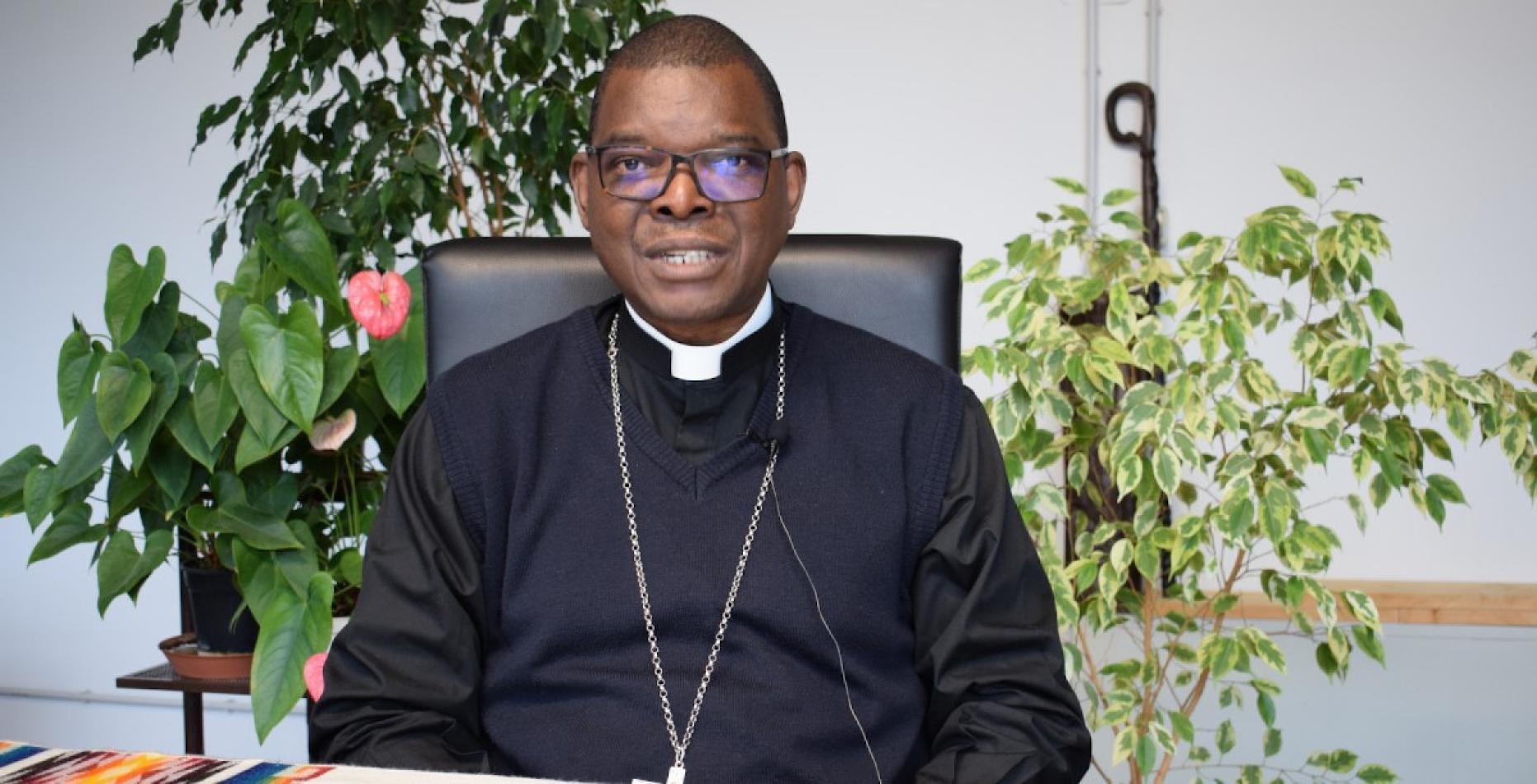
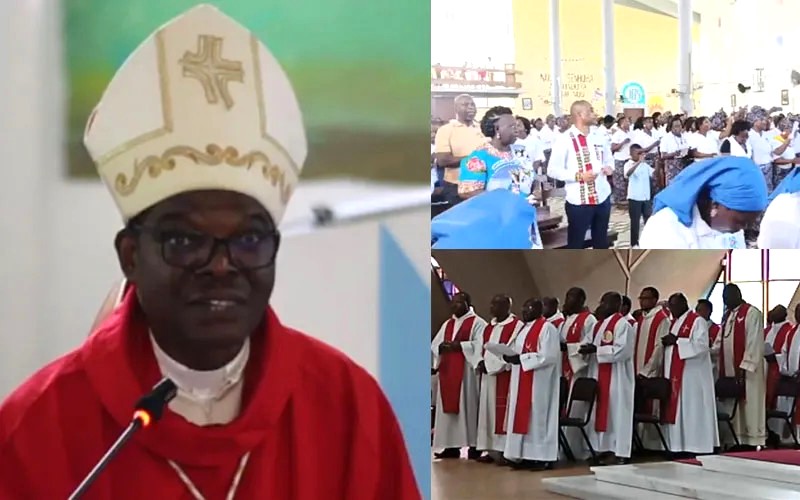
Monsignor António Manuel Bogaio Constantino, a Comboni missionary and first bishop of the recently erected Diocese of Caia, has called on teachers and learners in Catholic-sponsored institutions of learning to take responsibility and end conflicts and be engaged in promoting healthy relationships. [João Vissesse – ACI Africa]
Speaking during the Opening Mass of the Academic Year on Saturday, February 7, at St. Anne Parish of the Catholic Archdiocese of Beira, the Bishop Constantino stressed the importance of revisiting the core values of Catholic education, warning that disputes among staff and learners undermine the educational environment. “This business of fighting—teachers fighting at school—must stop. This business of arguing at school over other issues must stop. Conflicts among colleagues harm the educational environment and directly affect students’ learning and well-being,” Bishop Bogaio said during the Eucharistic celebration.
The Mozambican member of the Comboni Missionaries (MCCJ) urged all members of Catholic schools to foster mutual respect and human dignity, emphasizing that a positive school climate is essential for effective teaching and learning. He also encouraged educators to act as role models in resolving disputes peacefully and promoting dialogue over confrontation. Bishop Bogaio warned against deviant behavior and harassment among colleagues, saying, “Adult women go to school to fight over colleagues—why? And a colleague who is always pursuing another colleague who is married—why? Deviant behavior. Enough.”
“Enough of harassment—not only harassment of students, but also the harassment we inflict on one another. A Catholic administrator who spends his time harassing others. He is a Catholic administrator. On Sunday, he is at Mass. No,” he said. The Catholic Bishop urged teachers to be collaborative, emphasizing that “they must be exemplary. Therefore, live and build teams—those teams of social relationships”. Bishop Bogaio encouraged teachers not to become discouraged by obstacles, noting that “each academic year brings new challenges, changes, and demands”. He acknowledged the accumulated fatigue from the previous year, difficulties in enrollment processes, and concerns about new classes, but noted that “these realities are not reasons for giving up.”
The 56-year-old Catholic Bishop noted that teachers should seek solutions rather than complaints, presenting themselves as active agents in transforming education. According to him, “it is necessary to return to schools with the disposition to move forward and work so that the educational process bears fruit in the future, even when the context is marked by limitations.”
Reflecting on the treatment of students, the Catholic Bishop emphasized that “children and young people are not numbers or statistics,” recalling that many arrive at schools marked by poverty, broken families, violence, and, in some cases, drug use. He said such situations require teachers to have an “attentive and responsible approach, as well as coordination with families, avoiding placing sole blame on students for systemic failures.”
Bishop Bogaio also underscored the importance of nurturing students’ dreams and life projects from an early age, warning that the lack of early guidance “compromises their personal and professional development.”
He called for greater appreciation of the family’s role in the educational process, stating that “the school does not replace the education that begins at home” and that “parents and guardians have direct responsibility for the formation of their children, with the school serving only as a complement”. The Catholic Church leader emphasized that “the mission of teachers goes beyond the transmission of content; they are called to contribute to an education that forms conscious, responsible people committed to the common good.”
“The Church trusts educators and walks with them throughout the academic year,” Bishop Bogaio said.
João Vissesse – ACI Africa