Daniel Comboni
Comboni Missionaries
Institutional area
Other links
Newsletter
Comboni Mission Assembly in Italy
Wednesday, February 4, 2026
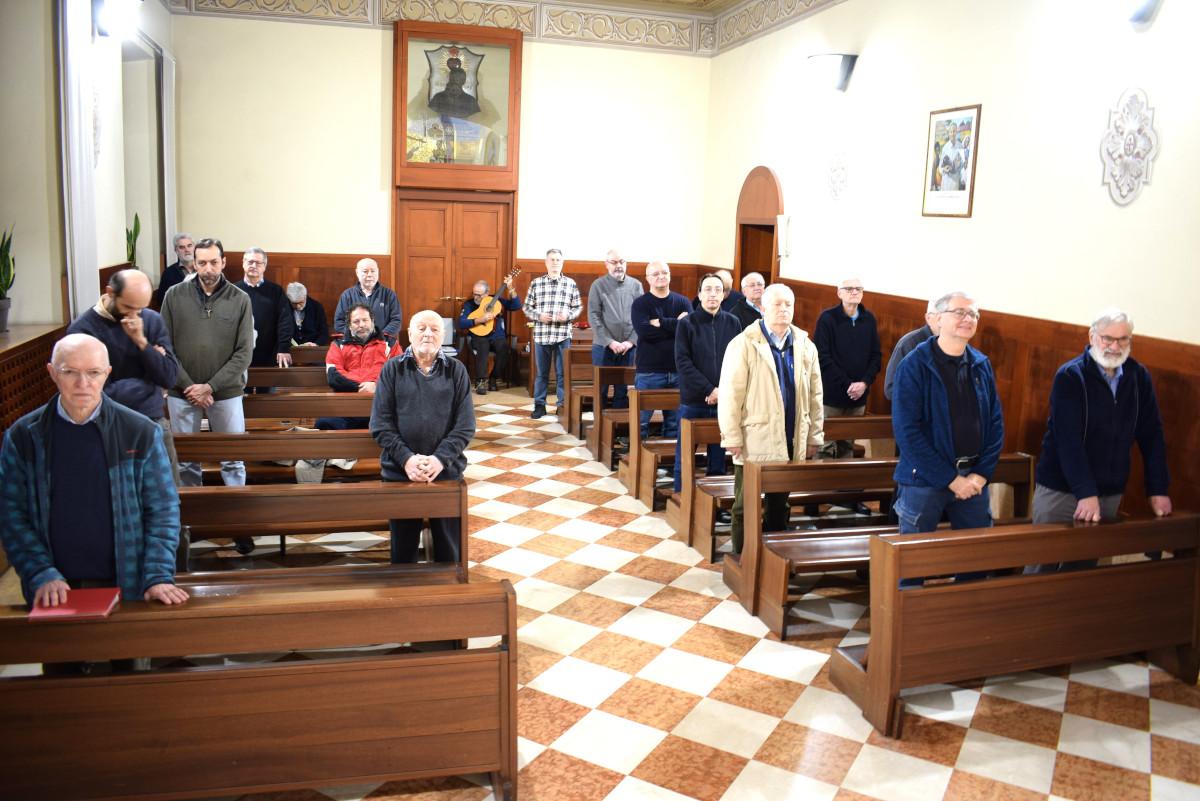
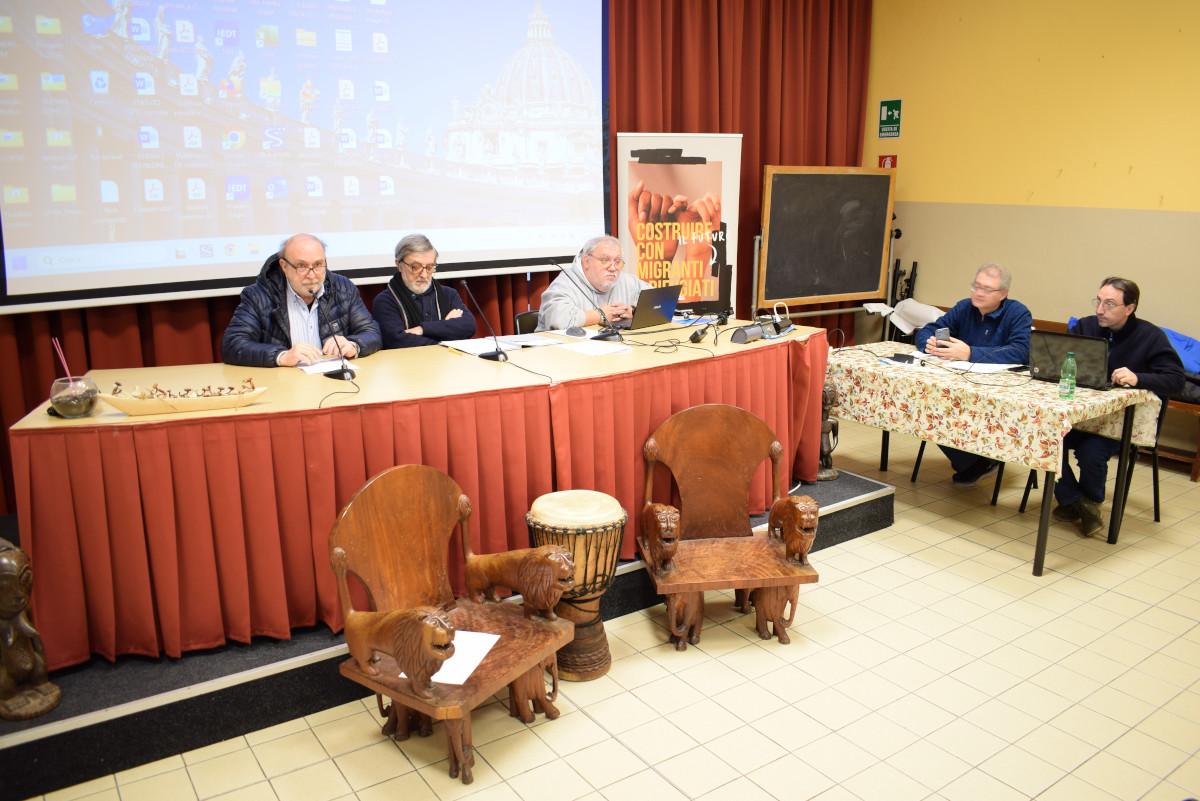
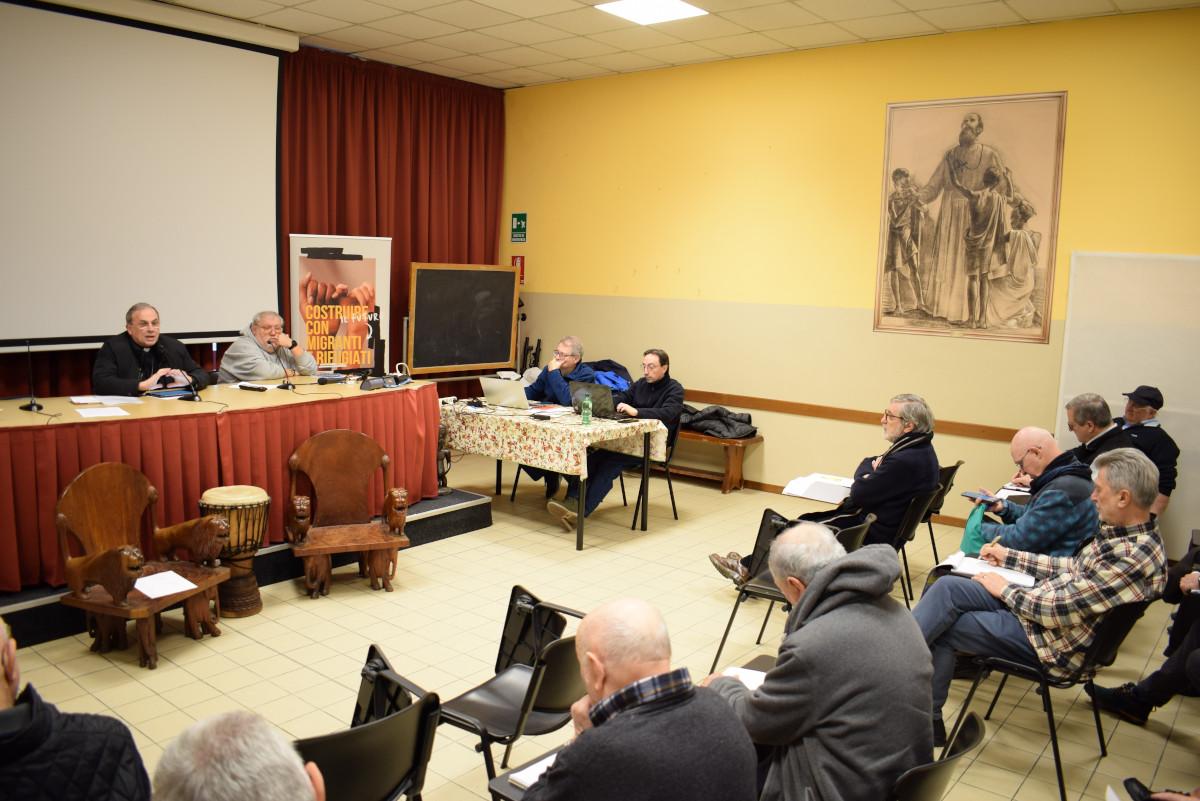
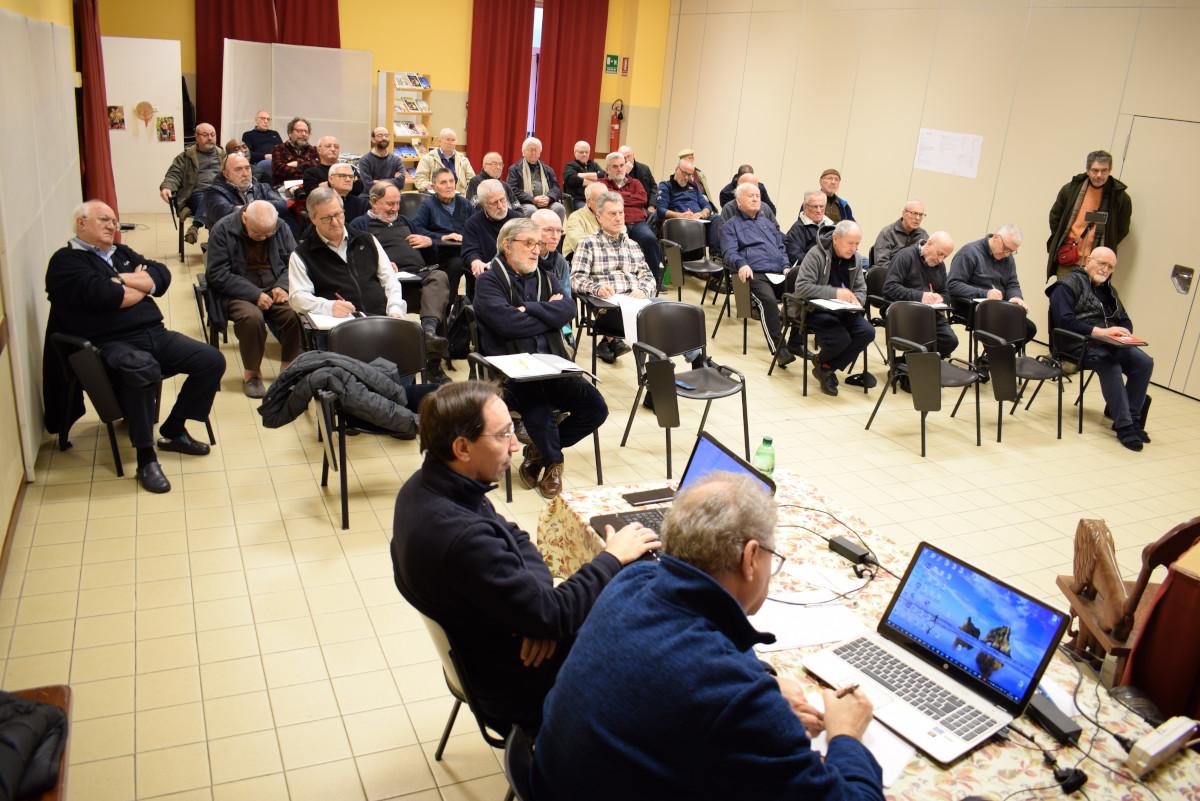
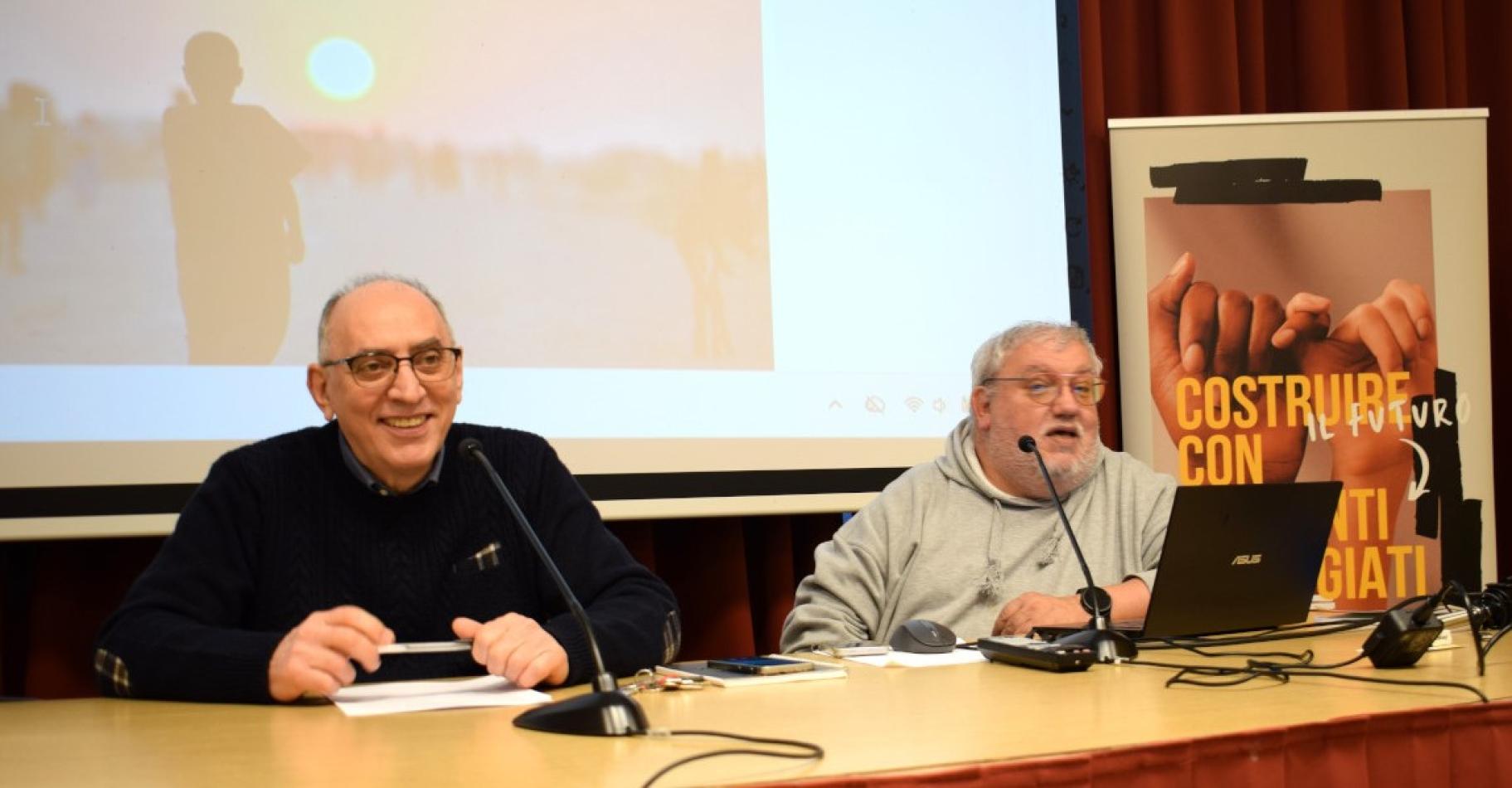
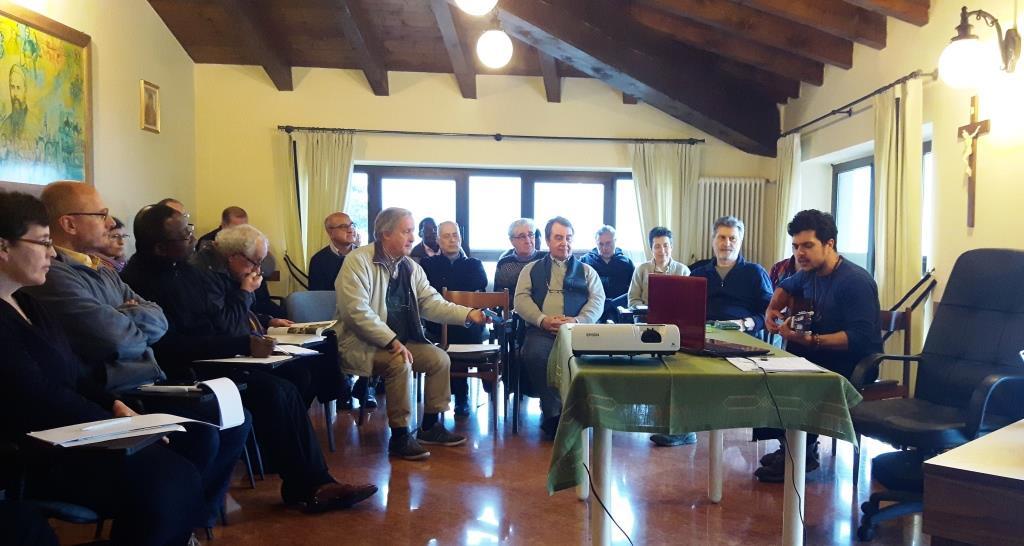
From the evening of 26th January to noon on 29th January, the annual “Mission Assembly” of the Comboni missionaries in Italy was held at the Mother House in Verona (Vicolo Pozzo, 1). The assembly brought together around thirty confrères from various communities across Italy (Palermo, Lecce, Bari, Castel Volturno, Rome, Fano, Florence, Rebbio di Como, Brescia, Limone sul Garda, Cordenons, Padua, and Verona). [From left to right in the picture: Father Pietro Ciuciulla, provincial superior, and Brother Antonio Soffientini, assembly moderator]
The theme of the meeting was “Communication and Information Today”. The Comboni missionaries in Italy also questioning themselves about the opportunities, problems and challenges of communication in contemporary society. Several questions were raised at the assembly: how to balance print and digital editions of their magazines (Nigrizia and Il Piccolo Missionario/PM)? How to make use of social media, while remaining aware of potential manipulation, political polarisation, and developments in artificial intelligence (AI)?
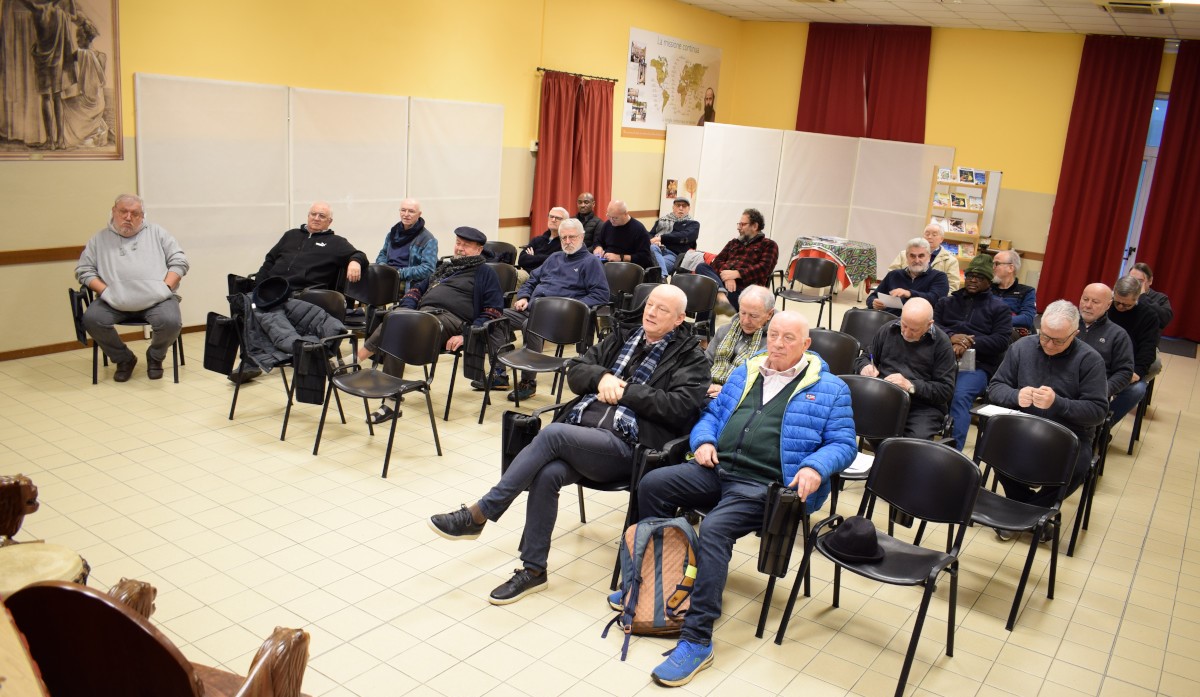
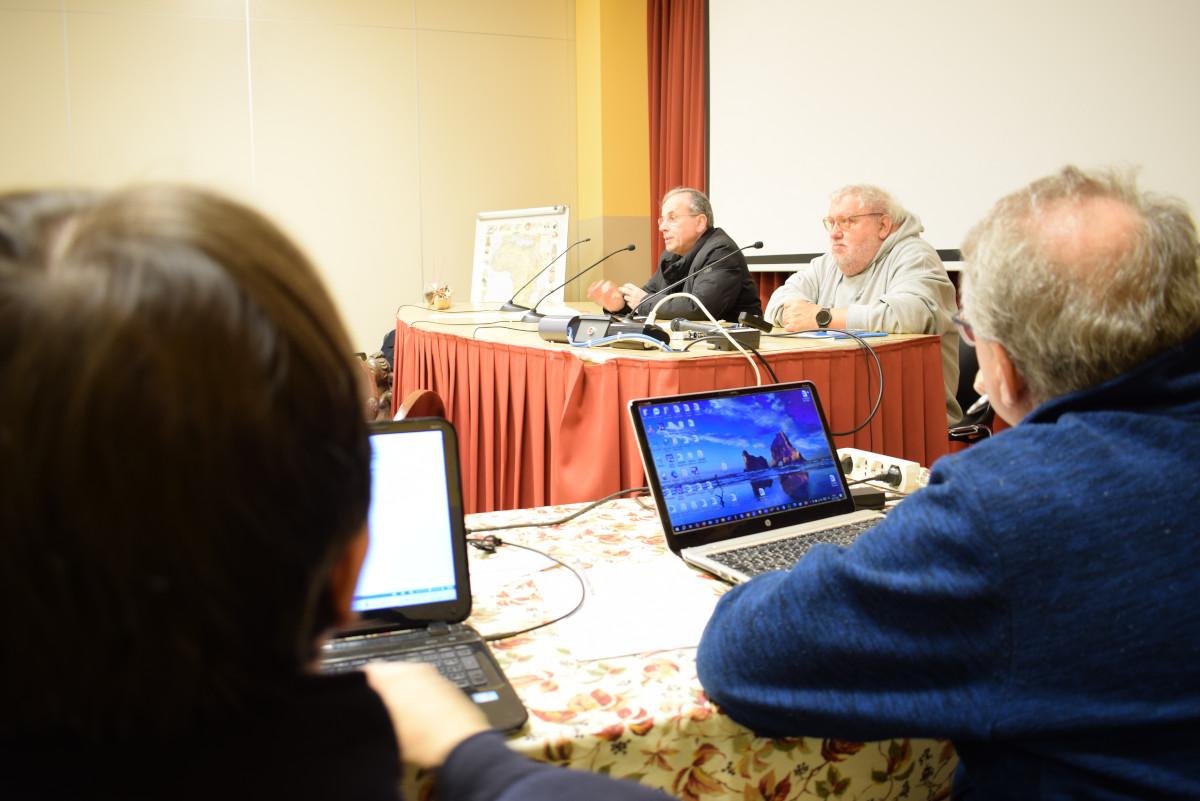
To provide a realistic overview of the Italian communication and information landscape (both in terms of content and influence on public opinion), and to better shape their work as an alternative voice with a global vocation, Marco Damilano (journalist, essayist, TV presenter, and Italian commentator; director of L’Espresso from 25th October 2017 to 4th March 2022; and host of the news segment Il cavallo e la torre on Rai 3 since 29th August 2022) joined the assembly by Zoom.
Damilano spoke candidly about the current difficulties faced by journalists, who are called to provide clarity in a world of fake news, where those in power often denigrate journalists to avoid scrutiny, and where information is frequently controlled by extremely wealthy individuals who are intolerant of democracy as understood and practised in the West since the Second World War.
While acknowledging the future of digital media, Damilano encouraged the participants not to abandon the print editions of their magazines, as printed material conveys depth and seriousness of information.
Following Damilano’s presentation, the assembly engaged in debate, which then continued in working groups tasked with presenting proposals aimed at the present and future of their mission in Italy.
In the second part of the morning, group work was guided by four provocations proposed by the speaker. The afternoon was dedicated to the plenary presentation of the group work, followed by reports from the Mission Secretary (Father Giambattista Moroni), the Secretary of the Mission Animation Table (Father Giuseppe Caramazza), and the Migrantes Commission (Father Daniele Moschetti).
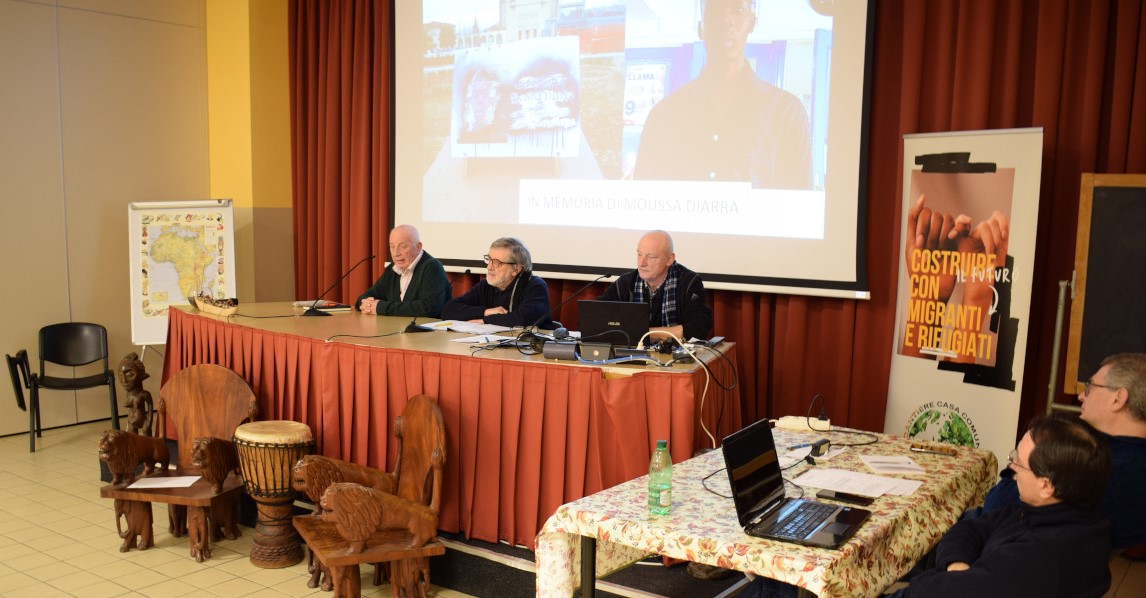
and the Brothers Simone Della Monica and Simone Bauce, assembly secretaries.
On the morning of 28th January, time was given to listening to the coordinator (“referente”) of the Comboni Lay Missionaries (LMC) in Italy (Father Eliseo Tacchella) and LMC representatives Pierpaolo Hinegk and Marco Danielon, who coordinate around ten groups across Italy. The LMC are pursuing recognition by the Church as an Association of the Faithful. Such recognition by the Holy See is a canonical process that formally confirms the affiliation of an association, movement, or new community to the Catholic Church, by verifying its doctrinal and pastoral conformity. This act, which certifies the ecclesial nature of the group, is mainly overseen by the Dicastery for the Laity, Family, and Life.
It goes without saying that such recognition would facilitate their commitment to the mission ad gentes (some lay members are already present in Europe, Africa, and the Americas), as well as their missionary presence in Italy. The LMCs acknowledge the complexities of self-financing, which is an essential prerequisite for autonomy.
A moving testimony came from Marco, who works in support of migrants in Verona. He recounted the story of Mussa’s brother, who, after several years, had obtained decent employment. Tragically, this 26-year-old Malian was killed by a railway police officer in front of Verona Porta Nuova station on 20th October 2024. His death provoked widespread outrage and deep emotion.
The morning session concluded with Father Giuseppe Cavallini presenting a report on the communications sector, particularly regarding the Comboni publications Nigrizia and Piccolo Missionario.
In the afternoon, the assembly approved a “charter” containing guidelines and proposals on communication, which will be submitted to the Provincial Council for review. Later, the report of the Provincial Superior, Father Pietro Ciuciulla, was presented.
Father Arlindo Pinto, a member of the General Secretariat of the mission and Director of the Institute’s Communications Office, took the opportunity to present the overall situation of the 24 Comboni publications [17 for adults (5 in Africa, 5 in America, 6 in Asia and Europe) and 7 for adolescents and young people (3 in America and 4 in Europe)]. He also highlighted the ongoing permanent formation programme on mission, launched in January 2026 and continuing until June 2027, and reminded participants of the commitments made by the XIX General Chapter regarding the importance of each jurisdiction having a written ‘communication plan’ and a formation programme for confreres involved in communications (AC ’22, 32).
An evening of conviviality on 28th January at the Mother House fostered greater familiarity and mutual knowledge among the participants.
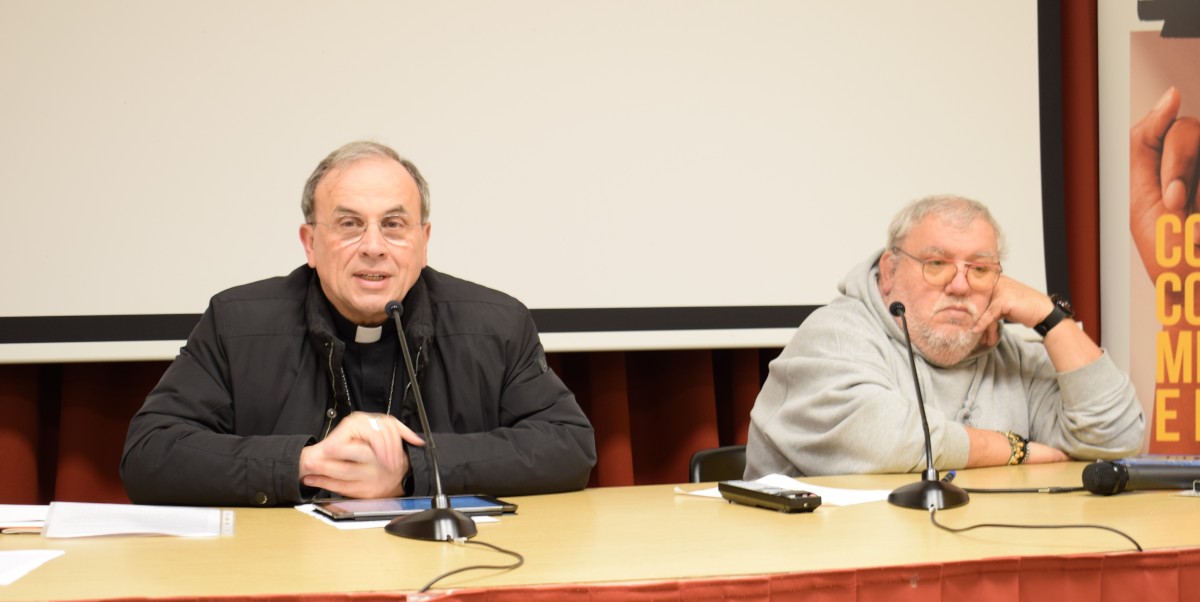
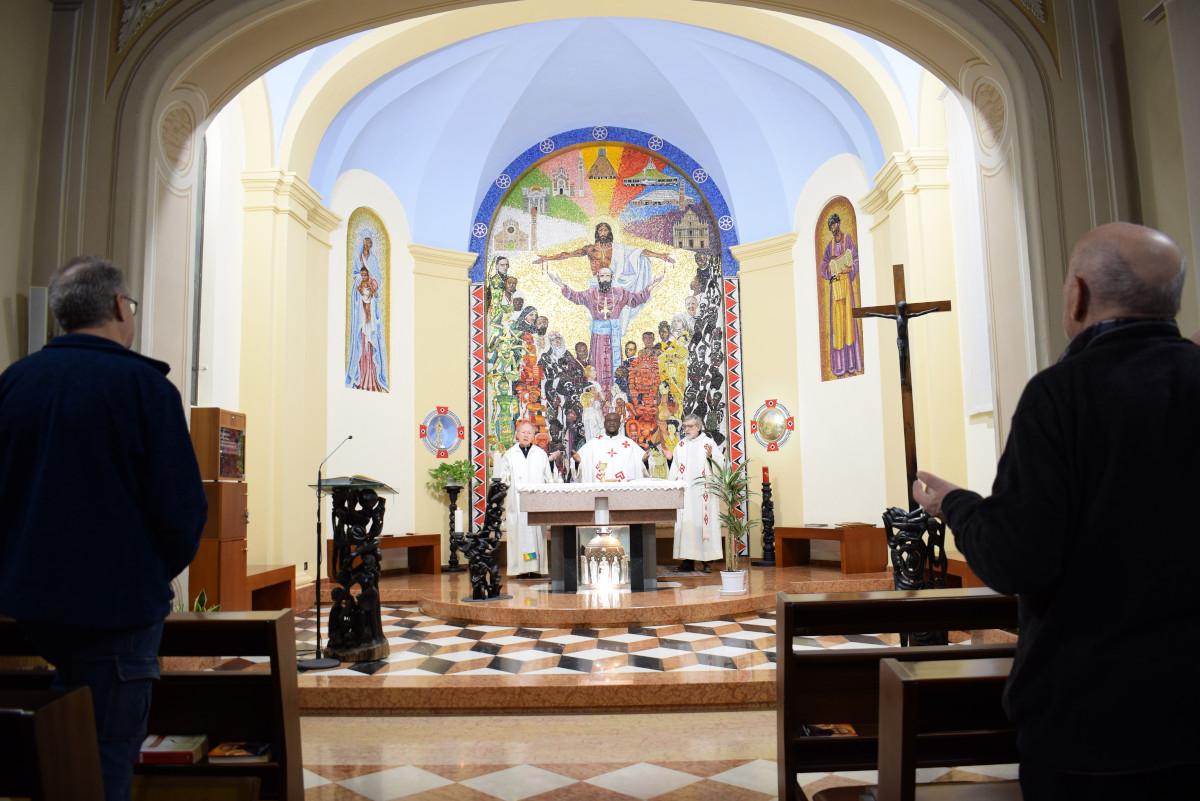
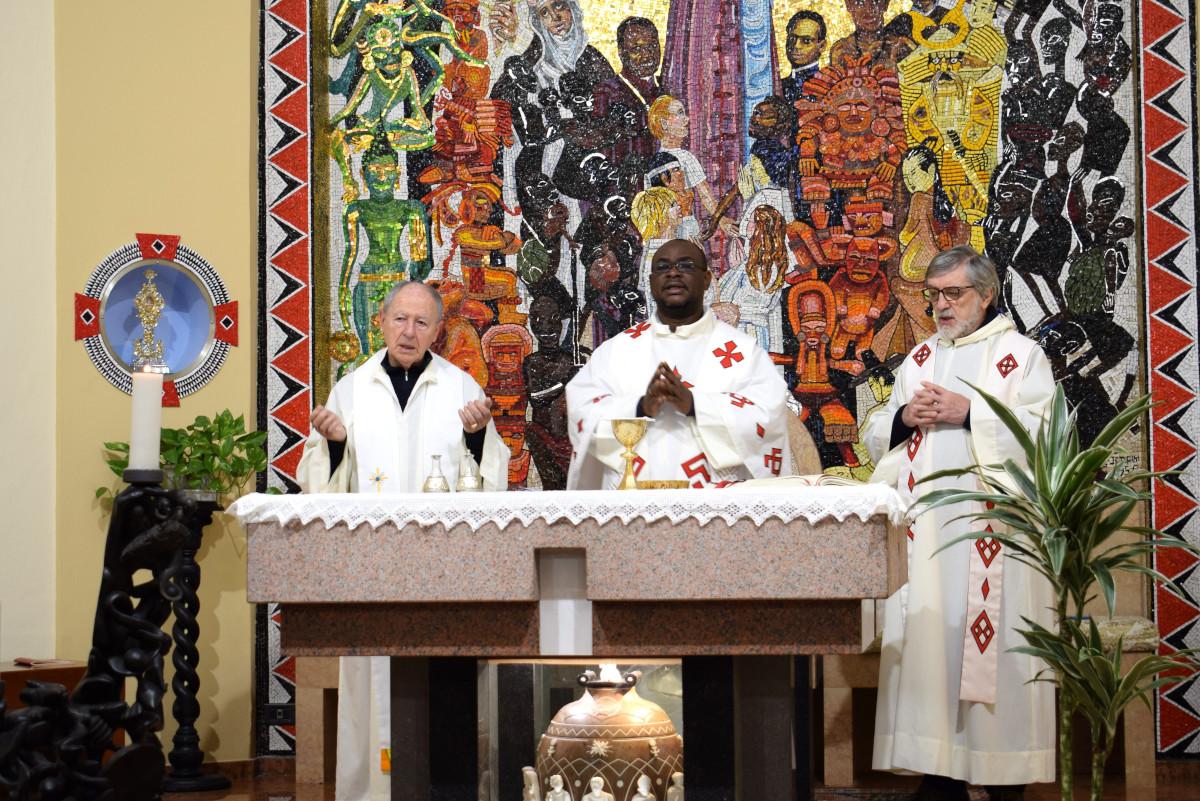
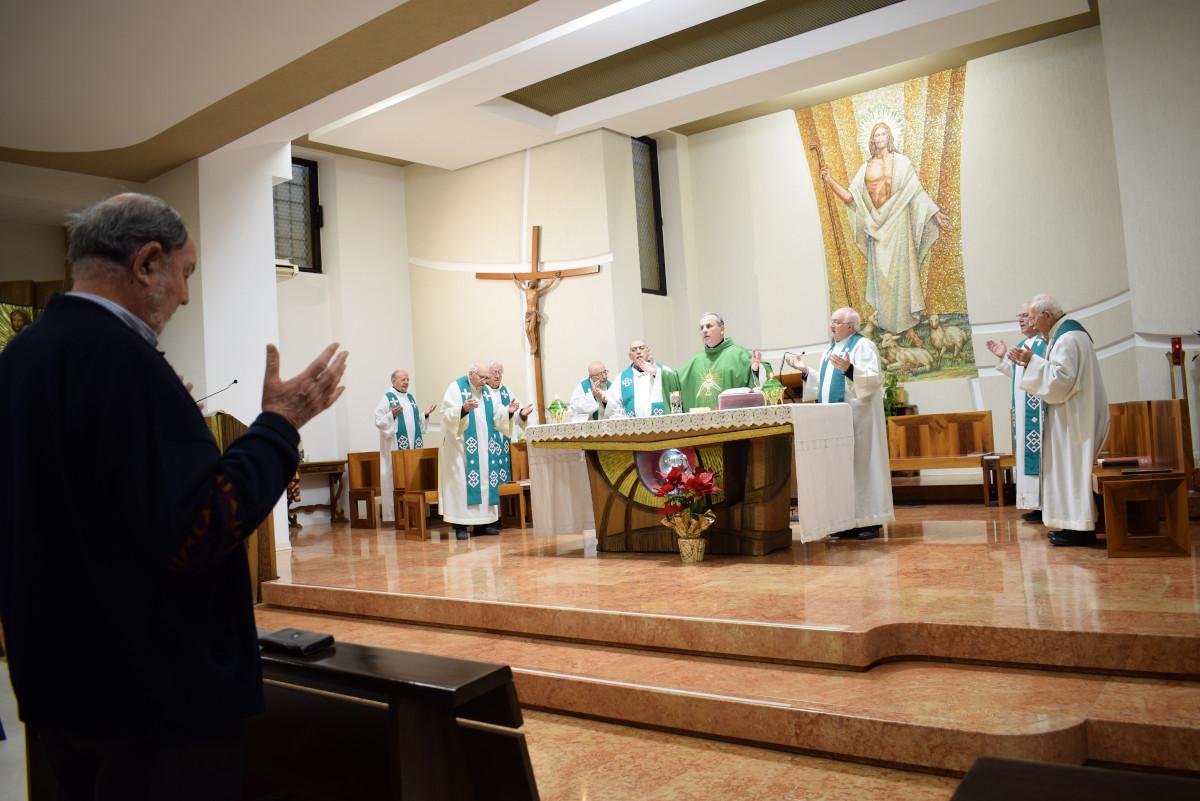
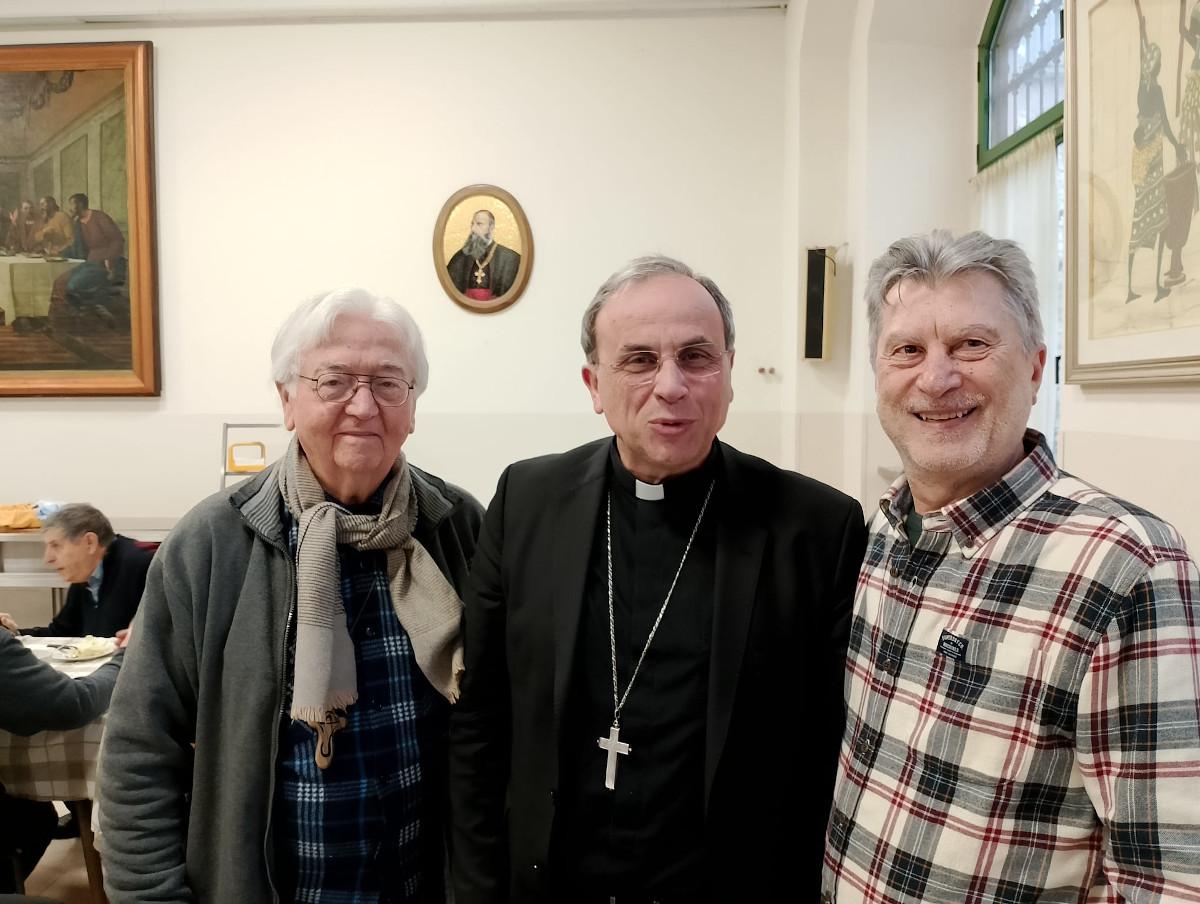
A significant moment of the assembly was the final day, Thursday 29, when the Bishop of Verona, Monsignor Domenico Pompili, presided over the 7:30 a.m. Eucharistic celebration, followed by breakfast and a presentation in the ‘Africa Room’ entitled Communication and Mission in the Italian Ecclesial Landscape – Safeguarding Humanity in the Era of Digital Mirrors. With conviction, humour, and persuasive style, Bishop Pompili referred to Pope Leo’s message (published 24th January) for 60th World Communications Day, entitled Preserving Human Voices and Faces. All participants were invited to reflect attentively. The bishop expressed gratitude to the Pope for making public his reflections, particularly regarding the challenges posed by artificial intelligence (AI).
The bishop also addressed the issue of AI: “The opportunities and challenges posed by artificial intelligence concern all of us. We are called to careful reflection.” He invited everyone to ‘inhabit the network’ – which is much more than merely ‘residing online’, as the Church in Italy was encouraged to do by its bishops in 2010.
He cited a dense passage from Pope Leo XIV for the 60th World Communications Day: “We need faces and voices to speak for people again. We need to cherish the gift of communication as the deepest truth of humanity, to which all technological innovation should also be oriented.”
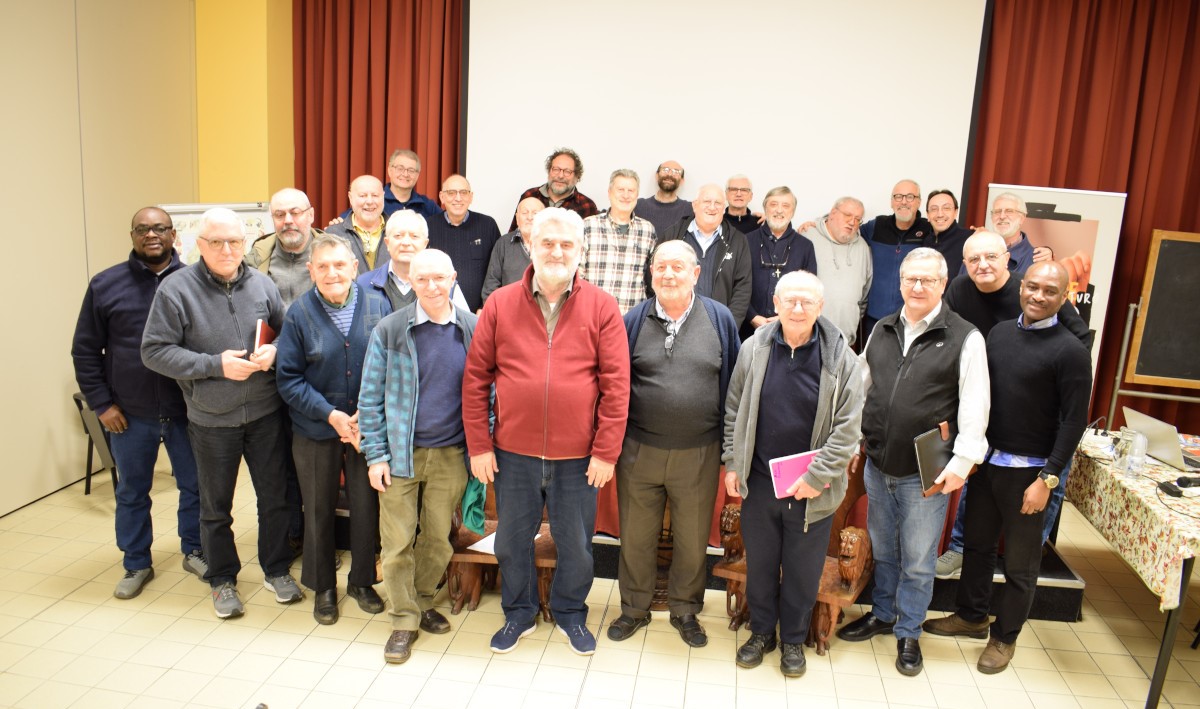
The final part of the assembly was dedicated to brief announcements and an overall evaluation of the meeting. The conclusions and proposals emerging from the assembly will be submitted to the Provincial Council for the necessary assessment.
Participants returned to their communities inspired to enhance collaboration and better prepared to meet the challenges of mission in contemporary Italian society.