
Daniel Comboni
Comboni Missionaries
Institutional area
Other links
Newsletter
L’Œuvre d’Orient Celebrates the 170th Anniversary of Its Foundation in Paris
Monday, May 11, 2026
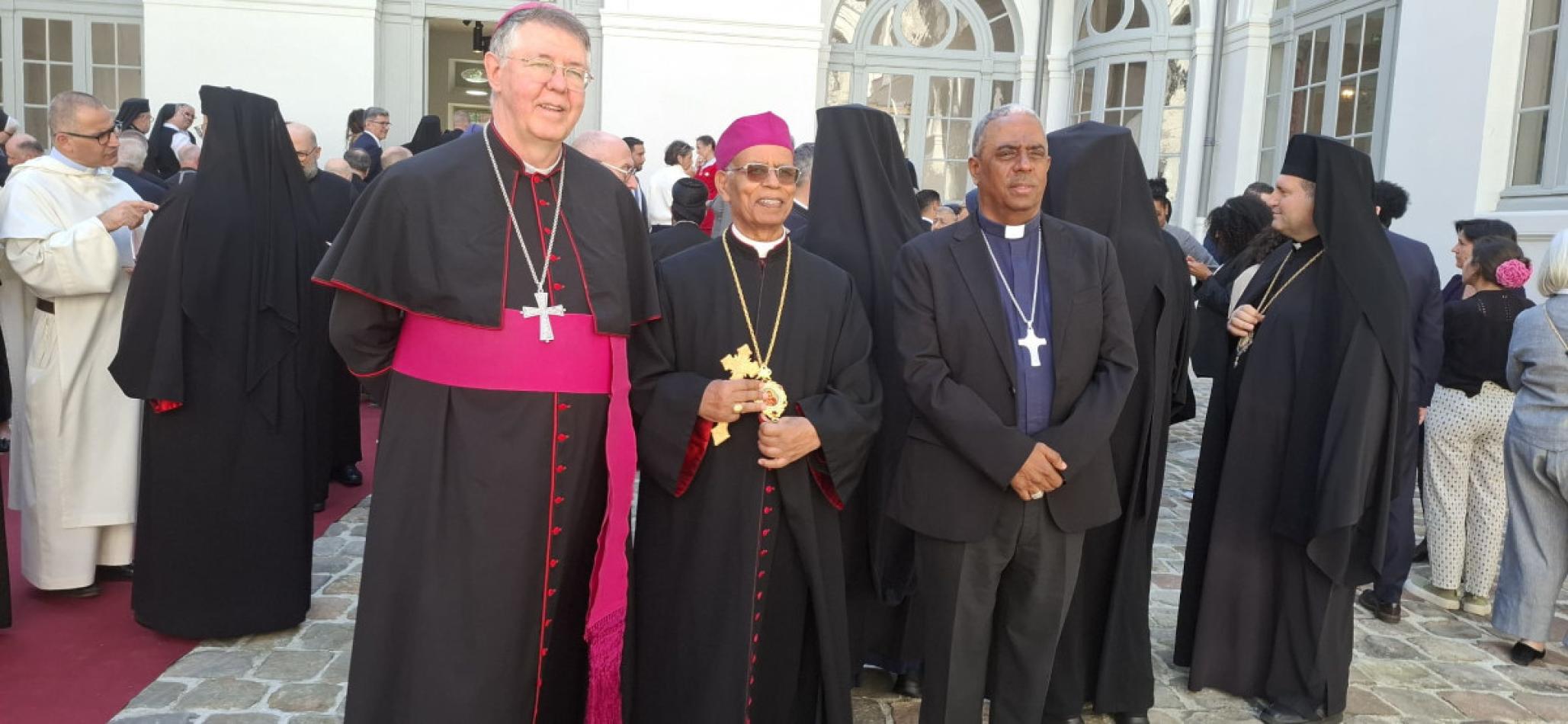
Yesterday, L’Œuvre d’Orient celebrated the 170th anniversary of its foundation, welcoming to its headquarters in Paris representatives of all the Eastern Churches it supports, including several Patriarchs. Among those present were also the following Comboni bishops: Mgr Claudio Lurati (Egypt), Mgr Menghesteab Tesfamariam (Eritrea), and Mgr Tesfaye Tadesse (Ethiopia).
L’ Œuvre d’Orient was founded in 1856 in a crucial historical context: the end of the Crimean War and the signing of the Treaty of Paris, which recognised France’s role in protecting Christians in the Ottoman Empire. At that time, it was known as the Œuvre des Écoles d’Orient and was established on the initiative of lay professors from the Sorbonne, gathered around Baron Augustin-Louis Cauchy (1789–1857), a renowned French mathematician and a devout Catholic, with the aim of supporting the creation of schools in Lebanon, convinced that education was essential for the future of any society.
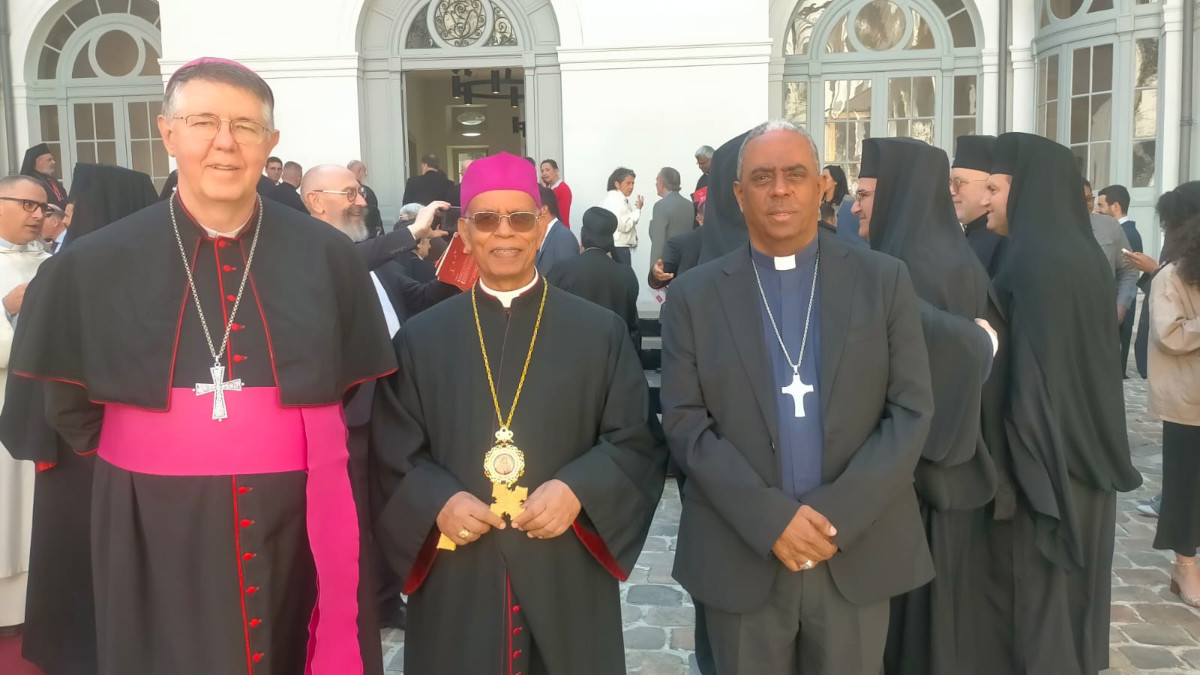
Archeparch of Asmara (Eritrea), e Mgr Tesfaye Tadesse Gebresilasie, Auxiliary Bishop of Addis Ababa (Ethiopia).
In 1860, following the massacres of Christians perpetrated by the Druze, Charles Lavigerie, its first director – later a cardinal, Archbishop of Algiers and founder of the Missionaries of Africa, known as the White Fathers because of their religious habit, and of the Sisters of Our Lady of the Apostles, the White Sisters – recommended expanding its scope of action. This marked the beginning of a long history of solidarity.
As early as 1895, Bishop Félix Charmetant, then director of the organisation, was among the most active figures in France in denouncing the massacres and crimes suffered by the Armenians and in raising funds on their behalf.
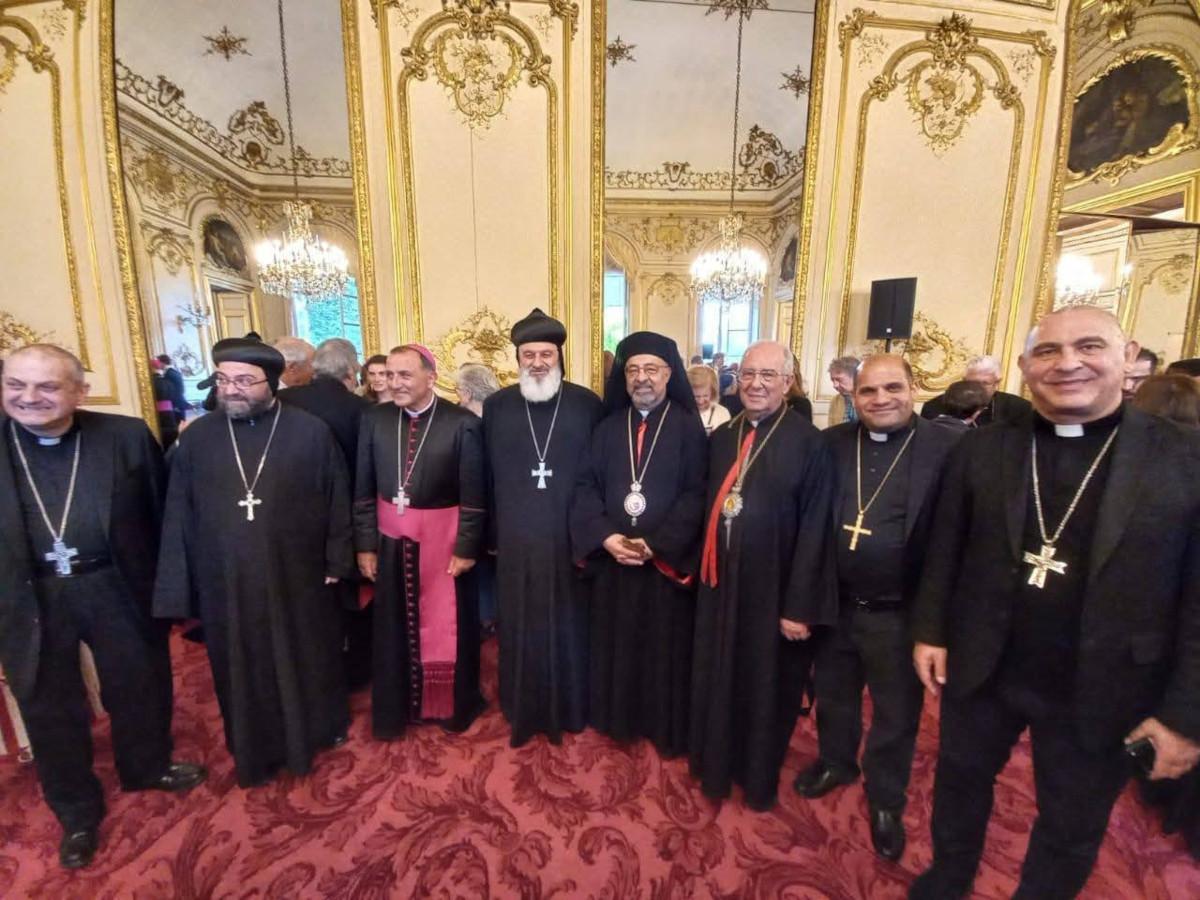
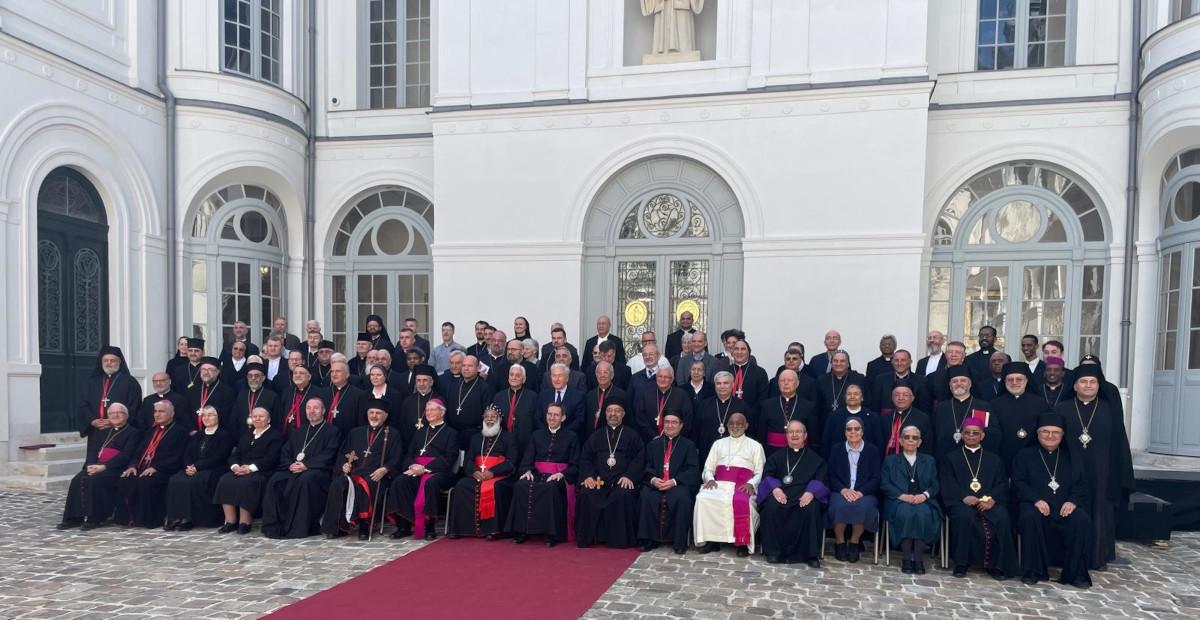
Now present in 23 countries, from the Middle East to Eastern Europe, from the Horn of Africa to southern India, the organisation supports Christian communities working locally through education, healthcare, social and humanitarian aid, culture, and the protection of heritage.