
Daniel Comboni
Comboni Missionaries
Institutional area
Other links
Newsletter
Father José da Silva Vieira: “From Farewell to Ethiopia to Hello to Rome”
Tuesday, May 19, 2026
Popular wisdom rightly says that “man proposes and God disposes”. It took me 21 years to return to Ethiopia, with stops and assignments in Mexico, Portugal and South Sudan along the way. And when I finally returned at the end of October 2021, I thought I would remain for at least ten years among my Guji brothers and sisters. Instead, the hoped-for decade was reduced to less than five years. One day, in fact, my superiors approached me with the proposal of being assigned to the General Curia community in Rome, Italy, to work in the field of communications.
The proposal caught me completely by surprise on a Friday in March 2025, at the end of a journey with two confrères from Qillenso to Haro Wato – the other Comboni community among the Guji – for a zonal Lenten retreat scheduled for the following Saturday.
I immediately expressed my reservations. The main one? Having to learn how to write in Italian at the age of 65. I therefore asked for time to reflect. I consulted several people – confrères and lay friends – who advised me to accept the new challenge.
I continued the discussions with older confrères. Meanwhile, during a holiday period back home, I was diagnosed with cancer. Naturally, the whole plan was put on hold until I had a clearer understanding of my health condition. Then, in February, when the urologist told me that, following surgery, I was cancer-free, I immediately informed Rome and the rotation plan was confirmed.
I decided to return to Qillenso to celebrate Easter with the people, say hello to them and, from there, set off for Rome, but only once a fellow brother from Togo had returned to Qillenso. The superiors preferred to stick to the original plan.
So, the farewells began on Easter Sunday in the communities of Gosa and Chirra. I explained that I had been assigned a new missionary ministry in Rome. In Chirra, the joyful Easter lunch turned into a farewell meal.
The following day I went to Adola to say goodbye to the Missionaries of Charity and the people they care for – for whom I had served as chaplain – as well as to the elders of the community and the prisoners in the regional prison with whom we prayed every Tuesday.
Back in Qillenso – after I had even managed to say goodbye to the tuk-tuk – I told Werqé, the new cook, that my time with them had unexpectedly been cut short. She invited me to visit her family home, beyond the hill where the mission is located. I went there on Saturday and met her sister, recently married and back visiting the family with her husband. In this way, I was able to meet Kenna, the couple’s first child.
On the way back to the mission, I stopped at the home of Werqé’s uncles, a family with whom I had enjoyed a deeply friendly relationship.
On Sunday, at the end of Mass and before the final blessing, I sat beside the altar. I told the assembly that this would be my last Mass with them, perhaps for a very long time, and I explained why. I said: “You Guji are my second family. But I have taken a vow of obedience, and therefore I must obey.” A long murmur spread through the congregation.
At the end of Mass, the people decided to take up a collection in order to buy what was needed for a farewell celebration that very evening in the parish hall.
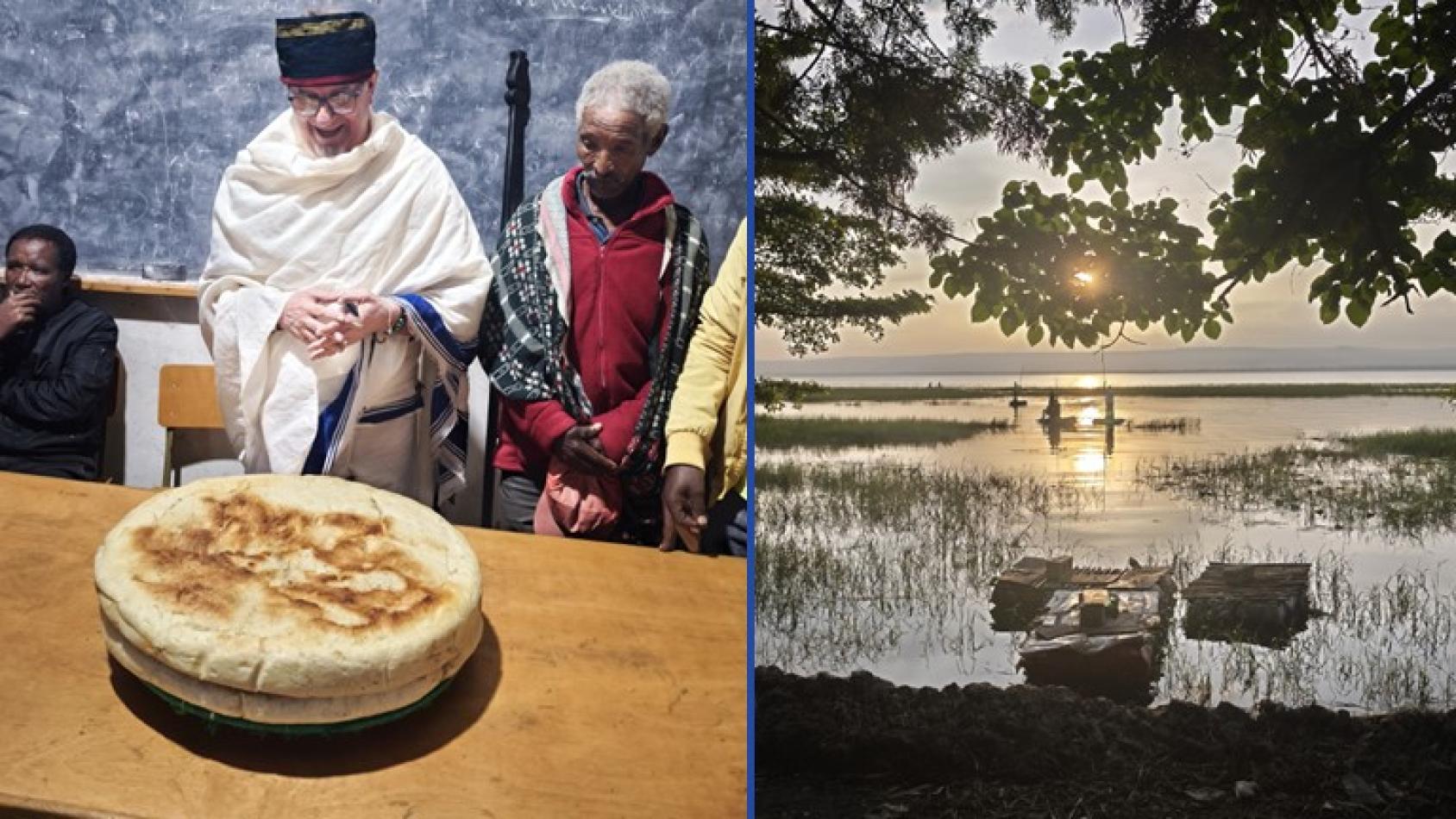
Once everyone had gathered, Mi’essa, the local catechist, gave a brief speech filled with generous praise for me. After him, I offered a few farewell words of my own. Then a group of men led me into the parish office so that I could put on the traditional Guji ceremonial attire: white shorts, shirt and cloak trimmed in blue, together with a scarf wrapped around my head. They then placed the chief’s staff in my hands.
I returned to the hall to a round of applause. A long photo session followed. Afterwards, I blessed and cut two large loaves of bread to be shared among everyone present.
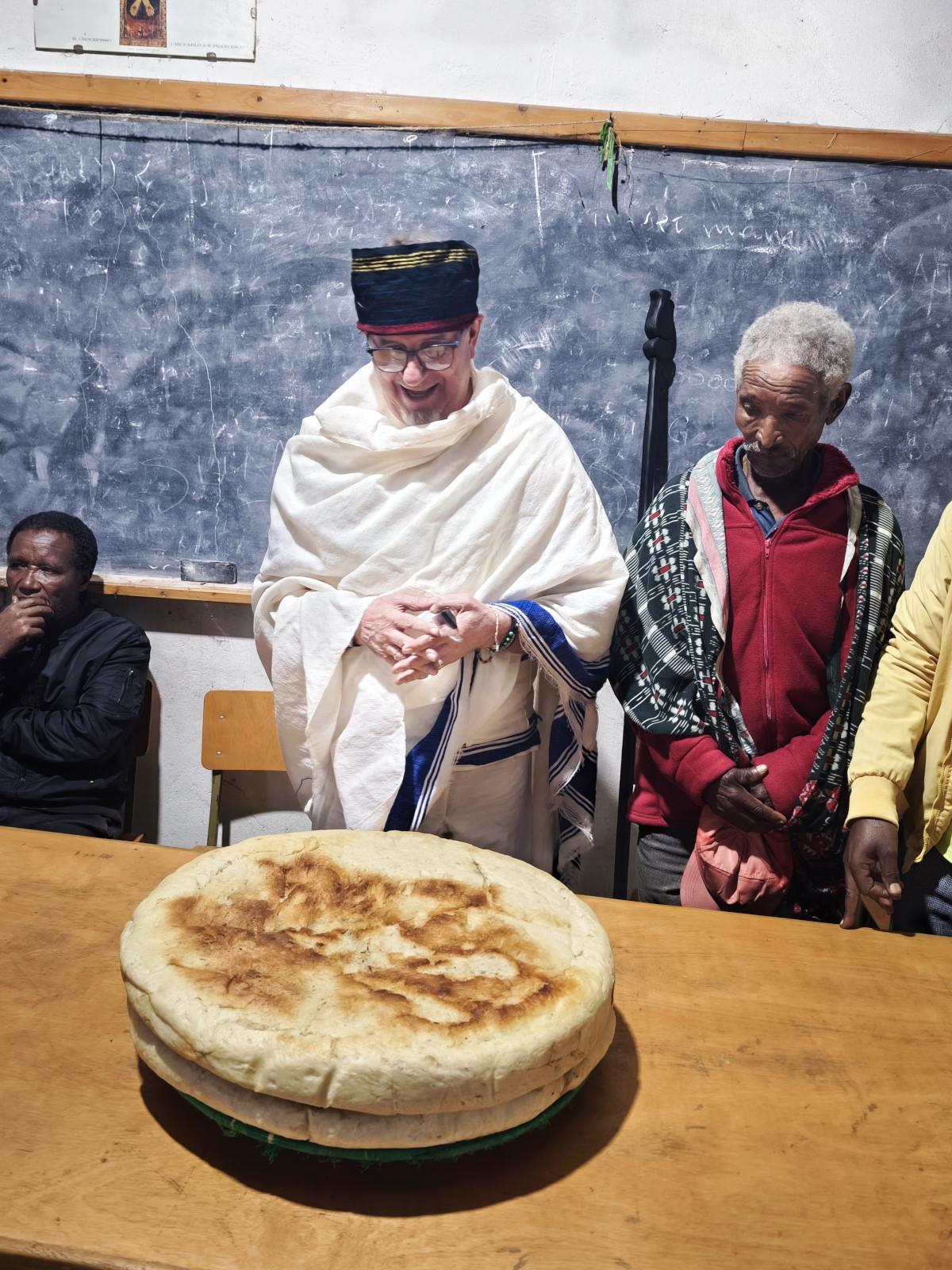
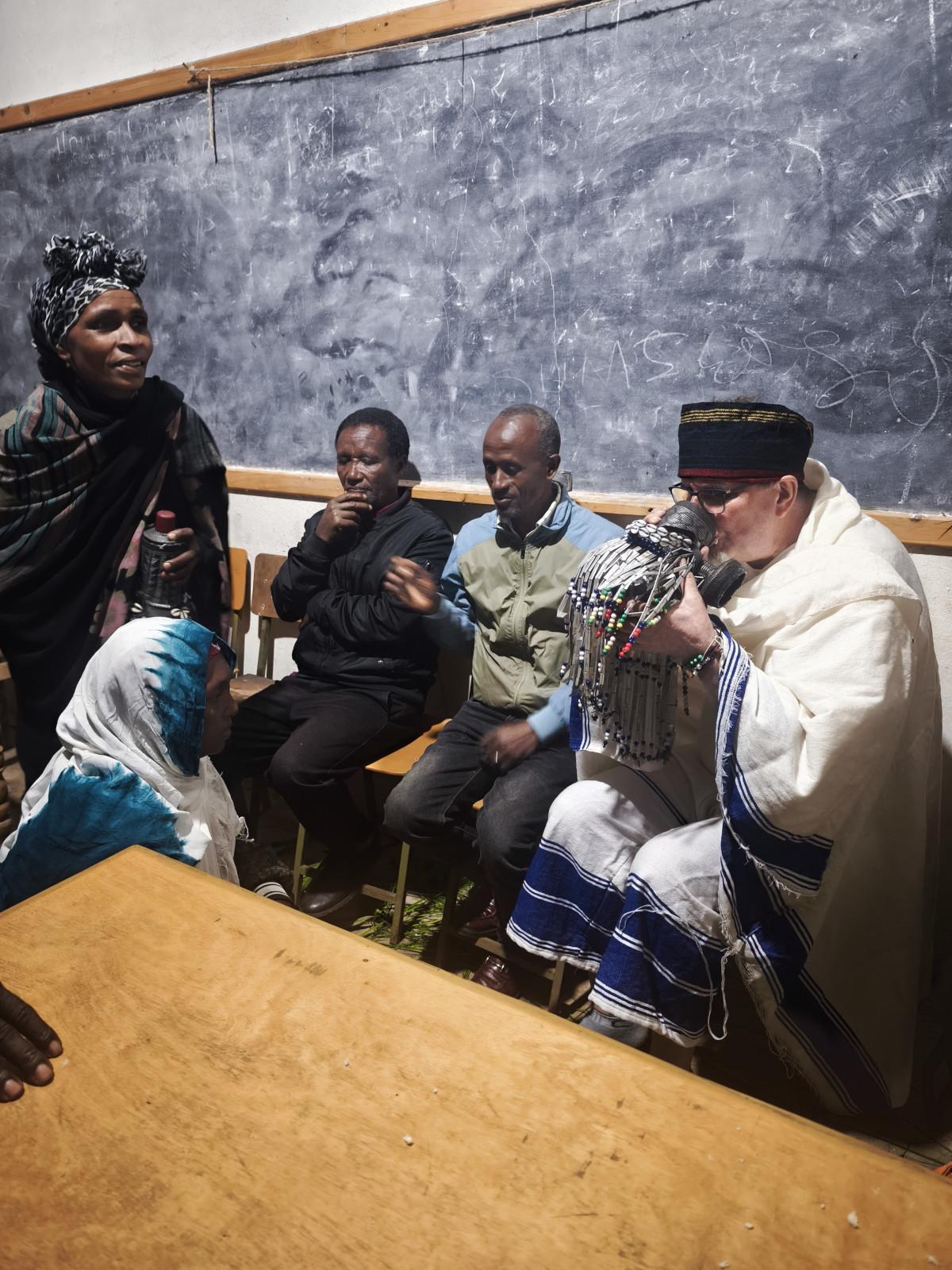
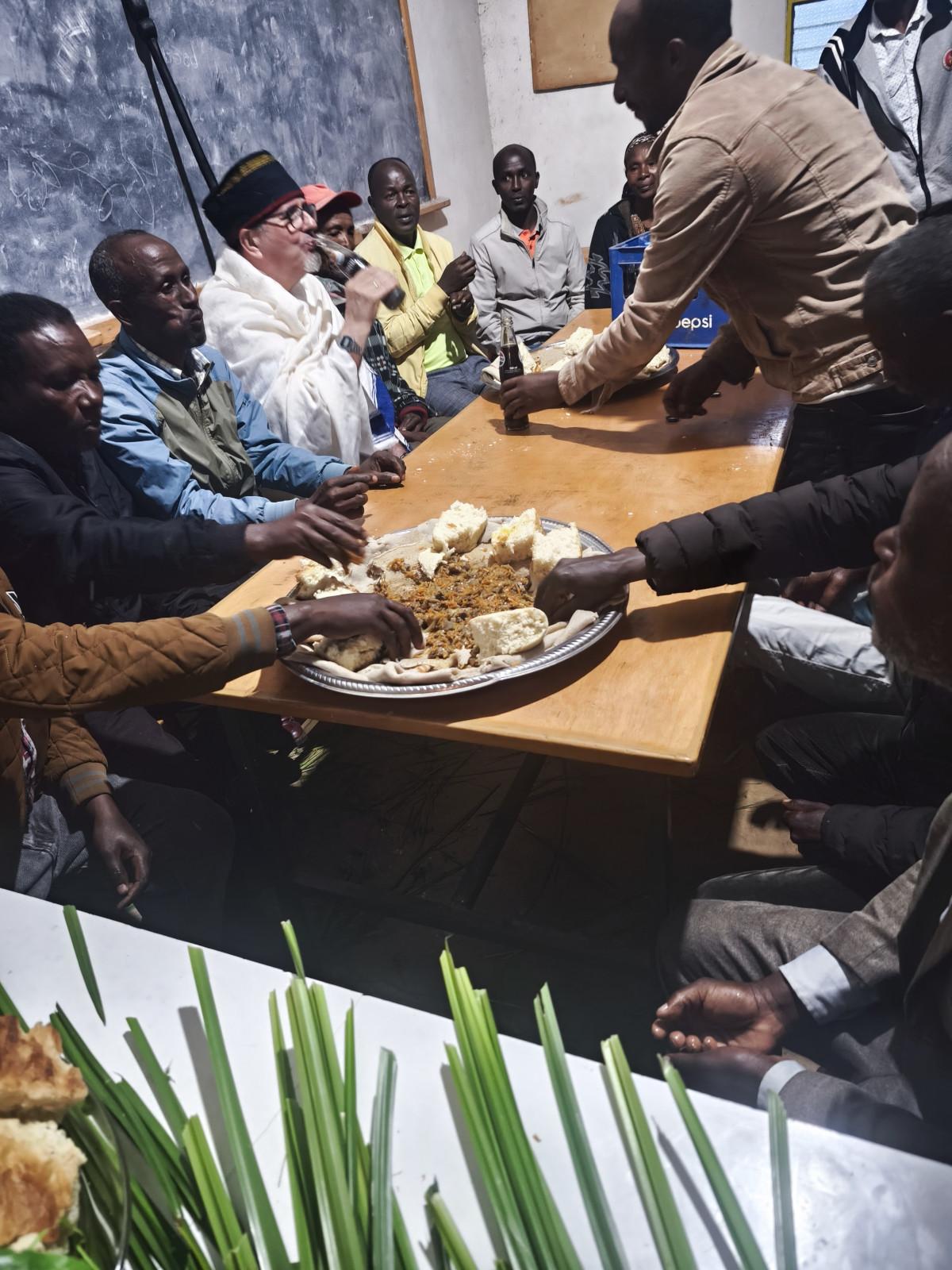
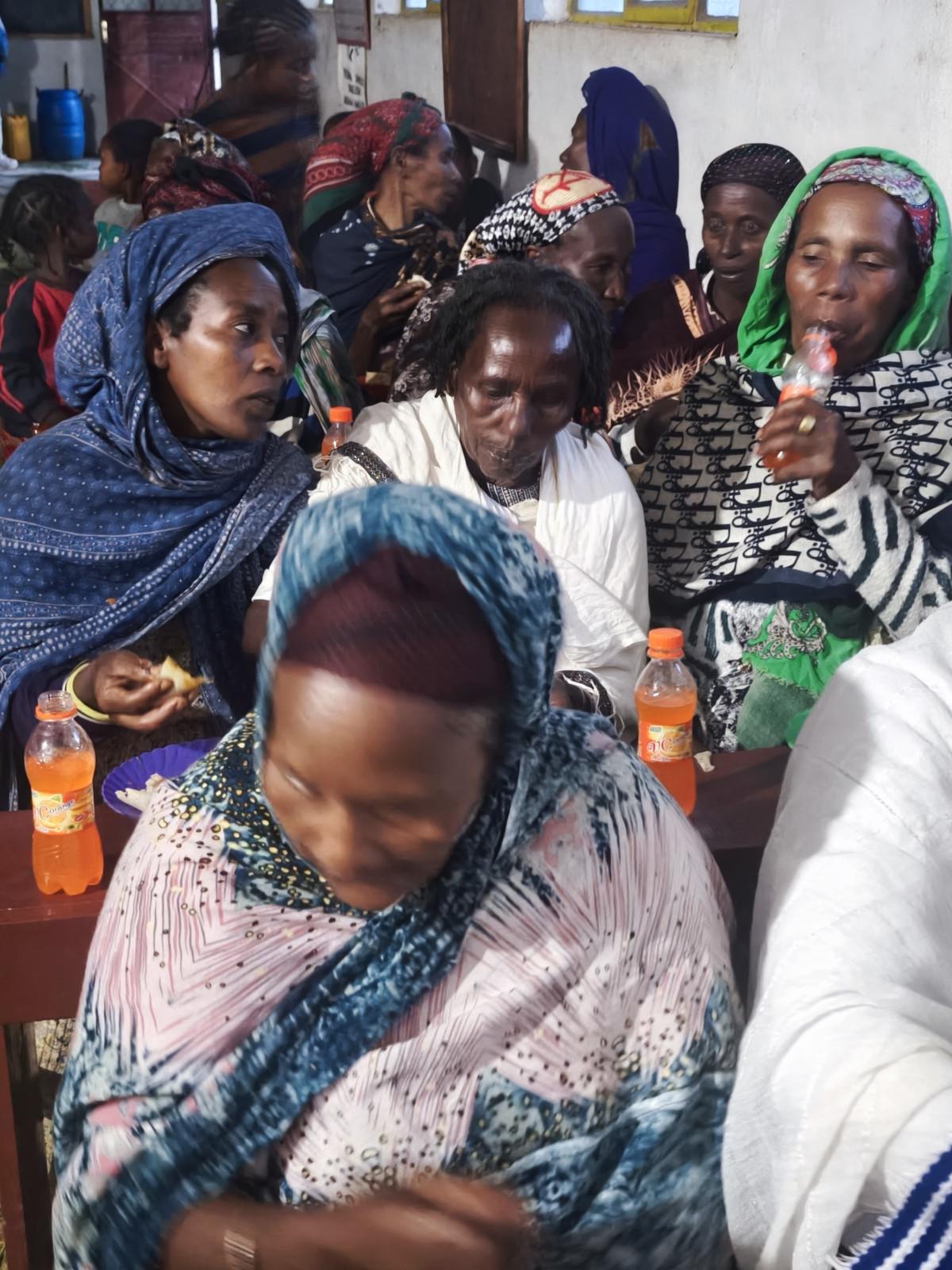
Several families brought milk and yoghurt. I had to bless those offering them and drink four sips from each container. Then came the actual meal: injera – the local bread resembling an enormous crêpe – served with cooked meat, vegetables and fizzy drinks offered by various people, which of course I also had to bless.
During the meal, the electricity failed several times, but thanks to candles and the “torches” of mobile phones, nobody accidentally put food into their neighbour’s mouth. Many people, however, intentionally placed food into the mouths of those serving at table, according to the remarkable Guji custom of thanking those who serve others.
At the end, I asked forgiveness from anyone I might ever have offended and thanked everyone for the four and a half years we had shared together in the parish of Qillenso. I then imparted the blessing and was blessed in return. There was also time for embraces, heartfelt words and warm tears.
On Monday morning we left for Hawassa to attend the provincial assembly. The shortage of diesel forced us to hire a private petrol-powered vehicle from Adola.
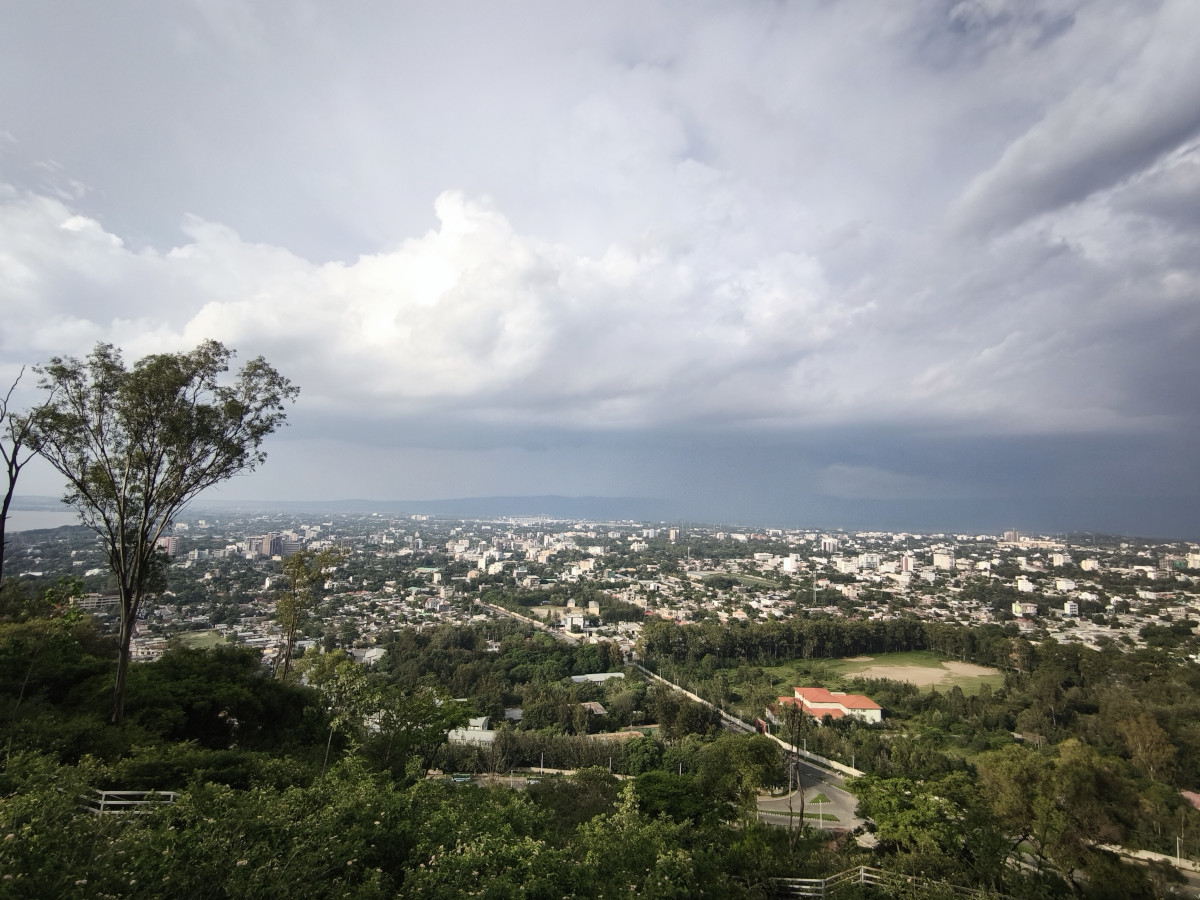
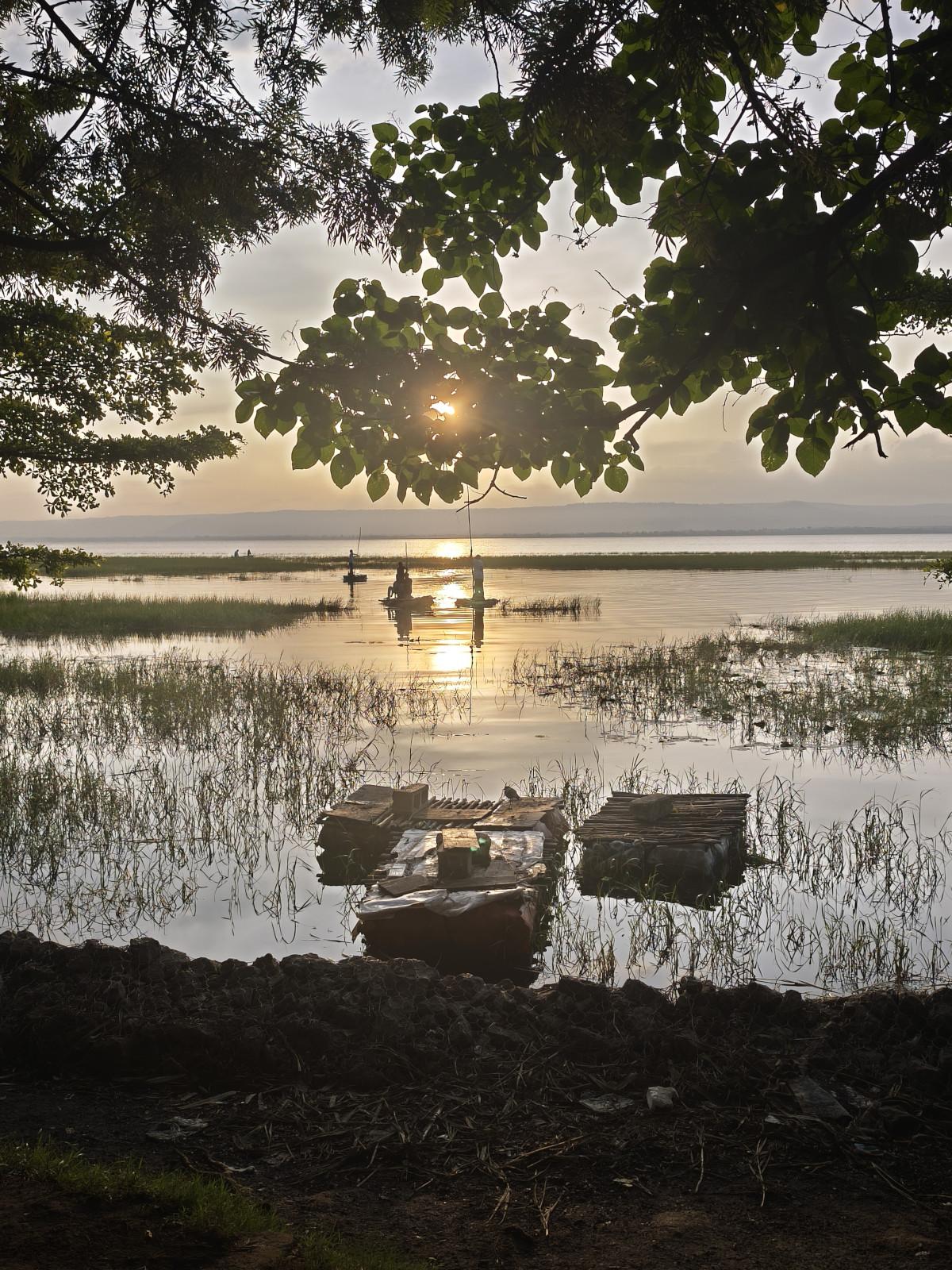
During the provincial assembly I found ways of “saying goodbye” to Hawassa, a green and temperate city that I dearly love. I bid farewell to the lake and the town with a long walk, then headed up Mount Tabor, climbing the roughly 600 steps that lead to the summit. From there I could admire the city and the extraordinary growth it has undergone over the past 26 years. I must also confess that I ended up with quite severe leg pain and bronchopneumonia.
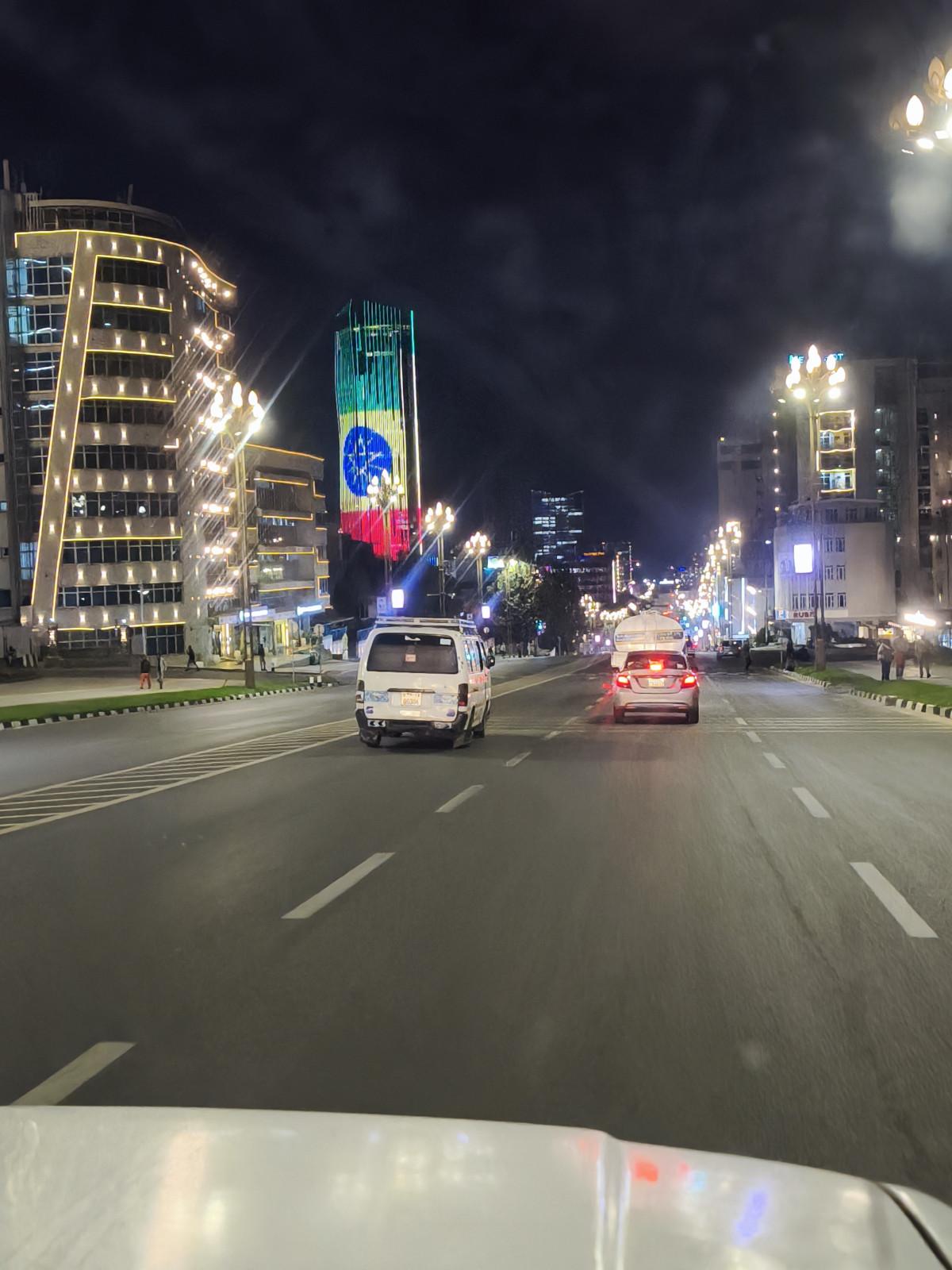
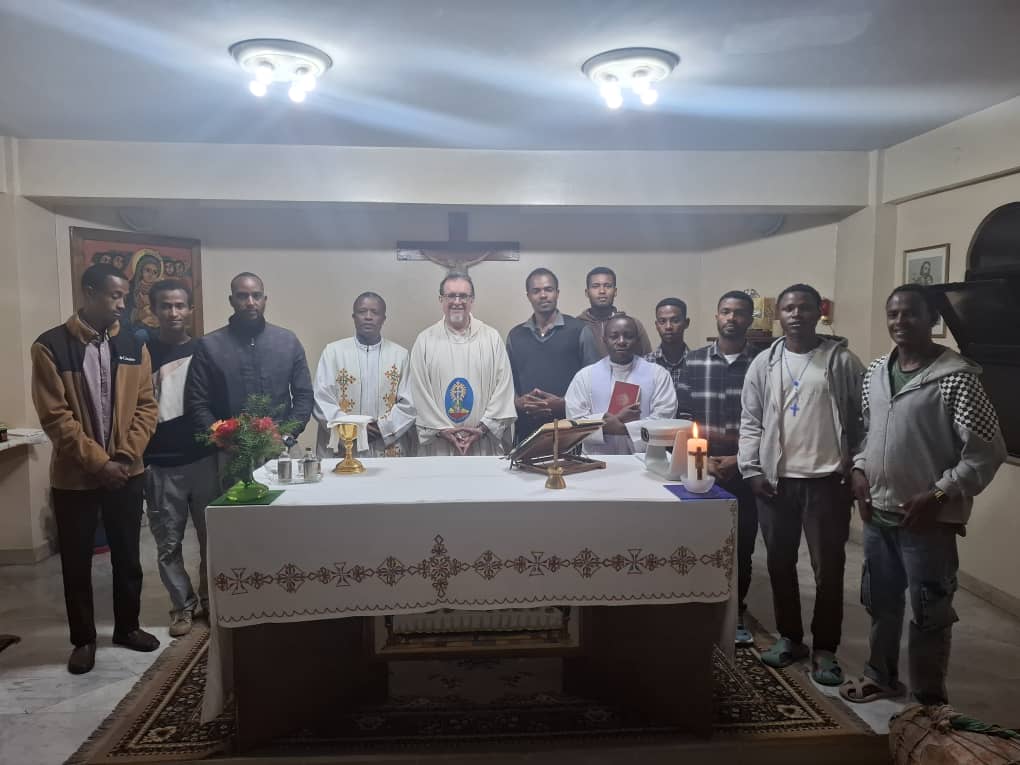
Addis Ababa, the capital of the “Land of Origins”, which the Oromo call Finfinne, became the final stage of my farewells. I treated the lung infection. I applied for the digital identity card, introduced two years ago and reserved for Ethiopian citizens, but requested – and granted – when I went to renew my driving licence. I then greeted the Comboni Sisters and the Comboni postulants. I had lunch with the Portuguese ambassador to Ethiopia and his wife. Finally, I completed my paperwork with the Government – a process lasting a day and a half – at the Immigration and Citizenship Services office, eventually receiving my exit visa from the country.
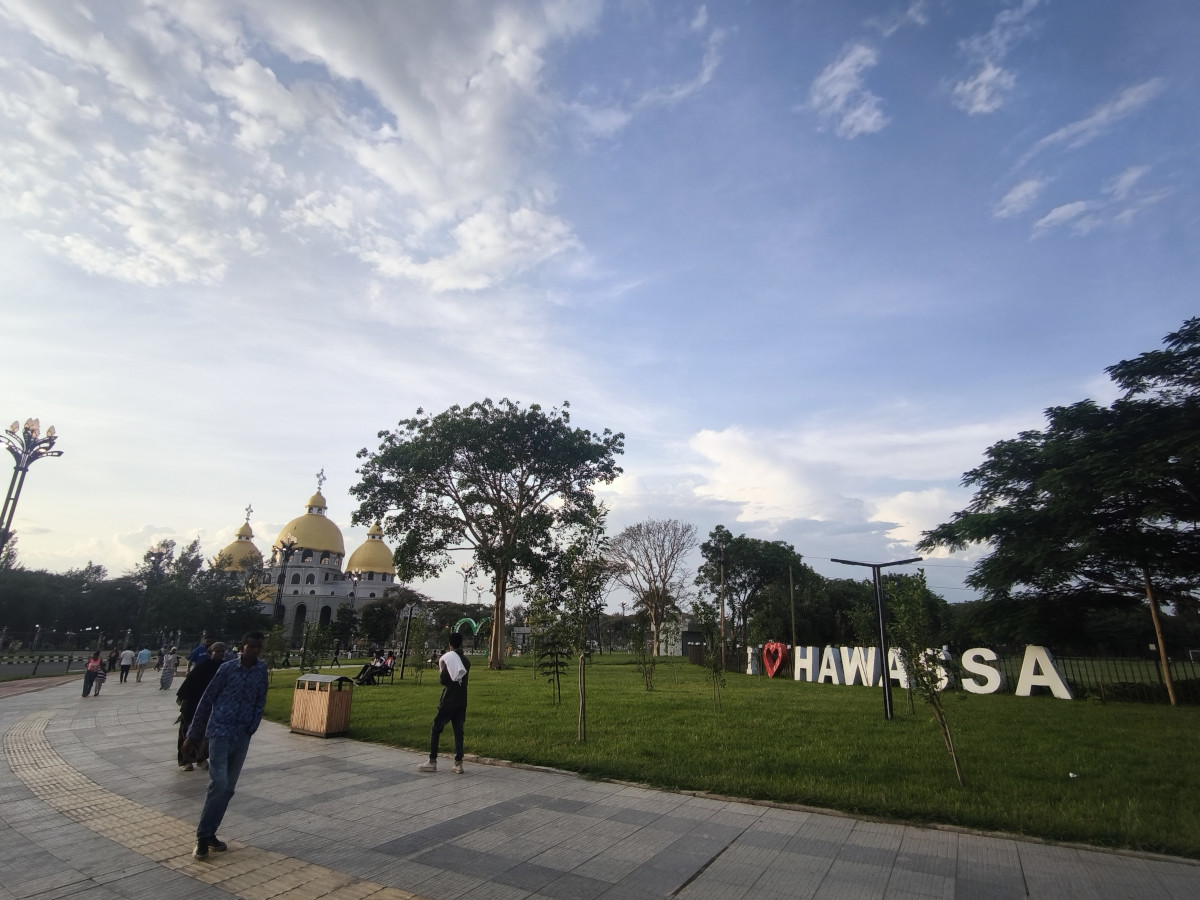
Throughout this long series of “emotional storms” – which farewells always provoke in me – I have constantly had the strong feeling that I shall return. When and how, I have no idea.
Now I am ready to welcome the new phase of my missionary life in Rome, in a ministry that God has given me, as yet another of His many affectionate surprises, despite all my fears.