
Daniel Comboni
Comboni Missionaries
Institutional area
Other links
Newsletter
Brazil: Touched by the poor and the missionary church
Wednesday, August 19, 2026
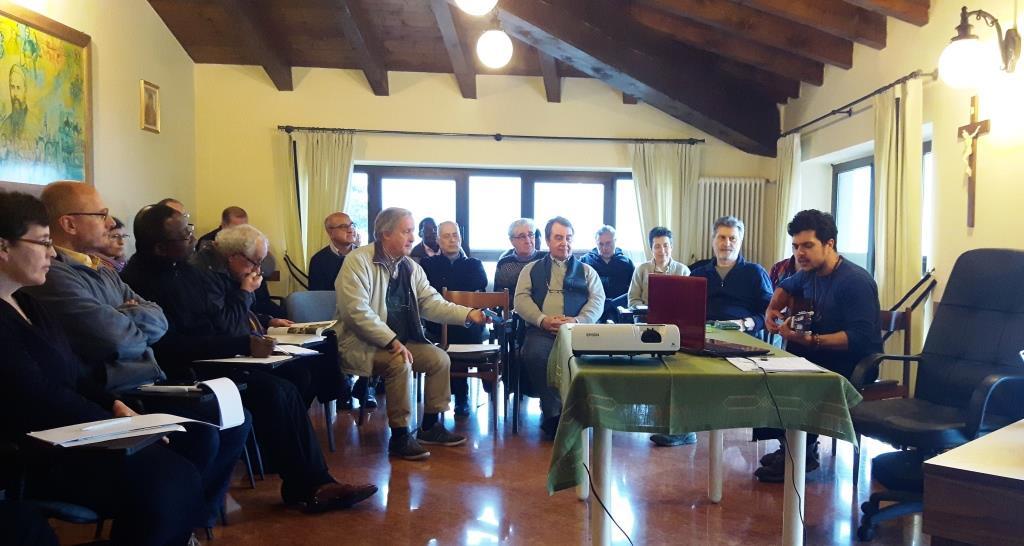
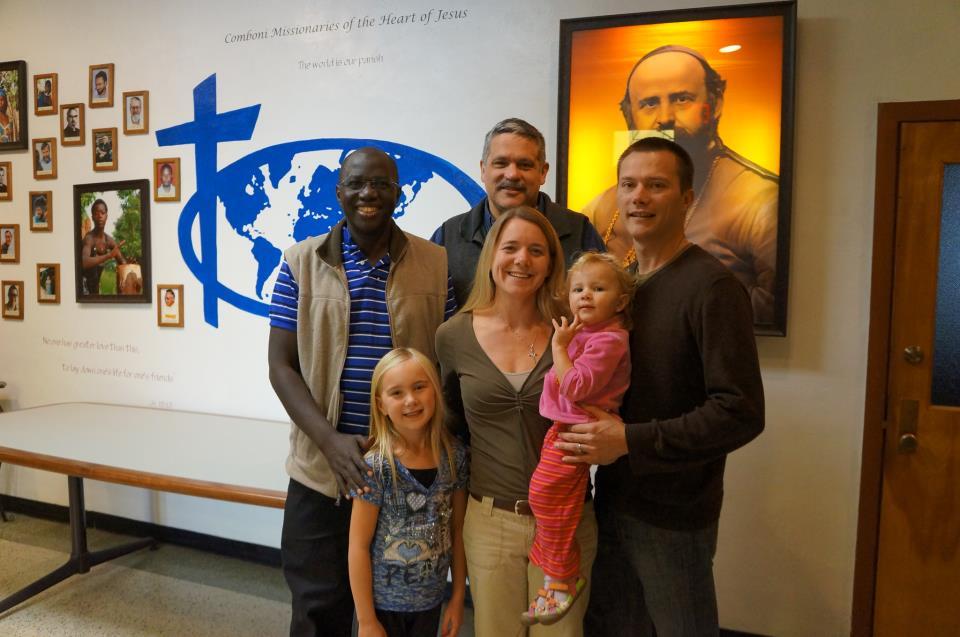
Father Giorgio Padovan, a Comboni missionary who worked for 25 years in Brazil and is now at the Curia headquarters in Rome for missionary action, Alessandra Bybel from the Comboni Missionary Friends group in Rome, and Emanuele Giulietti from the Diocesan Missionary Centre (CMD) of Rome, were in Brazil from July 28 to August 12. They visited Santa Rita and Fortaleza to prepare for the three-week missionary experience for 15 young people from the youth and university pastoral care of Rome for the summer of 2027.
We returned to Italy from Brazil just a few days ago. It was a journey of discovery, exploration, and getting to know the Northeast reality that will host a group of young people who, from the Diocese of Rome, will depart next summer for a missionary experience lasting about three weeks.
First Santa Rita, a municipality near João Pessoa, then Fortaleza: two very different contexts, yet united by the same passion with which the Comboni Missionaries work daily, sharing the steps and struggles, the battles and joys of the communities entrusted to them.
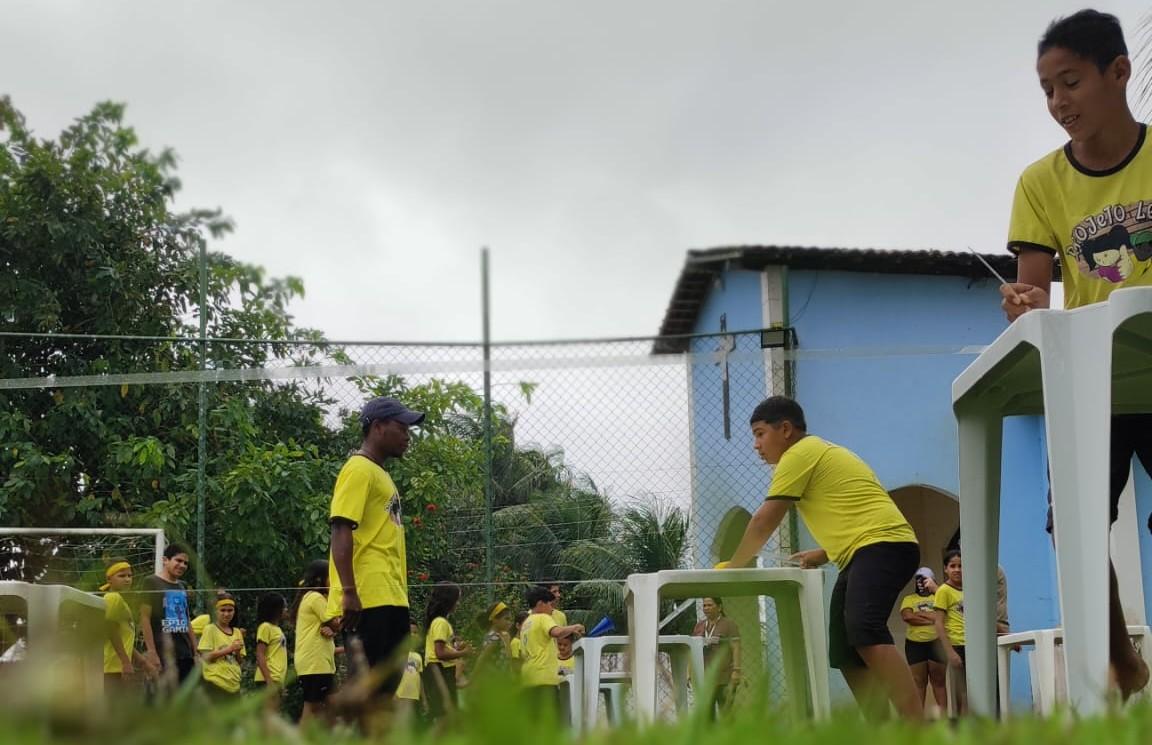
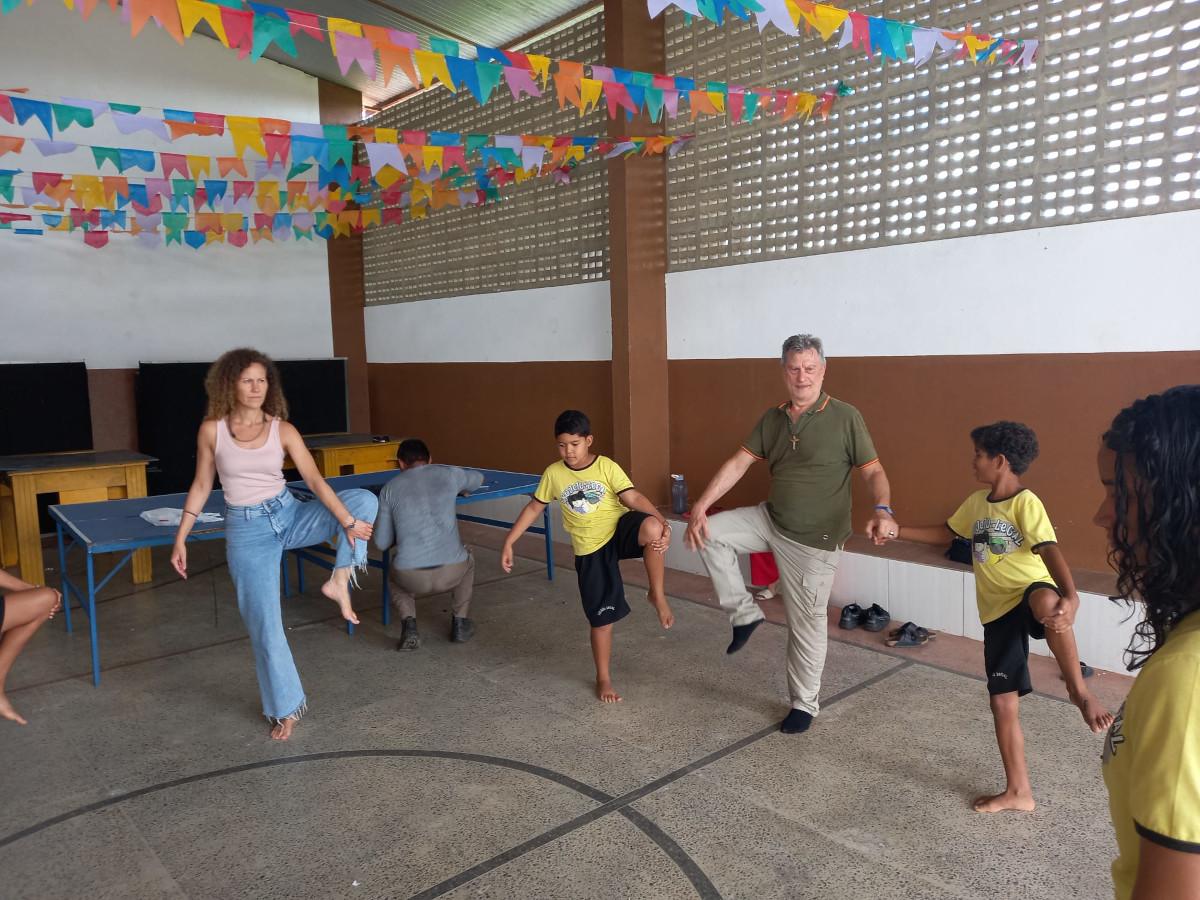
We spent precious days at the center of the “Legal” Project, an initiative born in the Marcos Moura neighbourhood in Santa Rita that has become a beacon for children and young people, a “nursery of hope” to combat school dropout in a neighbourhood where drugs and drug trafficking leave no alternative to a future of factions, prison, and premature death.
“Legal” in Brazilian Portuguese literally means “legal” (respect for rules and the rule of law), but in youth slang it primarily means “cool, awesome, great.”
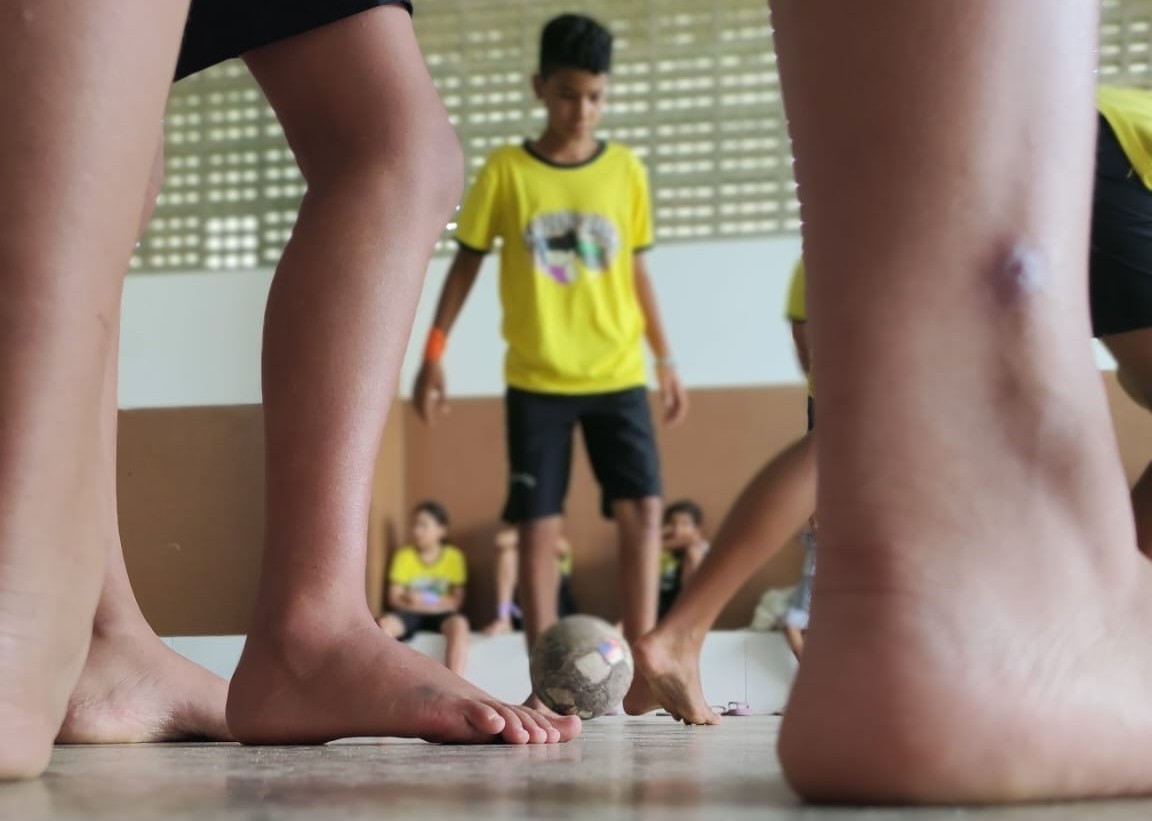
The goal is to shift the youths’ mindset: to make them understand that standing on the side of justice and legality is “cooler” than imitating drug traffickers. The historic slogan sung by the kids has become: “I am 100 percent Legal.”
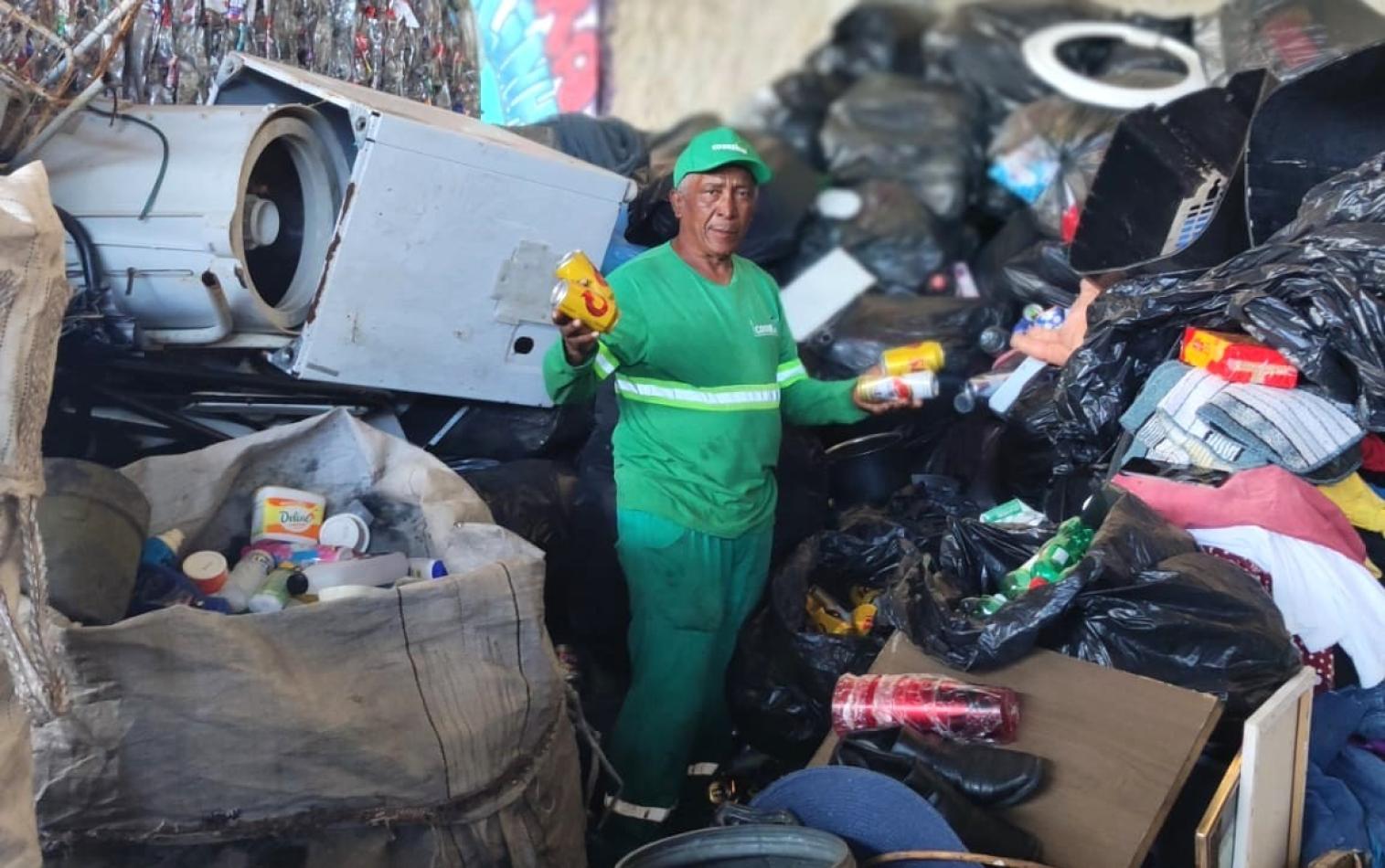
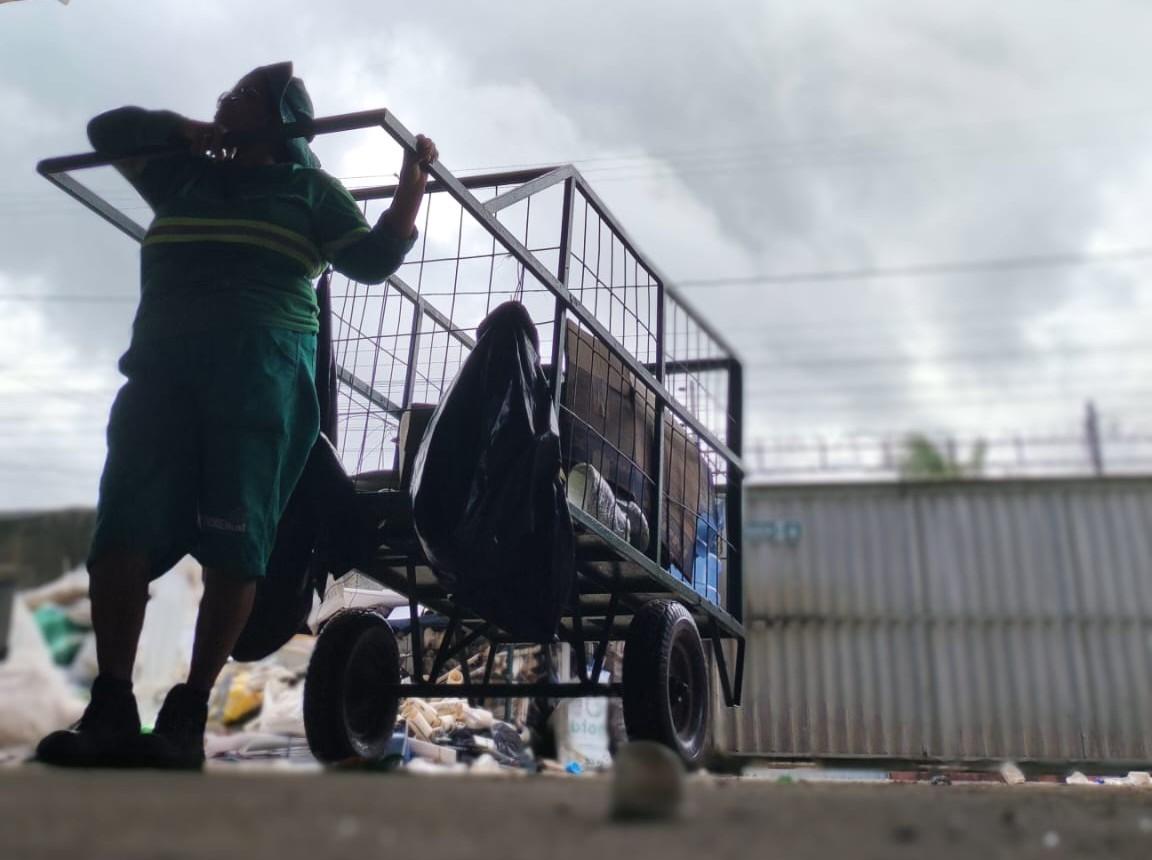
Amidst the precariousness of these streets, the Oscar Romero Human Rights Centre (CEDHOR) and the “catadores” cooperative were born; the waste pickers who have become a symbol of struggle and the defence of human dignity and the right to work.
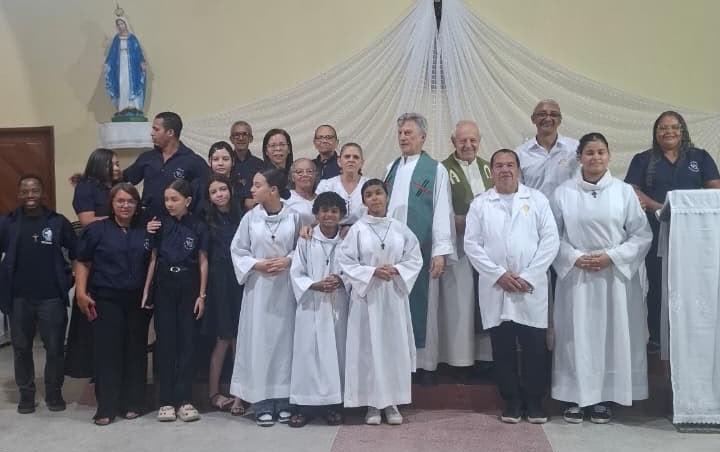
Participating in Holy Mass at the parish of St. Rita, in the style of a community of communities, and witnessing the pastoral work on the peripheries and among the poor, enriched and inspired us. Their liturgy is made of songs, participation, sharing, and welcome. It is a celebration that unites faith and life, the Word of God and reality. Being part of the community helps people grow in fraternity and dignity, empowering them to feel like promoters of life and peace.
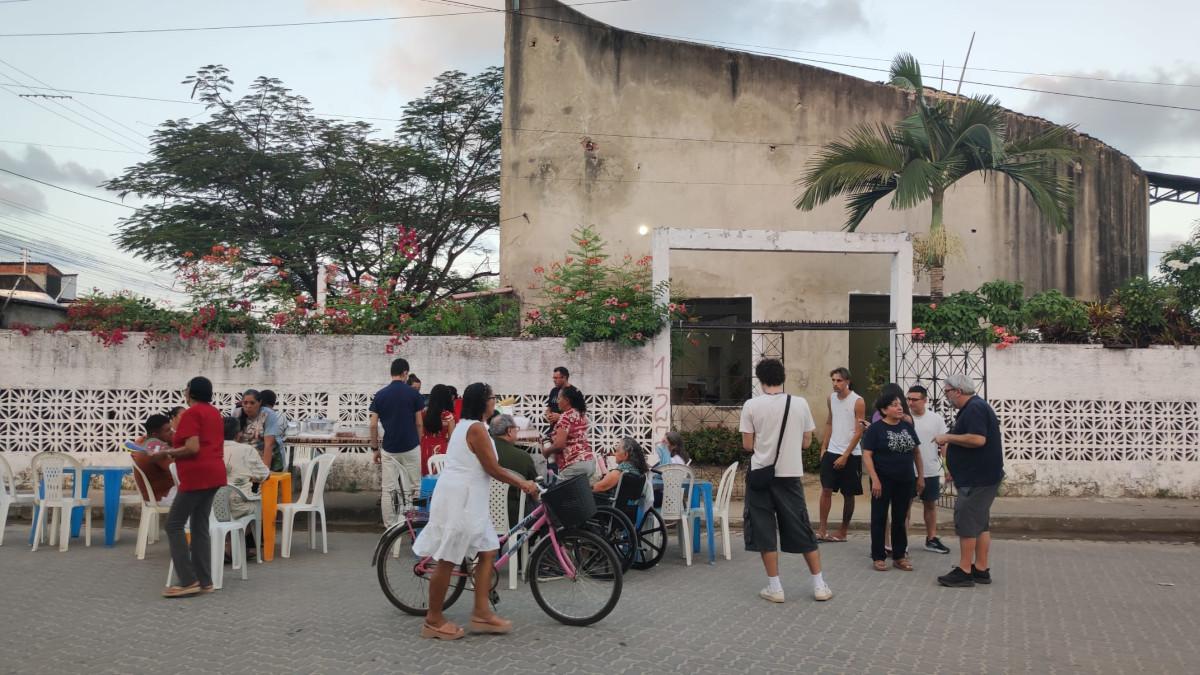
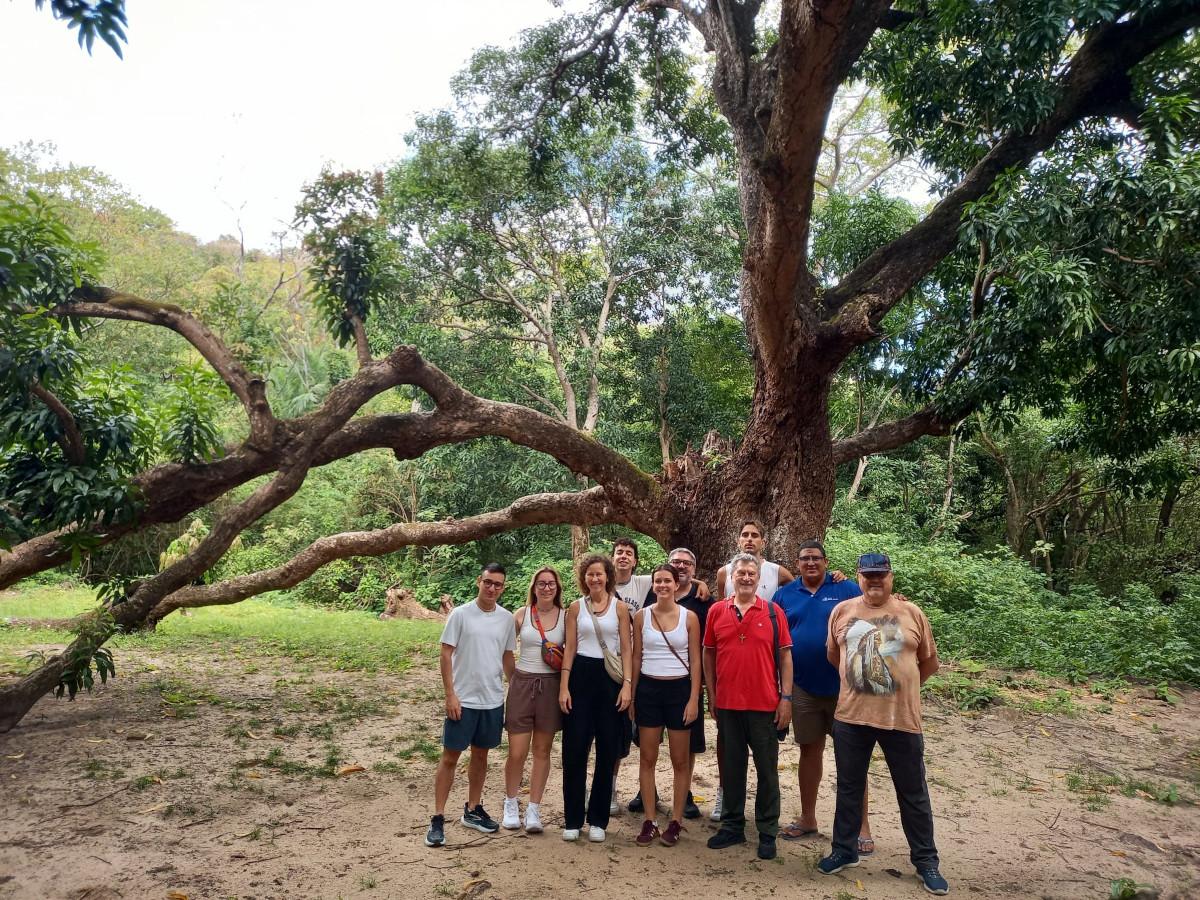
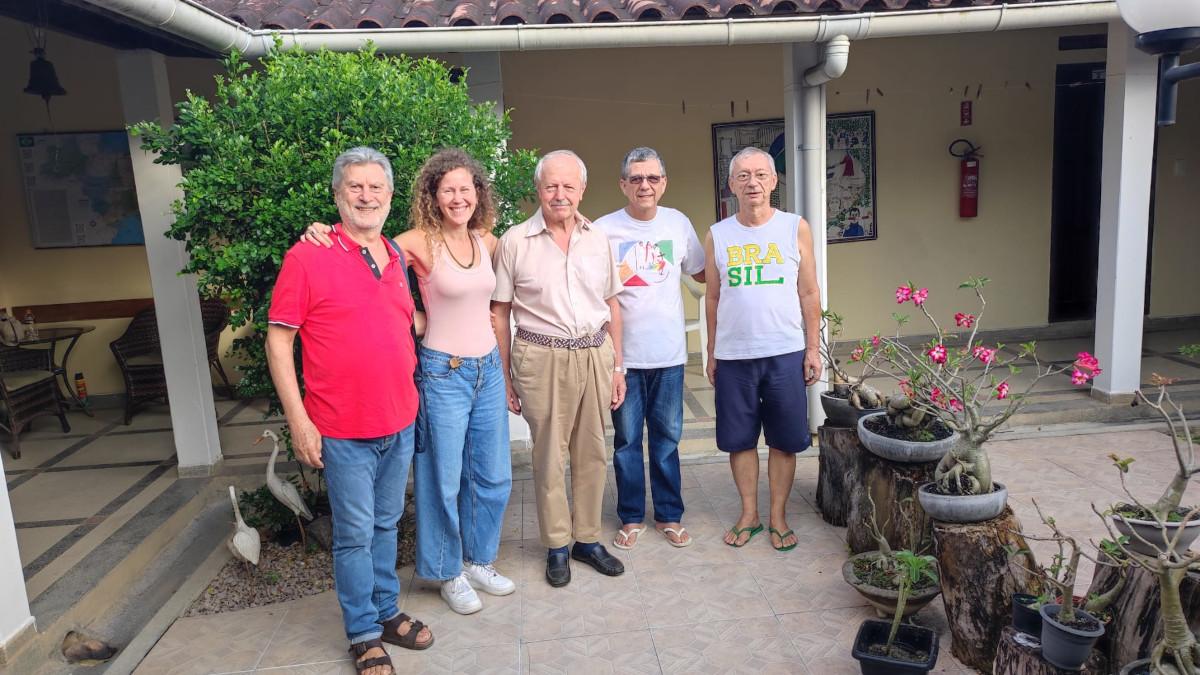
After an eleven-hour bus journey, we reached Fortaleza, where we spent the last days of our trip getting to know the Mental Health Movement (MSM in Portuguese).
Born in the favelas of the great city of Ceará, the MSM develops a multitude of services aimed at caring for the person through a socio-therapeutic approach that embraces all dimensions of the individual (human, social, spiritual) and their community context.
We spent an entire day sharing time with the Pitaguary indigenous people, visiting their homes, environment, and daily life. They took care of us and shared their journey with simplicity and freedom, with attention and tenderness.
These were intense days of encounter, listening, and deep sharing through poorly spoken words and small gestures capable of overcoming every language barrier.
We did not go to bring anything or to do something, but to immerse ourselves in that reality, to meet people, to embrace and smile, to be welcomed and hosted. It did us good; it touched our minds, our hearts, and our way of seeing and feeling. It was a hands-on experience of a new way of being Church, of reading the Word of God, of praying, and of living fraternity and solidarity.
And this was made possible thanks to the great availability and dedication of the Comboni fathers and brothers, the lay people and friends of the projects, and the simple people of the communities. To them, our thanks and gratitude.
The return after this experience happens out of sync: daily life presses upon us upon arrival, while the mind continues to inhabit the spaces that welcomed us… with “saudade and carinho”, with nostalgia and affection.
Alessandra, Emanuele, and Fr. Giorgio