
Daniel Comboni
Comboni Missionaries
Institutional area
Other links
Newsletter
Ethiopia: Gilgel Beles celebrates its patronal feast between faith and culture
Wednesday, October 14, 2026
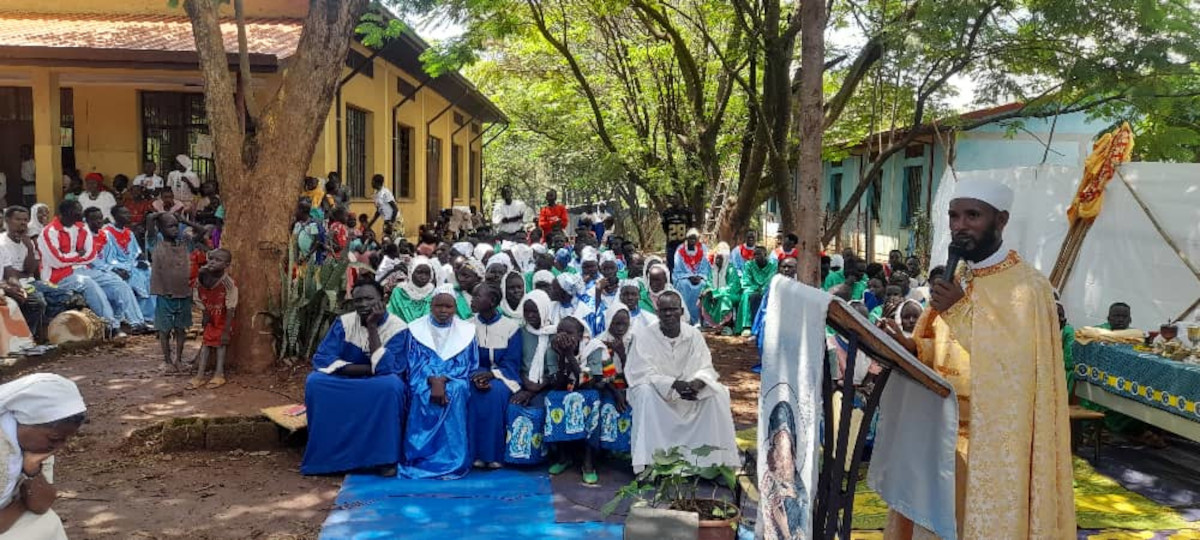
On Sunday, October 11, 2026, the Catholic community of Gilgel Beles, in Nor-west Ethiopia, gathered in profound spiritual joy to celebrate the annual patronal feast of Saint Mary Mother of the Church Parish.
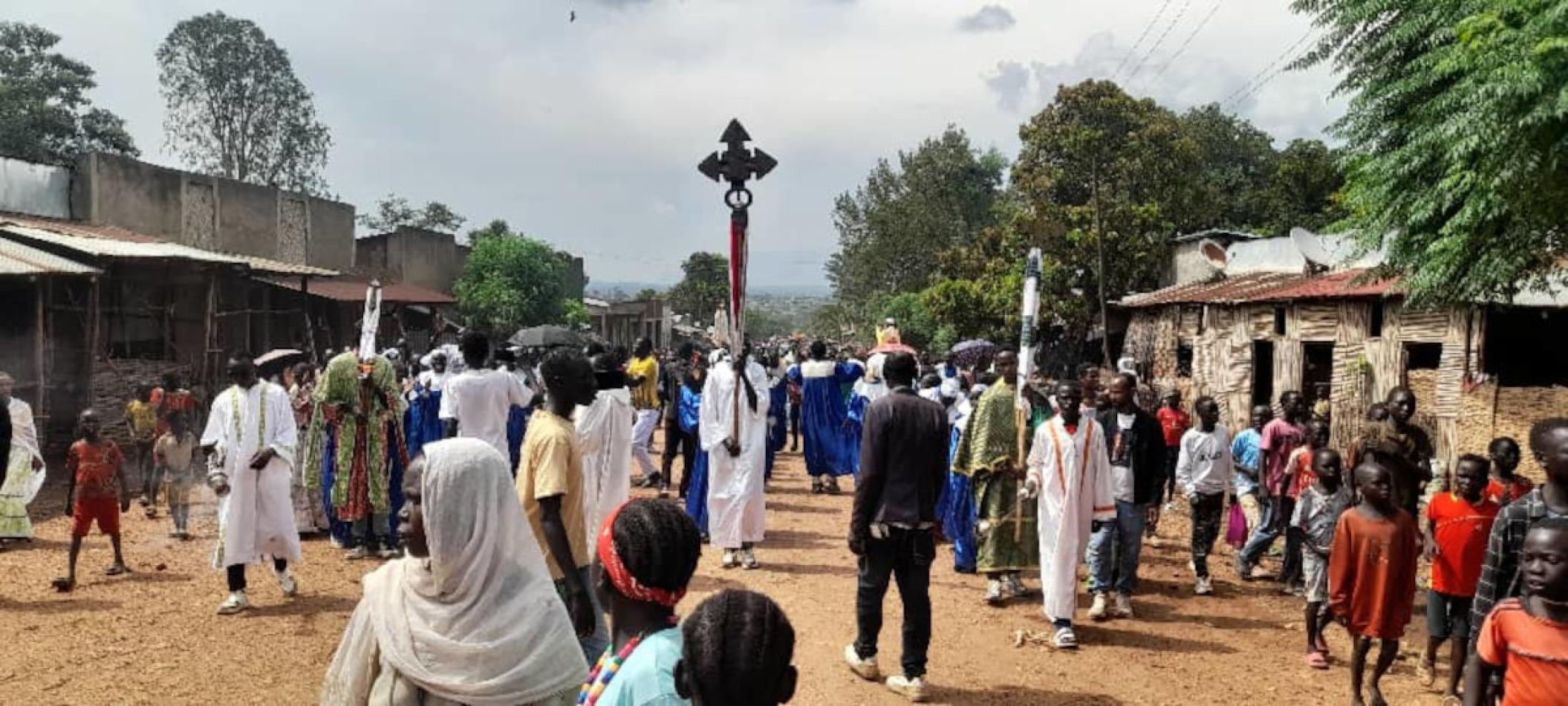
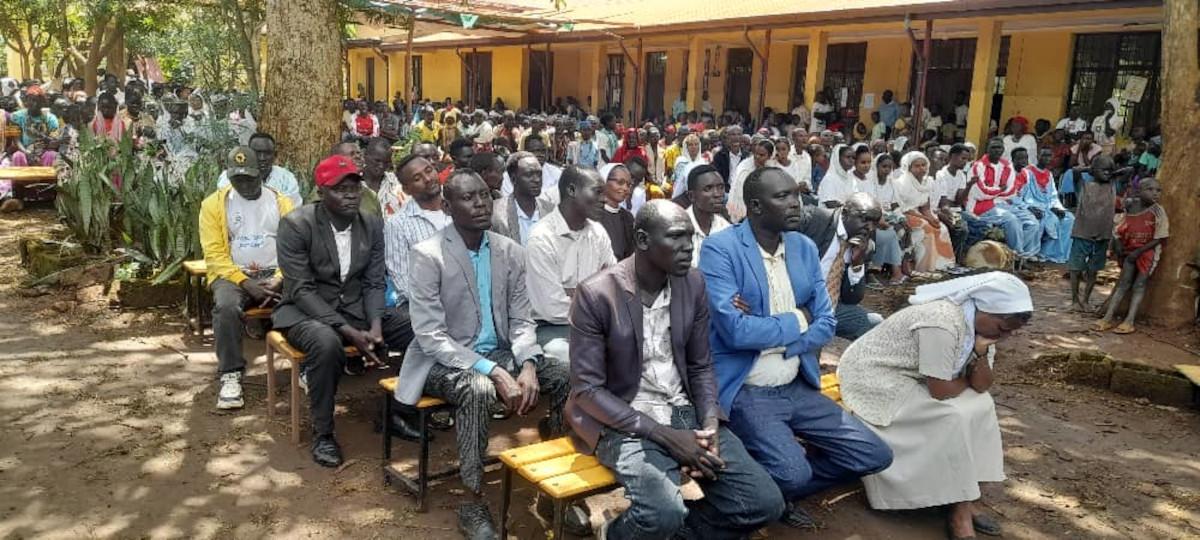
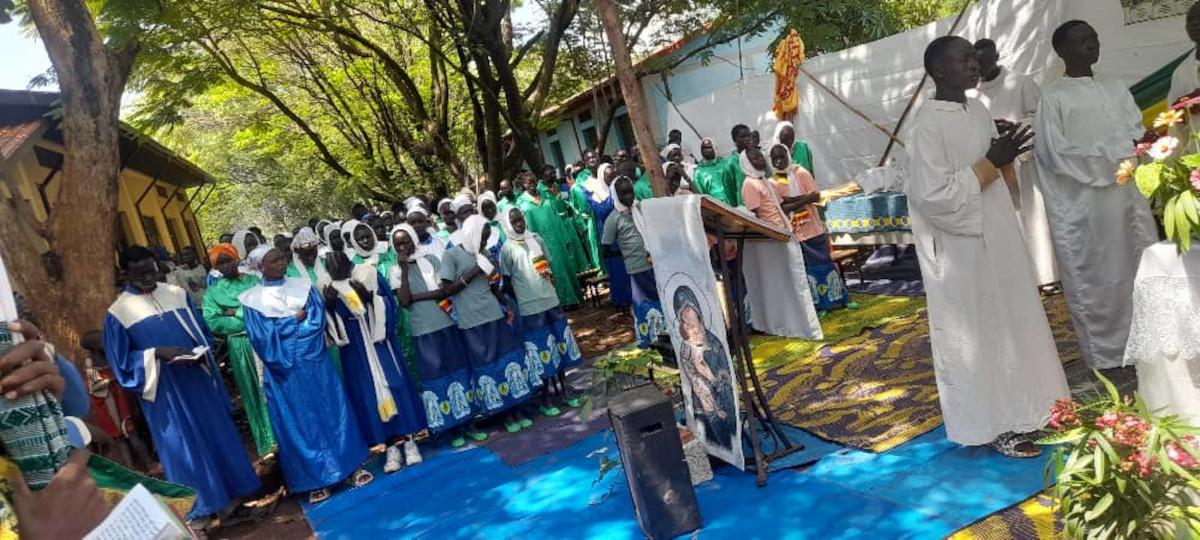
This major liturgical milestone brought together thousands of faithful, drawing vibrant crowds from more than twenty villages and outstations that comprise this big parish served by the Comboni Missionaries.
For a parish scattered across vast distances, the annual feast represents far more than a date on the calendar; it is a vital homecoming, an occasion to renew baptismal promises, and a visible manifestation of the growing and dynamic nature of the local Church within the Eparchy of Bahir Dar-Dessie.
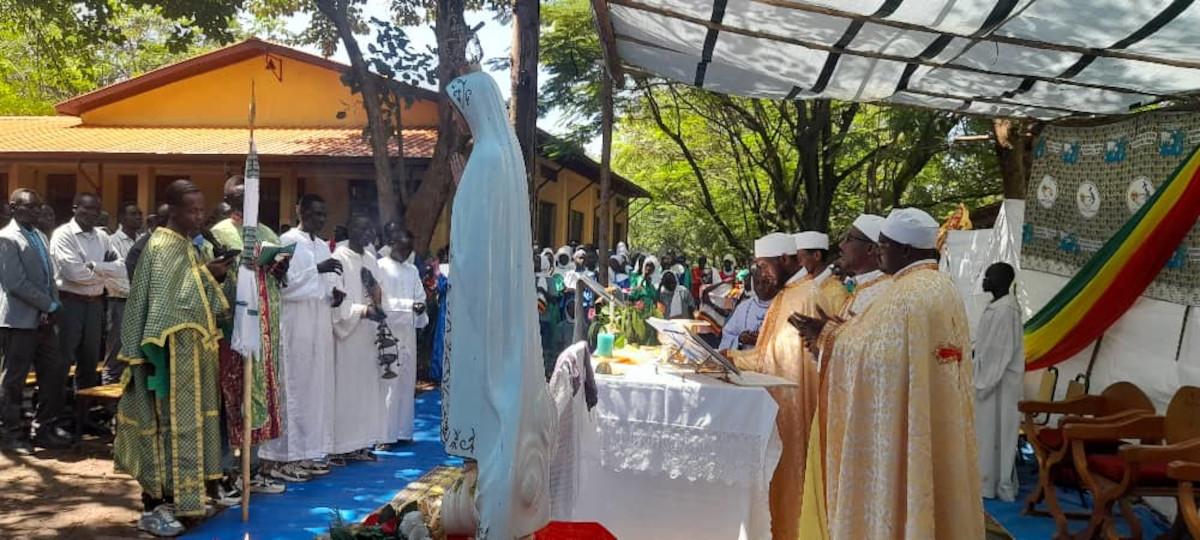
The solemn Eucharistic celebration was presided over by the parish priest, Fr. Abreham Woldetinsae, whose pastoral leadership – that he shares with his two confreres Fr André Mbala and Fr Yuda Ssabayinda – guided the community throughout this grace-filled day.
Among the concelebrants were the Comboni missionaries serving Gilgel Beles, joined by their confreres from Gublack parish. Priests from the neighboring Pawe parish also travelled to share in the Eucharistic celebration.
The religious communities of the region were equally well represented, underscoring the collaborative pastoral work flourishing in this part of Ethiopia. The Comboni Missionary Sisters journeyed from Mandura, while the Franciscan sisters, who live and labour within Gilgel Beles itself, offered their prayers and presence.
Reflecting the high esteem in which the Catholic Church is held in the region, the celebration was also attended by civil and military authorities. Their presence provided an acknowledgement of the parish’s integral role in fostering social cohesion, peace, and integral human development within the local society.
The Holy Mass started at 9:30 AM in an atmosphere of intense prayer, anchored by a rich and deep Liturgy of the Word. The first reading unveiled the heavenly mystery of the “woman clothed with the sun,” triumphing over evil, while the second reading reminded the assembly of the ultimate gift of adoption: that God sent His Son, “born of a woman,” so that we might receive our status as his children. The gospel brought the pilgrims to the foot of the Cross where Jesus entrusts humanity to His Mother: “Woman, behold your son.”
In his moving homily, Fr. Abreham made a beautiful connection of the readings, insisting that all the faithful, as Christians, must always choose what is good and actively protect life, following the maternal protection of Mary.
He challenged the congregation to disconnect themselves entirely from everything that brings death, division, or destruction. By doing so, he emphasized, they can open themselves to the grace received from Christ and truly become the light of the world, living in authentic communion with everyone around them.
Fr Abreham concluded his message with a fervent prayer that, through the maternal intercession of Saint Mary, Mother of the Church, the entire community might live in lasting peace.
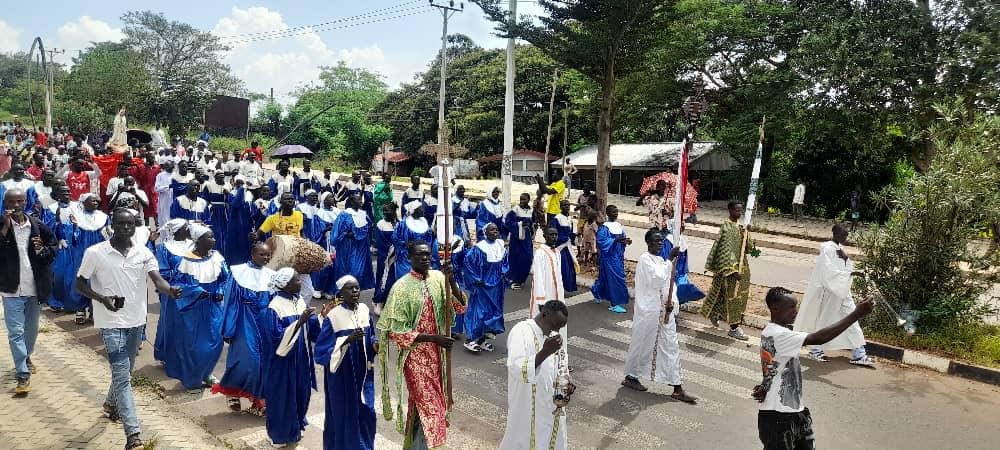
The Holy Liturgy concluded at 1:00 PM, but the spiritual journey of the day continued immediately with a solemn procession. The faithful followed the Blessed Sacrament through the parish grounds, and went across Gilgel Beles, accompanied by the beautifully adorned statue of the Blessed Virgin Mary and that of Saint Daniel Comboni—whose own feast day had been celebrated with great devotion just the day before. This procession served as a public witness of faith, drawing the hearts of the pilgrims closer to their missionary identity.
At the conclusion of the events, the parish priest, the local superior of Gilgel Beles community and the deputy of the parish committee expressed words of profound gratitude to all who made the day possible. Special thanks were extended to the visiting clergy and religious sisters for their solidarity, and to the civil and military dignitaries for honouring the event.
Most importantly, Fr Abreham commended the hundreds faithful from the central parish and the different outstations whose voluntary sacrifices, weeks of preparation, and logistical coordination ensured the beautiful execution of the liturgical feast. The parish priest voiced a collective prayer that this patronal feast would yield abundant spiritual fruits, rejuvenating the faith of the parish and strengthening their commitment to be missionary disciples.
The celebration transitioned into a festive community gathering. A shared agape meal was served, symbolizing the breaking of bread and the unity of the human family across diverse backgrounds.
The day reached its cultural move as the faithful broke into traditional dances according to the rich Gumuz heritage. The rhythmic drumming and synchronized sound of traditional flutes filled the parish grounds with contagious energy. This vibrant display underscored a beautiful reality of the Catholic Church: that the Gospel does not destroy local cultures, but rather purifies, elevates, and finds its finest expression through them.
Demonstrating the immense scale of the parish and the deep devotion of its people, many among the faithful who had travelled from the most remote outstations remained on the parish premises long after the final blessing.
Because their home villages lie across vast, challenging distances, returning the same day was impossible. The parish compound became a sanctuary of joyful solidarity, where pilgrims spent the night together, continuing the celebration through traditional Gumuz dances and shared fellowship.
It was only the following morning that they began their long journeys home. As they finally departed Gilgel Beles, these exhausted yet spiritually filled pilgrims carried with them a renewed vigour, a strengthened sense of community, and a deeper love for the Mother of the Church.
Fr André Mbala, MCCJ