Daniel Comboni
Comboni Missionaries
Institutional area
Other links
Newsletter
Chad under pressure – Sudanese refugees, conflicts between farmers and herders, and climate change

Thursday, November 5, 2026
Caught between the influx of refugees fleeing the conflict in Sudan, violent clashes between farmers and herders, and the growing pressures of climate change, Chad is facing an increasingly serious humanitarian crisis. The situation is further aggravated by widespread poverty: 44.8 percent of the population lives below the national poverty line, according to the latest official data provided by the World Bank.
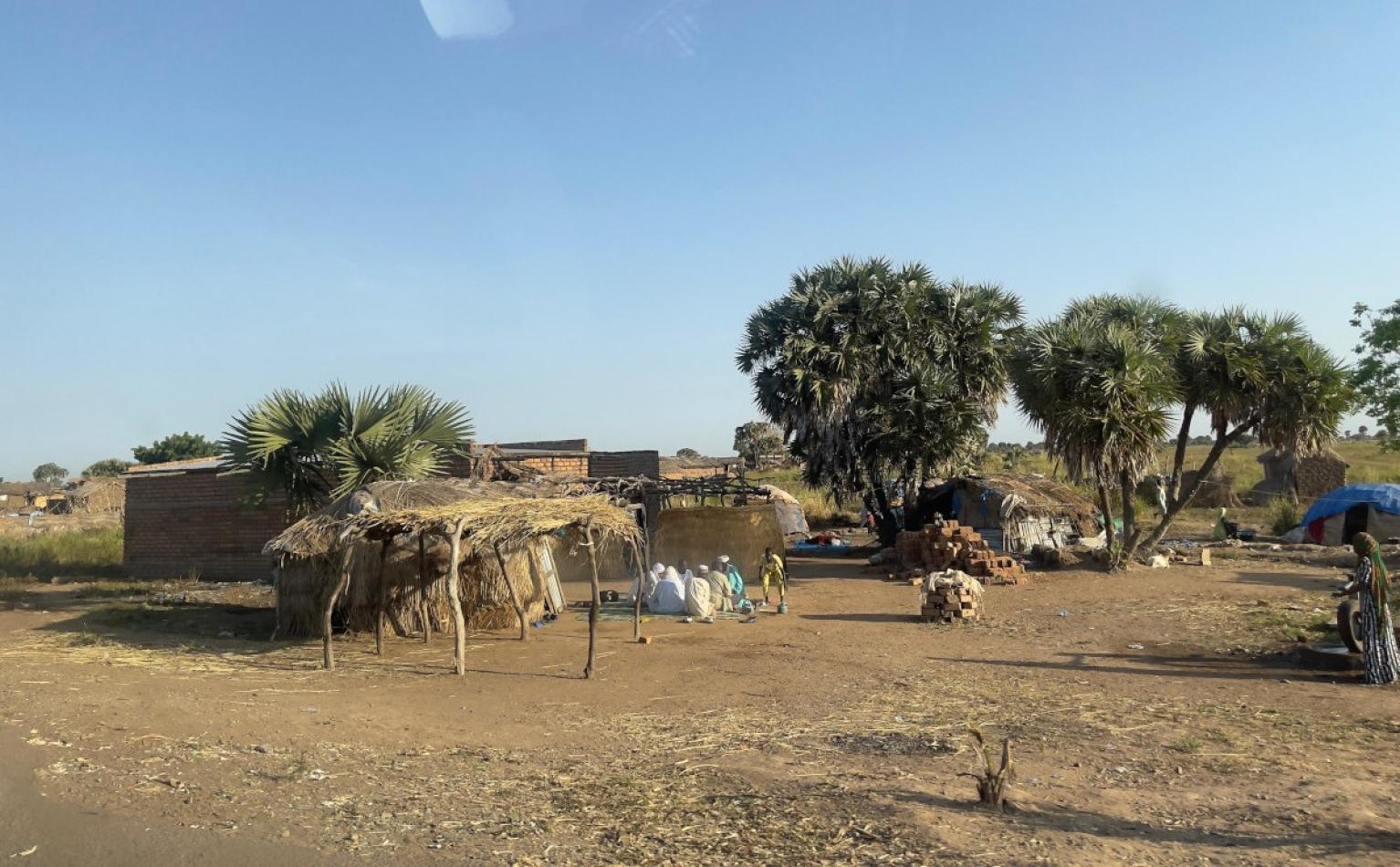
Chad is one of the countries in the world most vulnerable and exposed to climate change. Its territory, which is largely desert or semi-arid, is particularly susceptible to desertification and land degradation. This is the country that is hosting more than one million Sudanese refugees while also having to contend with persistent conflicts between farmers and herders.
Sudanese Refugees
According to the United Nations High Commissioner for Refugees (UNHCR), since the outbreak of the war in Sudan on 15 April 2023, between the Sudanese Armed Forces (SAF) and the Rapid Support Forces (RSF), more than 900,000 people have fled to Chad. The country is currently hosting approximately 1.3 million Sudanese refugees, including those who were already on its territory before the conflict began.
The war has caused thousands of deaths and triggered a humanitarian catastrophe marked by hunger, violence and forced displacement. Estimates of the death toll vary considerably (some put it at 200,000), and at present it is not possible to establish a definitive figure. According to United Nations data, approximately 11.3 million people have been forced to leave their homes because of the conflict: more than 6.4 million have been displaced within Sudan, while over 3.5 million have sought refuge in neighbouring countries.
Chad is struggling to provide shelter and assistance to this population. International funding is insufficient to meet the enormous humanitarian needs, while the conflict in Sudan continues and reports of violence and abuse are multiplying.
UNHCR and the World Food Programme (WFP) warn that the shortage of resources is jeopardising refugees' access to essential assistance, including food, water, shelter, protection and healthcare.
"Essential assistance to refugees in Chad will be further reduced in the coming months unless a funding shortfall of USD 428 million is covered: USD 289 million for UNHCR and USD 139 million for WFP," the two United Nations agencies warned.
Despite the growing pressure on already limited resources, the Chadian authorities continue to keep their borders open, and local communities continue to welcome new arrivals, including nearly 15,000 people who have arrived since the beginning of 2026.
Furthermore, more than 243,000 people remain in eastern border areas, waiting to be relocated to safer settlements inside the country because of insufficient funding. Many families sleep outdoors or in makeshift shelters, exposed to disease, insecurity and extreme weather conditions.
The WFP, which assists more than one million people in areas hosting refugees, has less than half of the resources it needs and has already been forced to cut food assistance by half for most refugees.
"Women and young children are disproportionately and immediately affected, as nutritional support services for new arrivals are under severe pressure," the agency explained.
Chad, which continues to keep its borders open, is calling on the international community for a fairer sharing of responsibility before the humanitarian situation deteriorates further.
In recent months, Chad has also experienced several drone attacks on its territory. The latest deadly incident occurred on 19 October 2026, when a drone struck the locality of Bamina, in Wadi Fira province, near the border with Sudan, killing four people and injuring 14. The Chadian government announced that an investigation would be opened to establish responsibility and ruled out the possibility that the drone belonged to the national army.
Chad, which shares an approximately 1,400-kilometre border with Sudan, regularly warns of the risk that the Sudanese civil war could spread into its territory and of violations of its sovereignty.
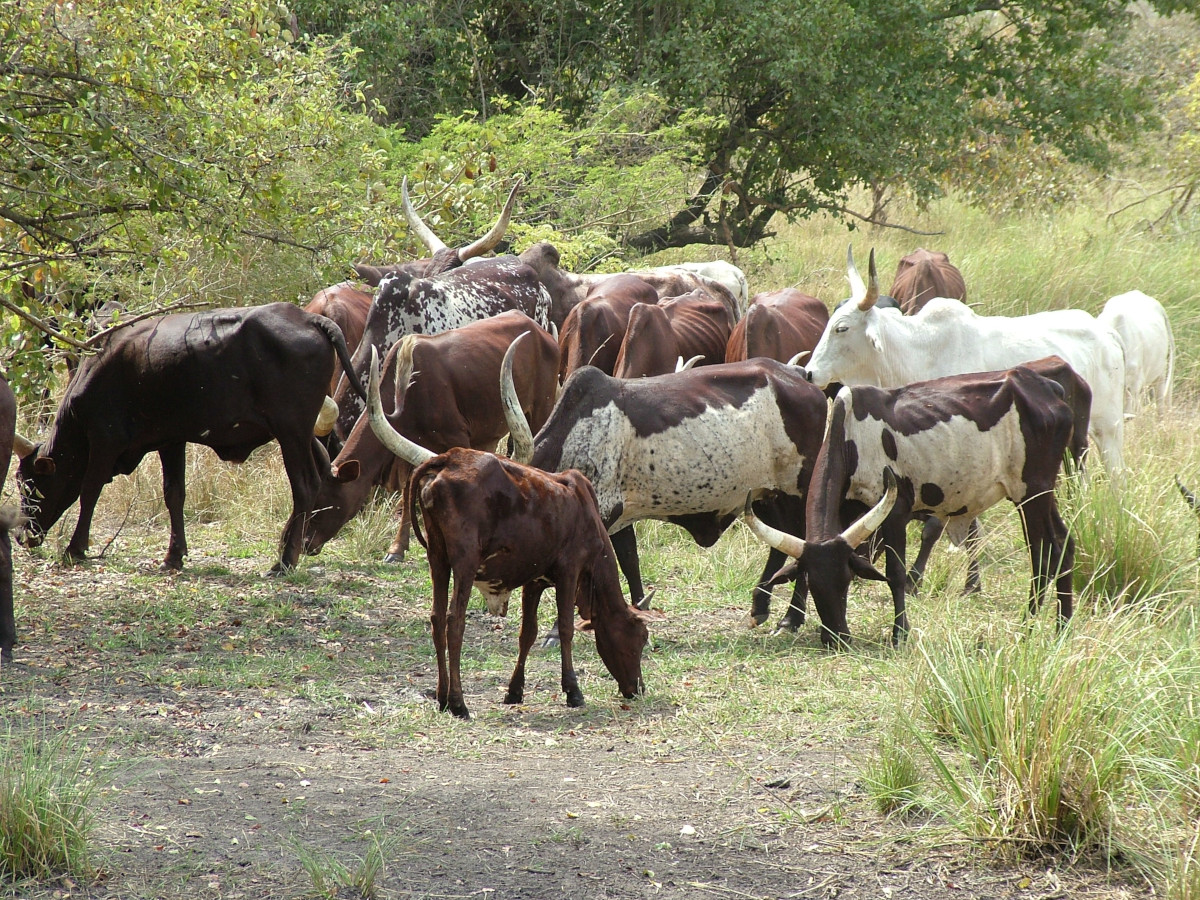
Conflicts between farmers and herders
Discussing conflicts between farmers and herders in Chad means addressing only one aspect of the tensions affecting the country. There are many others, including intercommunal conflicts and land disputes, which continue to undermine peace and social cohesion.
Although the roots of conflicts between farmers and herders in Chad date back at least to the late 1970s, it was particularly from the 1990s onwards that they became increasingly serious, eventually developing into a major and pressing issue.
These conflicts often pit farmers, who grow cereals and legumes, against herders, who move their livestock in search of pasture and water. Climate change and drought frequently force herders from the predominantly Sahelian northern regions to move southwards, bringing forward and intensifying seasonal transhumance movements. During these migrations, livestock can enter and destroy farmers' cultivated fields. Such incidents often lead to violent clashes, resulting in injuries and fatalities.
Intercommunal conflicts represent an increasingly serious threat to peaceful coexistence. Recurring tensions are reported in numerous provinces, particularly over land disputes and the use of agricultural, forest and pastoral resources.
These tensions are fuelled by a lack of mutual trust and, according to allegations made by various local stakeholders, by the economic interests of certain actors in the agribusiness sector, who are accused of attempting to take land away from small-scale farmers. This is one of the concerns also raised in connection with the draft Pastoral Code, which is currently undergoing a review process.
Such land grabbing is not merely a violation of human dignity, especially that of the poorest people; it is also a sin against God.
These tensions are compounded by an even deeper problem: bias in the resolution of intercommunal conflicts. When the ethnic, religious, regional or political affiliation of the victim or alleged perpetrator takes precedence over the search for truth, justice loses its credibility. A dispute handled in a biased manner is not genuinely resolved; it is merely postponed.
Too often, decisions appear to be influenced by favouritism, corruption and patronage, both in the handling of administrative procedures and in the administration of justice. This situation, which has persisted for far too long, makes it extremely difficult to build genuine social cohesion.
These conflicts must be addressed impartially and fairly, so that justice can be served for victims without discrimination or favouritism. As Scripture reminds us: "The Lord hears the cry of the poor" (cf. Psalm 34:7).
There are numerous causes behind these recurring conflicts. The main ones include the obstruction of transhumance corridors, the increasingly settled lifestyle of herders, growing pressure on land and, above all, weaknesses in governance.
The lack of neutrality among some local administrators – who are sometimes livestock owners themselves – delays in the intervention of law enforcement agencies, and the ineffectiveness of traditional mediation mechanisms all contribute to a widespread sense of injustice and impunity, repeatedly denounced by the communities concerned.
The consequences are severe: repeated violence and loss of human life. Clashes result in deaths, injuries and the burning of homes, as happens, for example, in the southern provinces of Chad, including Logone Oriental and Moyen-Chari. The destruction of crops, insecurity in rural areas and the loss of cultivable land further aggravate the food crisis and seriously undermine local agricultural production.
Over recent decades, this violence has also intensified as a result of climate change, the gradual reduction of grazing land in the northern regions, the movement and settlement of herders towards the south, and growing demographic pressure.
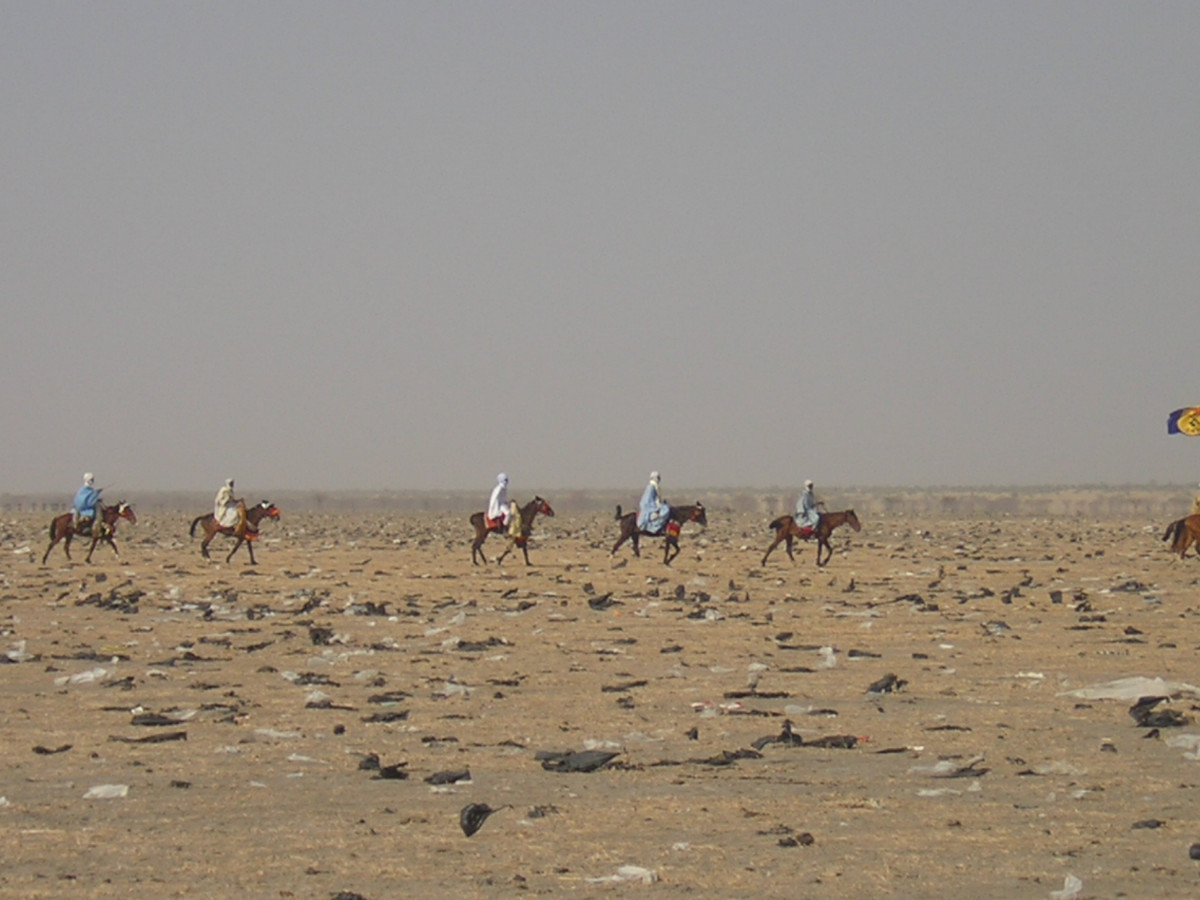
Climate Change
Chad is among the countries most vulnerable to global warming. The Sahel region, of which it is part, is warming at a rate approximately 1.5 times faster than the global average.
The country has three main climatic zones: the Saharan North, characterised by a desert climate and the presence of the Tibesti Mountains; the Sahelian Centre, a semi-arid transitional zone; and the South Sudanese, which is more fertile and crossed by the Chari and Logone rivers. Even this latter region, traditionally more favourable to agricultural activities, is affected by irregular rainfall and changes in precipitation patterns.
Lake Chad, located in the western part of the country and shared with Niger, Nigeria and Cameroon, is particularly exposed to the effects of climate change and environmental degradation. It is a vital resource for fishing, agriculture and livestock farming, as well as for the livelihoods of millions of people living in the lake basin.
Deteriorating environmental conditions, alternating periods of drought and irregular rainfall, and increasing pressure on natural resources continue to undermine livelihoods, damage crops and fuel population displacement, particularly in the country's most vulnerable regions.
The current climate crisis therefore has profound humanitarian and socioeconomic consequences for the Chadian population.
The country is exposed to periods of severe drought and irregular rainfall, which undermine agricultural production. These problems are compounded by floods, which destroy cultivated fields and homes in several provinces, further increasing the vulnerability of local communities.
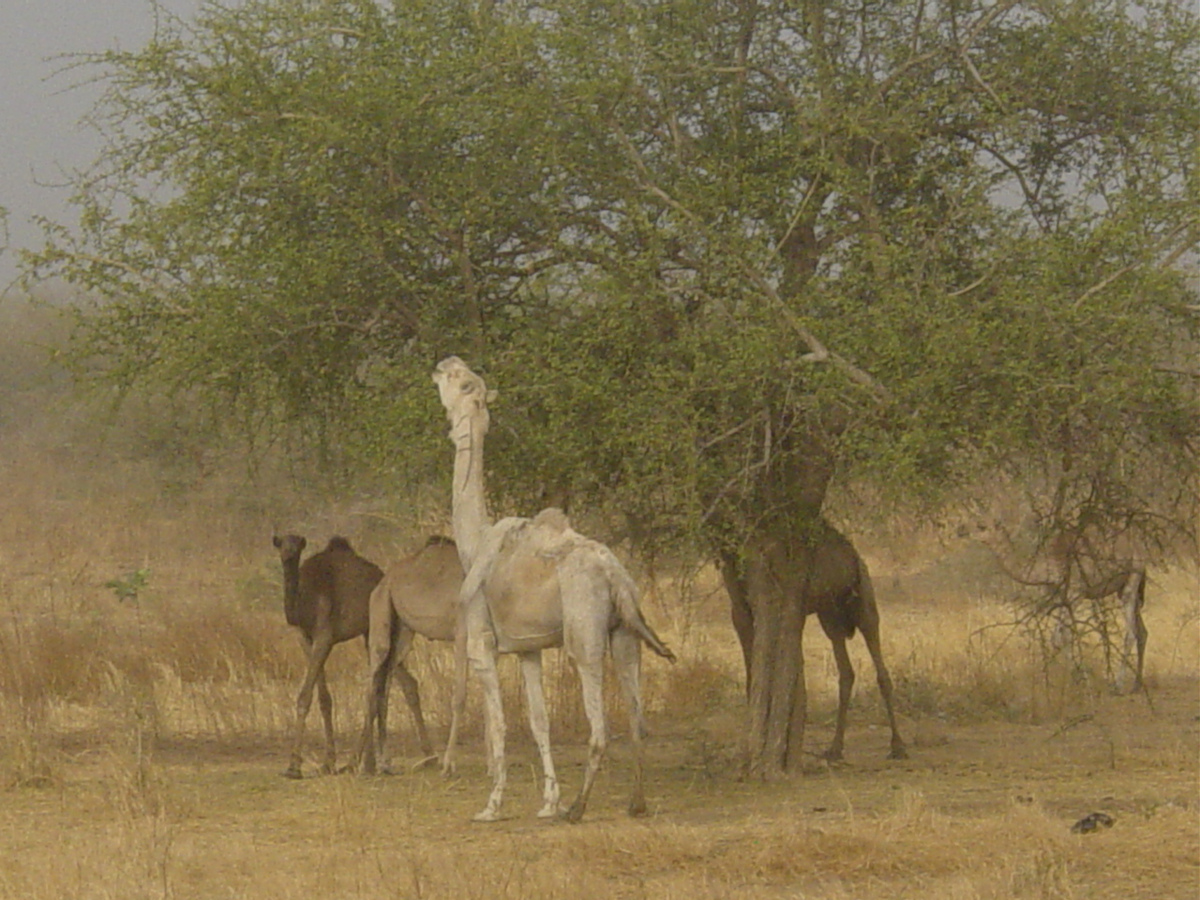
Declining agricultural yields and reduced resources for livestock farming are pushing many rural communities towards chronic food insecurity. Intercommunal conflicts further reduce the availability of cultivable land and grazing areas, forcing herders to change their livestock migration routes and thereby intensifying tensions with farmers.
Increasing difficulties in making a living are forcing some families to abandon agricultural activities and leave their villages and places of origin in search of safer living conditions and new opportunities.
Fr. Ngore Gali Célestin, MCCJ