Daniel Comboni
Comboni Missionaries
Institutional area
Other links
Newsletter
COP31 Ends Without a Climate Agreement: A Serious Setback for Global Climate Justice
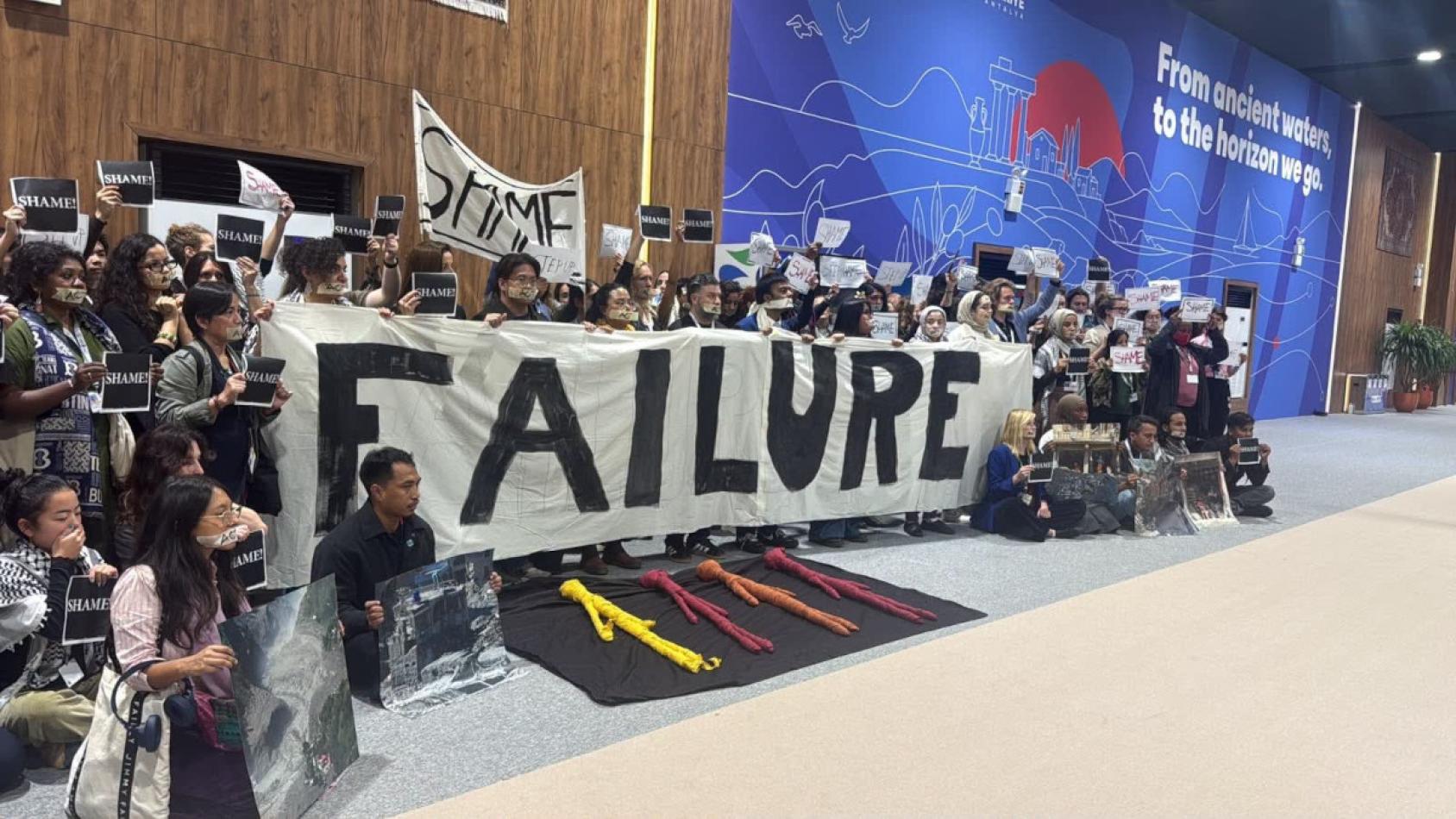
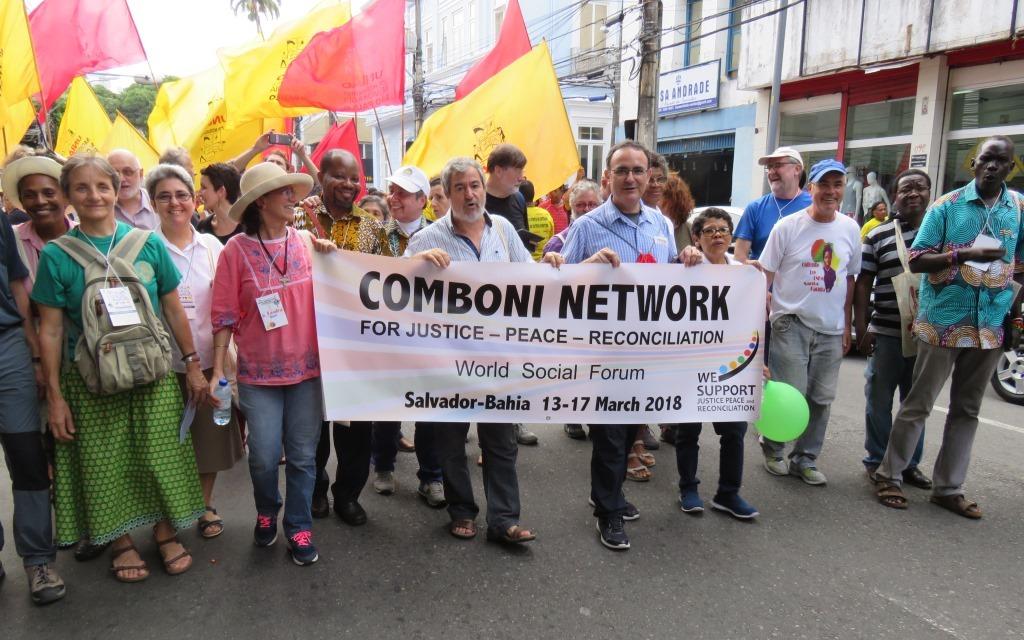
The United Nations Climate Change Conference (COP31) took place in Antalya, Turkey, from 9 to 20 November. After two weeks of negotiations and two additional days of discussions, the event, which is fundamental to climate justice, concluded on Sunday, 22 November 2026, without the adoption of a final climate agreement.
The failure to reach consensus, particularly on transitioning away from fossil fuels, represents a serious setback for global climate action. UN Secretary-General António Guterres expressed deep disappointment, warning that the climate crisis cannot wait for governments to overcome their political differences.
Major Developments and Outcomes of COP31
COP31 Ends Without a Final Climate Agreement
Despite intense negotiations, nearly 200 participating countries failed to agree on the proposed Antalya Accord.
The main disagreement concerned the absence of clear commitments to transition away from coal, oil, and gas.
COP31 President Murat Kurum acknowledged that consensus had not been reached and confirmed that the proposed decisions had not been adopted.
This outcome raises serious concerns about the ability of international climate negotiations to respond effectively to the growing climate emergency.
Fossil Fuels Become the Main Point of Disagreement
One of the major expectations of COP31 was a clear roadmap for implementing the commitment made at COP28 in Dubai to transition away from fossil fuels.
However, the final draft did not explicitly mention fossil fuels or the need to move away from them.
The European Union, Panama, and the Marshall Islands strongly opposed the proposed agreement, arguing that it weakened previous commitments and failed to protect vulnerable countries.
Other countries defended the inclusion of technologies such as carbon capture and storage as part of the global response to climate change.
The disagreement exposed deep divisions between countries seeking faster reductions in fossil fuel dependence and those whose economies remain heavily dependent on fossil fuels.
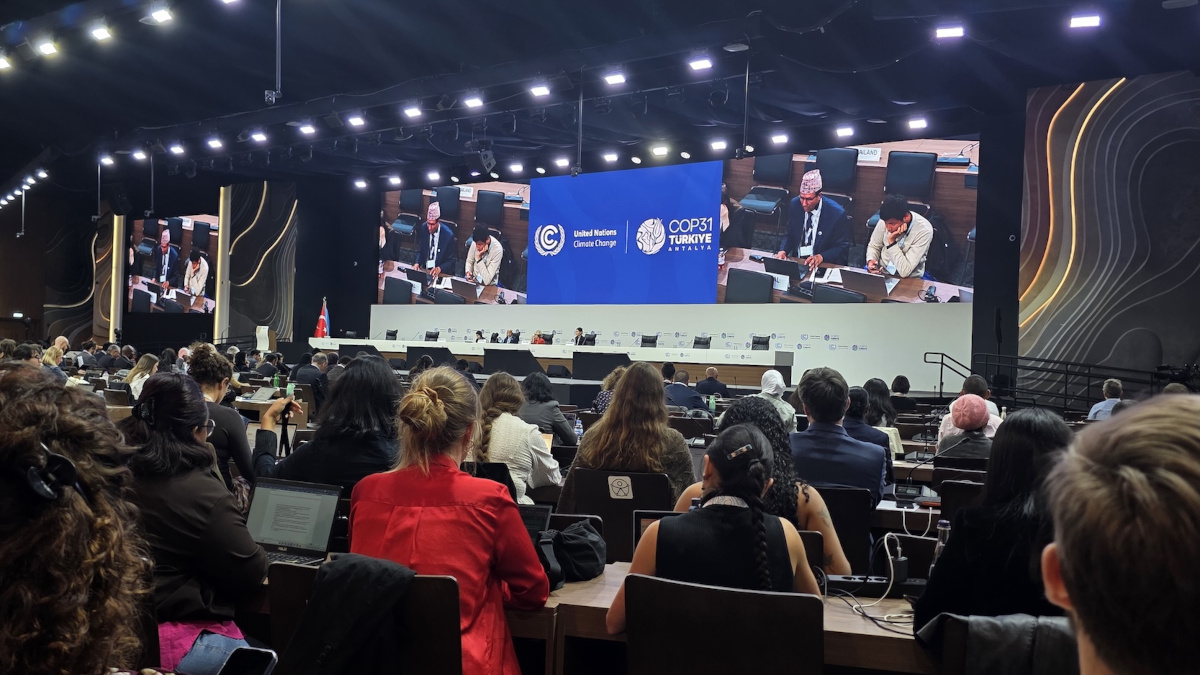
Climate Finance Remains Inadequate
Developing countries had expected stronger commitments on climate finance, particularly for adaptation and loss and damage.
However, the proposed agreement failed to provide the clarity and financial support they were seeking.
UN Secretary-General António Guterres called for greater financial assistance to vulnerable countries, including increased adaptation funding and stronger responsibility from major polluters.
The lack of progress is particularly disappointing for communities already suffering from floods, droughts, rising sea levels, and other climate disasters.
Just Transition Receives Insufficient Attention
Another major expectation was the establishment of a meaningful mechanism to ensure that the transition to clean energy protects workers, Indigenous Peoples, and vulnerable communities.
However, the final draft offered little concrete support for just transition.
The African Group expressed concern that the issue received only a brief and general reference.
Without adequate financing and practical implementation measures, a just transition risks remaining a political promise rather than becoming a reality for communities.
Countries Remain Divided Over the Way Forward
The closing discussions revealed different positions among countries.
The European Union, Panama, and the Marshall Islands rejected the proposed agreement because it lacked sufficient ambition.
Pakistan and the African Group, while recognizing the weaknesses of the text, encouraged continued cooperation and efforts to reach consensus.
Saudi Arabia defended the role of carbon capture and storage technologies in addressing climate change.
These differences demonstrate the continuing challenge of balancing national economic interests with the urgent need for global climate action.
UN Secretary-General Calls for Urgent Action
Reacting to the collapse of COP31, António Guterres reminded world leaders that scientific evidence remains clear, regardless of political disagreements.
He emphasized that fossil fuels remain the primary cause of global warming and that governments must accelerate the transition to clean energy.
He also called for stronger emissions reductions, increased adaptation finance, methane reduction, forest restoration, and greater support for developing countries.
His message was clear: the failure of negotiations must not become an excuse for delaying climate action.
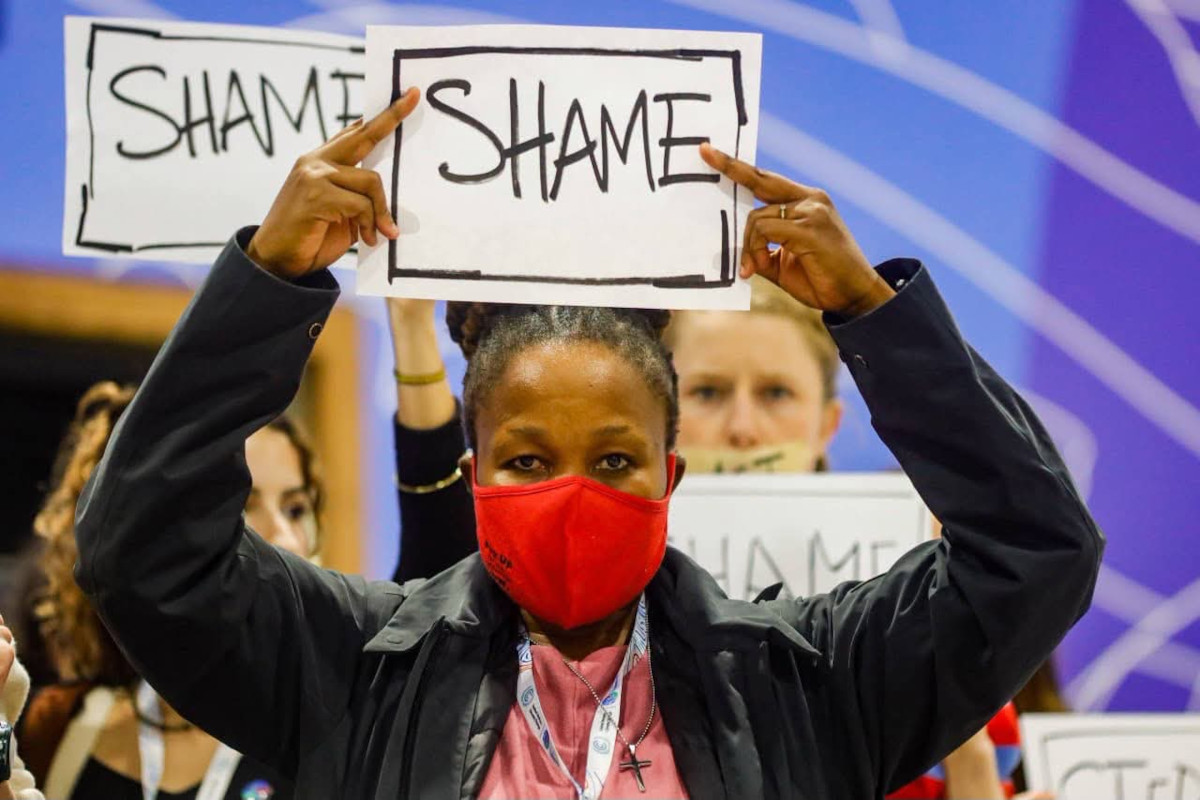
What Does This Mean for VIVAT International?
The outcome of COP31 is deeply concerning for VIVAT International, particularly because our members work closely with communities already experiencing the devastating consequences of climate change.
Three priorities remain central to our advocacy:
- Just Transition Away from Fossil Fuels: Governments must establish clear commitments to move away from fossil fuels while protecting workers, Indigenous Peoples, and vulnerable communities.
- Climate Finance and Justice: Wealthy countries and major polluters must provide adequate, predictable, and accessible financial support, especially through grants that do not increase developing countries’ debt burdens.
- Loss and Damage: Communities suffering from climate disasters must receive timely assistance and meaningful opportunities to participate in decisions affecting their lives.
Throughout COP31, VIVAT International joined other Catholic and faith-based organizations in advocating for climate justice, participating in discussions and side events, and engaging with the Holy See delegation.
These experiences reaffirmed the importance of bringing grassroots voices into global climate negotiations.
What Lies Ahead?
Although COP31 ended without a final climate agreement, the struggle for climate justice must continue.
Governments must now demonstrate their commitment through national policies, stronger emissions reductions, investments in renewable energy, and meaningful financial support for vulnerable countries.
Faith-based organizations also have an important responsibility to continue raising awareness, strengthening collaboration, and holding governments accountable for their climate commitments.
As Pope Francis reminded us in Laudato Si’, the cry of the earth and the cry of the poor are deeply connected. We cannot protect our common home without protecting the dignity and rights of those who suffer most.
Climate Justice Cannot Wait
COP31 may be remembered as a missed opportunity for global climate cooperation. However, the failure of governments to reach an agreement does not diminish the urgency of the climate crisis or our responsibility to act.
For VIVAT International, the most important question is not simply whether countries reach an agreement, but whether their actions bring real change to the lives of vulnerable communities.
Governments may have failed to reach a consensus at COP31, but we cannot afford to fail the people and the planet. Climate justice cannot wait for another conference. The time to act is now.
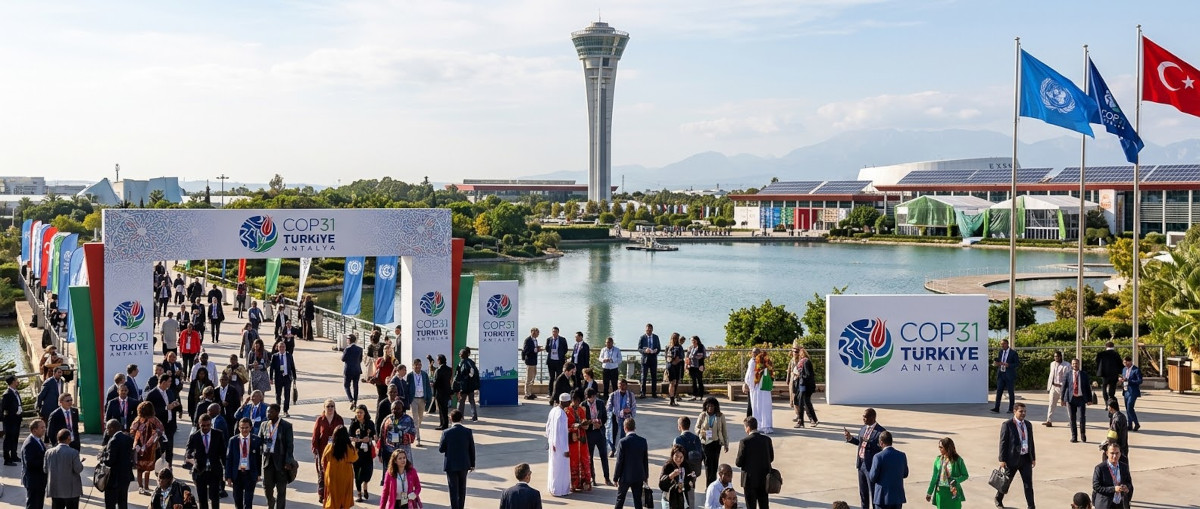
Roy Thomas SVD
VIVAT International Representative to the United Nations