
Daniel Comboni
Misjonarze Kombonianie
Obszar instytucjonalny
Inne linki
Newsletter
In Pace Christi
Udeschini Giuseppe
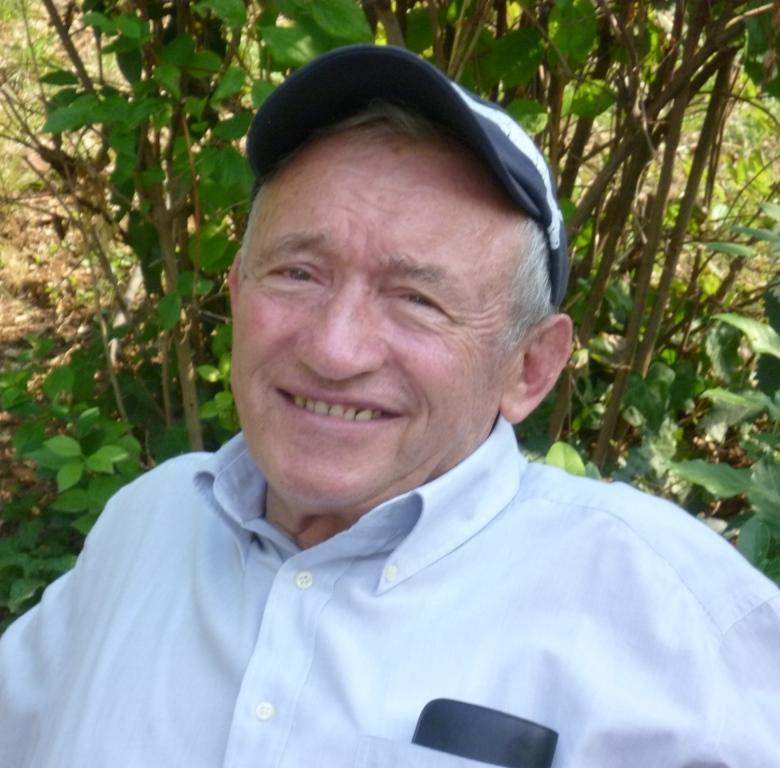
Giuseppe Udeschini was born at Leno, in the province of Brescia, on 17 July, 1938. He joined the Comboni Missionaries and completed the carpentry course in Thiene. He did the first year of novitiate at Pordenone and the second in Sunningdale, England, where he learned English.
He took first vows (1958) and worked selflessly in mission promotion and then, for a year, worked as a builder at the houses of Verona and Valdiporro.
In 1961 he was appointed to Uganda where he worked for over fifty years in the missions of West Nile, in charge of houses and constructions.
The early years of mission life were fairly quiet: it was a time of fervour when churches, chapels and dwelling houses for the missionaries were urgently needed due to the increasing numbers of people coming to the mission. All this changed during the time of Idi Amin Dada (1971) and then, with the war to remove him and the struggle for succession among the commanding officers that claimed many victims caused many people to flee. The West Nile people also had to flee and many of them went to the Congo where the missionaries tried to assist them. Only Ombaci mission stayed open. When they returned from the Congo they found nothing but destruction everywhere. For Bro. Udeschini, this was a time for rebuilding. Together with Bro. Gianni Bonafini and Bro. Ciriaco Gusmeroli and his group of workers, he did marvellous work, teaching his collaborators not just to be good workers but also good Christians through his interest in them and their families.
Fr. Torquato Paolucci recalls: “We always called him Bepi; some would add ‘bossa’ (bottle, in Venetian dialect), since he was a great cultivator of vines and wine needs bottles, so he was always on the lookout for bottles. He had brought vine plants from Italy which he planted and looked after. He took great care of those vines that produced not only the wine for Mass but also some ‘for Vespers’ as well, he would say. While on holiday in Italy, he had learned how to make wine and also how to combat parasites. The greatest gift he could give to a friend was a good bottle of his own wine and this he did to many people, starting with the Bishop, and including his priest friends and catechists. In this way, Bepi rendered our gatherings and feasts livelier and happier.
Bepi, however, was, above all else, a great builder of churches, houses, schools, hospitals and wells. Those who visit West Nile are still amazed at the beautiful churches and houses that he built. The Lodonga Spirituality Centre and the Catechetical Centre are among his works.
He came as a young man to Uganda and spent almost all his years in Uganda, mostly in West Nile (Arua). Altogether, he spent 52 years on the mission!
He learned the building trade in Uganda, observing how the old Comboni brothers – and some Fathers – worked. No matter where they sent him, Bepi was ready to go: Ombaci, Ediofe, Arua city, Adumi, Olovo, Maracha, Koboko, Lodonga, Moyo and many other places. He even spent time in Malawi but his heart was always in the West Nile and returned there as soon as he could.
The Church in Arua owes a tremendous debt of gratitude to Bro. Bepi for his skills and dedication and the structures he built. He had his own pick-up, given to him by the Ugandan Province; he had his group of workers and took them everywhere. Those workers taught their skills to many others. He liked to go to visit them and often shared a meal with them, always bringing small gifts for their wives and children.
Doubtless, many of the children of those workers managed to go to school thanks to Bro. Bepi. From his works there emerged more bricklayers, mechanics and carpenters. He certainly made a great contribution to the social and economic development of the region. I think Comboni wanted Brothers like him, capable of doing great things with very little means and involving as many people as possible in the work. Bro. Bepi had a weakness for Maracha hospital where many of the sick came for treatment. He was a great friend of the doctors and nurses but also of the patients whom he gladly visited, bringing with him a word of comfort. He was always welcome everywhere.
I admired Bepi’s love and dedication to the mission and his care for the families of his workers. Many were fond of him and still remember him even today. When he died, I received many phone-calls from people of Uganda whom Bepi had helped; there were also prayer meetings and liturgical celebrations to pray for the happy repose of his soul”.
Da Mccj Bulletin n. 274 suppl. In Memoriam, gennaio 2018, p. 32-36.