
Daniel Comboni
Comboni Missionaries
Institutional area
Other links
Newsletter
Muslims and Christians in the Judean Desert
Thursday, February 19, 2026
This year, Ramadan — the holy month of fasting, prayer, and almsgiving in Islam — began one day before Lent, the season of fasting, prayer, and almsgiving that prepares Christians for the Easter celebrations. A Mexican missionary working with Bedouin women in the desert region of the West Bank, Palestine, shares reflections on fasting and the desert.
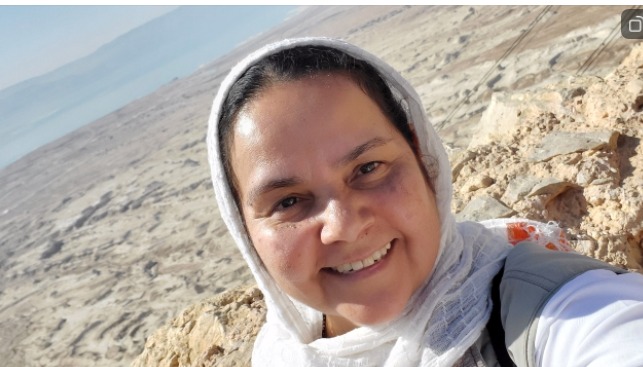
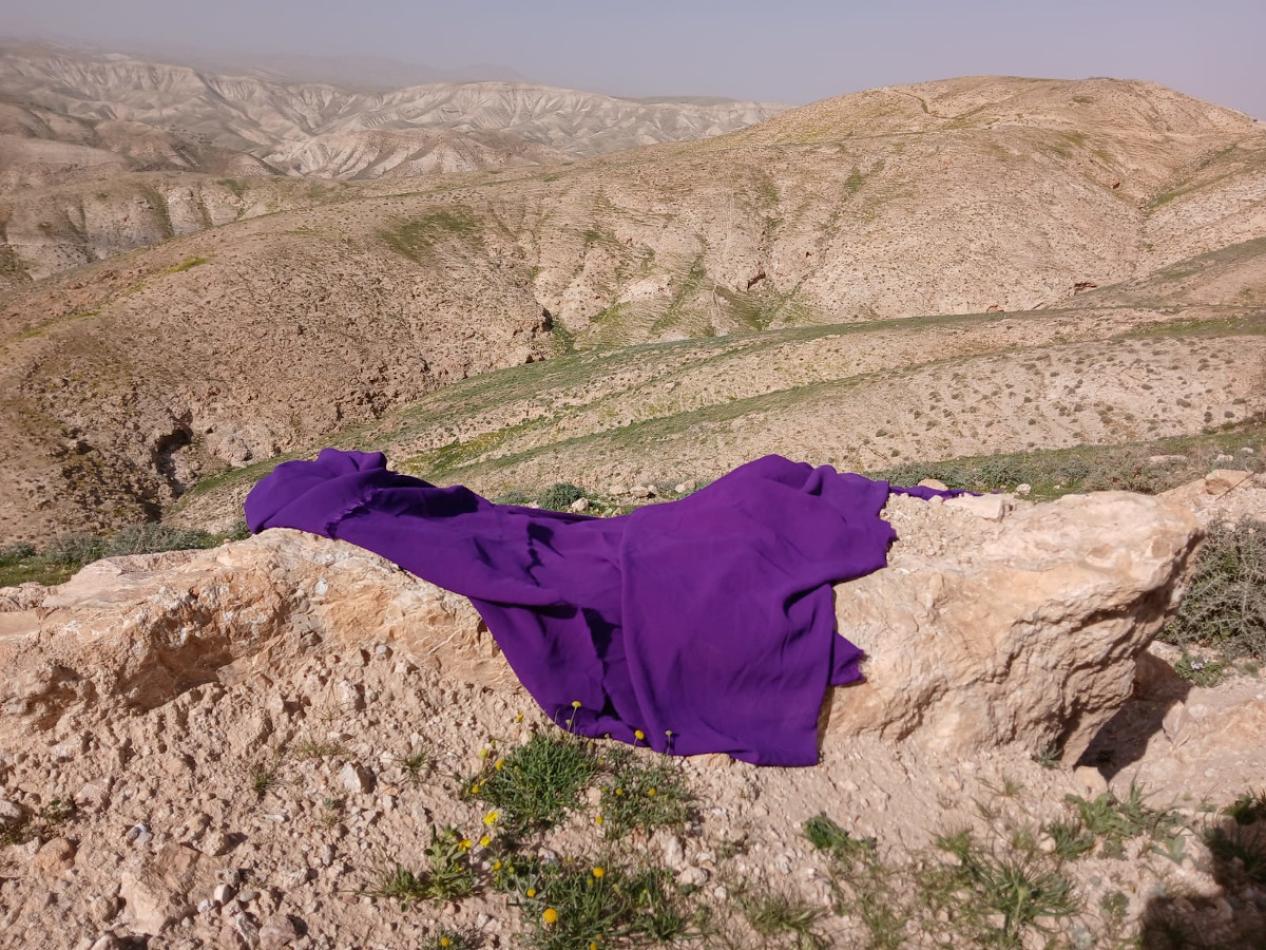
Just as Jesus was led into the desert, so too were we—the same Judean Desert. The Bedouin women were waiting for us. Without makeup, tired eyes, dry lips, cracked hands. They usually arrive in colourful dresses, with a delicate touch of makeup that honours the dignity of their faces. Today, they were different. It is the first day of Ramadan, and the fast is already felt: no food or water from sunrise to sunset.
Ramadan transforms the rhythm of these lands. Before dawn, families share the suhoor, the ritual pre-dawn meal. Then, the day grows slow and silent. By late afternoon, fatigue is visible, and many hurry home to prepare the iftar, the meal after sunset. Hunger reveals human fragility. At sunset, prayer opens the sacred moment of breaking the fast with water and dates.
In the Judean Desert, among worn blankets and zinc sheets that creak in the wind, the fast is even more austere. Vulnerable, without basic services, the sacrifice is concrete and daily. This year, the dates coincide: Ramadan began on the 17th, and the following day, the Church begins Lent.
"Do you fast?" even the children ask. Amir, a seven-year-old Bedouin boy, already fasts. "His spirit will be strengthened," his mother says with the firmness of one who has learned to endure. Then comes what is most painful: the situation that is worsening, the uncertainty that weighs heavier than hunger.
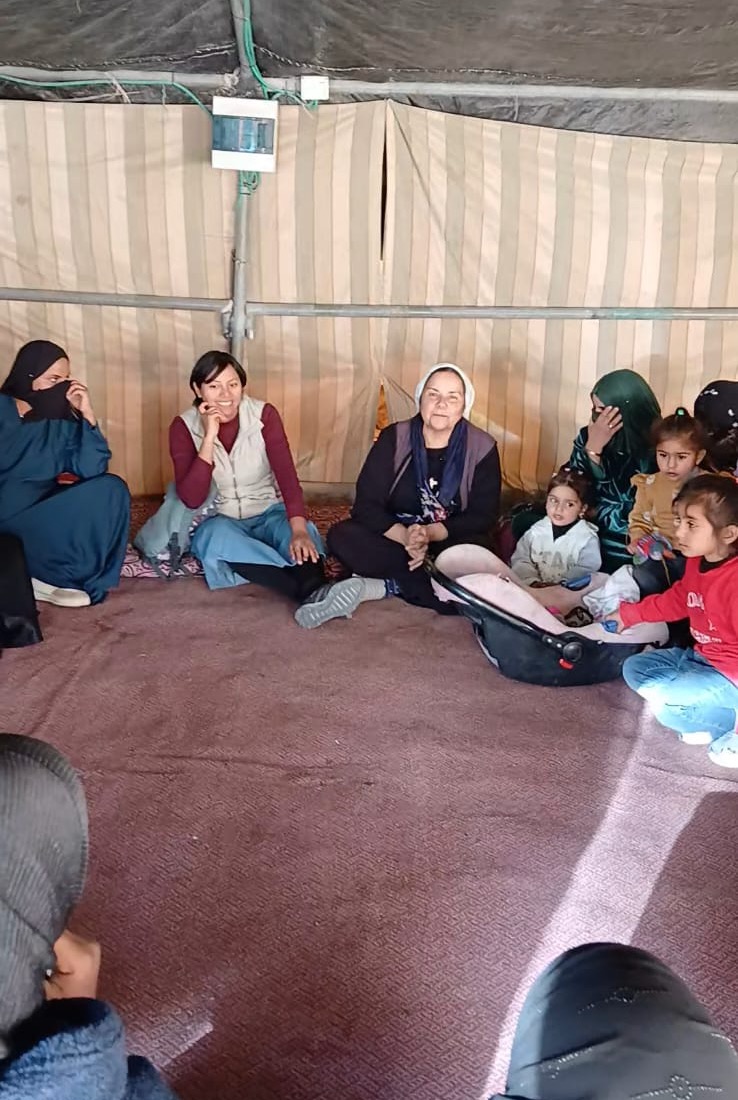
The presence of the missionaries becomes an encounter—a space to share what unites us and what we recognize as sacred. Different paths, the same thirst, one God. The Spirit leads us into the desert. In its vastness, the need for the divine deepens. God also lives outdoors.
Perhaps the desert is not a place where everything is lacking, but a space of discernment. Aridity teaches us to preserve the essential, the new, the holy; to make room so that His Word may unmask deception and sustain virtue. The Spirit leads us to the desert in order that fasting is not merely deprivation, but strength and solidarity. So that prayer may become listening, and your life and mine may become a close presence and comfort for those who cry out to God for compassion and mercy.
Therefore, just as with Jesus, the Spirit continues to lead us into the desert.
Sister Cecilia Sierra
Comboni Missionary Sisters