
Daniel Comboni
Comboni Missionaries
Institutional area
Other links
Newsletter
South African bishops firmly condemn xenophobic violence

Saturday, May 23, 2026
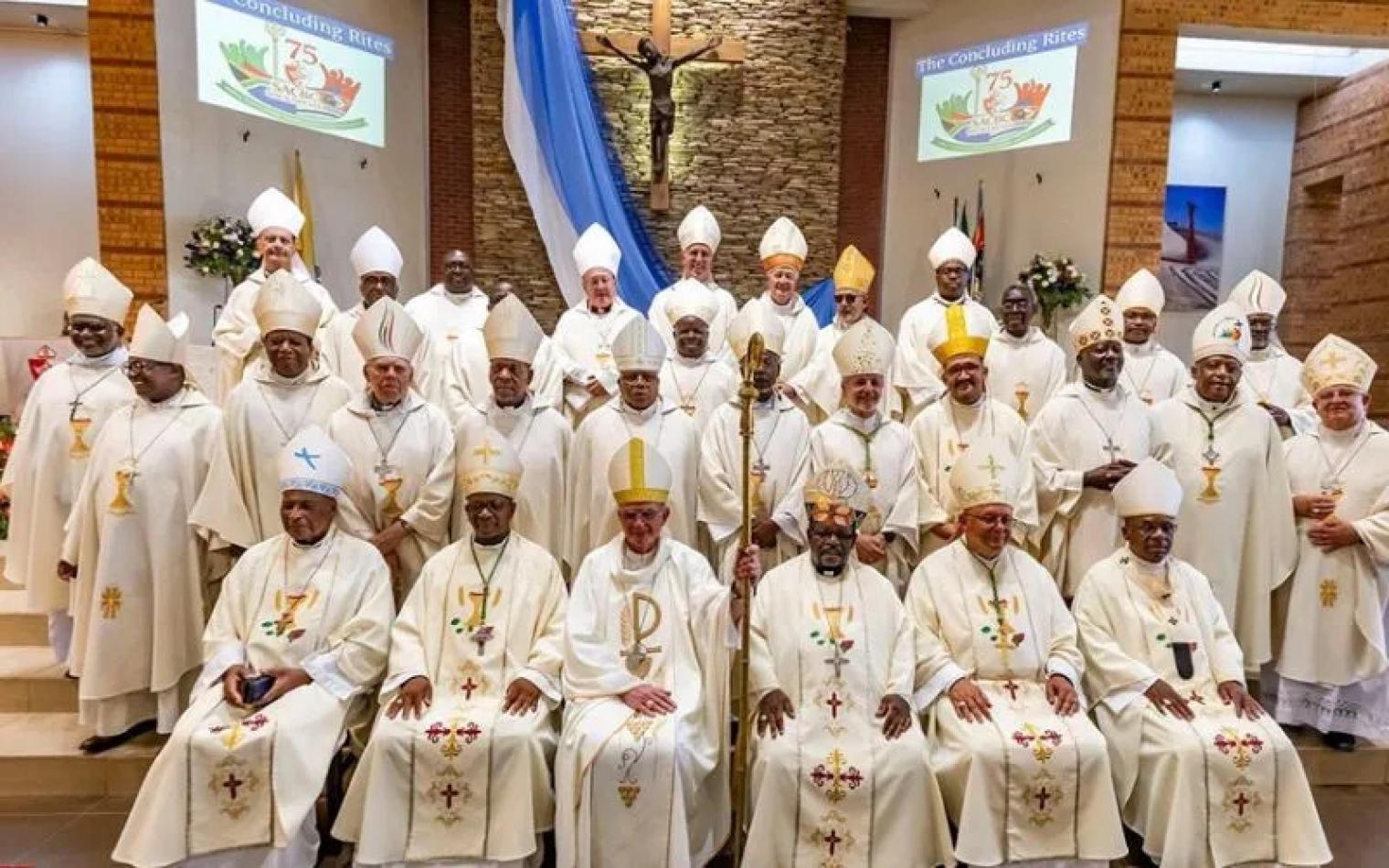
Members of the Southern African Catholic Bishops' Conference (SACBC) have condemned growing violence, intimidation, and displacement targeting migrants and refugees in South Africa, describing the attacks as “a grave assault on human dignity”. In a pastoral statement issued on Wednesday, May 20 and signed by SACBC President, Brislin Stephen Cardinal, the Catholic Bishops say violence against migrants “can never be justified, tolerated, or accepted,” and call for justice, accountability, solidarity, and peace in the country.
“We unequivocally and without ambiguity condemn the acts of violence, intimidation, and displacement directed at migrants and refugees. Such actions constitute a grave assault on human dignity and a betrayal of the values that should define our society,” SACBC members say. The statement comes amid renewed xenophobic attacks in South Africa. According to a Wednesday, May 20 Human Rights Watch report, vigilante groups including March and March and Operation Dudula have targeted African and Asian foreign nationals in cities such as Johannesburg, Pretoria, and Durban, carrying out assaults, harassment, and destruction of property during anti-immigrant demonstrations.
In their statement, SACBC members say the unrest reflects deeper socio-economic and governance failures that have left many South Africans frustrated and disillusioned. “We must also state clearly that these protests and outbreaks of violence do not arise in a vacuum. They are symptoms of deeper and longstanding failures and broken promises that can no longer be ignored,” they say.
Catholic Bishops in Botswana, Eswatini, and South Africa pointed to failures in governance, accountability, and leadership, saying persistent unemployment, widening inequality, and poor service delivery have created “conditions of despair and frustration.”
“Competition for scarce resources such as jobs, housing, and public services has further intensified tensions between locals and migrants, particularly in economically disadvantaged communities,” they say. The Catholic Church leaders also cite porous borders, corruption within the Department of Home Affairs, and irregular immigration processes as factors that have weakened public confidence in South Africa’s management of migration.
At the same time, SACBC members have cautioned against blaming migrants collectively for social and economic challenges. They acknowledge concerns over the exploitation of migrant labor by some businesses, perceived monopolies in township and rural retail trade by some foreign nationals, and the involvement of a few migrants in criminal activities, including human trafficking and drug trafficking.
“While these concerns and frustrations are real, and must be addressed honestly, they can never justify violence against another human being,” SACBC members reiterate, adding, “Violent attacks on migrants — documented or undocumented — remain morally unacceptable and undermine social cohesion, justice, and peace.”
They also call for stronger integration between migrant and local communities. “Greater participation in community life, respect for local customs, and efforts to learn local languages can contribute significantly to social cohesion, fraternity, and peaceful coexistence,” they say.
Referencing to Pope Francis’ October 2020 Encyclical Letter on fraternity and social friendship, Fratelli Tutti, SACBC members recall the late Pontiff’s appeal for fraternity that transcends borders, fear, and exclusion. “We cannot build a peaceful society through hatred, scapegoating, or violence,” they say.
Ahead of South Africa’s upcoming local government elections, SACBC members urge political leaders not to exploit migration issues and community suffering for political gain. “The instrumentalization of fear, division, and human vulnerability for electoral advantage is morally unacceptable and risks further destabilizing an already fragile social context,” they say, adding, “Leadership demands responsibility, restraint, honesty, and a commitment to the truth.”
The Catholic Church leaders call on South Africans to elect leaders committed to justice and accountability. “This is a decisive moment for our nation. The future of our society depends on whether we choose the path of justice, accountability, solidarity, and social renewal, or whether we allow injustice, fear, and division to deepen,” they say. They further appeal for “a renewed commitment to the common good, rooted in justice, human dignity, solidarity, and peace.”
“May the Lord grant us the courage to confront what is wrong, the wisdom to discern what is right, and the strength to act with justice, compassion, and truth,” SACBC members implore.
Sabrine Amboka – ACI Africa