
Daniel Comboni
Comboni Missionaries
Institutional area
Other links
Newsletter
DR Congo – Insecurity and violence on the rise in the Isiro region
Friday, June 12, 2026
In the early hours of May 30, 2026, the town of Isiro, the capital and largest town of Haut-Uele province in the north of the Democratic Republic of the Congo, was awaken by the mass arrival of displaced people fleeing terrorists. The noisy wave, coming from some 125 kilometres to the east, had passed through dozens and dozens of villages in the forest.
Driven by fear, they filled the major international road linking Isiro to Uganda for several days and sought refuge in the provincial capital. The provincial government was taken by surprise. It was believed that war was the fate of the people in the east and north-east of the country, not in the north.
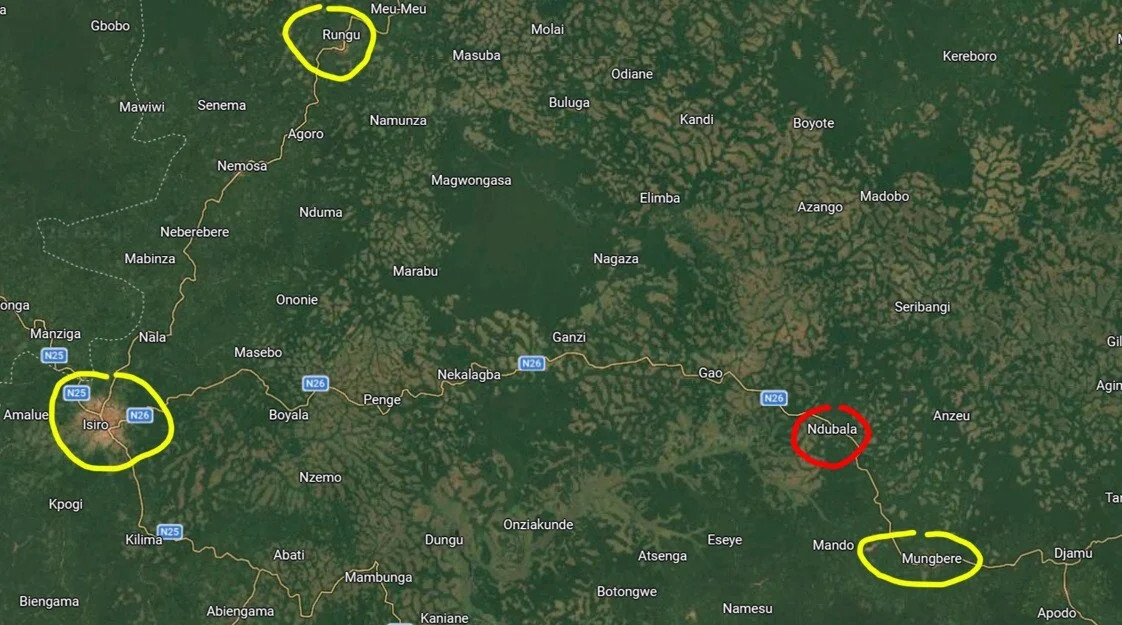
Furthermore, everyone believed that the military reinforcements sent to Gombari (200 kilometres from Isiro) and to Mungbere (125 kilometres away) were sufficient to deter the guerrillas who, it seems, are coming from the north-east. The guerrillas’ strategy laid bare the disorganisation and weakness of government forces.
Reception and needs
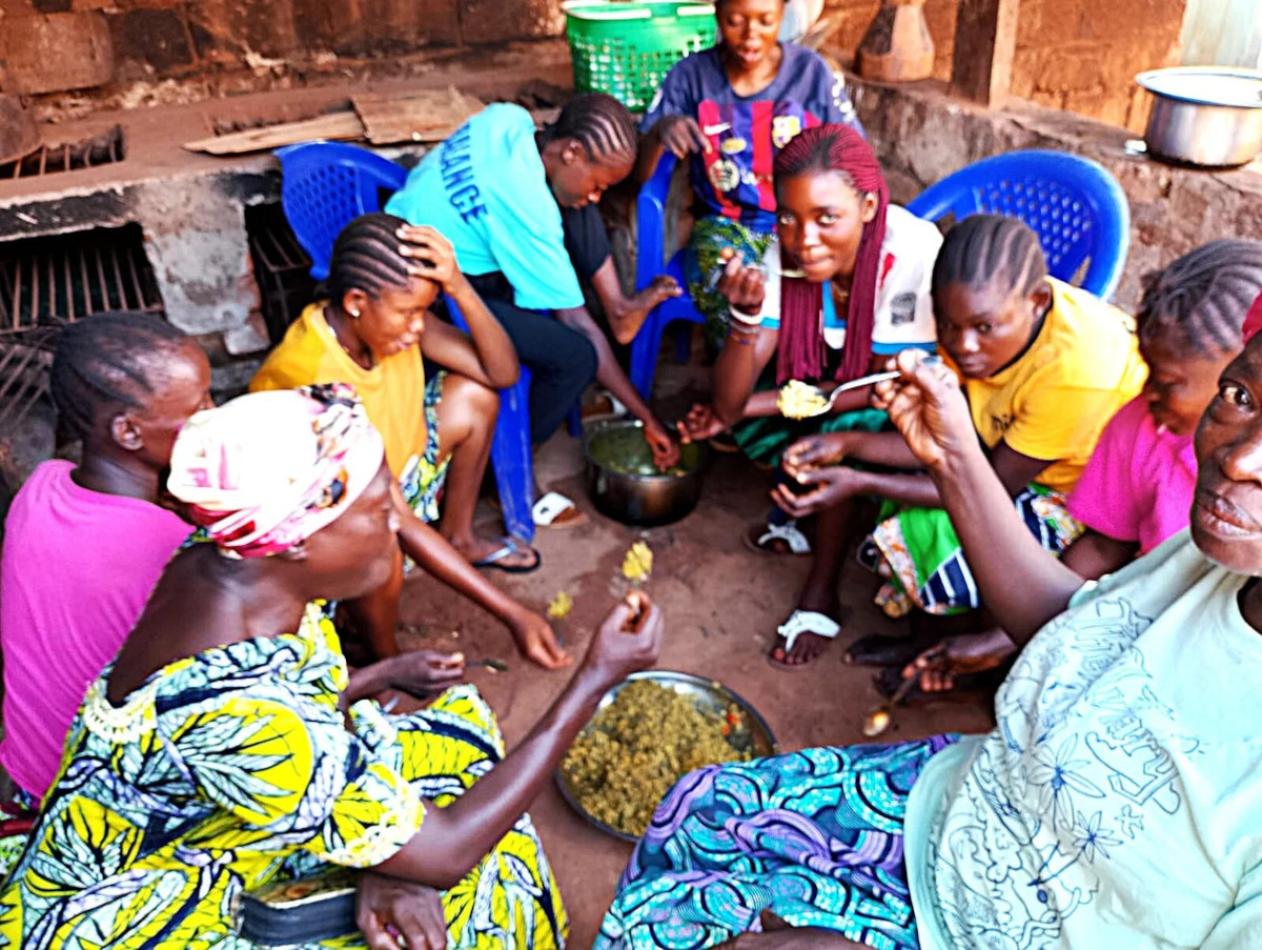
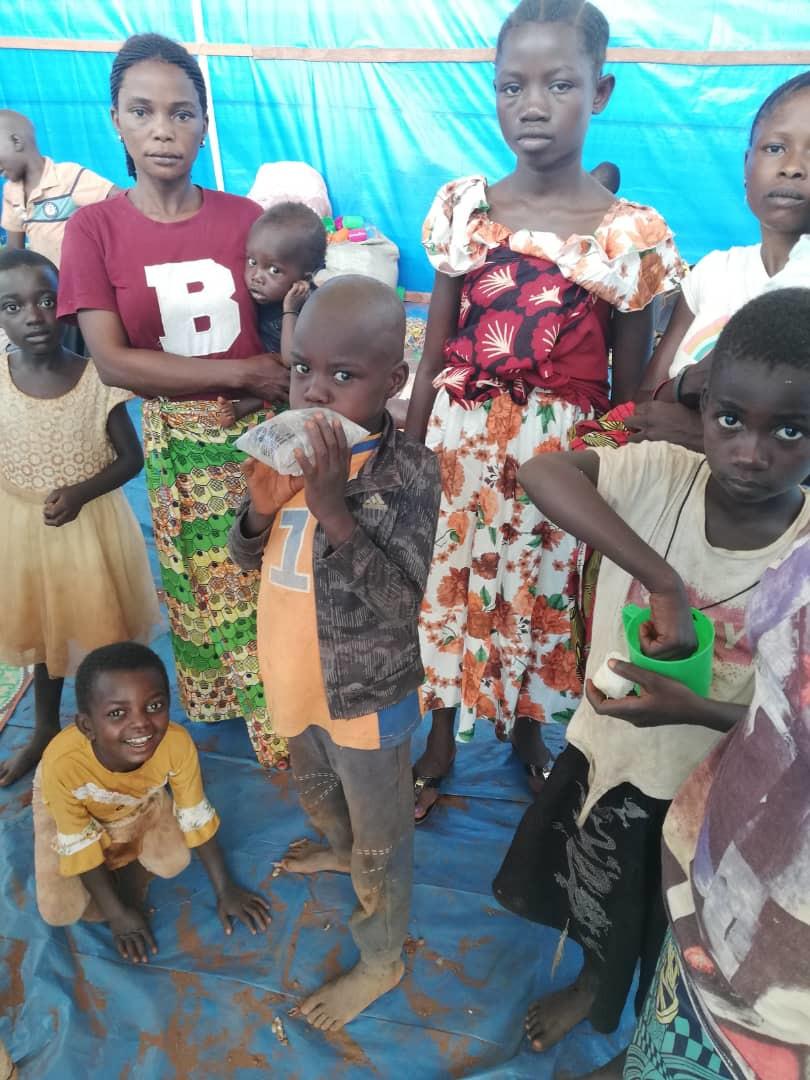
Families in Isiro were the first to open their homes to the displaced in an admirable spirit of hospitality. Families already large in number have taken in ten, 15 and even 20 new arrivals.
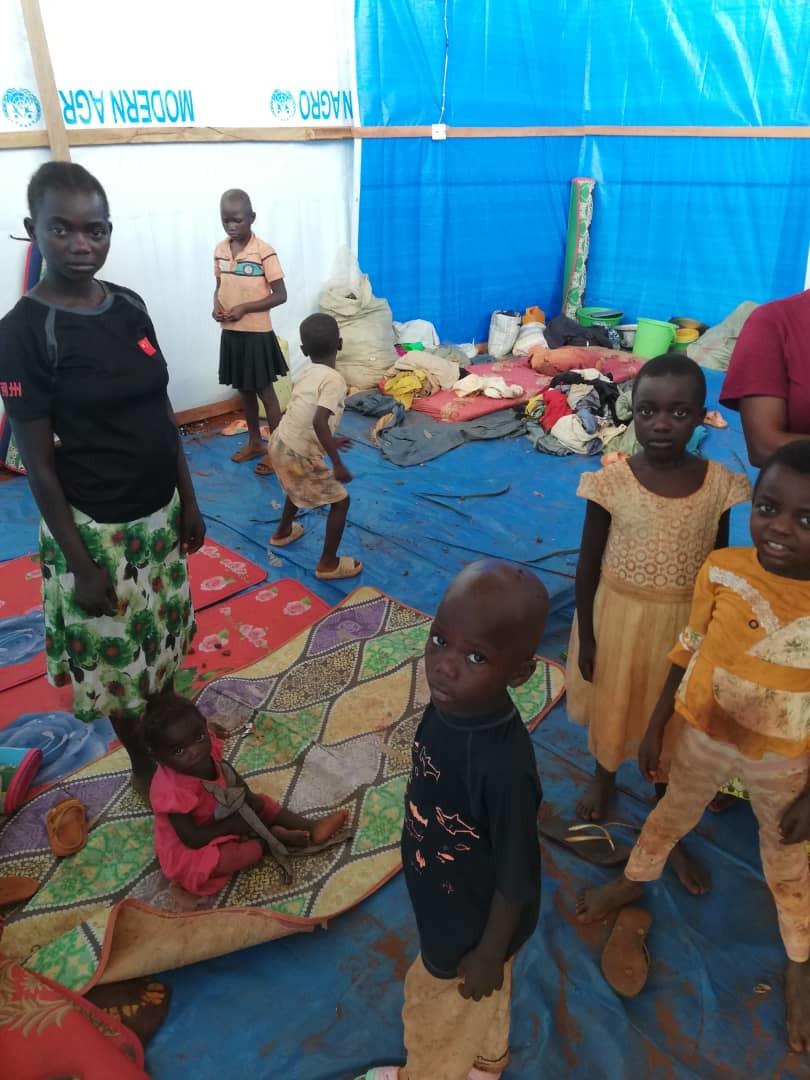
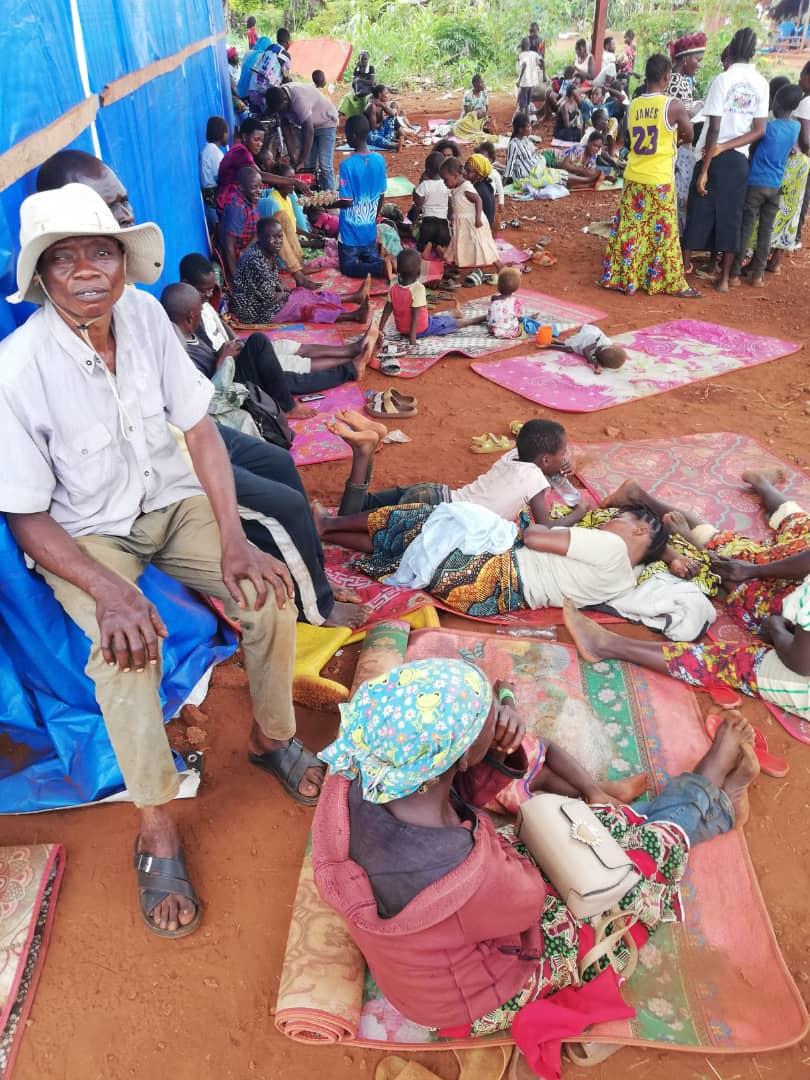
Faced with the urgency of the situation, the provincial government’s humanitarian and solidarity services requested the use of the large school complex in Ntumba to accommodate displaced people without relatives in town. The influx of arrivals continued throughout the week, due to news and rumours of killings and violence committed in Difolo and Ndubala, towns on the road to Isiro. The Director of the diocesan Caritas reports that his services have registered more than ten thousand displaced people.
On June 2, the provincial authorities issued an appeal to the central government in Kinshasa: “The resources at our disposal are very limited and insufficient for so many people in such a short time. And no one can say how long this will last”.
Two days later, the Provincial Assembly of Haut-Uele sent a delegation of four parliamentarians to the capital, Kinshasa, to request humanitarian aid and a significant military reinforcement.
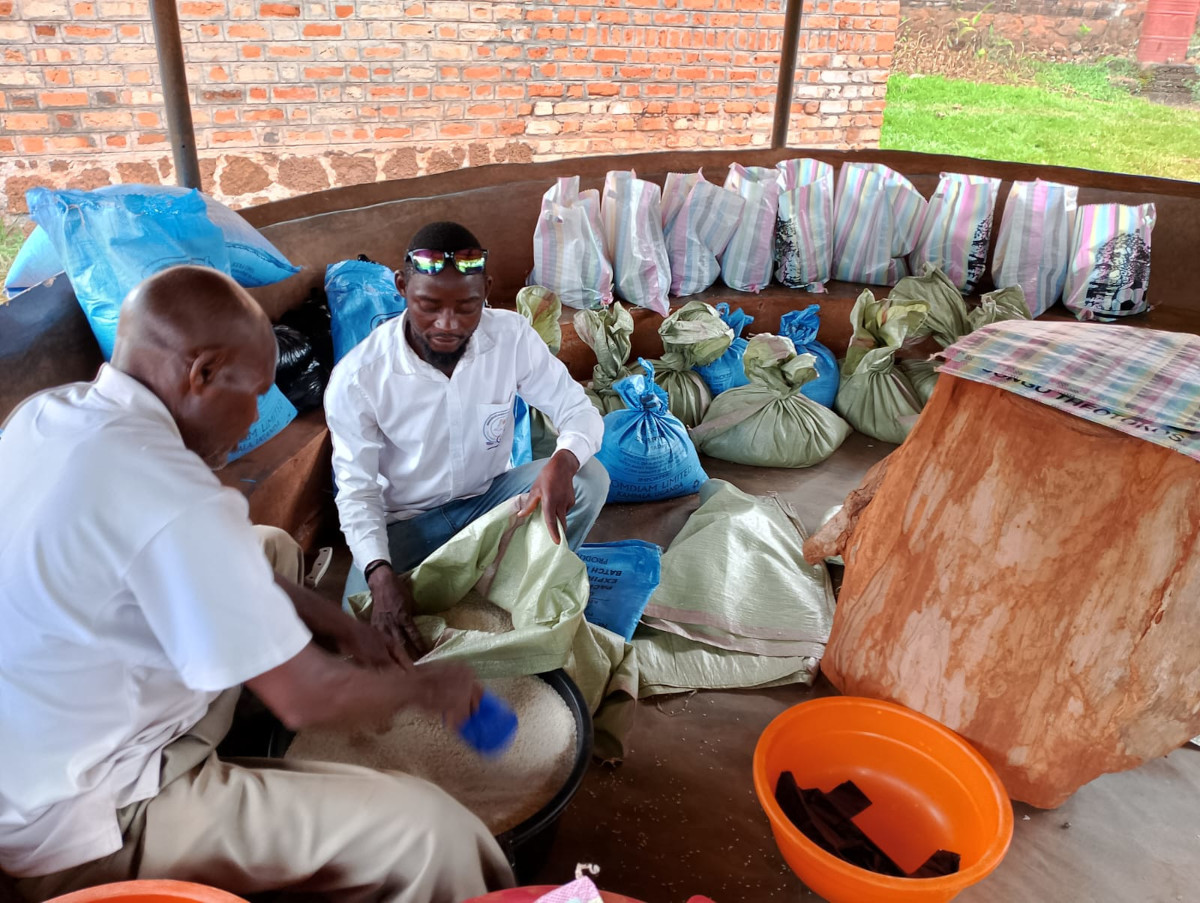
The displaced people are also being taken in by Catholic and Protestant convents and parishes in Isiro.
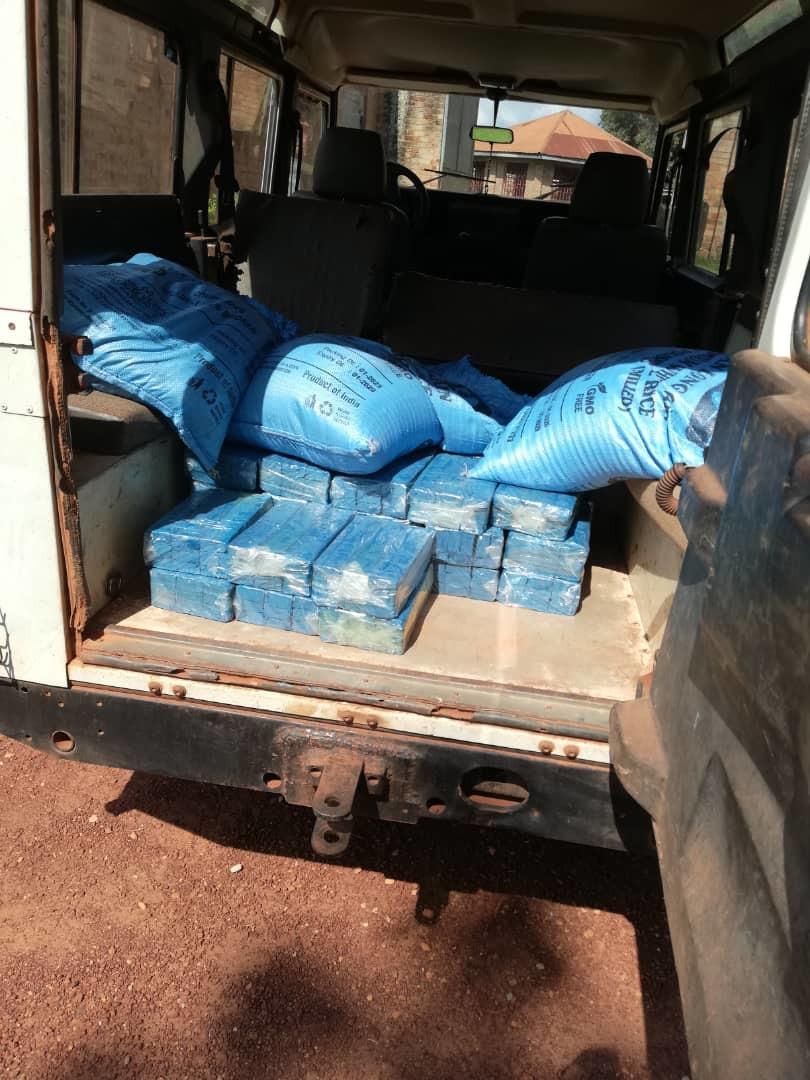
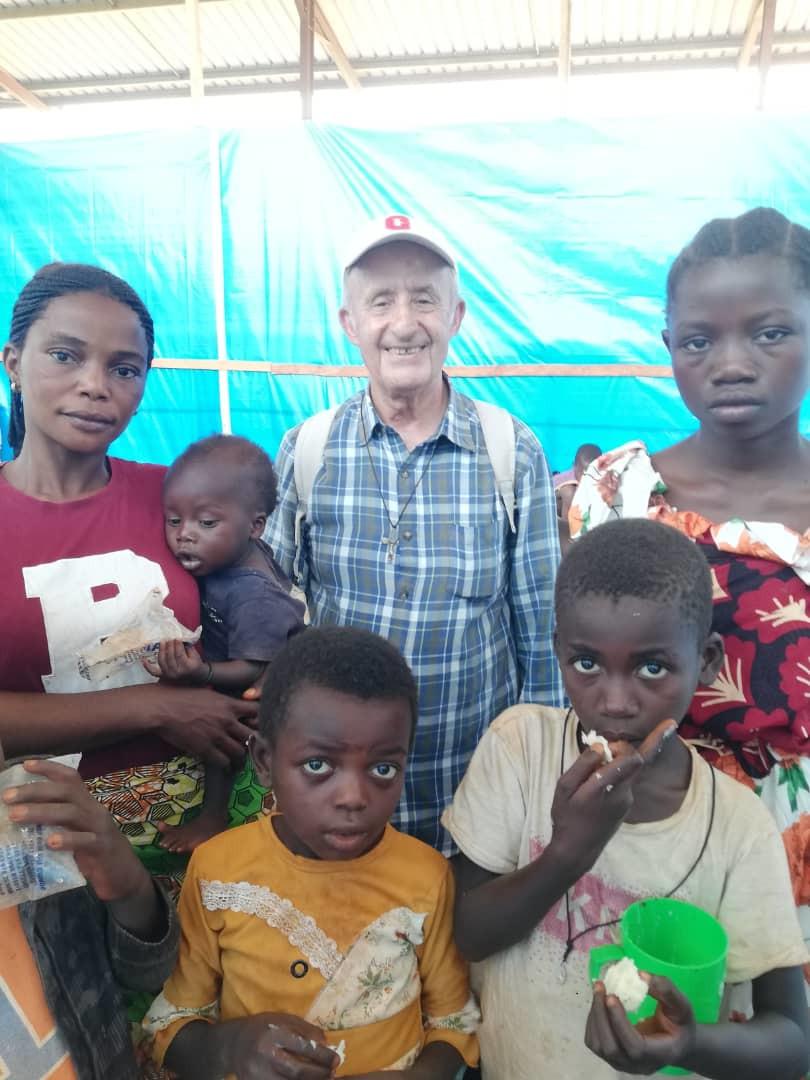
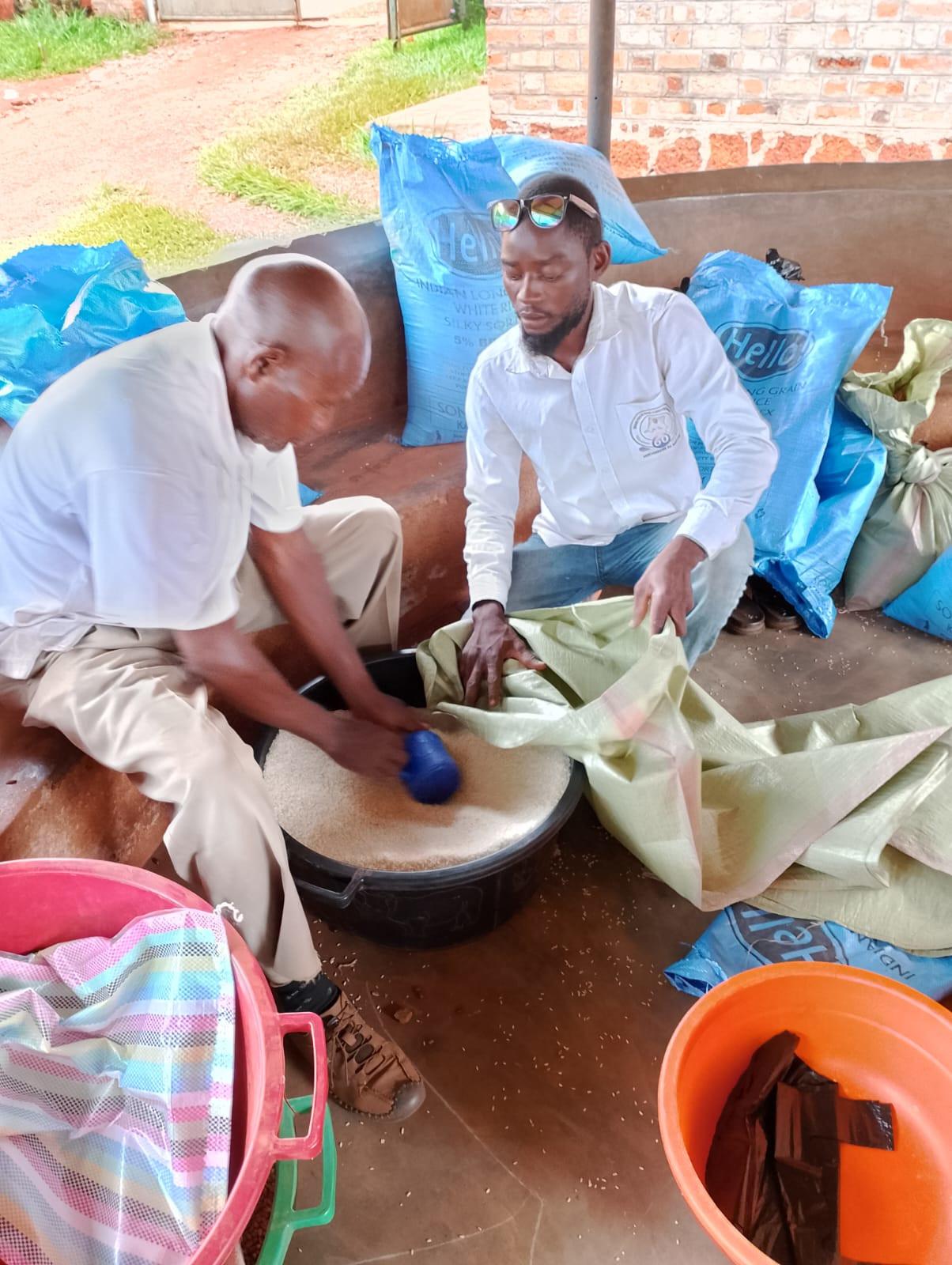
At the Catholic parish of St Ann, where I work, we provide assistance on two levels: shelter in our premises and support for families who have opened their hearts and doors to those who, having left in a hurry, arrived with almost nothing. We are currently sheltering 140 people in our compound and supporting 40 families with rice and beans.
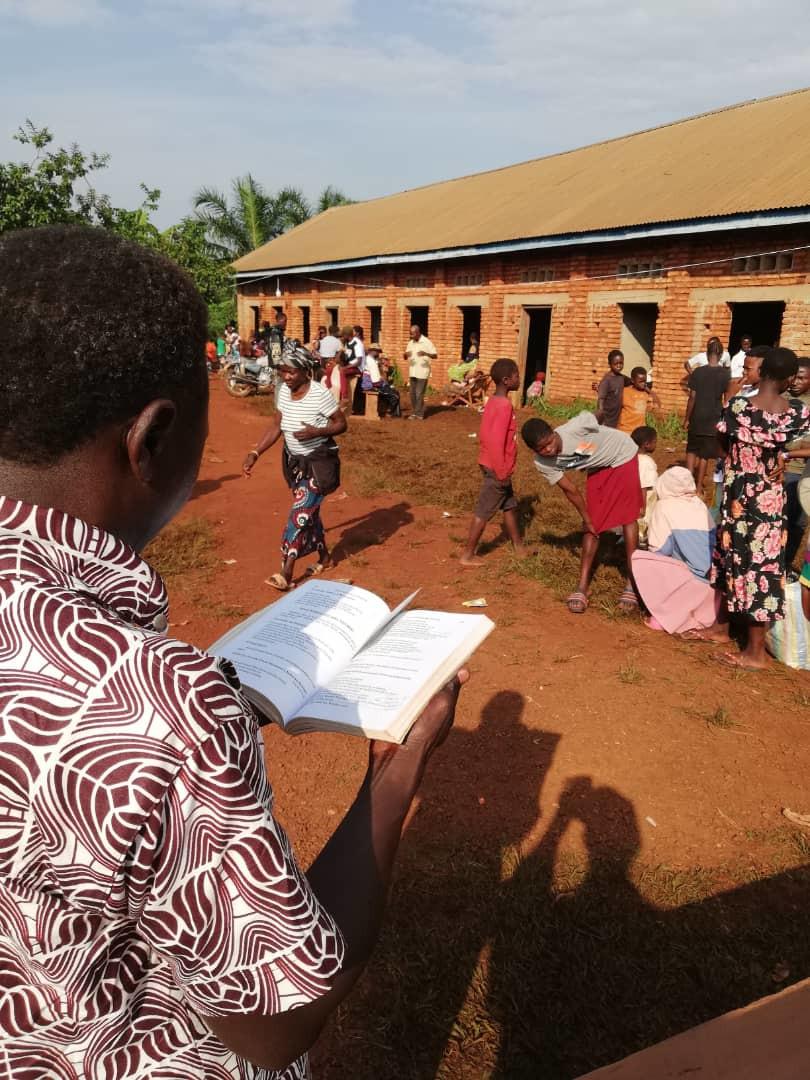
During visits to the Gossamu reception centre for displaced persons, which has replaced the Ntumba complex due to school activities, we have provided food, soap, clotheslines — so that clothes need not be laid out on the ground to dry — and other items useful for the centre’s running. In the middle of the exam period, schools, under the guidance of the relevant provincial ministry, are doing everything necessary to ensure that displaced pupils do not miss the school year.
Support
Virtually all the Catholics from the 40 communities scattered across the forest and savannah are now in Isiro. It is therefore only natural that we should provide them with every kind of support: a listening ear, the sacraments, places to stay, on-site medical care, and hospital treatment for the most seriously ill. For the children, there is football, catechism and prayer.
We also visit families in the neighbourhoods, whether to pray with the sick or to be with those who have been displaced. There, we proclaim the Word of God and pray together that the comfort we receive from the Lord may comfort them and enlighten their eyes and hearts.
On Sundays, I celebrate the Eucharist at the Gossamu reception centre, which houses several hundred people. The celebration is always a great comfort, both for Catholics and Protestants. I saw the same joy in the displaced people hospitalised in the western part of Isiro.
The parish of St Ann is the spiritual home of most of the displaced people. It extends, in fact, eastwards as far as Ndubala and Mungbere and, to the north, reaches Elimba, on the banks of the great Bomokandi River, spanned by a bridge that was destroyed decades ago. In Elimba, the community furthest from the parish, the terrorists have just killed several people who were engaged in artisanal gold panning. The large village of Ndubala has also been the scene of violence and death.
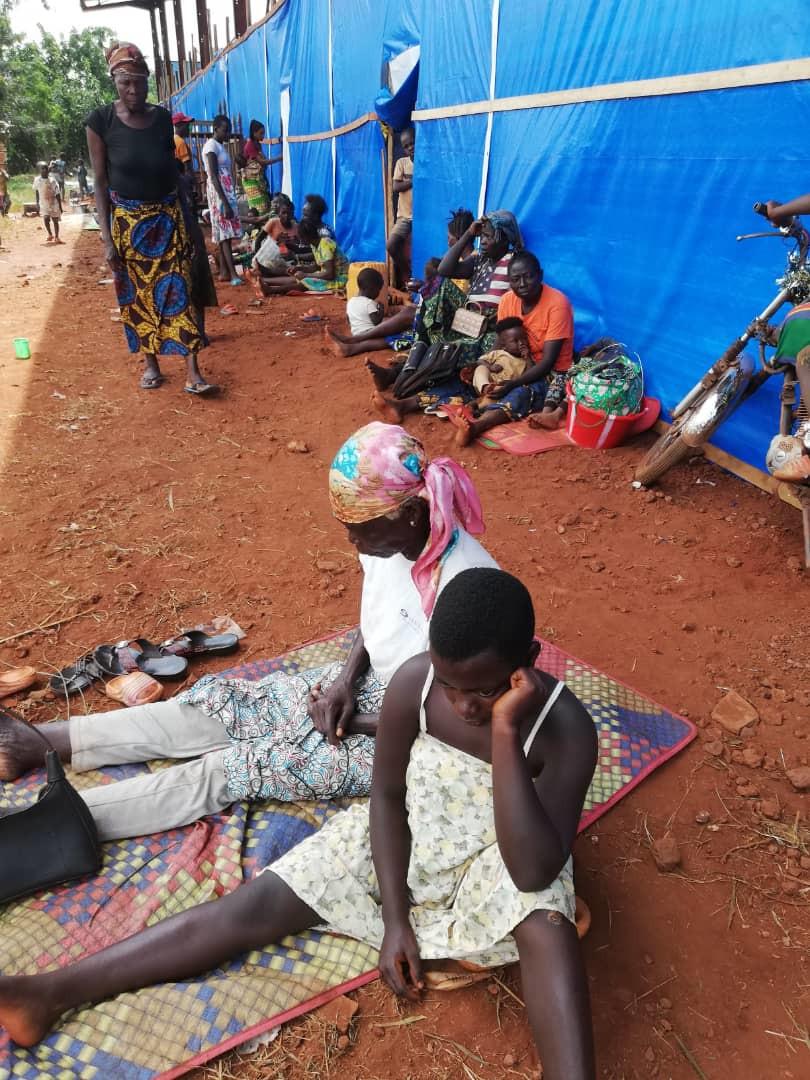
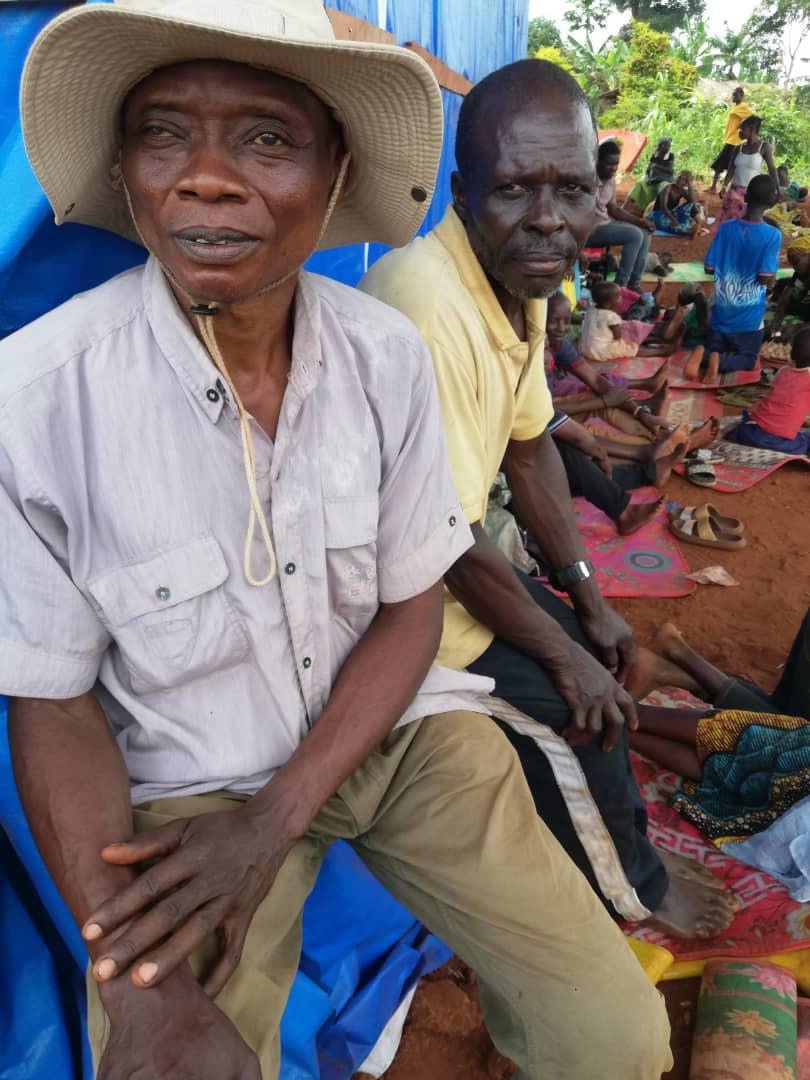
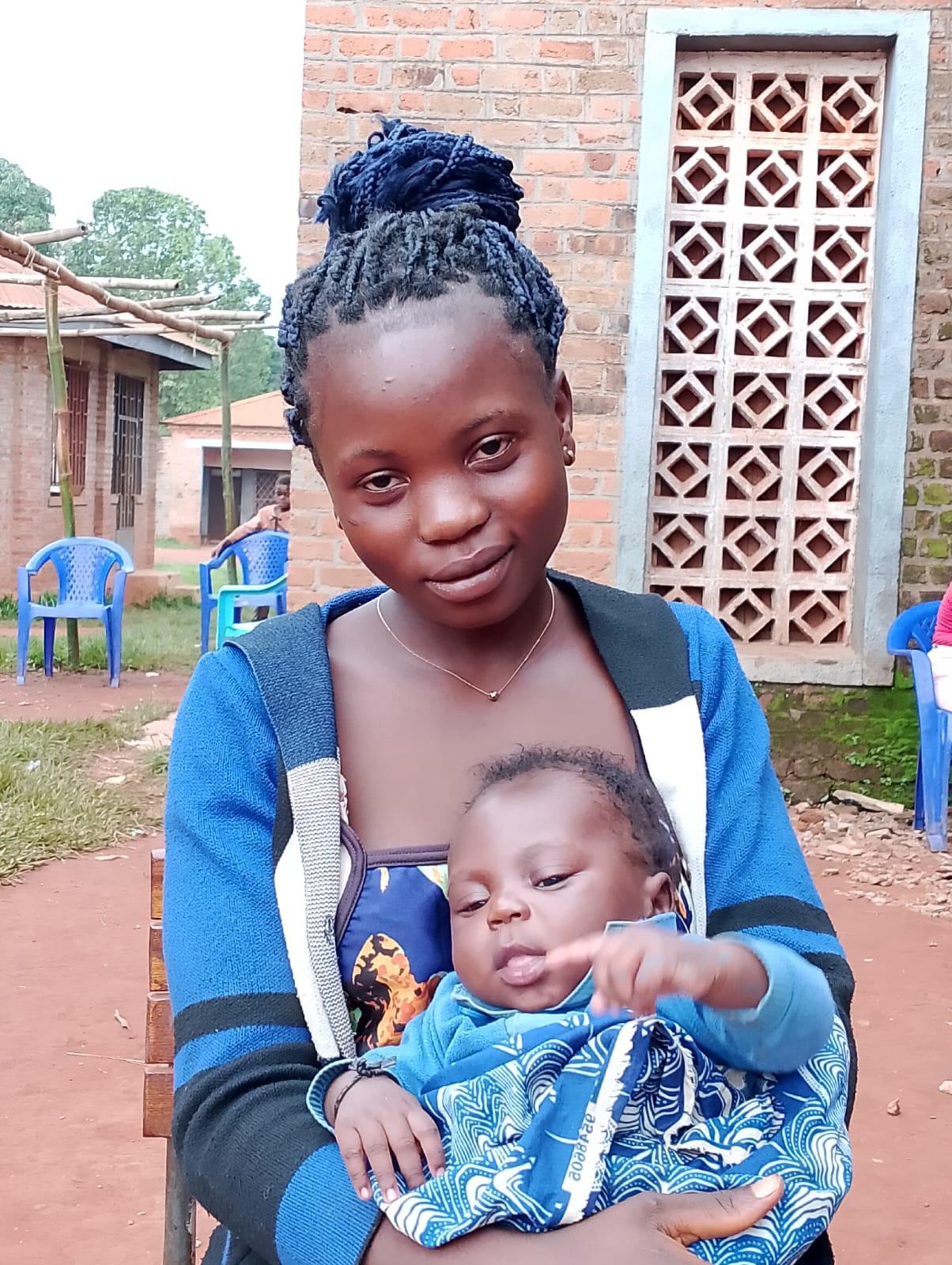
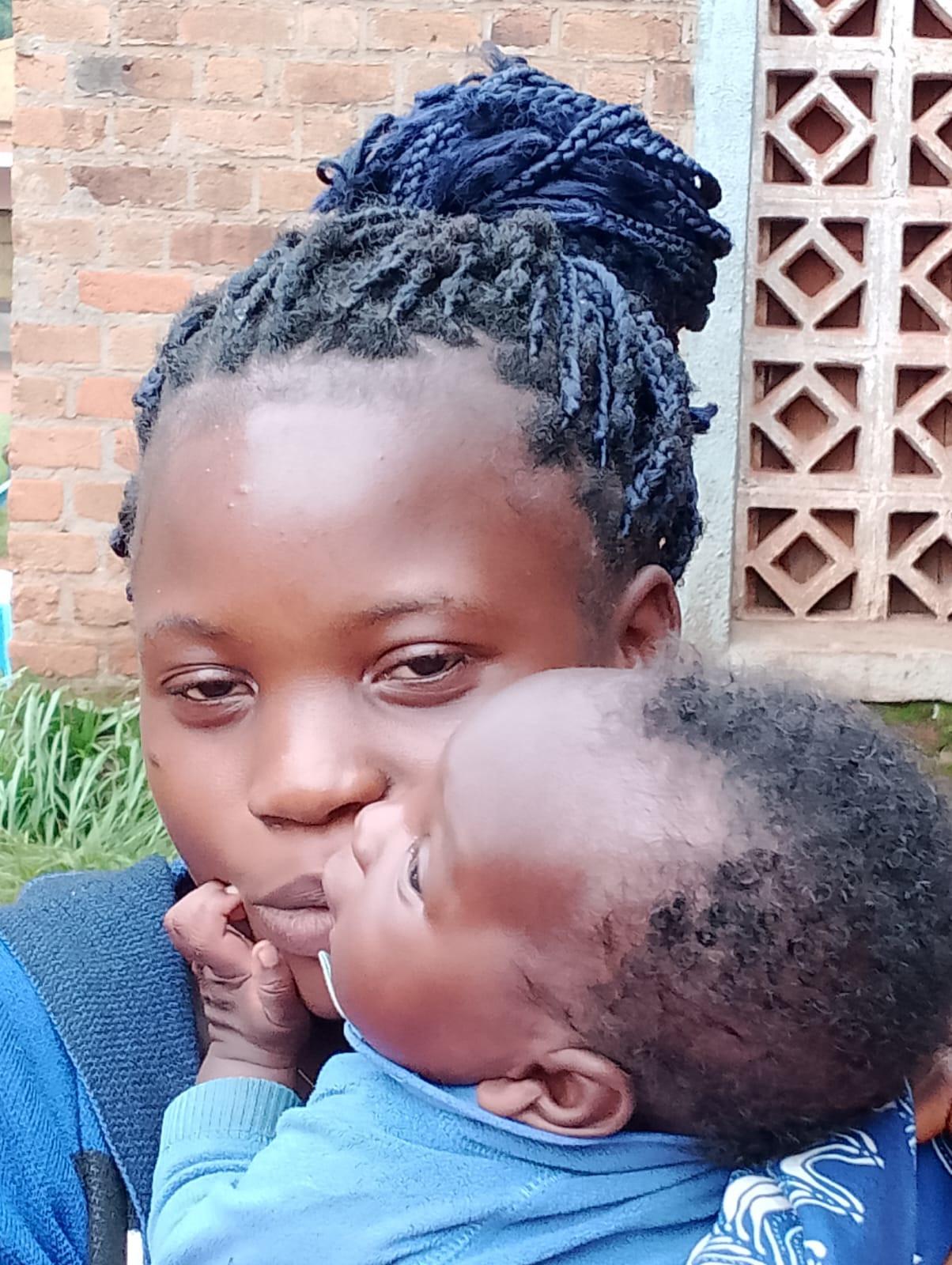
The future
Everyone is wondering how long this violence will last. Meanwhile, the fragile livelihoods of families have collapsed: those of the host families, unable to feed so many mouths, and of the displaced people who left everything behind.
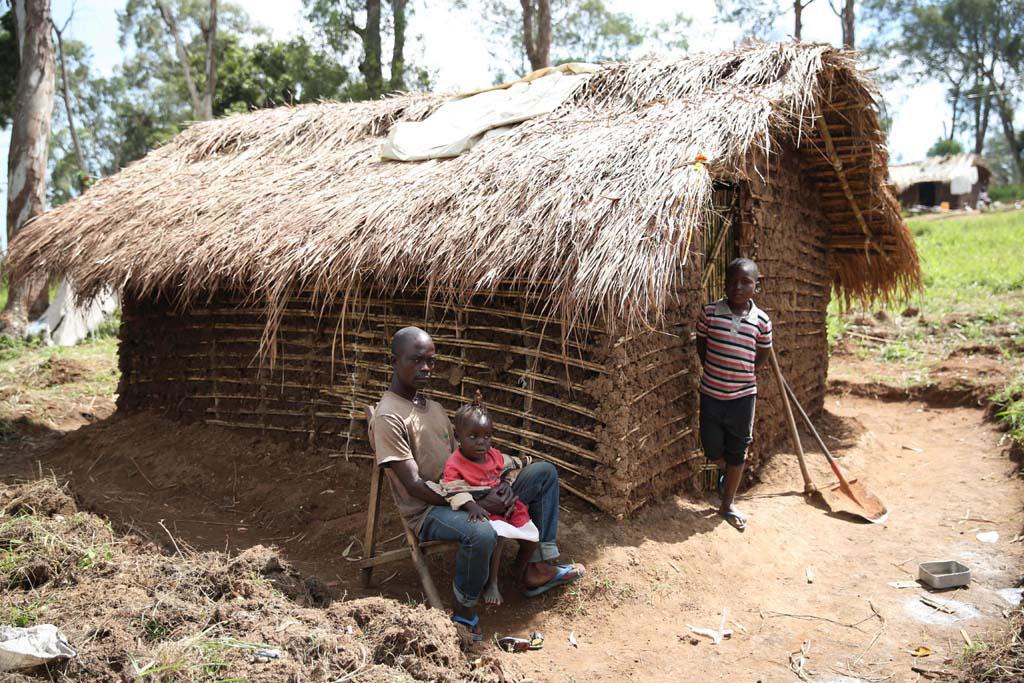
The fields, full of beans and peanuts ready for harvest, and then to be sown with rice, have been abandoned. All the livestock has been lost. The houses have been set alight. Everything, everything has gone up in smoke. This is also the case for Mr Martin, the catechist of Ndubala, who has taken refuge in the parish of Saint Ann with his wife and children. “We have nothing left”, laments his wife, bathed in tears.
The guerrillas, in fact, upon reaching the deserted villages, burn the houses and shops. If they find anyone who refused to flee, they kill them. For this reason, even those who have fled to Isiro from the nearest villages are afraid to go back there to retrieve anything. The spectre of hunger is already looming, threatening. We urgently need help, so that hunger and disease do not make the lives of these sisters and brothers – and ours with them – even bleaker.
Fr. Claudino Ferreira Gomes
Comboni Missionary