
Daniel Comboni
Comboni Missionaries
Institutional area
Other links
Newsletter
The Eucharist – the Energy for Evangelisation
Wednesday, August 12, 2026
The Church coming out of the Second Vatican Council is more missionary minded and prepares all the Faithful to be missionary in a different way. The Eucharist, at the centre of the life of the Church, nourishes people for evangelisation.
Cardinal Arthur Roche, the Englishman running the Dicastery for Divine Worship and the Discipline of the Sacraments since 2021, gave recently an interview to The Tablet, a Catholic weekly published in London. Asked if Leo XIV was going to change Pope Francis’ legislation regarding the use of the Tridentine Mass, he gave a firm ‘No’. “What Vatican II did was to say that the Church needs to be more missionary than it had been. And that to prepare people to be missionary, the very central core of the life of the Church, which is the Eucharist, has to nourish people in a different way. The abundant diet of Scripture that is now given through the celebration of the Mass and the Sacraments is something that wasn’t available to use before, but it is now”, he explained.
He added that while in the Tridentine Mass the Priest acts ‘on behalf of the Congregation’, in the new Rite “when the Mass is being celebrated, because the baptised are a Priestly People, they too are celebrating with the Priest”.
Worship versus Mission
The explanation that Cardinal Roche gave for Pope Leo to keep the legislation regarding the celebration of the Tridentine Mass touches some points that are very important for a Church that is Ministerial and Missionary.
The two Masses – the Tridentine and the new Latin Rite – underline two contrasting ecclesiologies and ways of understanding Christian life through Worship and Mission. The stress on divine worship feeds a more traditional Church view. However, Jesus’ last words are a missionary command and a commission: “Go to the whole world and preach the Gospel to every creature”.
This tension between Worship and Mission, between Liturgy and evangelisation, is very much present in the disputes around the use of the traditional Latin Mass. Some Catholics prefer a liturgy that is mysterious in its language, rites, rituals and vestments. Those who are for the celebration of the Tridentine Mass also tend to be against the Conciliar reforms, keeping the pre-conciliar ecclesiology. In this view, Christian life reaches its climax in its liturgy: a long and mystic celebration, full of differing rituals. (There is a video online of Cardinal Raymond Burke’s almost ten-minute unvesting, after celebrating the Tridentine Mass in Fatima).
This insistence on the Traditional Mass may not be merely nostalgia for liturgical pomp. It may signal a rejection of the missionary ecclesiology born of Vatican II.
The Second Vatican Council proposed a Church that is missionary with open doors and windows to let out the smoke of incense and odour of burned wax: a Church that reaches out to share the Kerygma with the world. In short, Worship and Mission should be conjunctive rather than disjunctive.
My experience
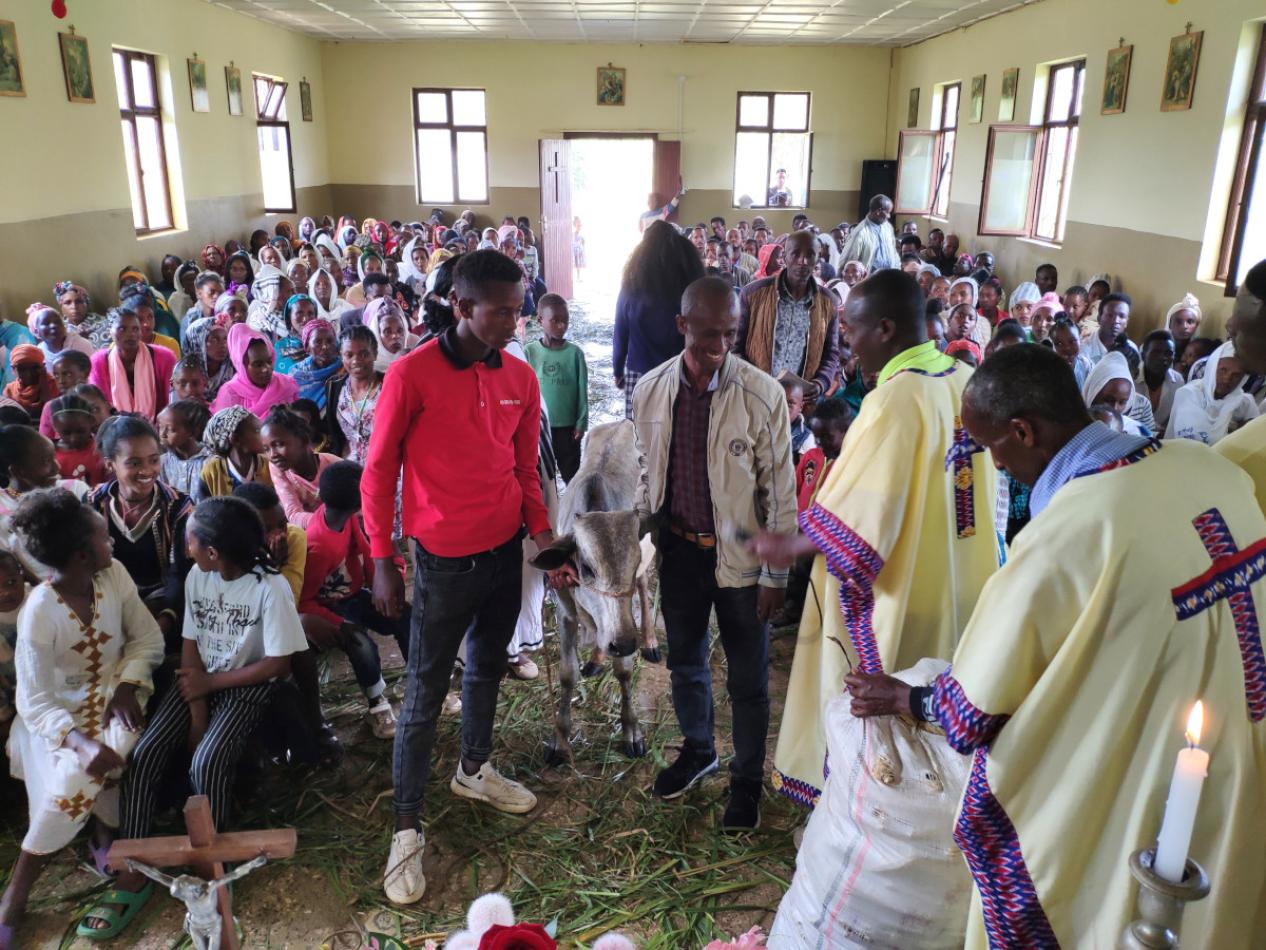
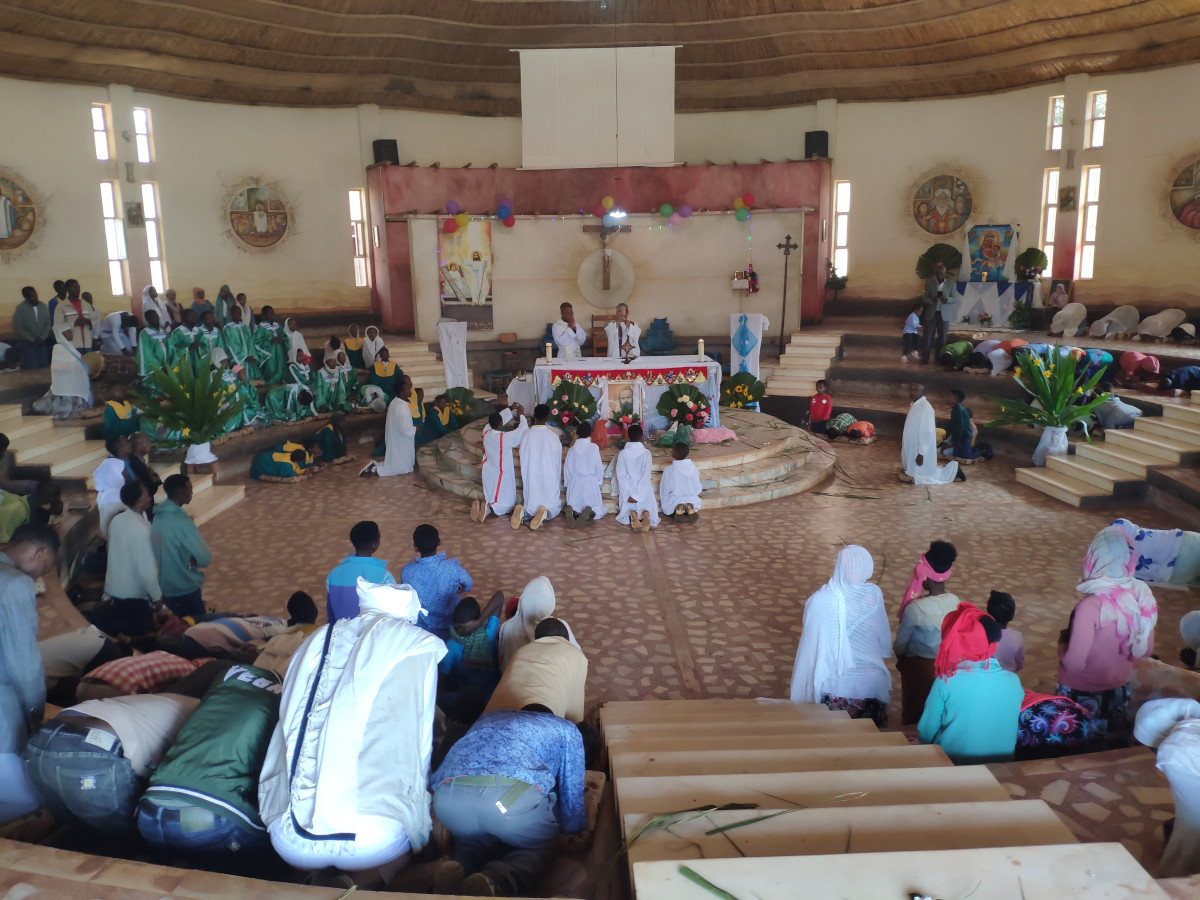
I lived almost thirteen years in Ethiopia and witnessed at first hand this tension between Worship and Mission, and how undue emphasis on Worship to the exclusion of all else can indeed dilute the missionary thrust in the Ethiopian Orthodox Tewahedo Church and, to a lesser degree, in the Ethiopian Catholic Church.
When I was in the Mission of Haro Wato, I was friends with Abba Yigram (I am not sure if I have spelt his name correctly), an Orthodox Priest in Sollamo, the Capital of Uraga District, some nine kilometres from the place where I lived.
One day, in one of our conversations through his wife or children – he was an Amhara from Gojjam and although he lived for over two decades among the Guji, he had never learned their language – I asked him why he didn’t go out of the walls of his his Church like Catholics and Protestants and announce the Gospel in the villages. He replied that every time he celebrated the Eucharist in Church he proclaimed the Word to the ‘four winds’.
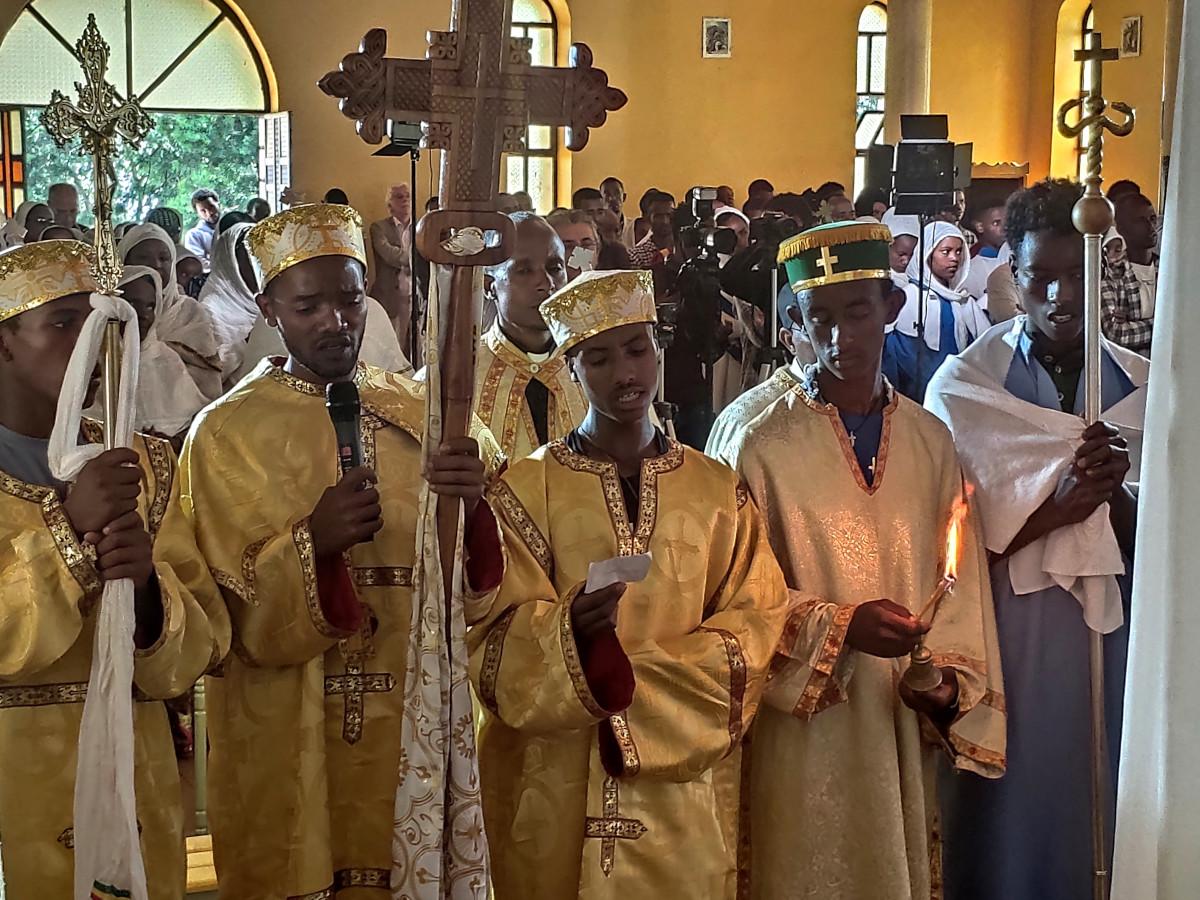
In fact, the Orthodox and Ethiopian Catholic Rites include four readings in the Eucharistic Celebration: from Paul’s Letters, the Catholic Epistles, the Acts of the Apostles and the Gospels. Usually each reading is proclaimed facing a cardinal point of the compass, with the Gospel announced facing the East.
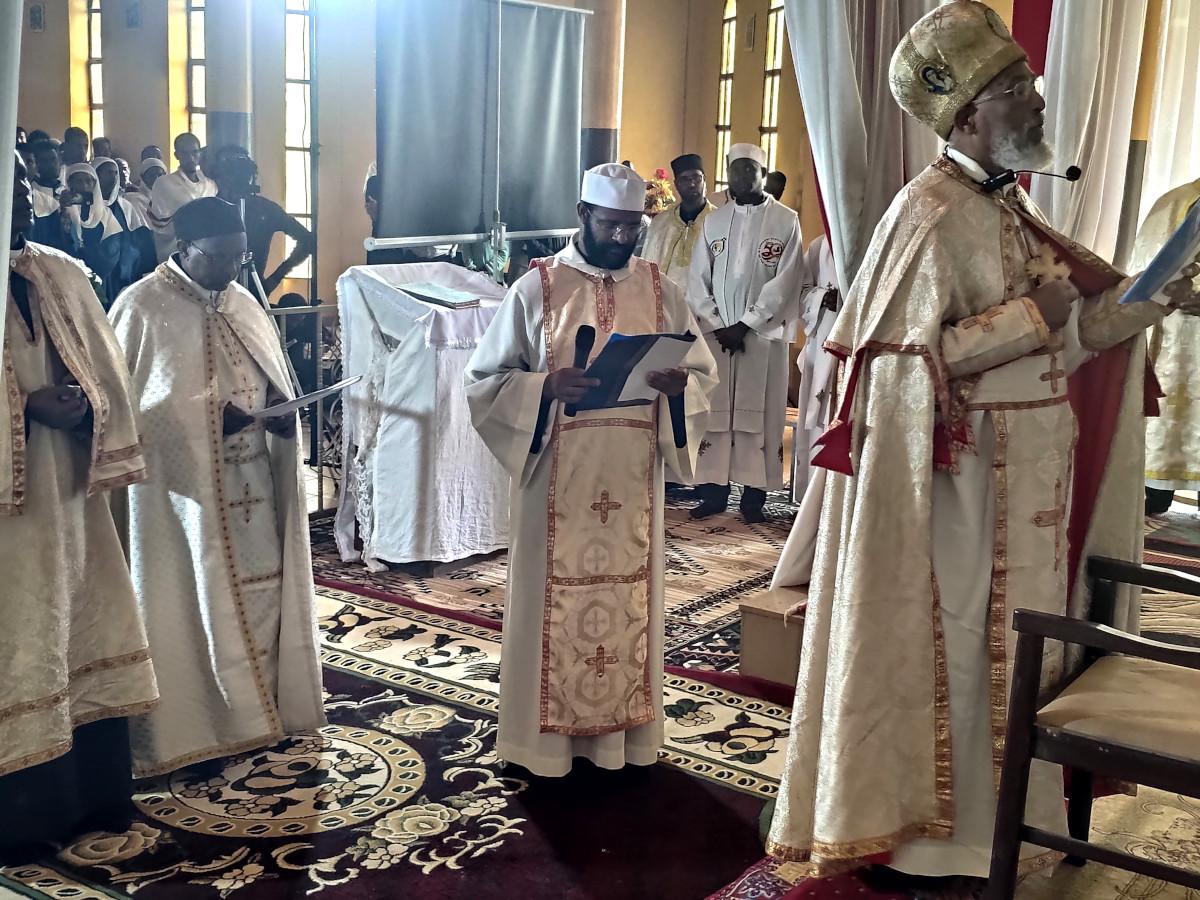
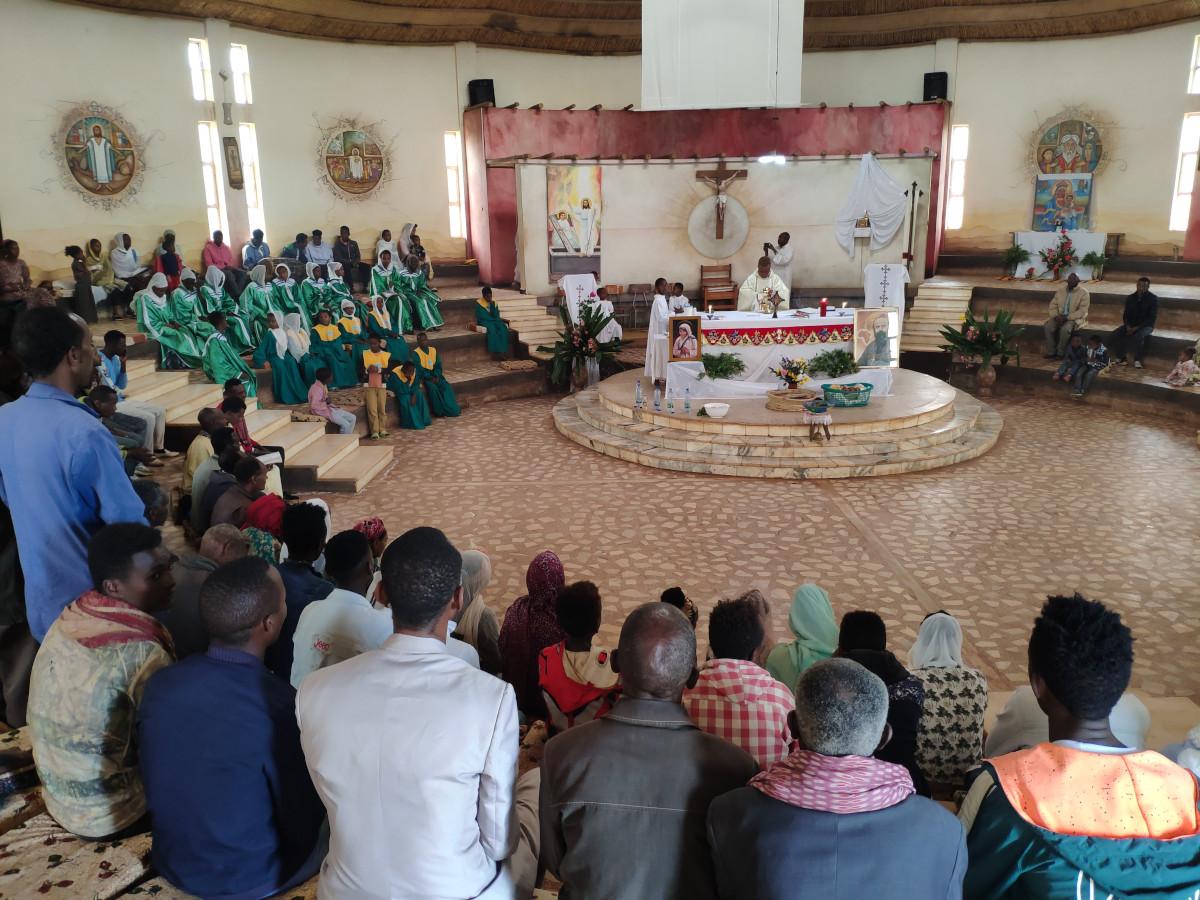
Eucharist for Mission
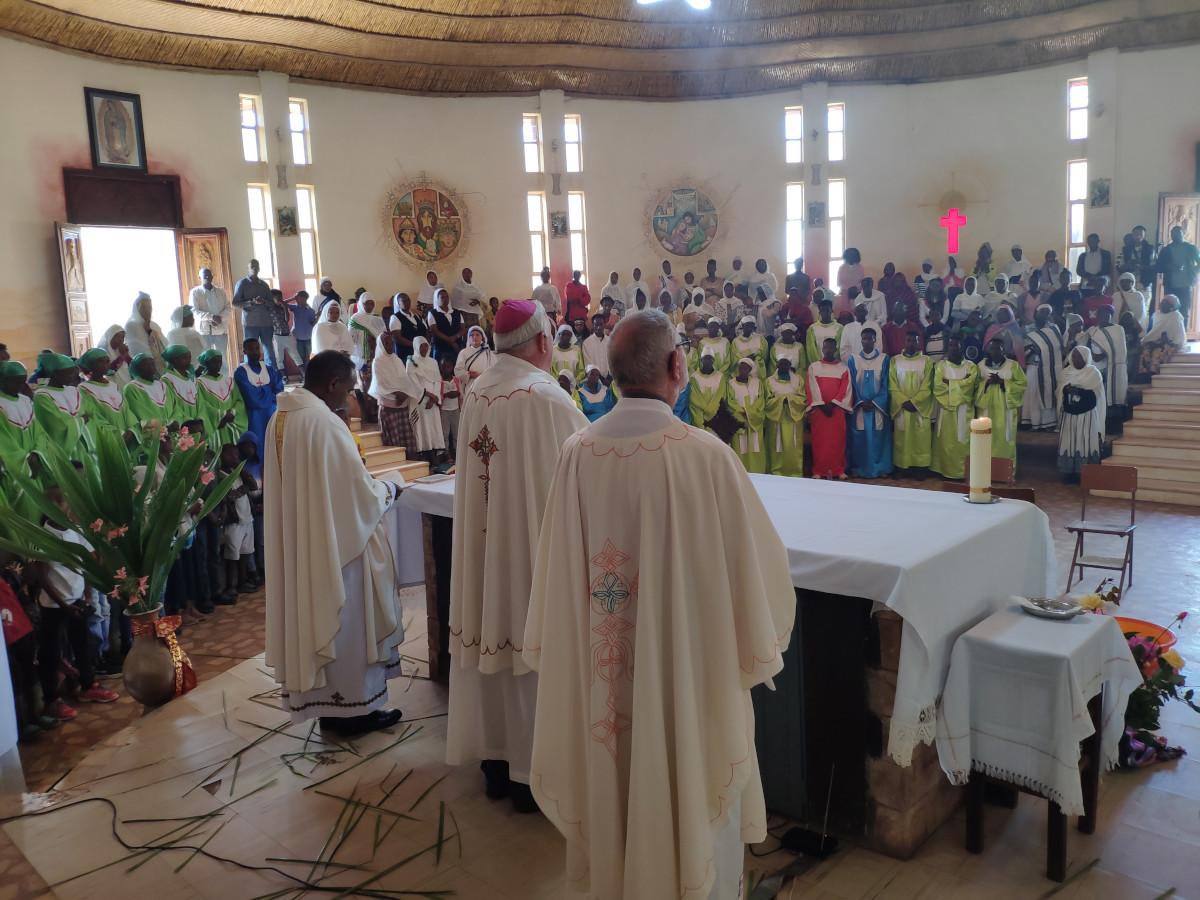
As Cardinal Roche underlines, the celebration of the Eucharist and the other Sacraments in the vernacular, with their abundance of God’s Word, is geared to promote a Church that is missionary and to prepare the Faithful for Mission; a Church that goes beyond its own worship and adds martiria (witness), diakonia (service) and koinonia (communion) to its liturgia (liturgy).
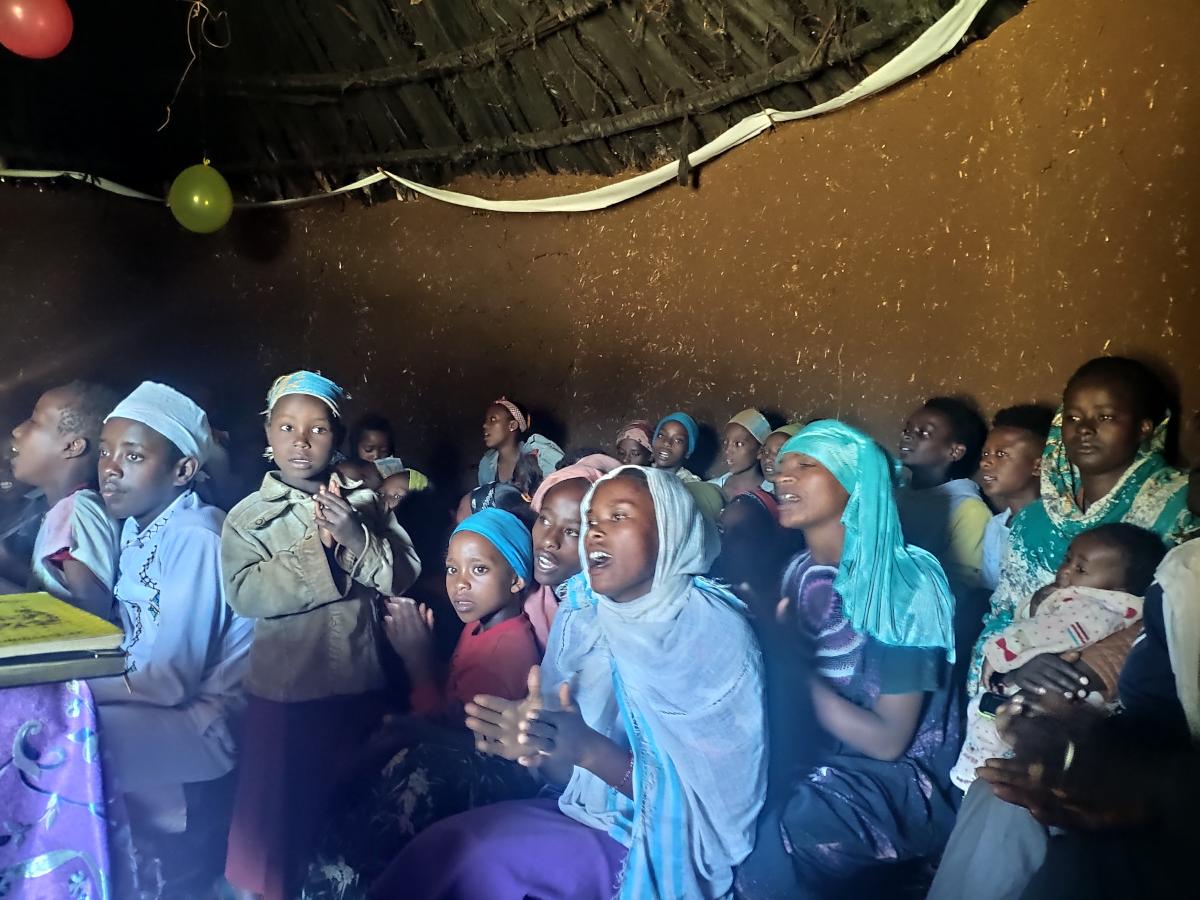
The Second Vatican Council proclaimed that the Eucharist is the source and the summit of Christian life and that the Church and all the baptised are missionary by their nature. The liturgy of the two tables – the table of the Word and the table of the Eucharist – is designed to feed the faithful and to send them into Mission. It also calls for a more inculturated and participatory celebration through song and dance – as I witnessed in the Sunday Masses I was privileged to celebrate in Ethiopia and in South Sudan.
It is interesting to note that the Mass in Latin in the new Roman Rite – approved in 1969 – concludes with the imperative Ite missa est. The Divine Liturgy and the Christian life do not end within the hallowed walls of the Church: rather it becomes ‘Mass’ in the world through the lives of the Faithful who have worshipped in Church.
José Vieira, MCCJ