
Daniel Comboni
Comboni Missionaries
Institutional area
Other links
Newsletter
Father Leonel Claro, from Chad to Portugal to revitalise the mission
Thursday, August 27, 2026
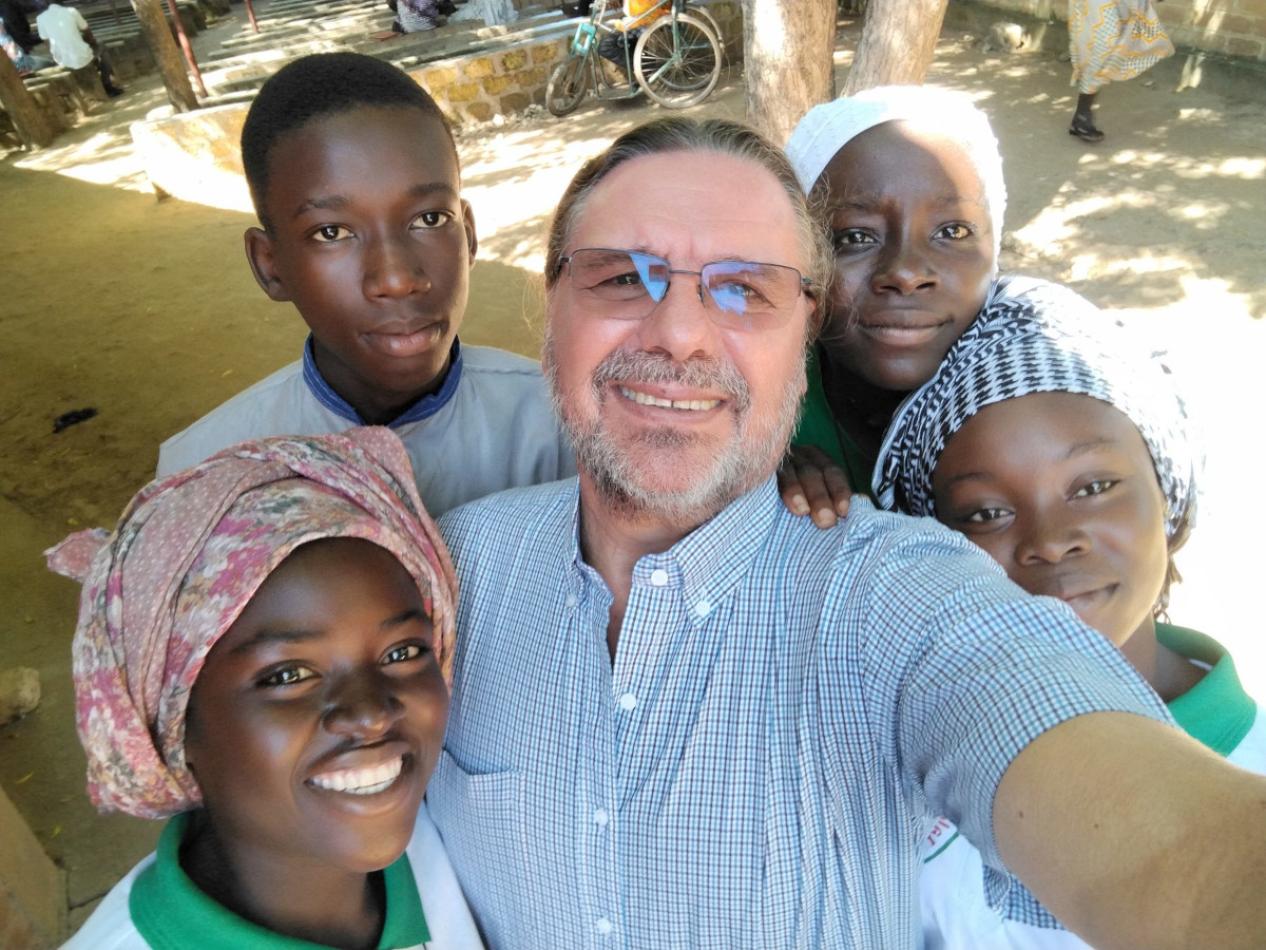
Father Leonel Claro, a Portuguese Comboni missionary, lived in Chad for 20 years across two distinct periods (1994-2004 and 2006-2025). He arrived in the aftermath of the civil war and learnt to share the “joy and simplicity” of those who have nothing. He will now serve the Portuguese Church through missionary and vocational animation.
Father Leonel Claro has returned to Portugal after ten years in Chad to assist with the missionary animation of the congregation and the dioceses in the north.
“I will be travelling around the north, working there on missionary and vocational animation.”
Ordained a priest in 1989, the missionary spent 20 years of his life in Chad, the mission country he chose and where he worked in two stints: from 1994 to 2004, and between 2006 and 2025.
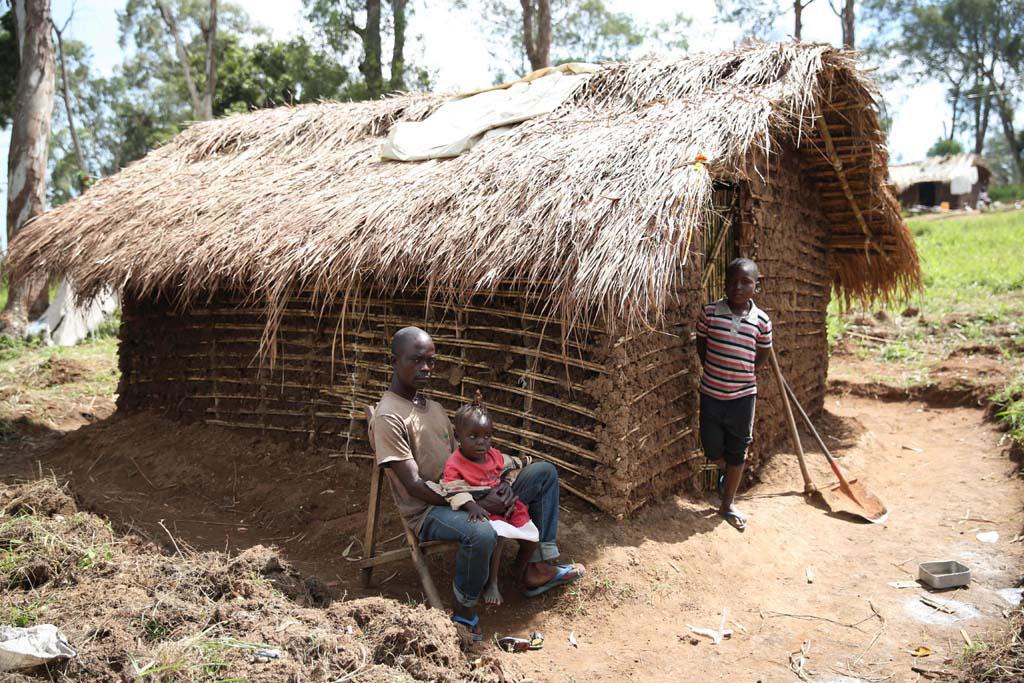
His first decade in that African country, which had just emerged from civil war from 1965 to 1990, was marked by poverty that proved to be “a shock”, as he found the country “in a worse state than he had imagined”.
“The country had recently emerged from a civil war, but seeing truly poor people, visibly so in their dirty clothes, with no prospects in life, was a shock. But over time, one immerses oneself in the culture and learns to love it,” he recalls.
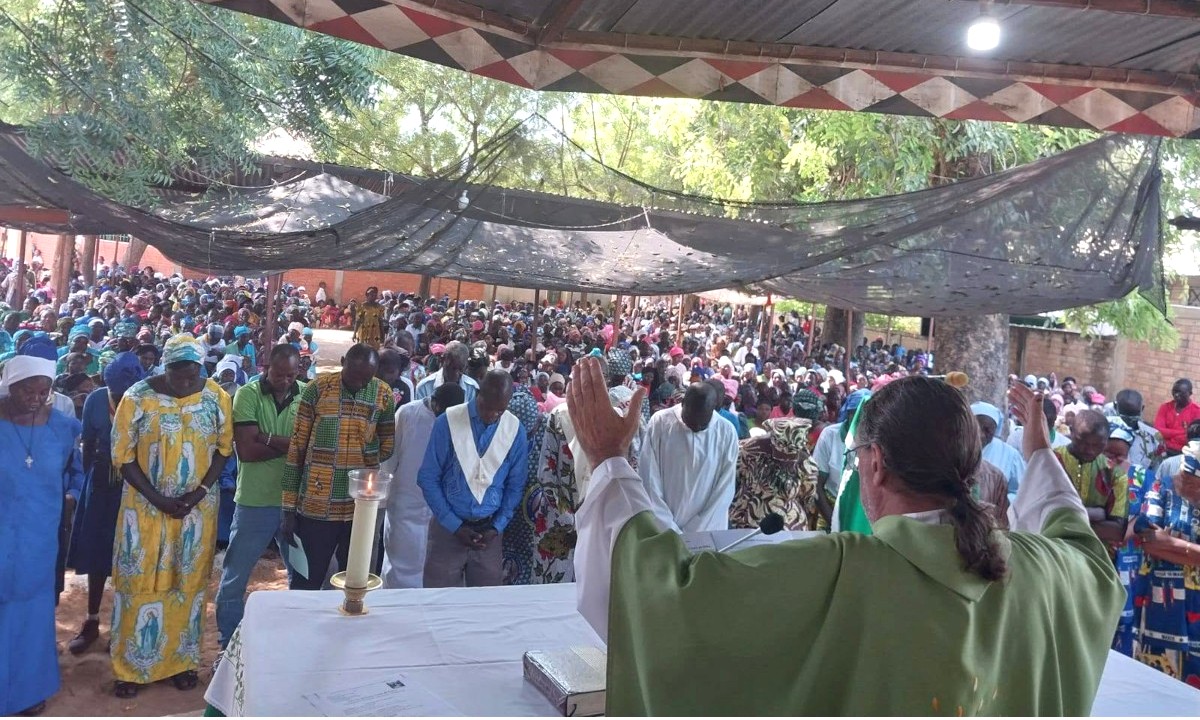
In Moïssala, a town in southern Chad, the Comboni missionary fell in love with the “warmth and simplicity of the people” in a community of 120,000 inhabitants, where only four per cent of the population was baptised.
“We travel around and only meet people without problems, without wickedness, without malice. People who do not know you yet welcome you as if you were the closest friend of the family. You experience that simplicity, the hospitality, the savoir-vivre, the joy. Amidst great poverty, you find the joy of the people. And every moonlit night, there is always music, and people gather to sing and dance,” he explains.
Living among the African people, Father Leonel learnt to value what one has in the present moment.
“Life was lived to the rhythm of daily hardships. People would walk five, 10, 15, or 20 kilometres to attend a Eucharist; some would arrive the day before because it might be the only celebration in six months or a year. We lived to the rhythm of nature, with absolute simplicity, communion, and sharing, making the most of today because one never knows if there will be a tomorrow,” he recounts.
When he returned to Chad, ten years after leaving the African country for a sabbatical year between Jerusalem and Paris, the missionary found a “structurally” more developed country. Assigned to a rural parish, his pastoral work centred on accompanying people “more closely”.
The African mission defines a significant part of Father Leonel's life, and he grounds his vocation in his work with the youth.
“Contact with young people helped me to identify my vocation. Whether through their language, fellowship, irreverence, or behaviour, young people challenge us and make us step outside the usual protocols. It is more difficult work than with others, whether children or adults, but it is freer,” he states.
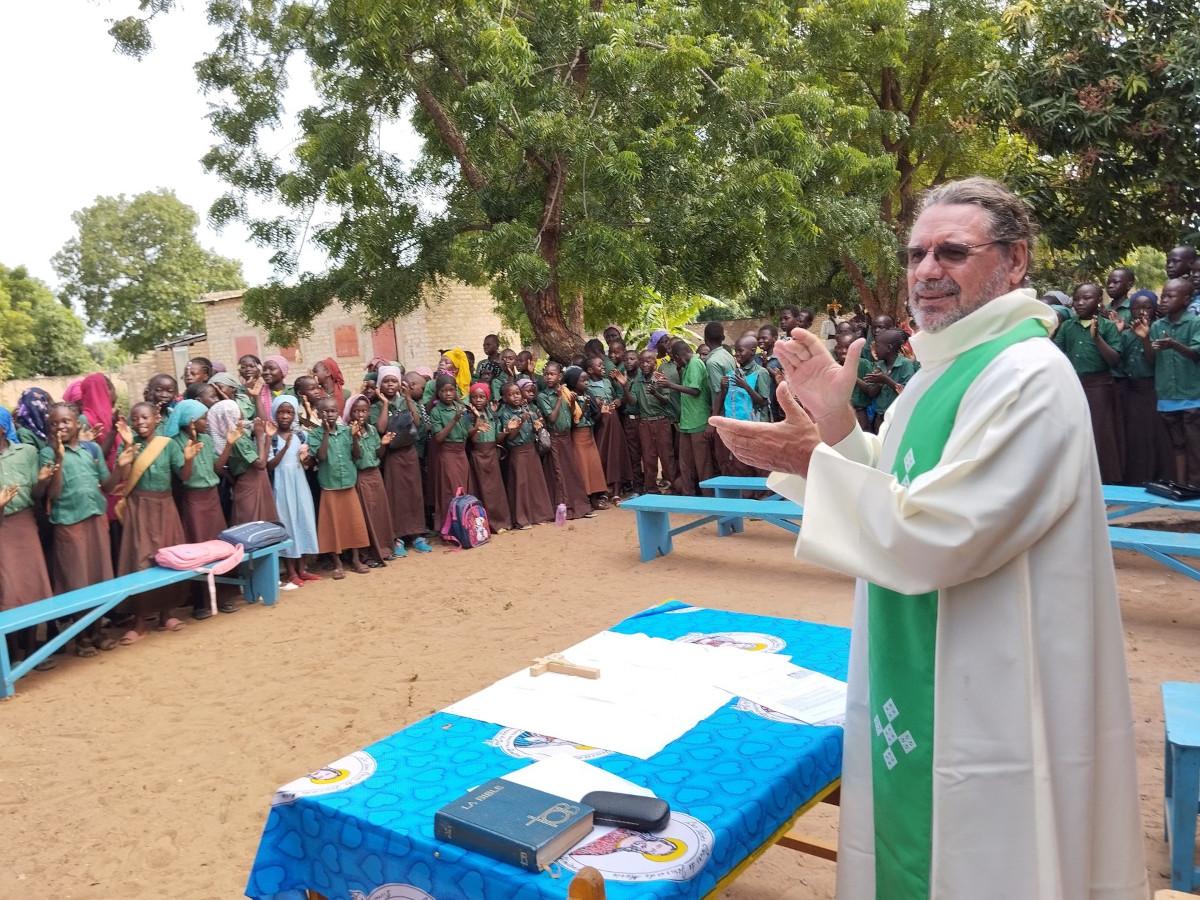
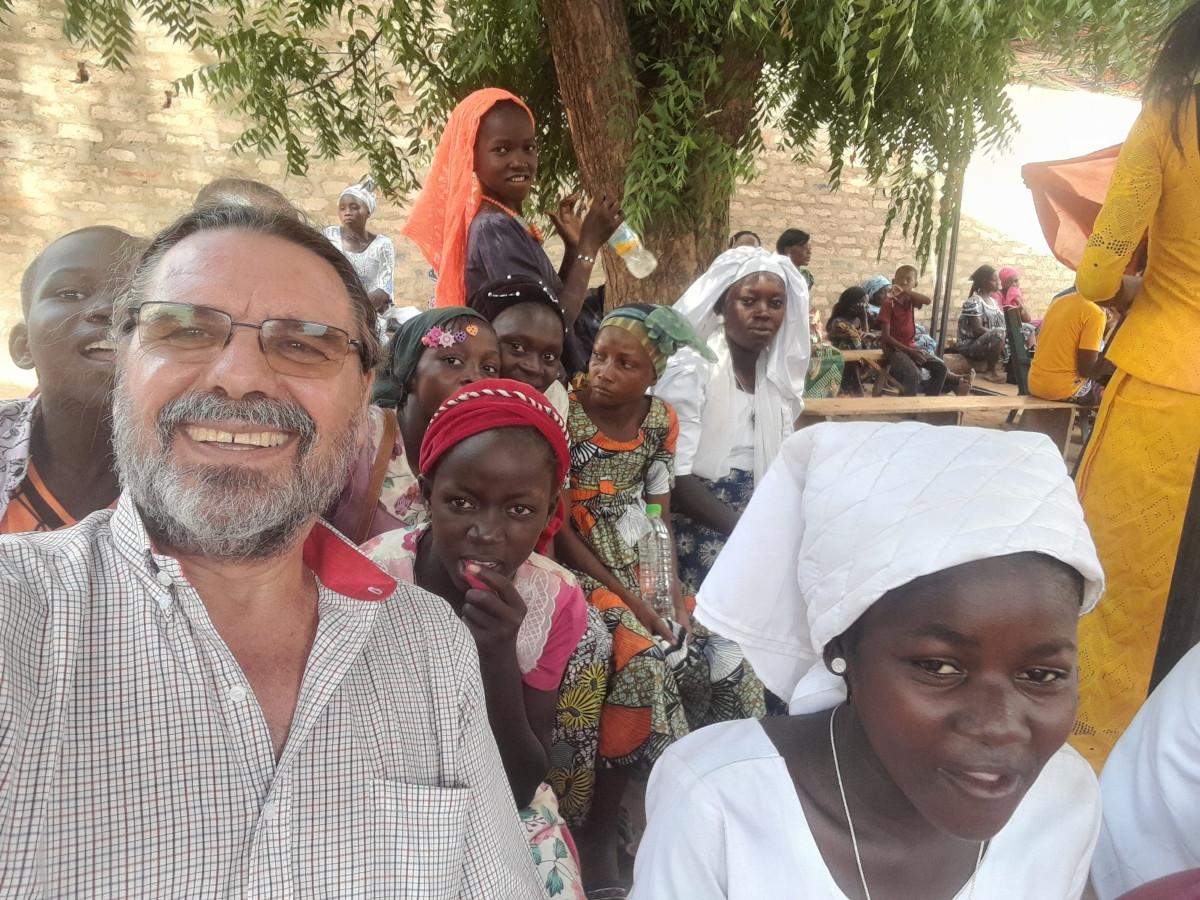
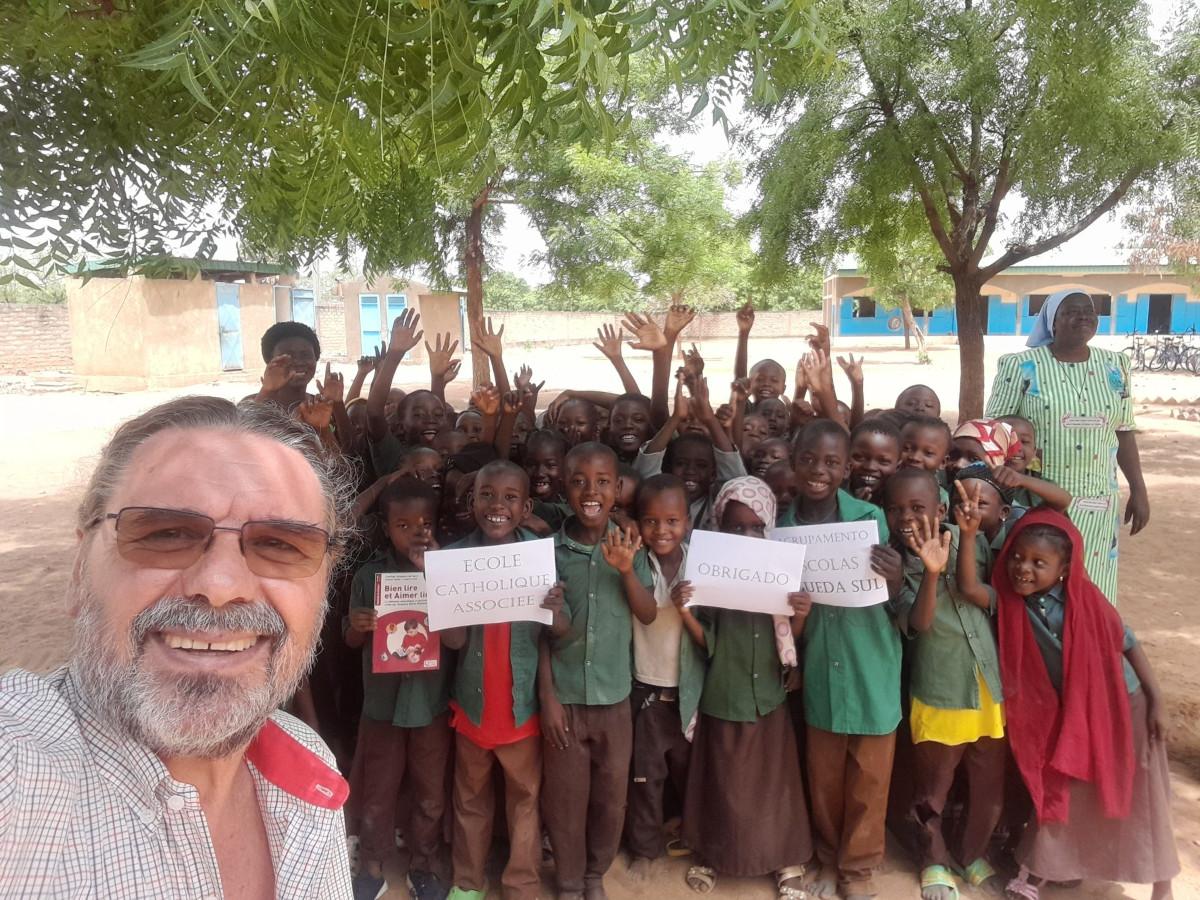
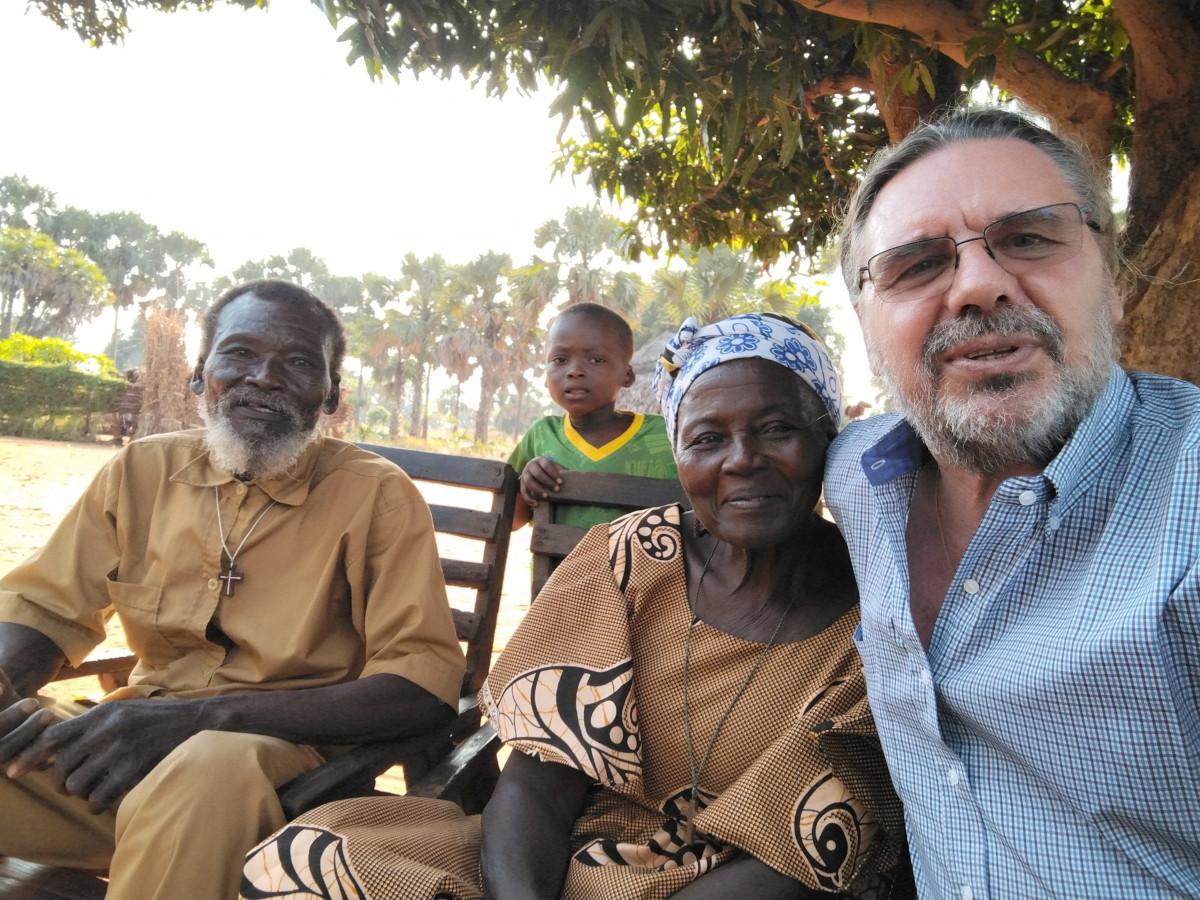
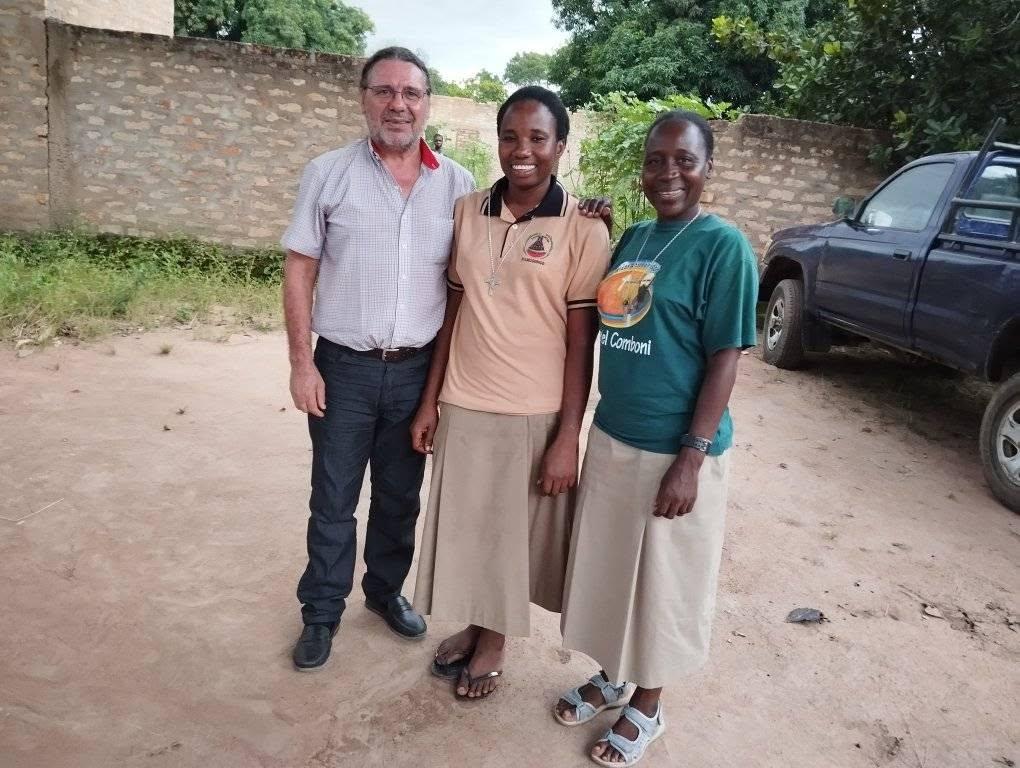
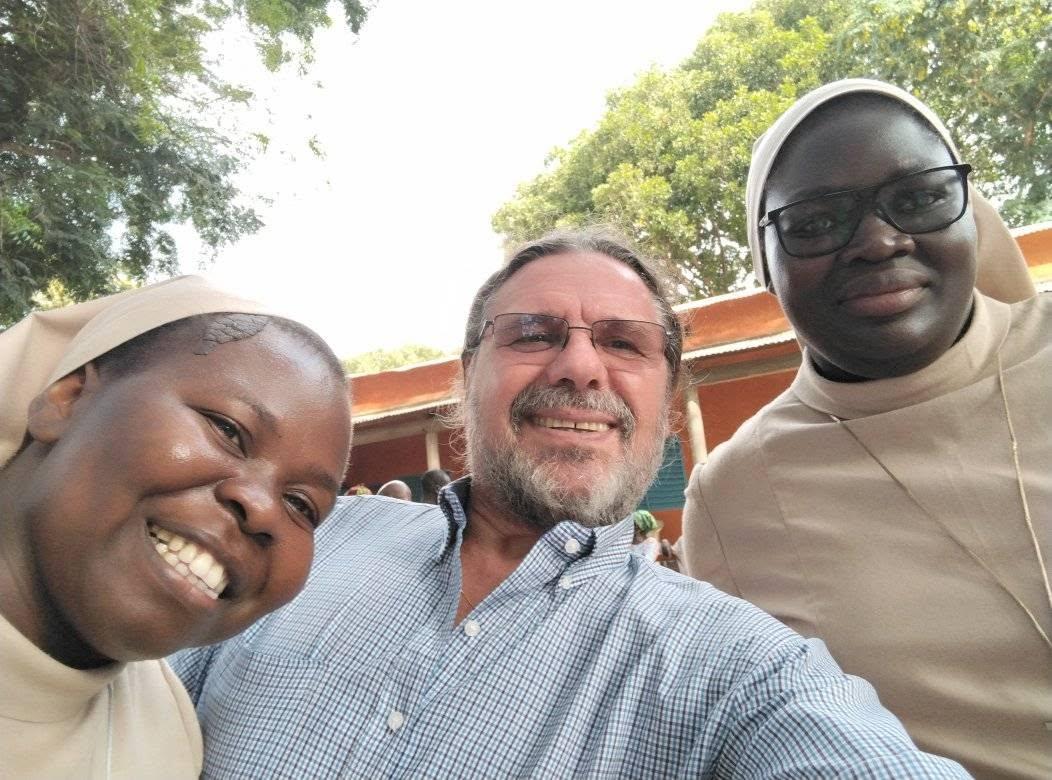
Father Leonel is the driving force behind the Portuguese musical project “Banda Missio”, which seeks to evangelise through music, with a strong emphasis on the word.
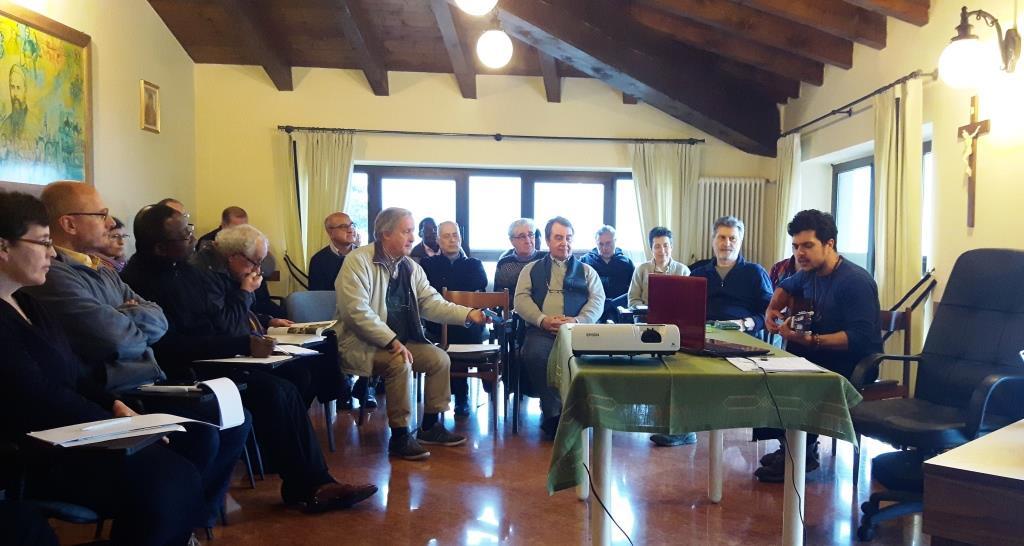
“When we gave a concert, the first thing I would ask the sound technician was to ensure the music did not drown out the voice. Music is an instrument; it is an aid to convey the vocational message, the message of religious prayer, of solidarity, fraternity, and, above all, of the mission,” he explains.
Father Leonel is now part of the Comboni community in Vila Nova de Famalicão.