
Daniel Comboni
Comboni Missionaries
Institutional area
Other links
Newsletter
DR Congo: Bishop calls for individual and community responsibility to fight Ebola epidemic
Monday, August 31, 2026
The eastern region of the Democratic Republic of the Congo is facing another outbreak of the Ebola virus which, since last May, has infected more than 5,700 people and claimed 2,700 lives. Bishop Sikuli Paluku Melchisédech has appealed for individual and community responsibility to help contain the epidemic.
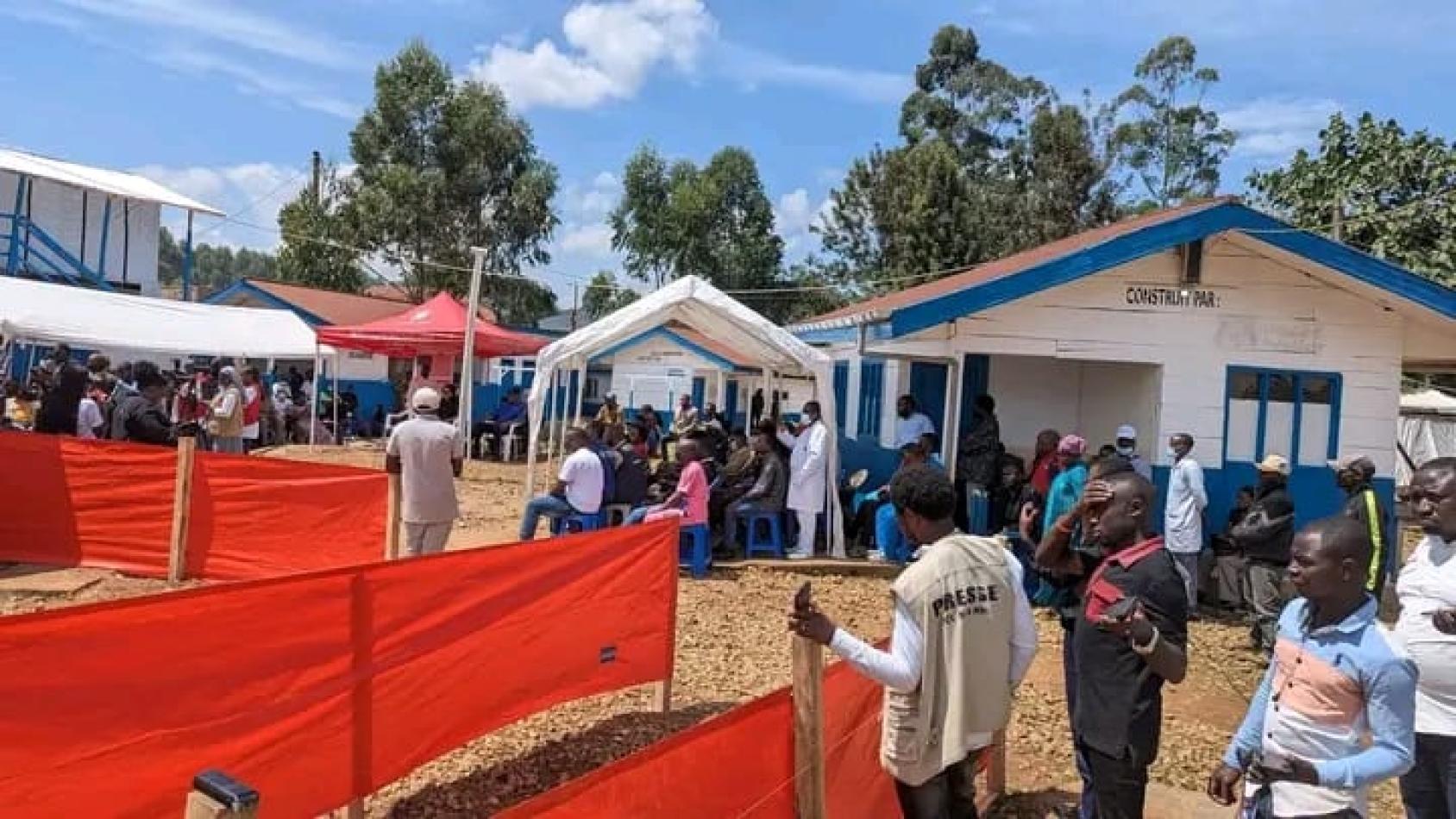
The outbreak of haemorrhagic fever caused by the Ebola virus is devastating families in three eastern provinces of the Democratic Republic of Congo: Ituri, Haut-Uélé and North Kivu.
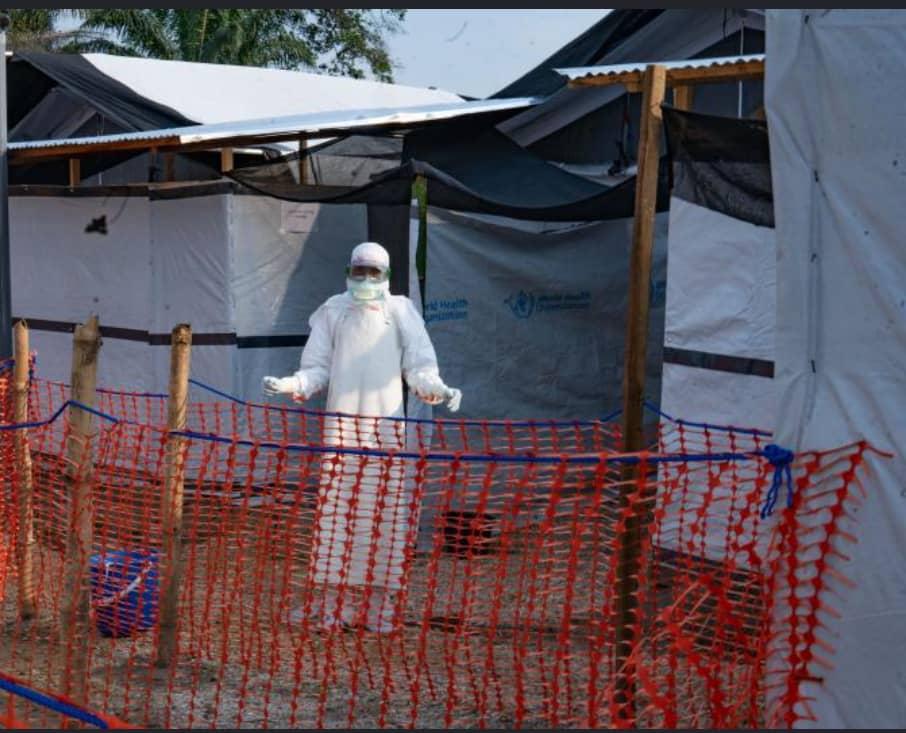
The pathogen responsible for the outbreak – the Bundibugyo species of the virus – has neither a cure nor a vaccine. The disease spreads very rapidly, and the risk of death is high if victims are not promptly isolated and their symptoms treated.
According to public health experts contacted locally, the disease is transmitted from person to person through direct contact with bodily fluids and through contact with infected corpses.
Currently, no specific and effective antiviral treatment is available. Health professionals are therefore limited to treating the symptoms.
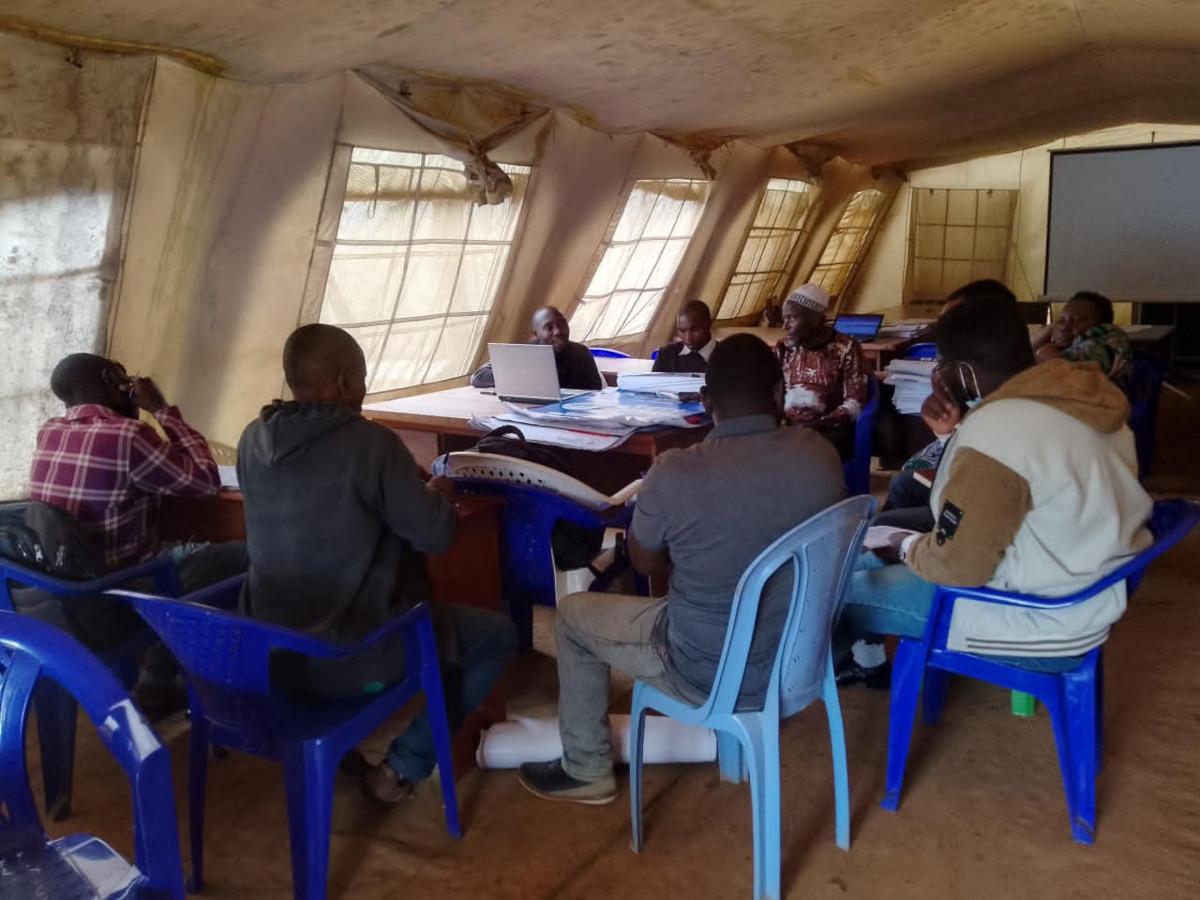
Local leaders are actively engaged in the fight against the disease which, alongside the insecurity affecting the region, continues to claim countless human lives.
The Church’s Contribution
The Church has not remained indifferent to this outbreak of haemorrhagic fever, described as the fastest-spreading and deadliest ever.
The bishop of the Diocese of Butembo-Beni, Mgr Sikuli Paluku Melchisédech, prepared a message entitled “Together to Stop the Spread of Ebola Virus Disease”, in which he presented recommendations for Christian communities to follow in response to the epidemic.
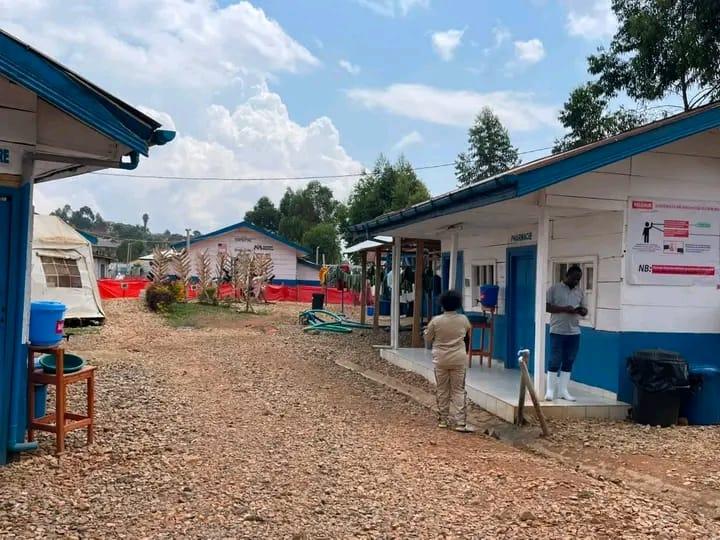
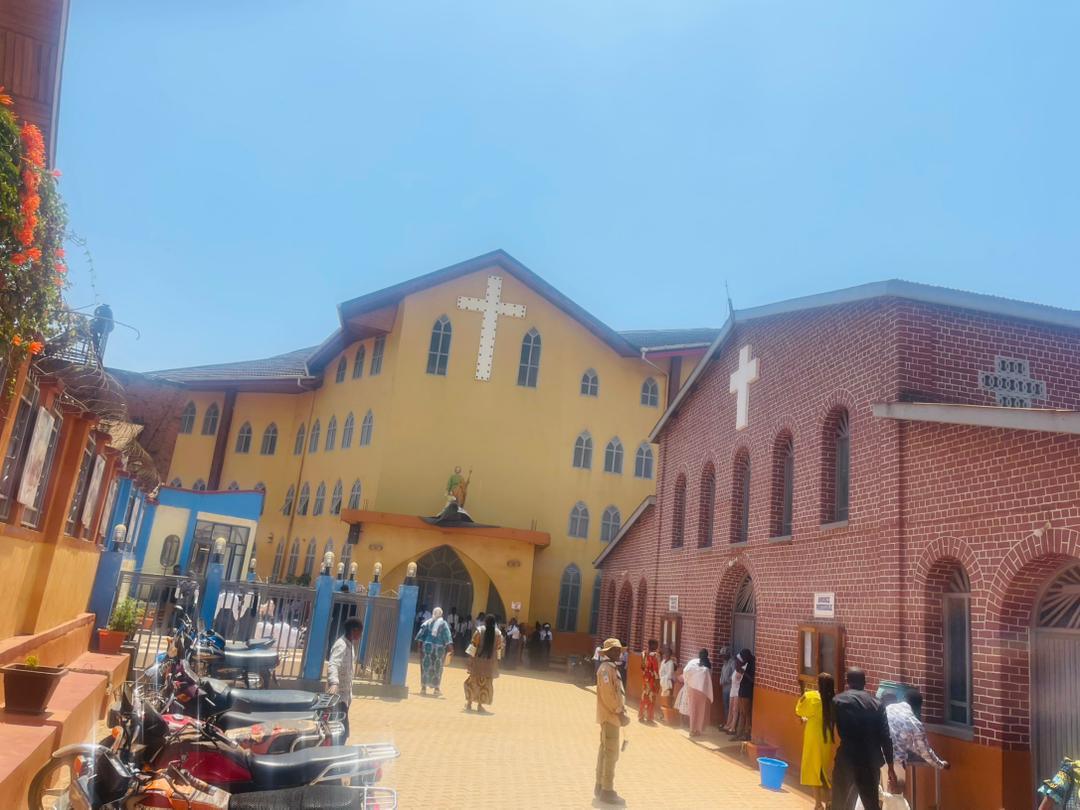
He ordered the installation of handwashing facilities or water points at the various entrances to churches, shrines, chapels and other places of gathering or liturgical celebrations, and called on people to wash their hands with soap or disinfectant before entering places of worship.
The prelate also suspended, until further notice, funeral Masses with the body present in churches and moved the collection of offerings to after Communion. He also suspended large gatherings and activities at diocesan shrines.
Awareness-raising and prevention remain the most effective means of curbing the rapid spread of the disease, and the Church is committed to supporting these efforts.
Lack of Resources and Communication Challenges
Public awareness efforts are not without difficulties, including mistrust between those responsible for responding to the epidemic and the local population. At times, some people even doubt the existence of the disease. Others hide sick individuals in their homes, thereby contributing to the rapid transmission of the virus.
Another challenge is the limited availability of handwashing facilities in certain public places, such as health centres, universities, schools and churches.
Insufficient information from health authorities regarding the evolution of the disease also creates room for the spread of false information (fake news).
The response to the epidemic continues on the fronts of treatment, awareness-raising and prevention, with the aim of saving human lives and breaking the chain of transmission.
This effort requires personal awareness, community responsibility and solidarity from everyone, so that the transmission of the Ebola virus can be stopped.
Father Michel Muhindo Kyasalya, mccj