
Daniel Comboni
Comboni Missionaries
Institutional area
Other links
Newsletter
Ten commandments for Christians who are friends of Creation, with missionary actions


Monday, September 4, 2026
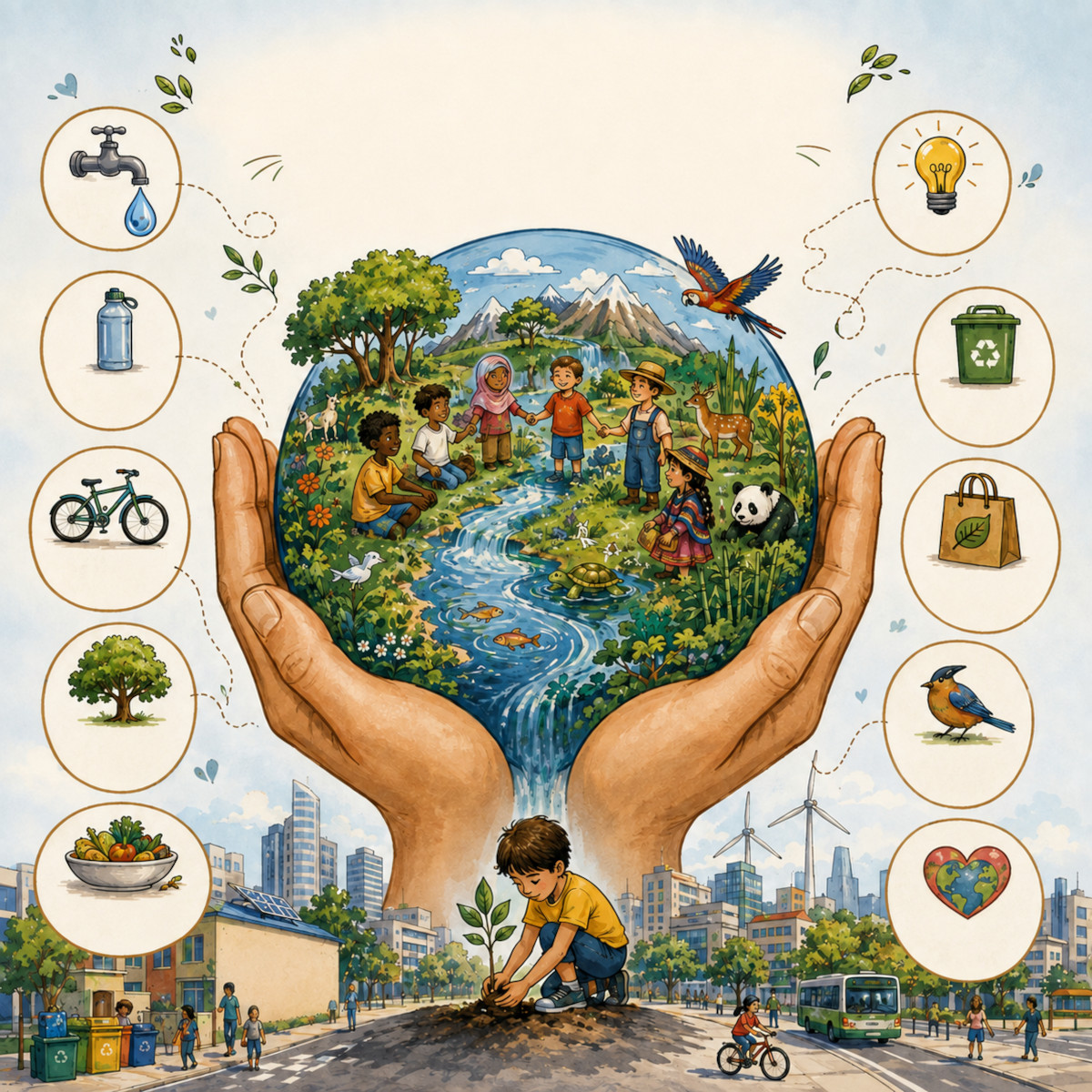
Every day, we can raise a prayer to God for Creation. Yet, saying “Amen” means turning prayer into concrete actions, because ecological conversion begins when we realise that caring for our Common Home is an imperative of our faith.
First — You shall love Creation as a gift from God.
You shall not look upon Nature as something that belongs to you, but as a gift you have received and for which you are responsible to pass on to future generations.
Missionary Action: I will choose a place in Nature — a tree, a garden, a river, a beach — and spend a few minutes in front of it. I will observe it, thank God, and commit myself to caring for this small part of our Common Home.
Second — You shall not waste.
Water, food, energy, clothing, paper, time… Waste may seem small, but multiplied by millions of people, it becomes an enormous wound upon the Earth. Before throwing something away, you shall ask yourself: “Do I really no longer need this? Do I know someone who might need it?” Waste is a silent form of injustice.
Missionary Action: I will not throw away food that can still be used. I will save it, freeze it, turn it into another meal, or share it with someone.
Third — You shall not turn consumption into a god.
You shall not buy simply because you can. You will learn to distinguish between what you need and what you merely desire. Happiness does not fit into a shopping cart.
Missionary Action: Before buying something, I will wait 24 hours and ask myself: “Do I really need this?” If the answer is no, I will not buy it. I will save that money for something truly necessary or to help someone.
Fourth — You shall respect water.
You shall not leave a tap running unnecessarily, nor use water as though it were inexhaustible. You shall defend rivers, streams, aquifers, and oceans. Water is life. You cannot behave as though it were infinite.
Missionary Action: I will turn off the tap while brushing my teeth and reduce the length of my showers. I will also calculate how much water I have managed to save throughout the day.
Fifth — You shall not turn the Earth into your rubbish bin.
You shall reduce, reuse, repair, and recycle. And you shall remember that the best waste is that which is never produced. You will recognise that the planet cannot continue to receive everything you decide to throw away, and that reducing is better than recycling.
Missionary Action: I will choose reusable products for my household needs. I will avoid unnecessary bags and refuse packaging that I do not need.
Sixth — You shall protect animals and plants.
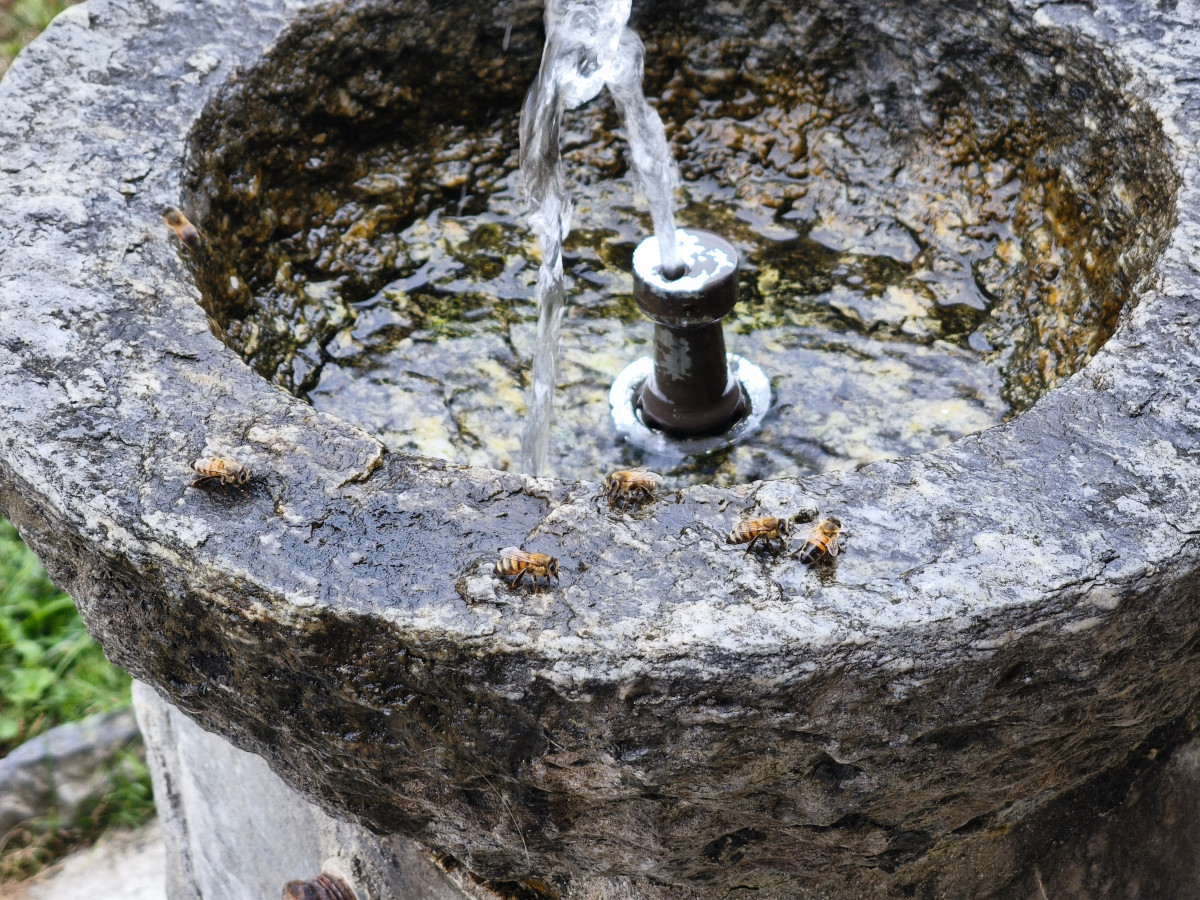
You shall not consider an insect, a swallow, a tree, or a small flower useless. Every creature has its place in God’s work and in the wonderful web of life.
Missionary Action: I will plant a flower, aromatic herbs, or another species suitable for my space that can feed or shelter insects. If I do not have space, I will support a green area.
Seventh — You shall care for the climate also with your feet.
Whenever possible, you shall walk, cycle, or use public transport, reducing whatever unnecessarily contributes to the warming of the planet.
Missionary Action: I will choose at least one day this week to make, on foot, by bicycle, or by public transport, a journey that I would normally make by car.
Eighth — You shall not be indifferent.
When you see a destroyed forest, a polluted river, a beach full of rubbish, or an endangered species, you shall not simply say: “Someone should do something.” You are that someone. When Creation is threatened, we are all called to act.
Missionary Action: I will choose an environmental problem in my local area — rubbish, water waste, threatened trees, pollution, or neglected green spaces — and learn more about it. Then, I will speak about it with at least one person and make my contribution in the best way I can.
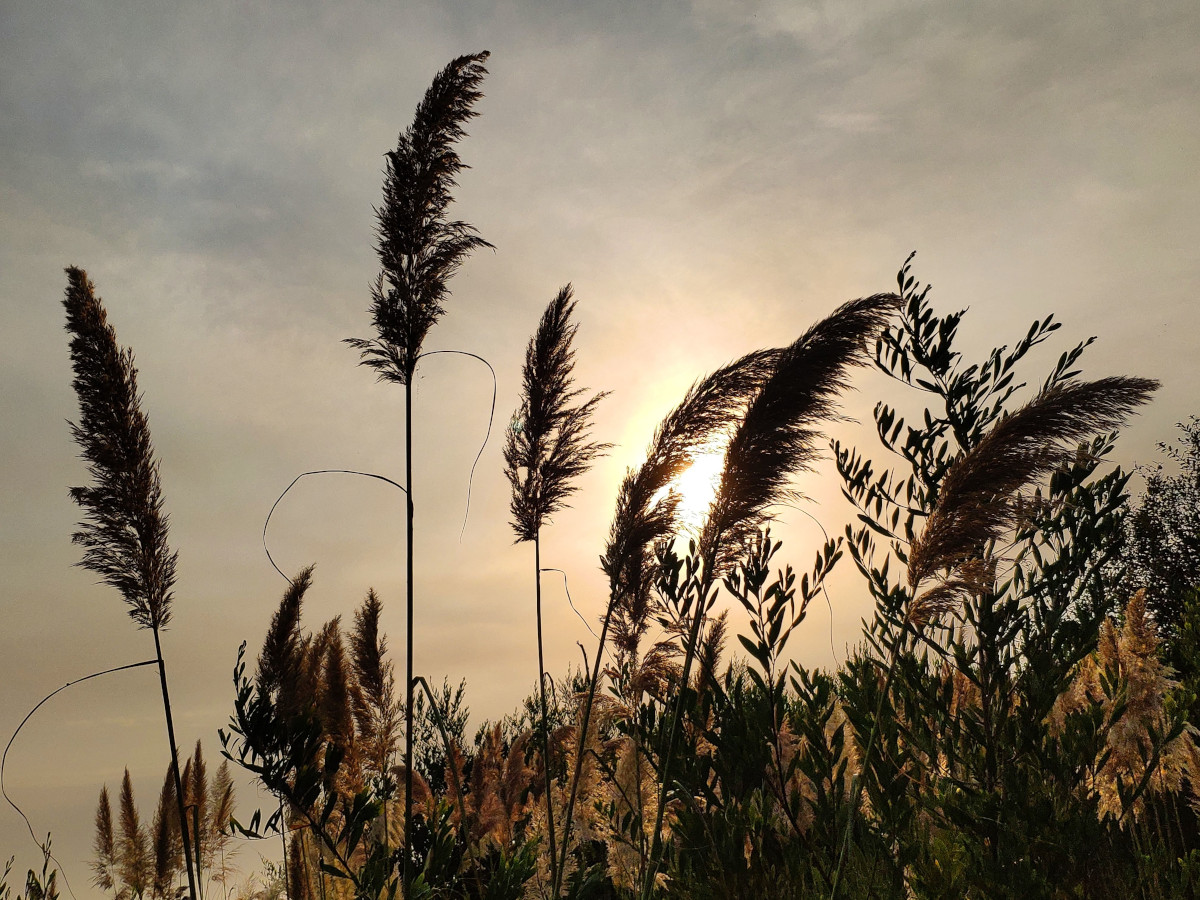
Ninth — You shall not use Nature only for your own pleasure.
When you go to the beach, the mountains, or the countryside, remember: you are visiting a home that is not yours. Leave behind only footprints — and take with you photographs, memories, and gratitude.
Missionary Action: During my walks, I will thank those who keep public spaces clean; I will pick up litter I find along the way (there is no need to wait for a major campaign to carry out a small clean-up); and I will draw attention to anyone who is polluting or littering.
Tenth — You shall turn prayer into action.
You shall pray for Creation, yes. But prayer cannot end when you say “Amen.” You must rise and do something for it. Because it is not enough to ask God to care for our Common Home if we ourselves refuse to care for it.
Missionary Action: Every day, I will offer a brief prayer for our Common Home. And immediately afterwards, I will carry out a concrete act of care for Nature. One prayer. One action. Every day.
And an Eleventh Commandment — You shall not say: “It is only a small thing.”
A tap turned off.
A meal not wasted.
A bottle reused.
A tree planted.
A journey made on foot.
A piece of rubbish removed from the beach.
A child taught to love a flower.
They may seem like small things.
But it is from small things that God brings forth great changes.
Ecological conversion does not begin with the planet.
It begins with me.
And perhaps the most important question of this month is this:
“What change in my life will be born from my prayer for Creation?”
Fernando Félix