
Daniel Comboni
Comboni Missionaries
Institutional area
Other links
Newsletter
Migrants. Resource or Problem?
Friday, September 25, 2026
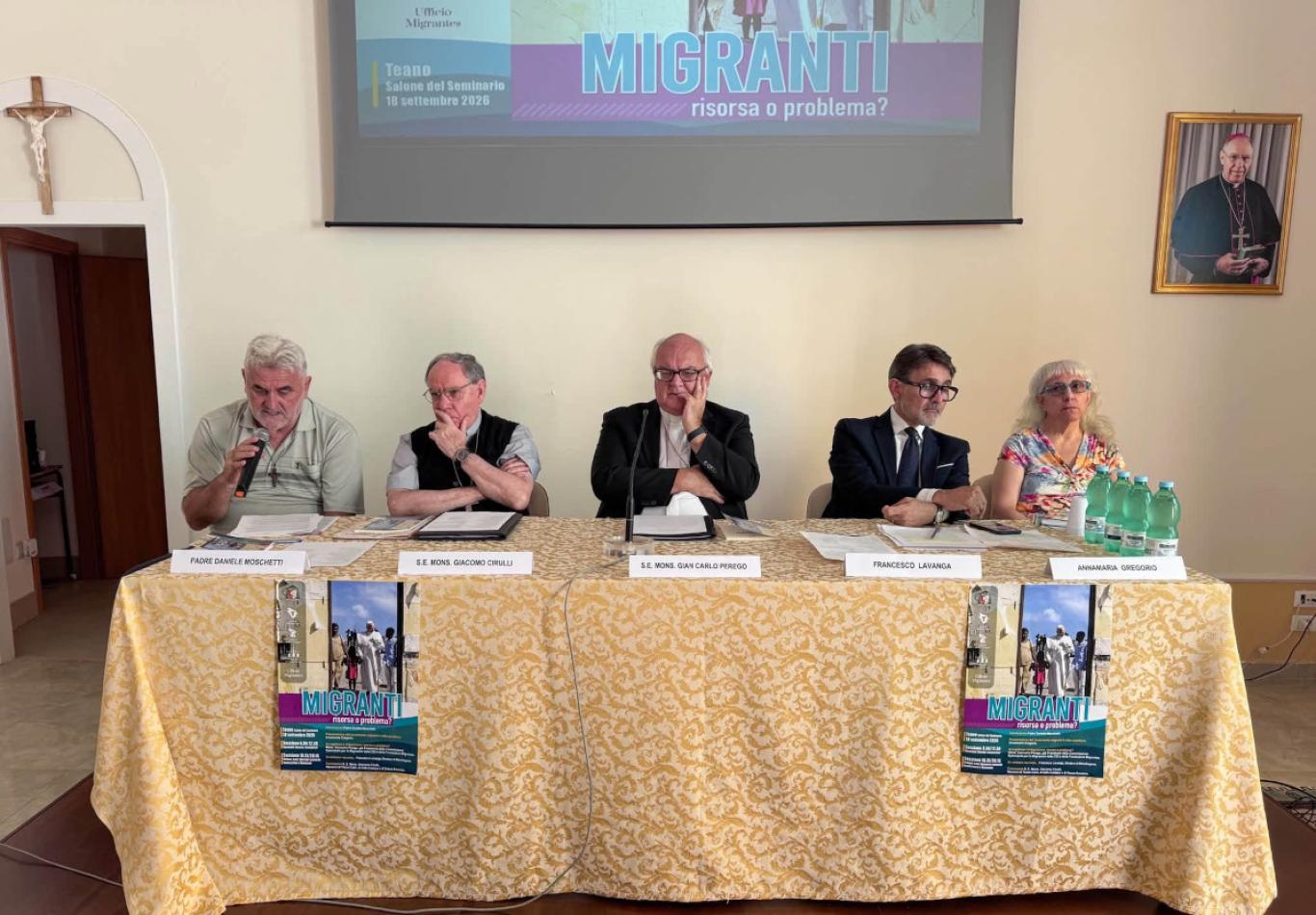
“Migrants. Resource or Problem?” was the title of the meeting organized by the Migrantes Office of the Dioceses of Teano-Calvi, Alife-Caiazzo, and Sessa Aurunca on Friday, September 18. The initiative brought together priests and deacons for the first session of discussion and dialogue, followed by mayors, associations, and citizens in the second session. Both events were held in the Seminary Hall in Teano.
At the heart of the discussion, as Bishop Giacomo Cirulli emphasized in his opening remarks, was “the desire to understand, in the territories of our dioceses, the situation we are experiencing with regard to the presence and living conditions of migrants who arrive, reside here, or sometimes live in the shadows.”
Numbers were one of the central elements of the meeting: a census carried out across the three dioceses of the Upper Caserta area, in cooperation with the 51 municipalities that make up the diocesan territories, to provide an overview of the migrants surveyed in terms of nationality, educational background, and employment.
In light of the data, the participants reflected on how the presence of “foreigners” can represent a resource rather than a problem, moving beyond distorted interpretations of migration and excessive alarmism, while recognizing that there are situations involving public order, exploitation, crime, or school absenteeism.
Taking part in the discussion alongside the Bishop were Father Daniele Moschetti, a Comboni missionary and director of the interdiocesan Migrantes Office; Mgr. Giancarlo Perego, Bishop of Ferrara-Comacchio and former president of the Migrantes Foundation of the Italian Bishops’ Conference; Annamaria Gregorio, head of the Immigrants’ Support Desk in the Diocese of Alife-Caiazzo and coordinator of the census presented during the meeting; and Francesco Lavanga, mayor of Mondragone, the municipality in the Upper Caserta area with the largest number of resident migrants.
Father Moschetti, in his opening address, emphasized how the Gospel and, even more broadly, Sacred Scripture in all its richness call upon us to understand and welcome the “foreigner,” and how this social condition has concerned peoples and nations throughout history.
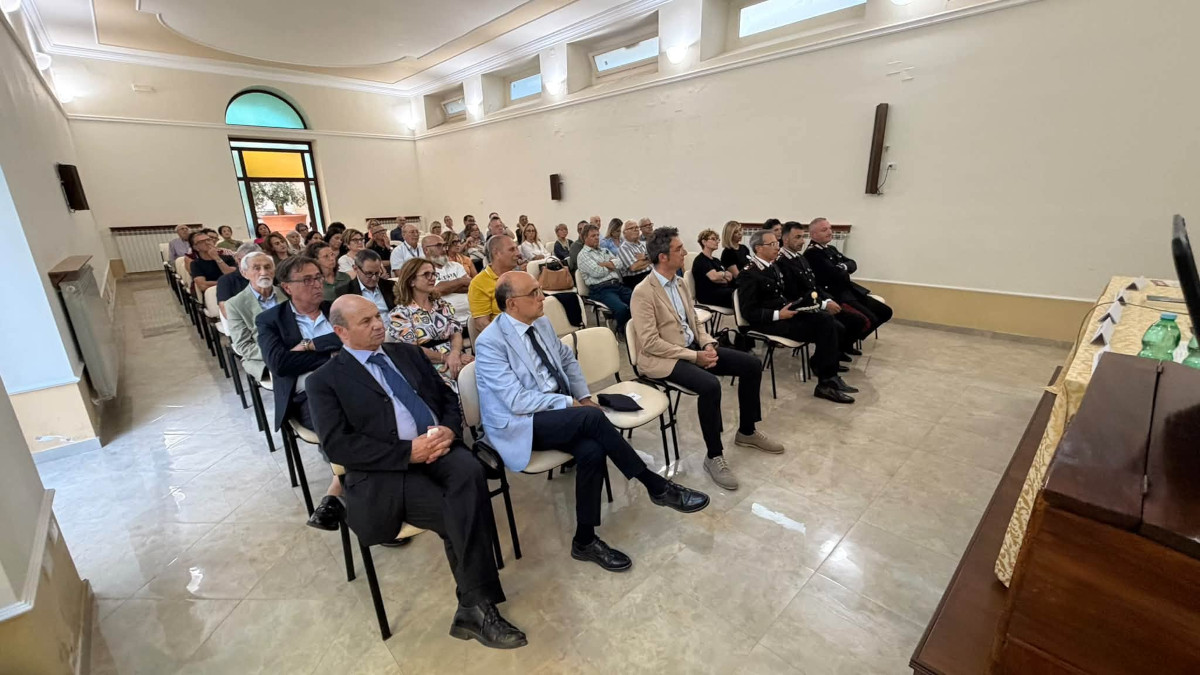
Work, rights and integration: the challenge for the future of local communities
Mgr. Perego was entrusted with presenting the figures, migration trends, and political choices. Data from ISTAT, state and ecclesiastical research institutes, together with experiences and testimonies, paint a picture of an Italy that is no longer attracting either foreigners or its own young people, as demonstrated by departures to other European destinations.
What is missing? Services, opportunities for social and professional integration, fairly paid employment, recognition of essential rights, and a streamlined and transparent bureaucracy. Yet migrants are precisely the people who, by providing their labour, supply the workforce in sectors that have progressively lost Italian workers.
The foreigners living in the territories of the three dioceses are predominantly European, mainly Romanian and Bulgarian, with the former generally more integrated than the latter. They are followed by African and Asian communities.
The mayor of Mondragone, Francesco Lavanga, confirmed the social and humanitarian difficulties observed, emphasizing the importance of a State that is present through projects, legislation, guarantees, and resources aimed at promoting integration, safeguarding rights, and encouraging those who arrive to remain and become a decisive part of productive and civic growth, also in response to the depopulation of inland areas.
The awareness that, together with us, they represent the future of our communities: this was the message with which the mayor of Mondragone concluded, inviting people to look at the phenomenon with less concern and more ideas.
At the end of the meetings, a book containing the speakers’ contributions and the census of migrants in the Upper Caserta area was distributed.
Grazia Biasi