
Daniel Comboni
Comboni Missionaries
Institutional area
Other links
Newsletter
Mission transforms us
Tuesday, October 6, 2026
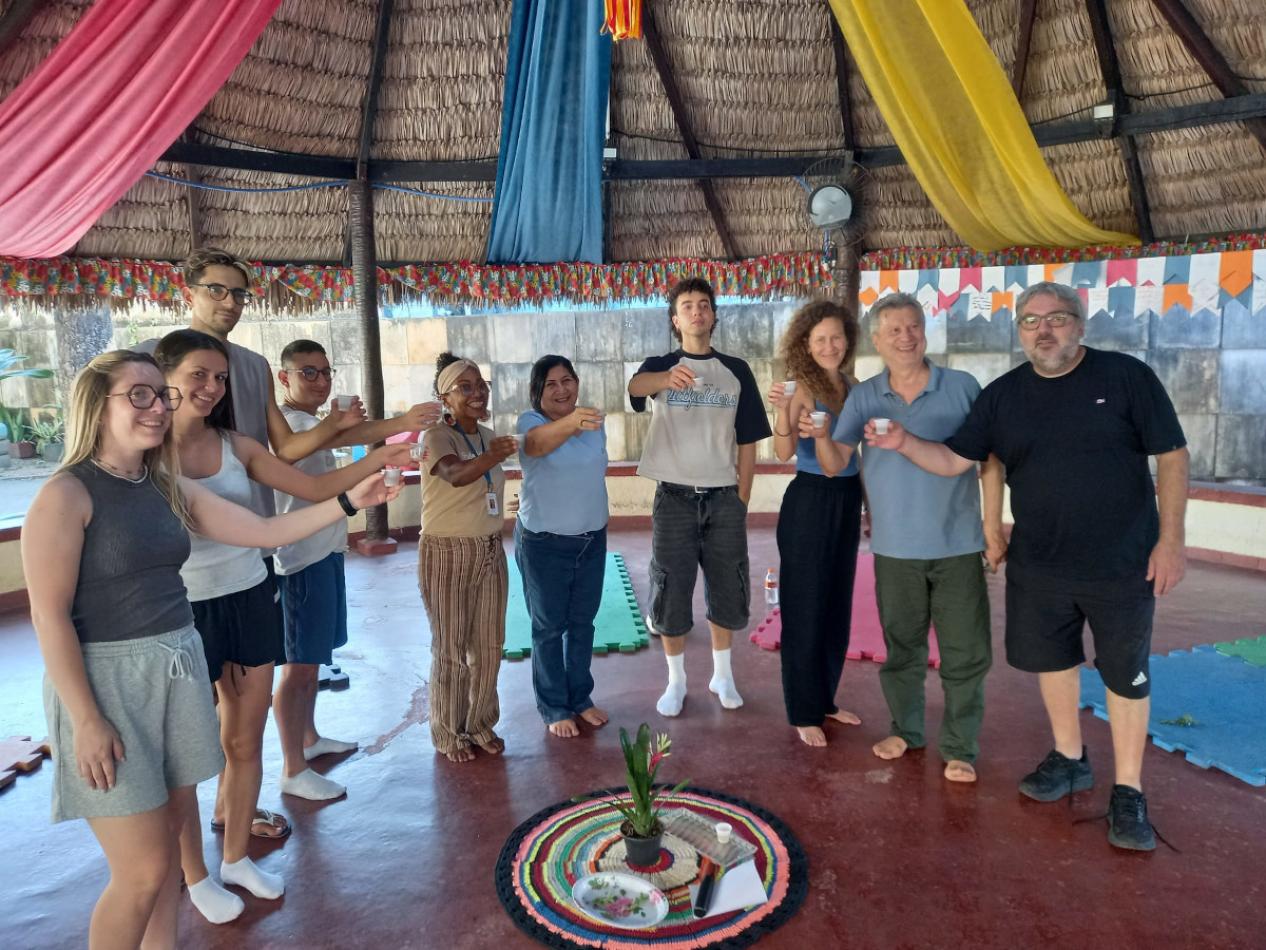
In August, a group of lay missionaries went on a “mission trip” to northeastern Brazil, to Santa Rita, a satellite city of João Pessoa, the capital of the Brazilian state of Paraíba, and to Fortaleza, the capital of the state of Ceará. The purpose of the trip was to prepare a missionary experience for a group of young people from the Diocese of Rome, to take place in the summer of 2027. Comboni Father Giorgio Padovan accompanied the group and reflects on the experience.
We spent some beautiful and precious days on the outskirts of Santa Rita, one of the most violent municipalities in Brazil, mixing with people in the neighbourhoods and visiting the various projects promoting human and social development.
Among these was Projeto Legal, established in the Marcos Moura neighbourhood. It is a social and human-rights initiative that provides a welcoming space and after-school support for around 160 children and young people: a true beacon of light and a nursery of hope in the fight against school dropout in a neighbourhood where drugs and drug trafficking leave no alternative to a future marked by violence, prison, and premature death.
In the precariousness of these streets, the Center for the Defence of Human Rights Dom Oscar Romero and the Cooperative of Recyclable Material Collectors have also emerged. They have become concrete signs of the struggle to defend human dignity, the right to work, and the right to life.
Taking part in the life and celebrations of the parish—which is organized as a “community of communities,” with lay people playing the leading role—enriched us and had a profoundly positive impact on us.
We immediately sensed that their way of celebrating brings faith and life together, the Word of God and reality; it promotes participation and sharing. In this way, people grow, and the community becomes a true “fraternity” in which everyone’s dignity is recognized and respected. All of this leads people to become “missionaries of life and peace.”
They—the poor and the Comboni missionaries—took care of us and shared their hearts and their journey with us simply and freely, with attentiveness and passion. We did not go there to bring or accomplish something; we simply wanted to immerse ourselves in that reality, to meet those people at close range, to embrace them and smile with them.
We truly felt welcomed and received with an affection that immediately made us feel at home. And this did us real good, opening our minds and hearts—in other words, changing the way we see and feel the world and the people around us.
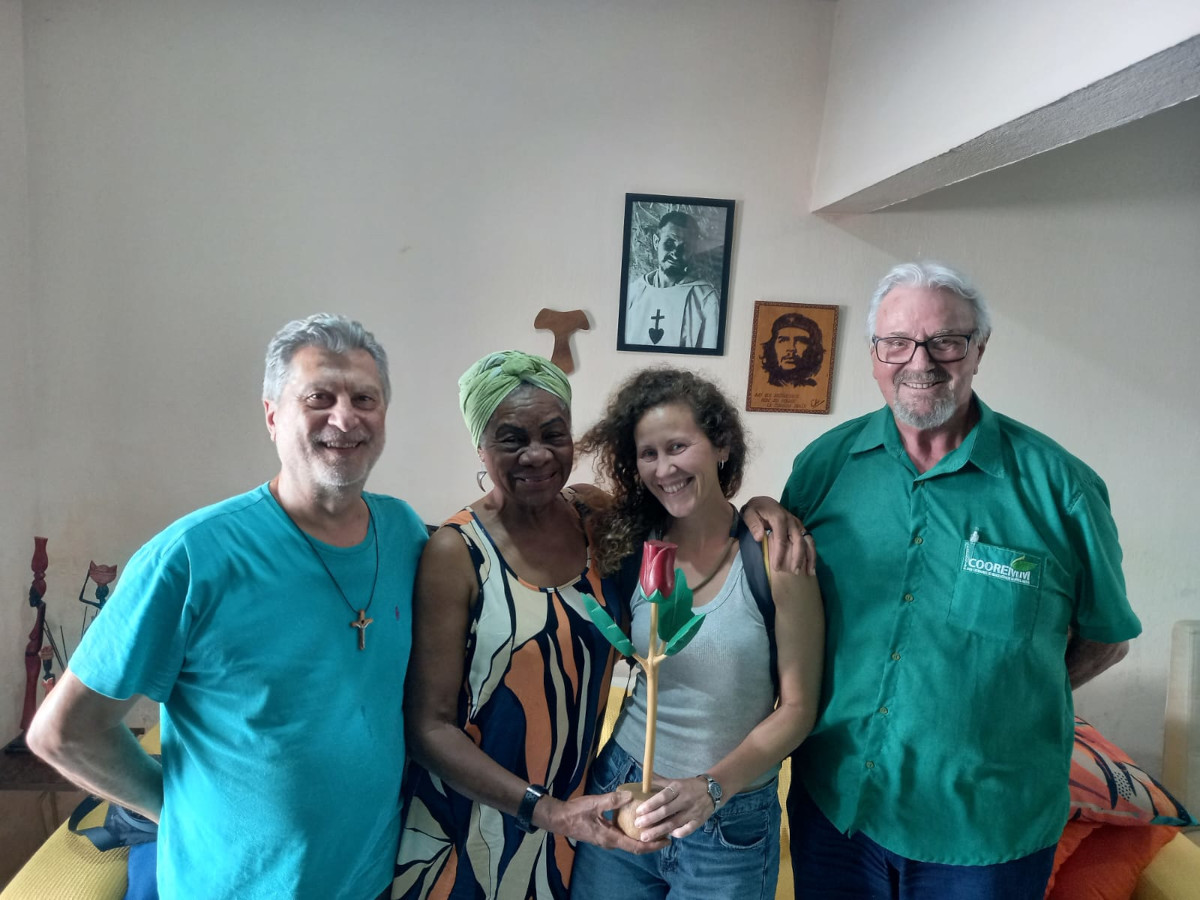
Preparing for the missionary journey
It was an opportunity to experience first-hand a new way of being human; to experience being Church in a simpler and more direct way; to read and understand the Word of God more deeply; to pray and give thanks; and to live fraternity and solidarity in a new and very concrete way.
From this comes a reflection, but also a journey and a missionary experience to propose to young people from Rome and the surrounding area next summer. Here, then, are some suggestions for preparing for this missionary journey, with the feelings and attitudes that could help us as we set out.
First suggestion: learn to listen attentively, despite the obstacle of language.
Second: learn to see with our eyes, certainly, but above all with our hearts—a way of seeing without prejudice, attentive and capable of being surprised.
Third: “feel” the people, the environment, and the relationships around us, remembering what the Council says in Gaudium et spes: “The joys and the hopes, the griefs and the anxieties of the men of this age, especially those who are poor or in any way afflicted, these are the joys and hopes, the griefs and anxieties of the followers of Christ. Indeed, nothing genuinely human fails to raise an echo in their hearts” (GS 1).
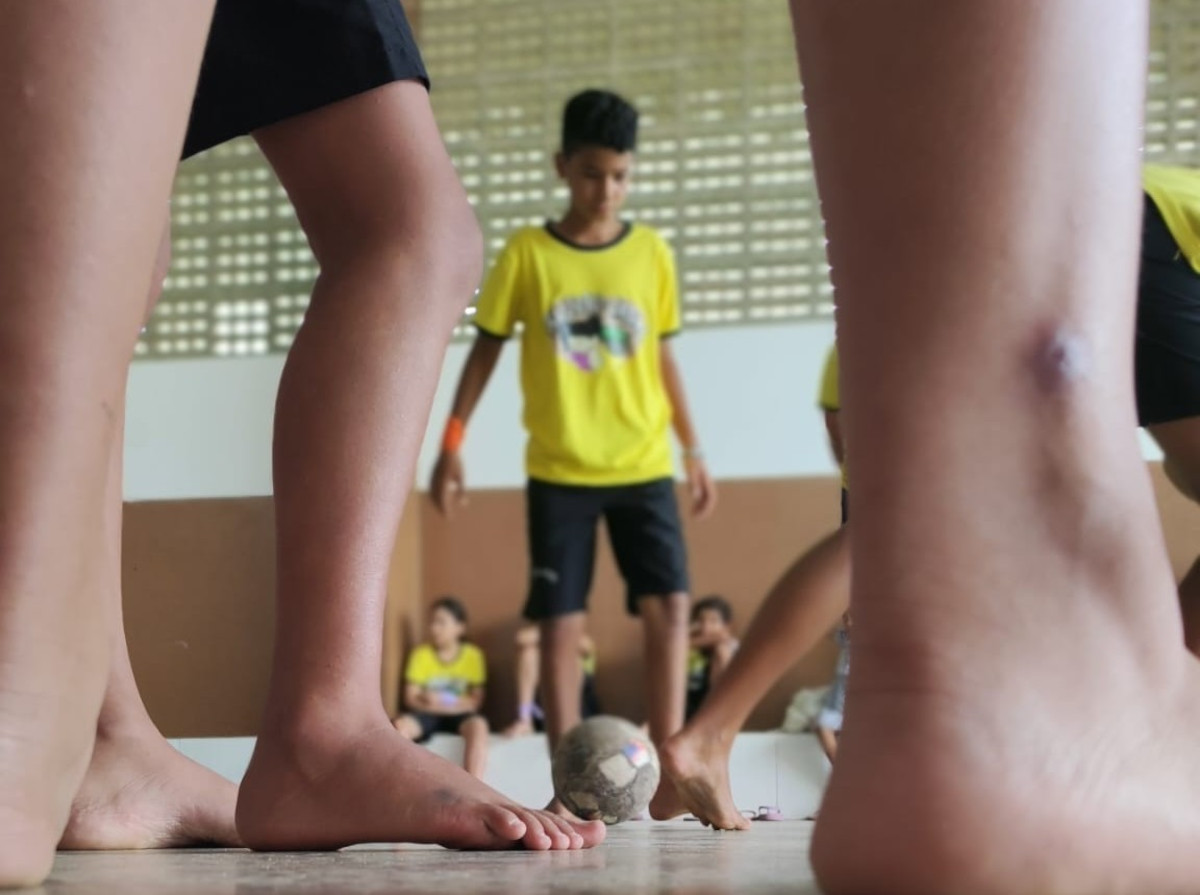
And all of this in the spirit and style of “being” rather than “doing,” of receiving and giving, ready to enter into a new situation with simplicity and humility. Cultivating a missionary attitude means walking barefoot, because we are treading on sacred ground—a place where we are welcomed, loved, and received.
More concretely, we will become part of their daily lives, the activities of their youth groups and the various communities, sharing their journeys and ours, their experiences and ours, and putting ourselves on the line. We will serve wherever possible, ready to let ourselves be guided and carried along, rejoicing in every small moment of sharing, and living simply and modestly.
We will participate in their liturgies and pastoral activities, allowing ourselves to be inspired by their way of being Church and community, by their prayer, by their way of living in the world and celebrating together.
In the evening, we will set aside time to come together as a group and celebrate the life and the day we have experienced, listening to the Word of God and praying simply and fraternally. We will share what we have experienced and discovered—there will certainly be many wonderful surprises!—and this will help us grow and internalize new ways and styles of living, of giving ourselves and offering ourselves to others, of loving and committing ourselves to a more just and fraternal world.
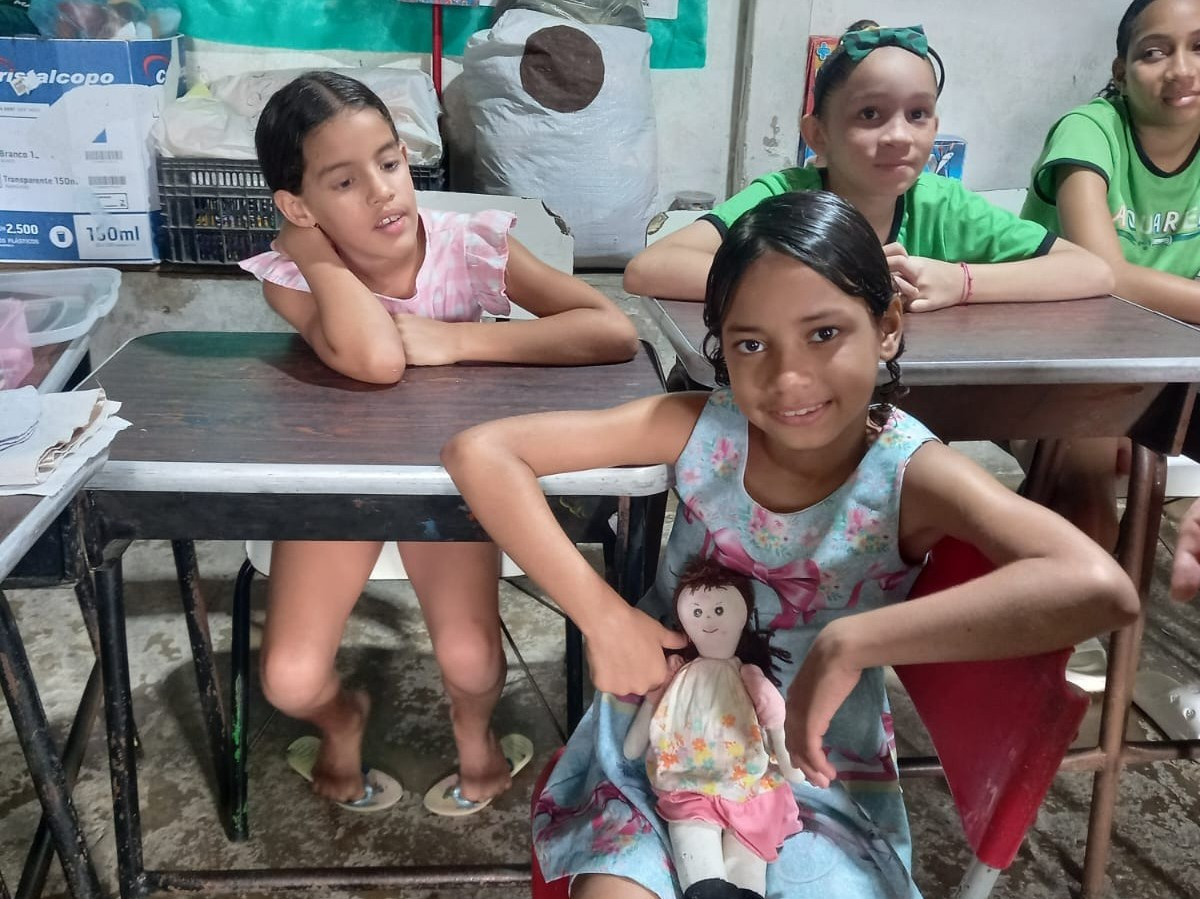
Two biblical icons
Two “biblical icons” will accompany us on our journey.
The first: Mary’s visit to her relative Elizabeth and the Magnificat (Luke 1:39–56). Beginning with the encounter between these two mothers, both poor and humble, it will be easy for us to reflect on the encounter between two peoples, two cultures, and two communities.
The two women rejoiced and celebrated when they discovered God’s presence within them, through the two children, Jesus and John the Baptist, who, upon meeting, leap for joy. Mary and Elizabeth embrace as they greet one another: two simple gestures that fill them with joy and lead them to magnify the God of life and mercy, justice and peace.
There will also be a greeting and many embraces between us and the communities we visit. Our “visit” will be fragrant with encounters; it will truly be missionary, and it will help us discover and perceive in a new way God within ourselves, in others, in the poor, and throughout the whole world.
The second icon will be the burning bush (Exodus 3:1–6). God calls Moses and says to him: “Remove your sandals from your feet, for the place where you stand is holy ground.” It is not only the burning bush that is sacred; the ground and the earth are also places of, and manifestations of, the God who liberates. The missionary experiences this every day, living in other lands and on other ground, places where God is present and at work.
Mission transforms
This is where the title that runs throughout this reflection comes from: “Mission transforms us.” We are changed and converted, regenerated and renewed by mission. This is the most fascinating discovery of my 25 years of missionary life ad gentes in Brazil and 18 years in Italy.
Being a missionary has changed me as a man: in the way I relate to others, in my emotional life, in my weaknesses and resistance, in the way I live in the world and love, thanks to my closeness to the poor and the simple, who lead you back to what is essential and concrete, to joy and sharing.
The poor have helped me grow as a Christian, allowing me to experience first-hand their faith and hope, their ability to see God always and everywhere, in every situation, and their prayer and trust in the God of life.
They have taught me how to be a priest, how to give myself in my priestly ministry, walking alongside them and serving them, celebrating life and faith, breaking the bread of the Word and of life, and creating and living an ecclesial and fraternal community.
Mission transforms people, but it also transforms the Church and society. The Church discovers that there are other ways of celebrating, other forms of being community, that diversity is a source of richness—what Tonino Bello called the “conviviality of differences”—and that we are sister Churches living the Gospel of Jesus. We can help one another to become a visible sign of the Kingdom of God in the world.
Mission transforms society and socioeconomic structures because its purpose is the good of everyone. Mission leads us to live as brothers and sisters, saving one another together, never on our own. Mission offers a response to the conflicts and wars tearing the world apart, seeking to create greater equality, justice, and fraternity.
October, the missionary month par excellence, is the right time to enter into this reflection and this journey—as individuals, as Christians, and as Church. The theme chosen by Pope Leo XIV is: “One in Christ, united in Mission.” We could express it this way: “Transformed by Christ and by Mission,” that is, regenerated, renewed, and converted.
Jesus calls his disciples to be with Him and sends them out to proclaim the Gospel—the Good News that God saves and loves everyone, absolutely everyone—and to enter into the logic of God the Father, of his love and mercy.
Jesus reminds us that he came “so that they may have life, and have it abundantly” (John 10:10).
Have a blessed Missionary Month!
Fr. Giorgio Padovan, MCCJ