
Daniel Comboni
Comboni Missionaries
Institutional area
Other links
Newsletter
Saint Daniel Comboni – A life in the service of God and Africa
Monday, October 12, 2026
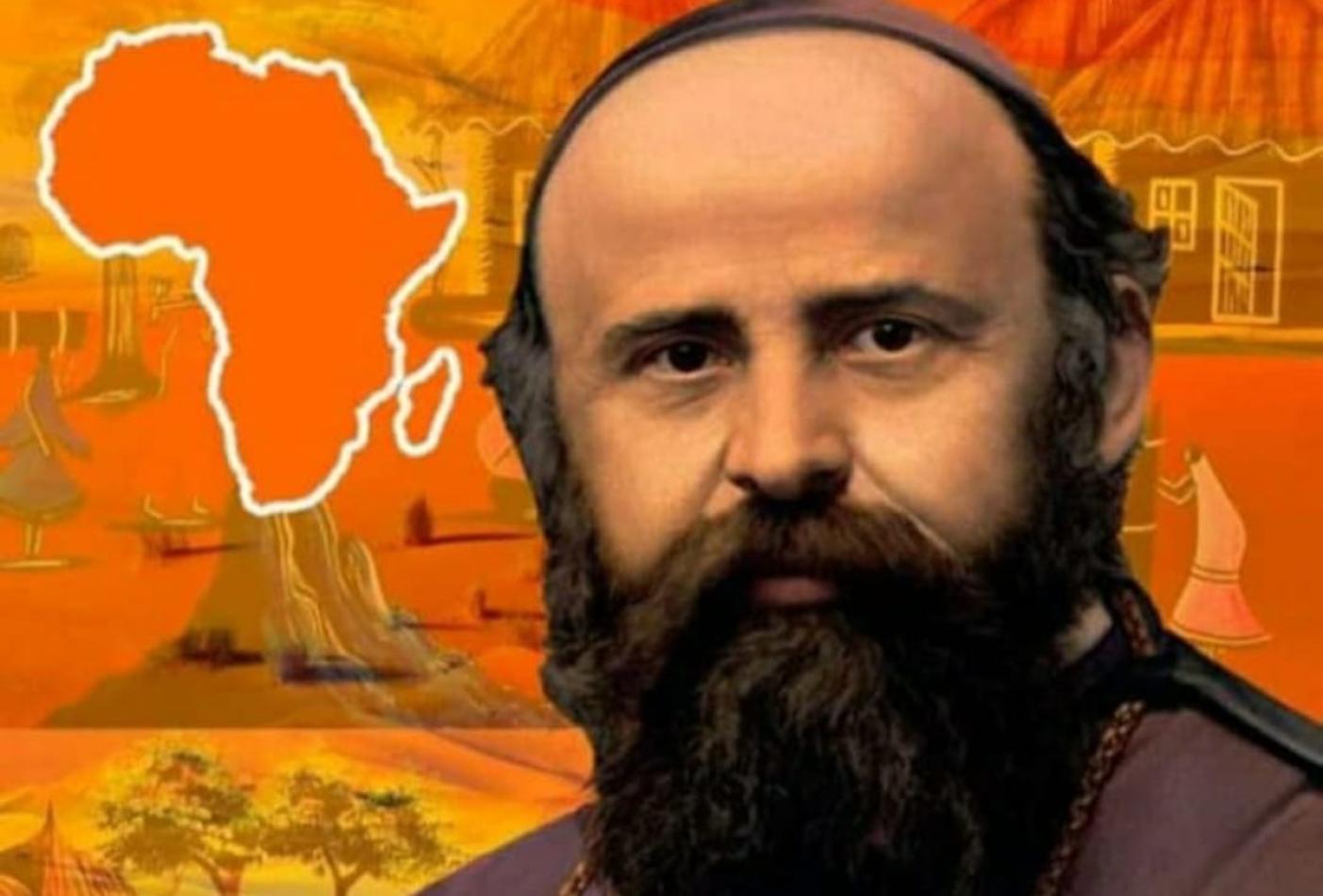
Daniel Comboni saw clearly. His work did not die; on the contrary, like all great works that “are born and grow at the foot of the cross”, it remains alive thanks to the self-giving of so many men and women who have chosen to follow Comboni along the arduous yet inspiring path of mission among peoples most in need of faith and most abandoned by human solidarity.
Endowed with a strong temperament and, at the same time, a deeply human spirit, Daniel Comboni belongs to that multitude of great souls who will never cease to challenge and inspire, disarm and fascinate. He was “unlimitedly faithful to the Church” and, at the same time, “unlimitedly free”. He pursued his convictions with determination, without falling into the temptation of rebellion or self-centredness.
Filled with great missionary zeal, he did everything out of love for God, the Church and the peoples of “unhappy Africa”, which at that time was devastated by colonialism and severely affected by the slave trade. He confronted civil and religious authorities in order to pursue his passion for the peoples of that continent.
He knew how to be diplomatic, but he did not mince his words when it came to sharing and defending his missionary plan. He endured harsh criticism, slander and persecution, but none of these things could break him. He bore his sufferings with steadfast faith, inspired by the pierced Heart of Christ, the Good Shepherd.
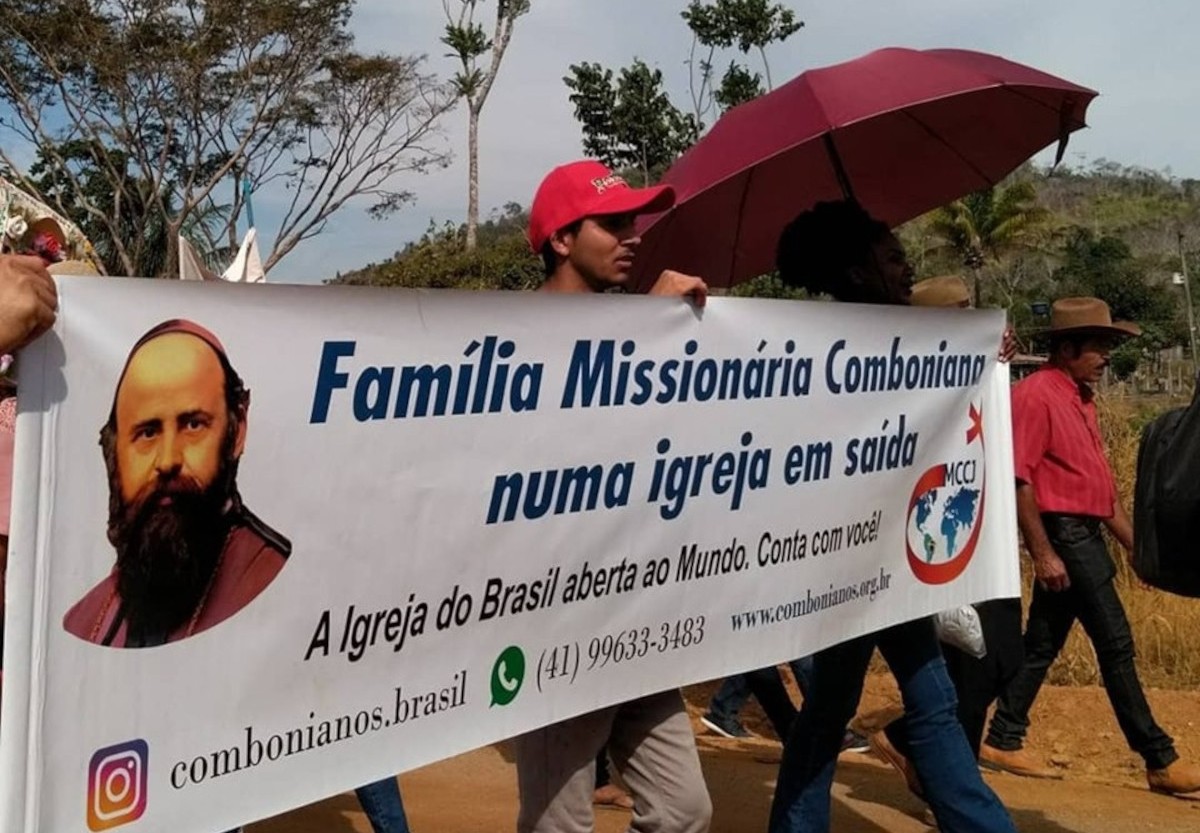
Prophet
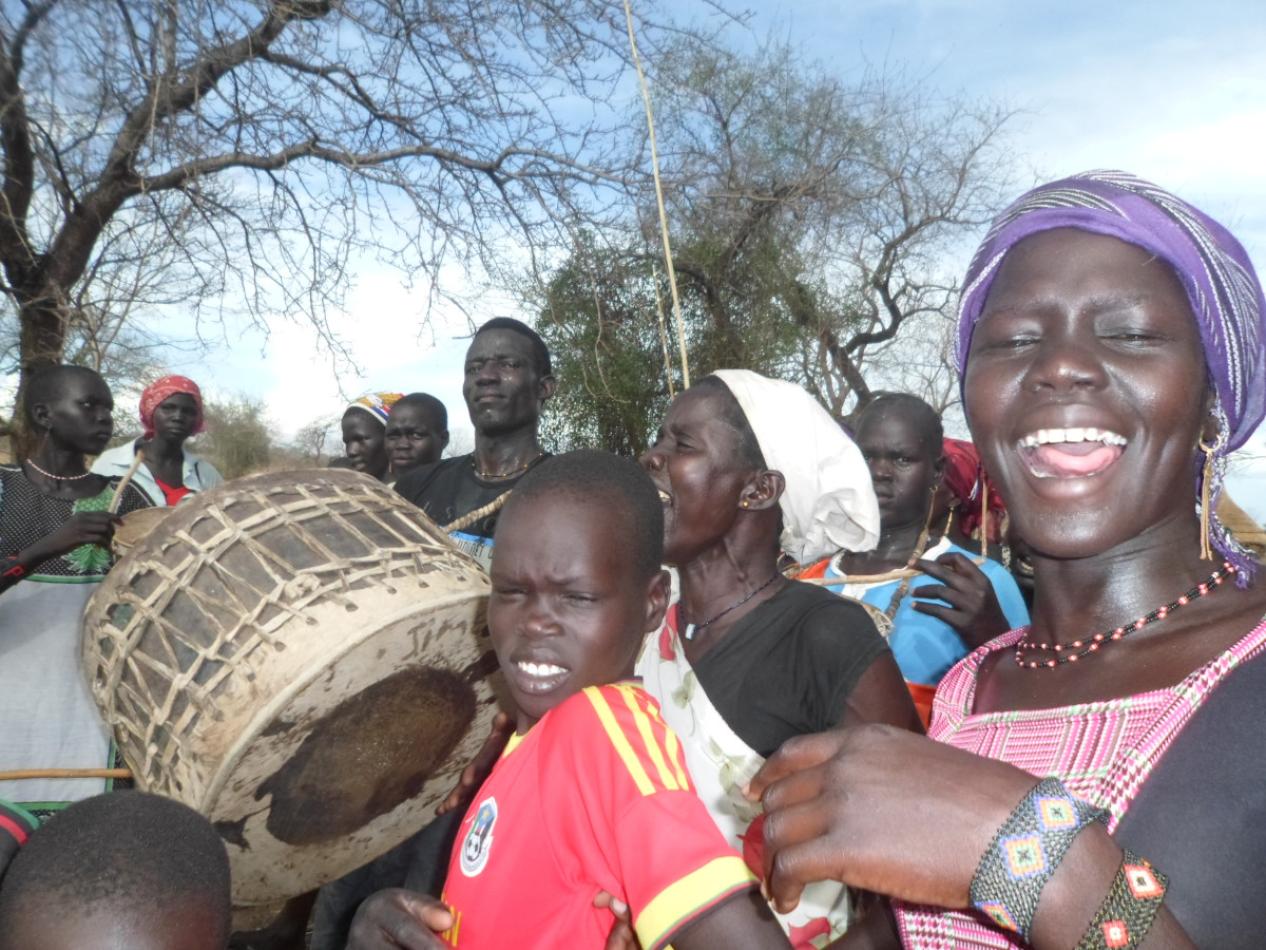
As well as being a generous missionary, he was a prophet for his time. He fought against slavery and championed the cause of Africa, dreaming of a new Africa which, with all its cultural and spiritual richness, would take its rightful place in the Church and among the peoples of the world.
With his boundless confidence in the human and religious capacities of the peoples of that continent, he recognised the empowerment of Africans, especially women, as the most effective way to promote the evangelisation of the continent and the economic and social development of its populations.
To this end, he devoted himself to tireless missionary animation throughout Europe, appealing for spiritual and material support for the African missions. As a means of missionary animation, he founded a missionary magazine, the first in Italy devoted entirely to the African continent. Furthermore, so that his work could continue after his death, he founded two missionary institutes, one for men and the other for women, in 1867 and 1872 respectively. These later became known as the Comboni Missionaries and the Comboni Missionary Sisters.
History has proved him right, despite the contrary opinions of the “cautious people of his time”. In him, words and ideals were transformed into life. He was not content simply to speak in support of Africa: he personally paid the price, even to the point of death, for his commitment to defending and promoting the human rights of African peoples.
He died in Khartoum, the capital of Sudan, on 10 October 1881, at just 50 years of age. He was marked by the cross which, like a faithful and beloved spouse, never abandoned him. He remained convinced that the missionary work would not die. “I die, but my work will not die.”
Daniel Comboni had seen clearly. His work did not die; on the contrary, like all great works that “are born and grow at the foot of the cross”, it remains alive thanks to the self-giving of so many men and women who have chosen to follow Comboni along the arduous yet inspiring path of mission among peoples most in need of faith and most abandoned by human solidarity.
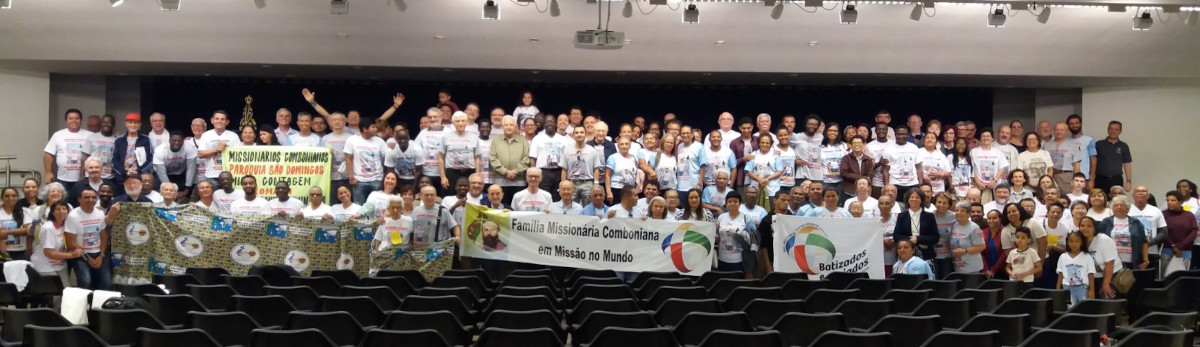
Jubilee Year
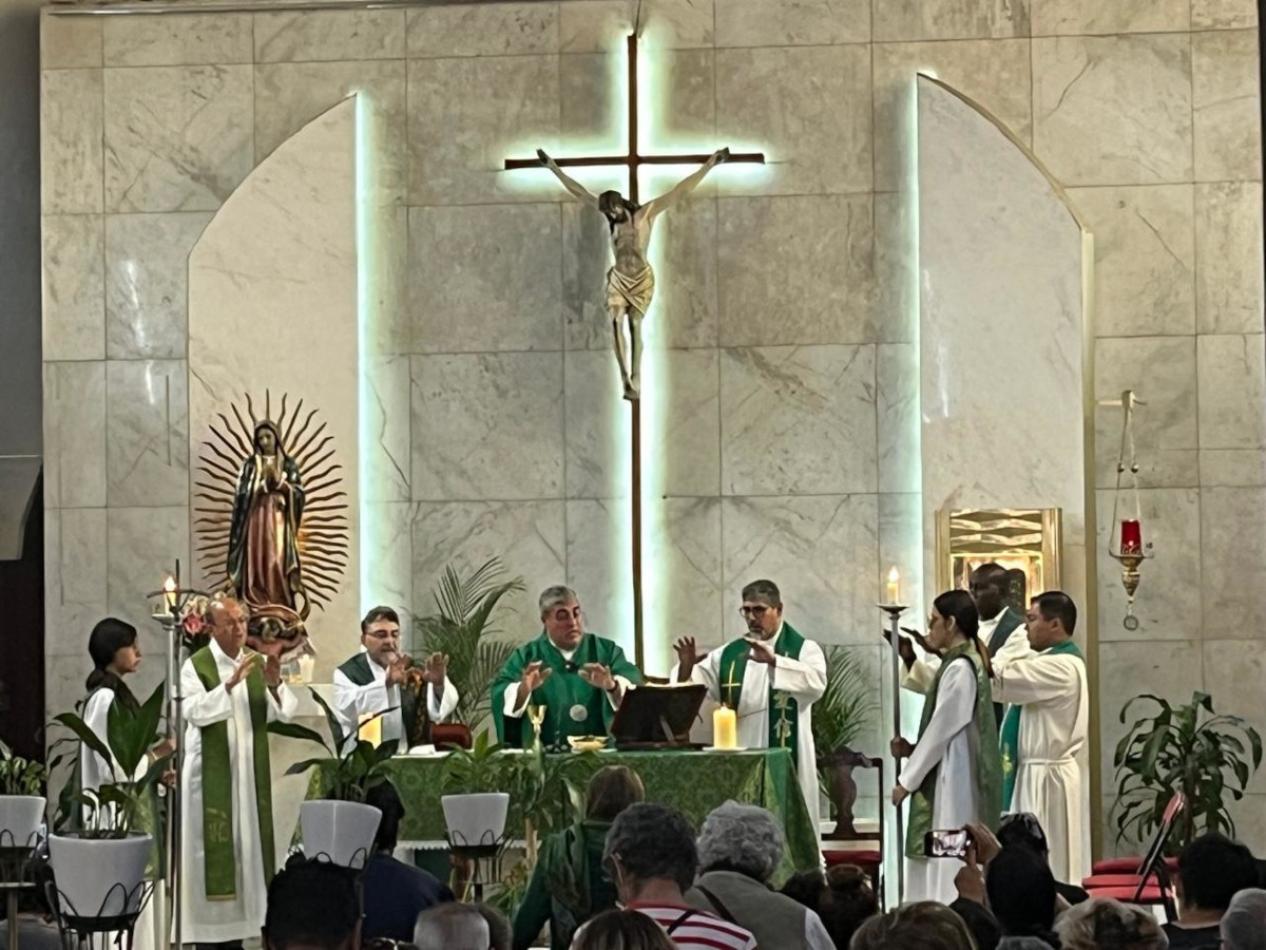
The Comboni presence in Brazil began in 1952, which means that it is now 75 years since its establishment. To mark this anniversary, the Comboni Jubilee Year begins today and will continue until 10 October 2027. Under the theme COMBONI MISSIONARIES: Memory, Gratitude and Prophecy – 75 Years in Brazil, we wish to give thanks to God for the charism of Saint Daniel Comboni in the Church and throughout the world, and for the Comboni presence in Brazil.
Join us in remembering, celebrating with joy and thanking God for all that He has accomplished through our Comboni family over these years. In communion with the Church in Brazil, we renew our commitment to realising God's dream: that everyone may enjoy life in all its fullness.
Our greatest contribution to the mission of the Church is to bear witness to the charism of Saint Daniel Comboni, whose distinctive feature is the merciful love of the Heart of Christ for the poorest and most defenceless. It is in this Heart that we find the source of the mercy that saves and gives rise to hope.
Therefore, as Pope Francis reminded us during an audience on 1 October 2015, we who are consecrated to God for the mission are called to imitate Jesus, who is meek and merciful, so that we may carry out our service with humble hearts, caring for the most abandoned people of our time.
Saint Daniel Comboni does not want “comfortable” or “settled” missionaries. Rather, with our eyes fixed on contemplating the merciful Heart of Jesus, the Good Shepherd, he wants us to be “restless”, “unsettled” and “indignant” in the face of the miseries that afflict humanity. He wants us always to be on the move towards the existential peripheries, where people rejected by society are pushed aside.
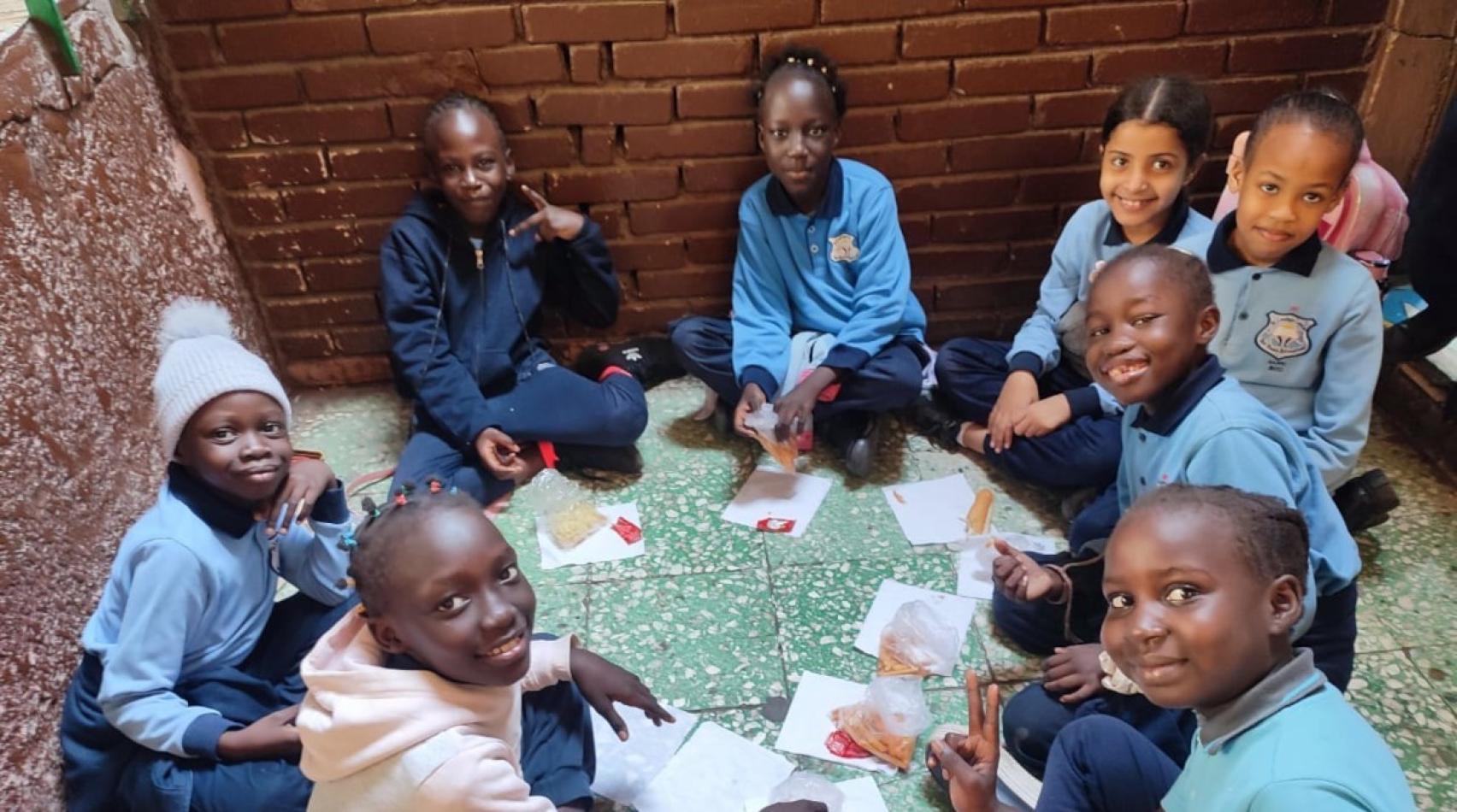
Our mission, in accordance with the desire of our Founder, is to proclaim the Gospel of compassion, tenderness and mercy. This means educating, forgiving, lifting people up, correcting with charity, organising, fighting for rights and setting people free. It means healing, but also preventing suffering and helping people to rise again. In a word, it means restoring people to life, beginning with those who are most wounded, while excluding no one.
May the apostolic zeal of Saint Daniel Comboni strengthen the missionary spirit of our communities, and may his passion for the peoples of Africa nourish our love for the people of Brazil.
May Saint Daniel Comboni, in the light of the example of Jesus of Nazareth and through the intercession of Our Lady of Aparecida, help us to strive for the redemption and liberation of all people, especially the oppressed.
Fr Xavier Paolillo, MCCJ